
The cattle ferry — History & Facts
A hush of anticipation fills the air as travelers and their animals gather at the riverbank, their journey paused at the edge of water and land. The eye is drawn first to the cluster of figures and beasts, bathed in gentle daylight: a woman sits sidesaddle, her gaze steady and composed, while a man gestures toward the approaching ferry, his arm outstretched in expectation. Sheep mill quietly at their feet, a dog waits alert, and in the shadows, a horse drinks from a trough, grounding the scene in the everyday.
The ferry itself, low and sturdy, glides toward the shore, its oarsman bent to his task and cattle already crowding its deck. The sky opens wide above, clouds drifting in a pale blue expanse, giving the landscape a sense of openness and possibility. Painted in 1666 by Adriaen van de Velde, this scene belongs to a world where the rhythms of rural life and the demands of travel shaped daily existence. Dutch artists of the seventeenth century often found poetry in such moments—pauses in the flow of work and movement—turning the ordinary into a quiet spectacle.
These works were prized by collectors who sought reminders of an ordered, harmonious countryside, even as the Dutch Republic was rapidly urbanizing and globalizing. Today, The cattle ferry is part of the collection at the Rijksmuseum, a window onto a vanished landscape and the patient choreography of people, animals, and river. Let your eye linger on the subtle play of light and gesture; the story here is one of waiting, of passage, and of the small dramas that unfold between shore and horizon.
More Artworks by Adriaen van de Velde

Staande stier
Adriaen van de Velde
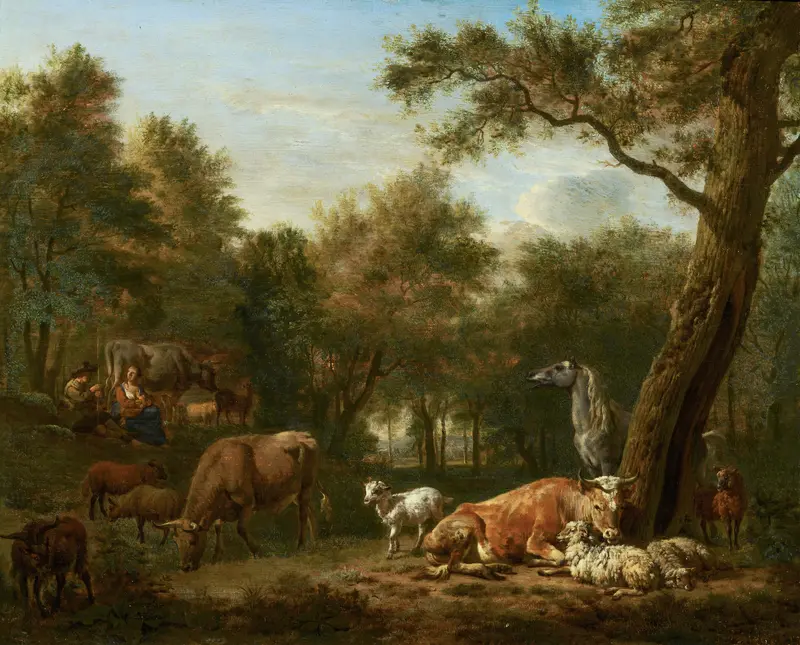
Wooded Landscape with Cattle
Adriaen van de Velde
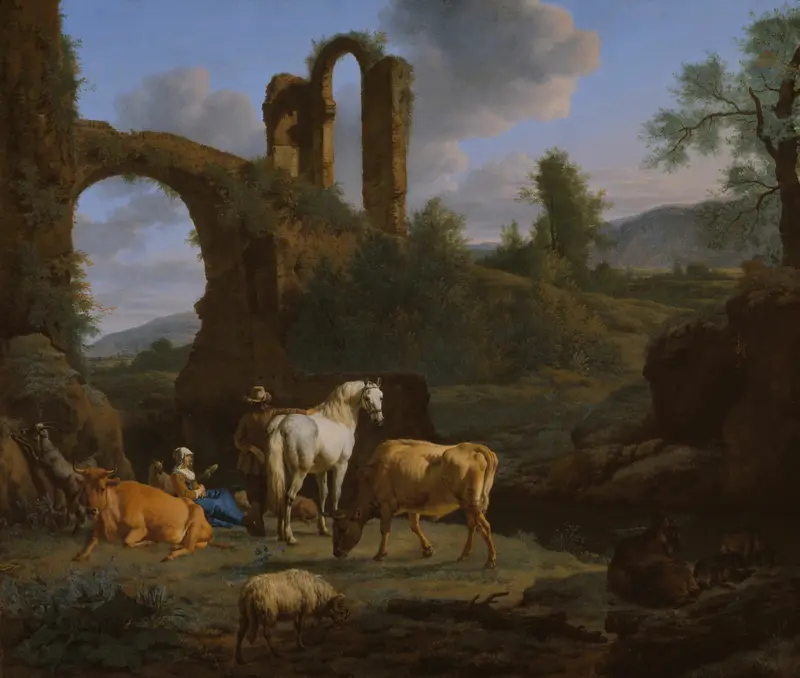
Pastoral Landscape with Ruins
Adriaen van de Velde
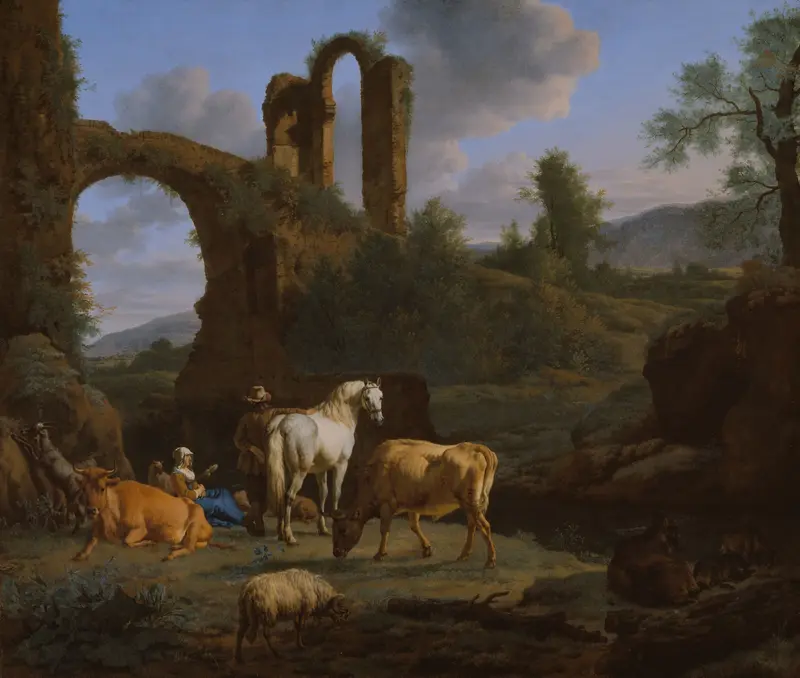
Pastoral Landscape with Ruins
Adriaen van de Velde
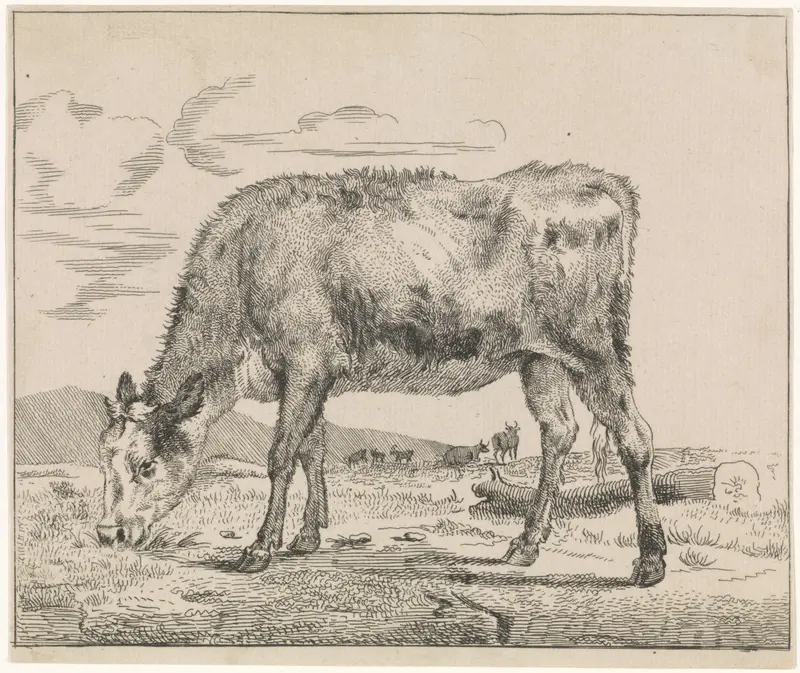
Grazend kalf
Adriaen van de Velde
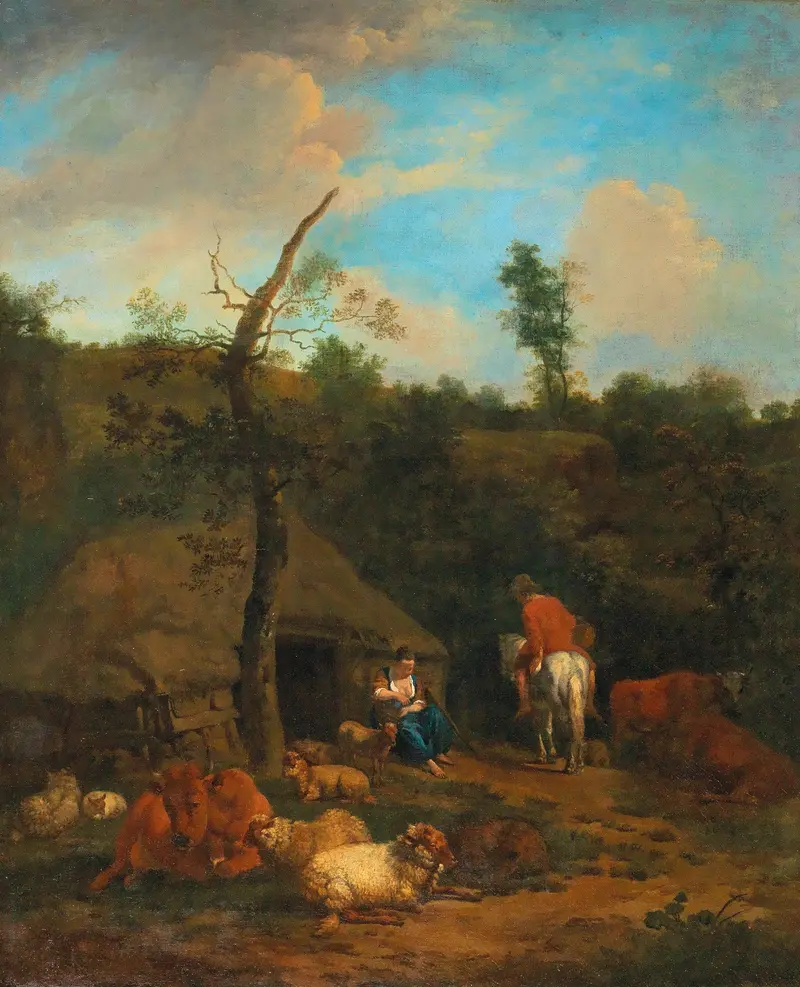
A herdsman and a shepherdess in front of a wooden farmhouse
Adriaen van de Velde
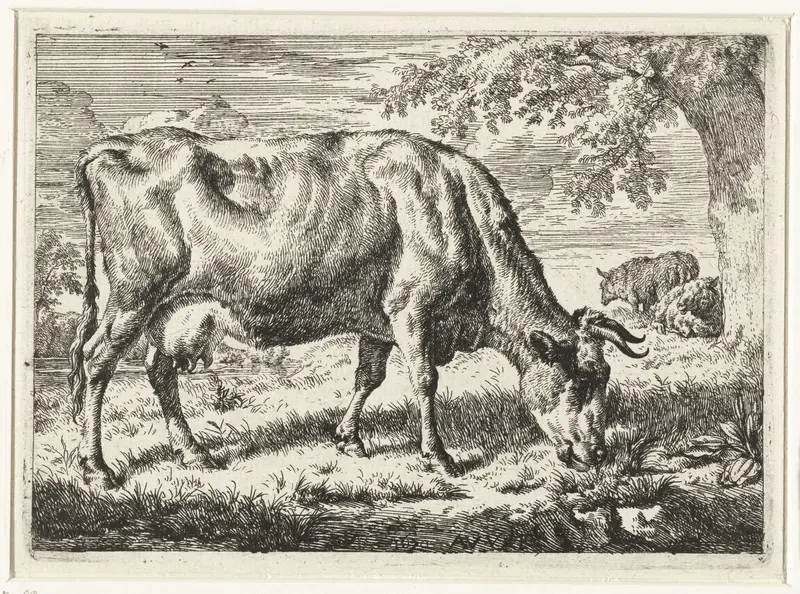
Grazende koe en twee schapen
Adriaen van de Velde
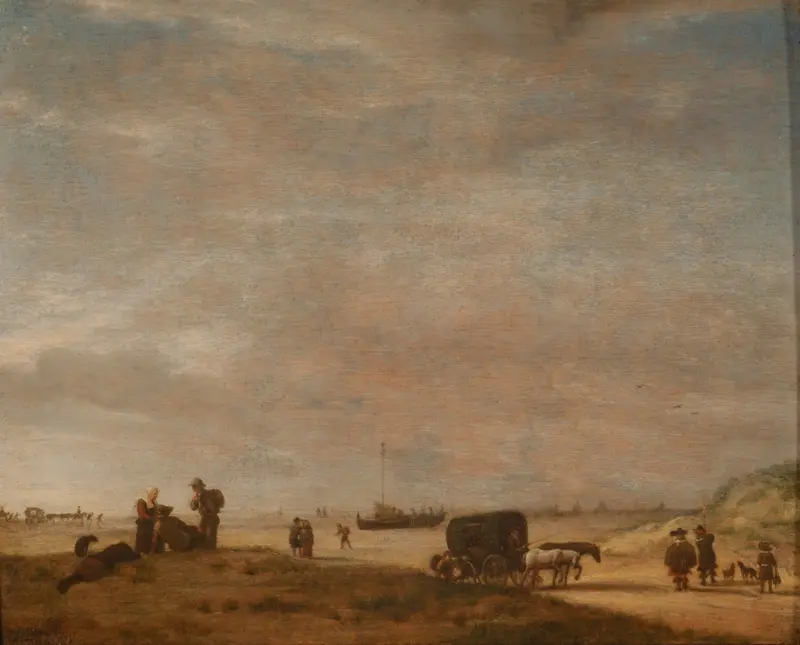
Scheveningen Beach
Adriaen van de Velde
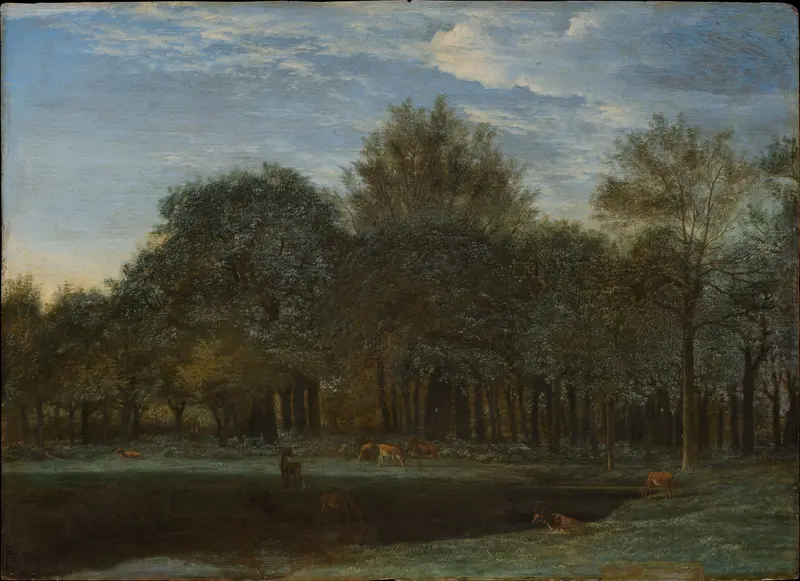
Forest Clearing with Grazing Deer
Adriaen van de Velde
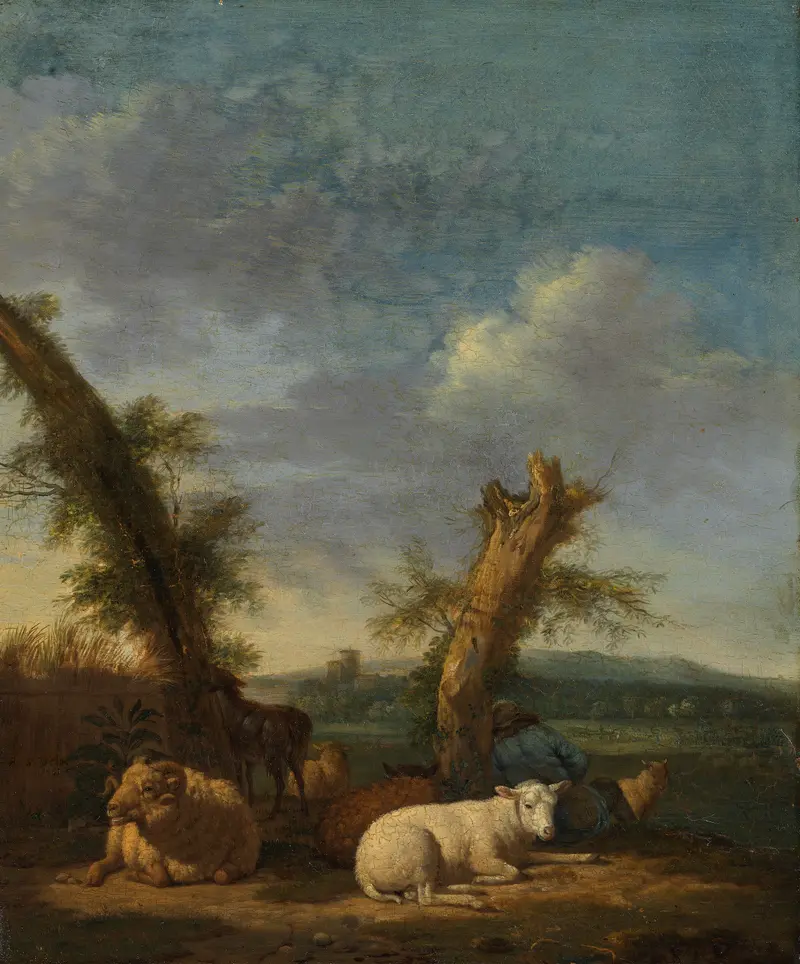
Landscape with Sheep and a Sleeping Shepherd
Adriaen van de Velde
More Genre Scene Art

Banquet of the Officers of the St George Civic Guard
Frans Hals

Rembrandt and Saskia in the Scene of the Prodigal Son
Rembrandt van Rijn

Bal du moulin de la Galette
Pierre-Auguste Renoir

Quadrille at the Moulin Rouge
Henri de Toulouse-Lautrec

A Burial at Ornans
Gustave Courbet

When Will You Marry?
Paul Gauguin