
The Chemise Withdrawn — History & Facts
When The Chemise Withdrawn first entered the Parisian art world around 1770, it quickly became associated with the private pleasures and secret commissions of the French aristocracy. Unlike many of his grander public works, Jean-Honoré Fragonard painted this piece for the intimate boudoirs of his elite patrons, where such playful and sensual subjects were both cherished and concealed. The painting’s daring theme—capturing a woman in the act of undressing—was considered risqué even in the libertine circles of late Rococo France.
Its reputation for audacity only grew when it was rumored to be part of a series commissioned by a mysterious noblewoman, though her identity remains a subject of speculation. Fragonard seizes the moment of anticipation: a young woman, caught mid-motion, draws her chemise over her head, her face hidden, her body half-revealed to the viewer. The soft, golden light caresses her skin, emphasizing both innocence and allure, while the cascading fabric becomes a symbol of both concealment and revelation. The lush textures and rapid, fluid brushwork are signatures of Fragonard’s style, inviting the eye to linger on the interplay of flesh and linen.
Where François Boucher might have rendered a similar scene with more overt theatricality, Fragonard’s approach feels more spontaneous, the intimacy heightened by the suggestion of a private, unguarded moment. The painting is less a narrative than a fleeting sensation, a glimpse into the secret world of aristocratic pleasure. The precise journey of The Chemise Withdrawn after its creation is not fully documented, a fate common to many of Fragonard’s smaller, private works. It likely passed through the hands of discreet collectors, surviving the upheavals of the French Revolution by virtue of its size and subject, which made it easy to hide or transport.
Today, it stands as a testament to Fragonard’s reputation as the painter of pleasure and intimacy, a key figure in the Rococo movement’s final flowering before the arrival of Neoclassicism. The painting’s playful spirit and technical brilliance ensure its place among the most beloved examples of 18th-century French art, even as its original patron’s identity remains a tantalizing mystery.
More Artworks by Jean-Honoré Fragonard
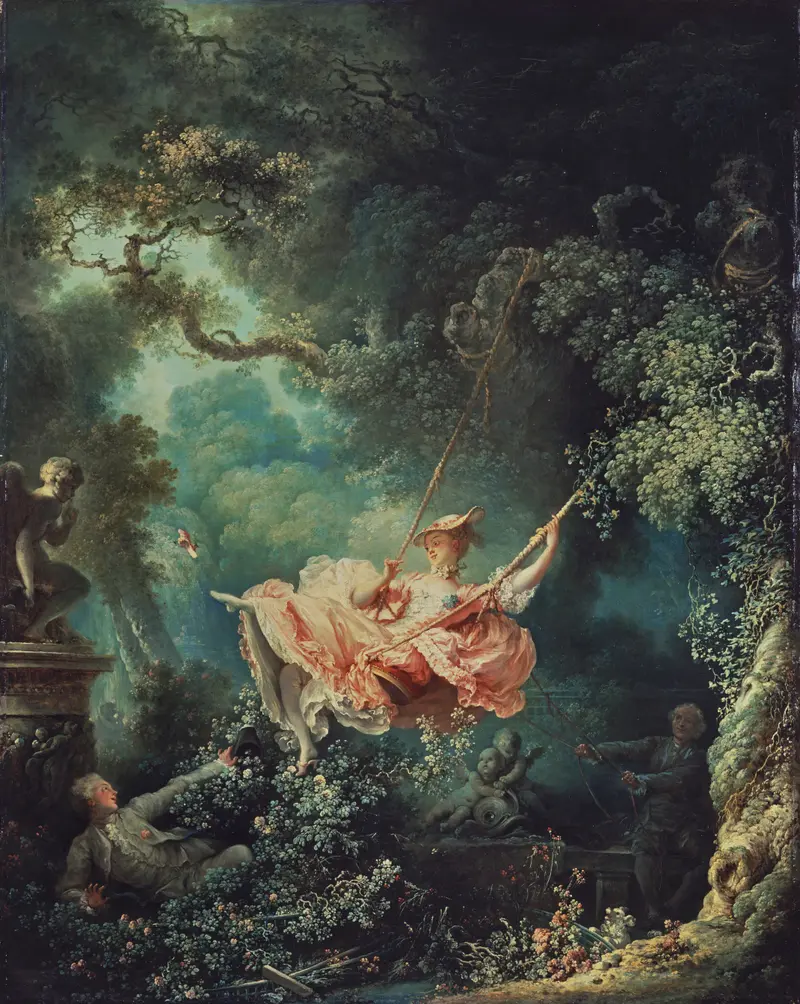
The Swing
Jean-Honoré Fragonard

The Swing
Jean-Honoré Fragonard
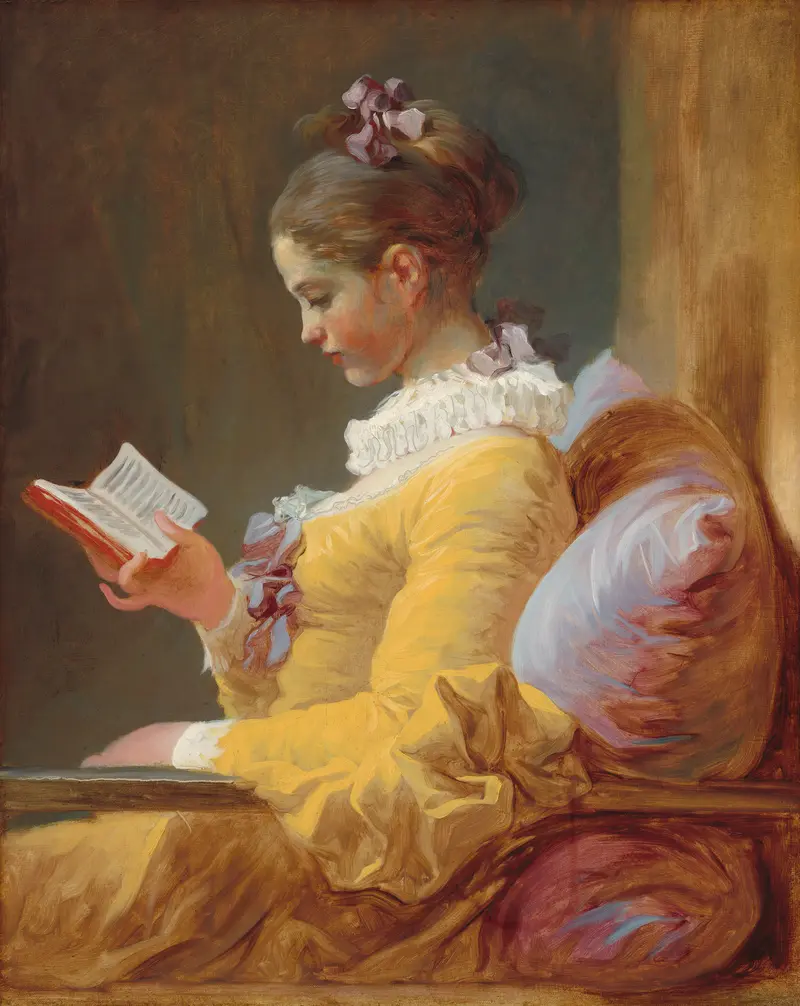
A Young Girl Reading
Jean-Honoré Fragonard
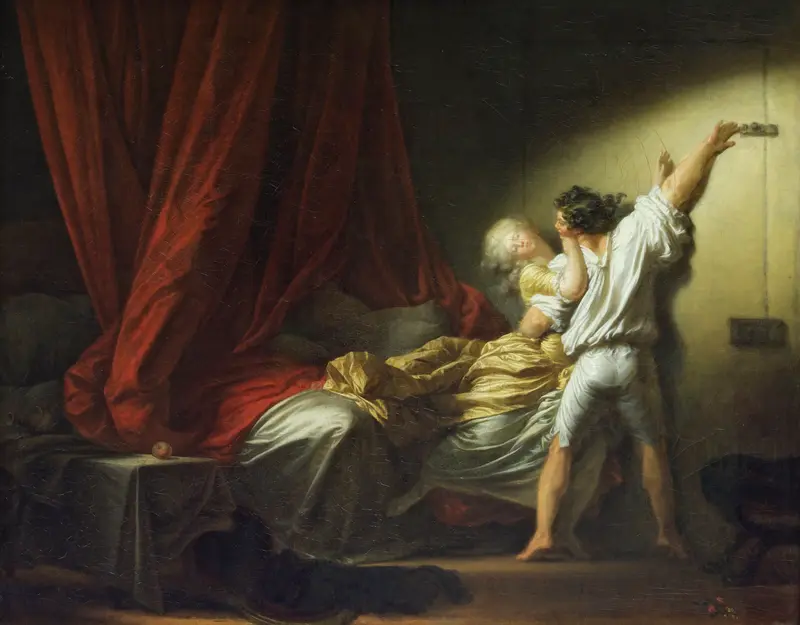
The Lock
Jean-Honoré Fragonard
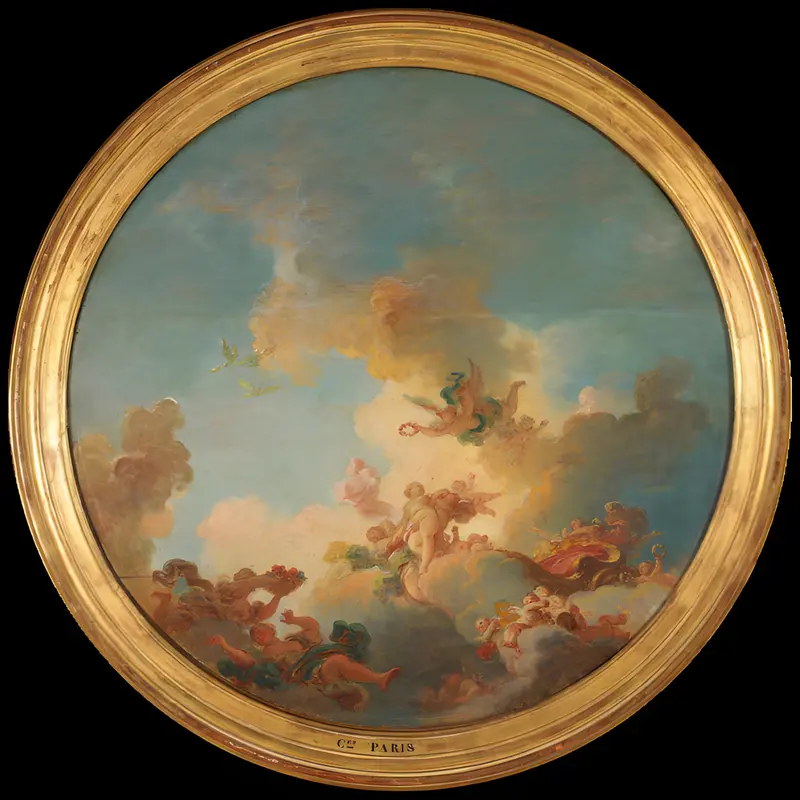
The Triumph of Venus
Jean-Honoré Fragonard
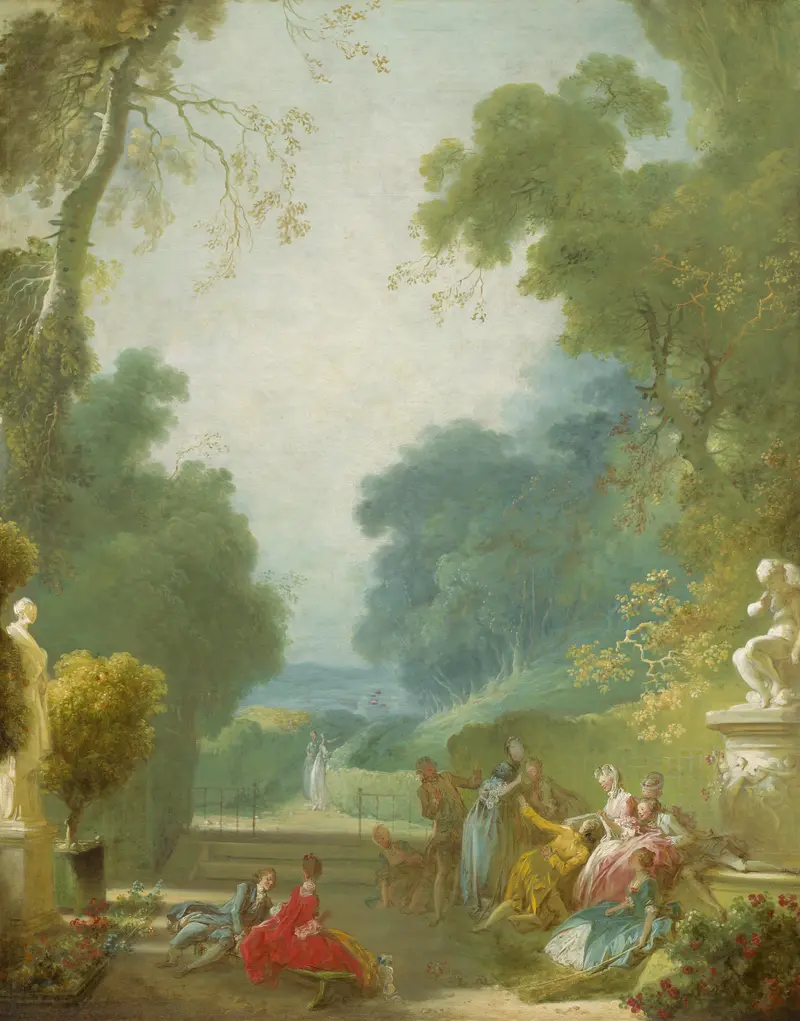
A Game of Hot Cockles
Jean-Honoré Fragonard
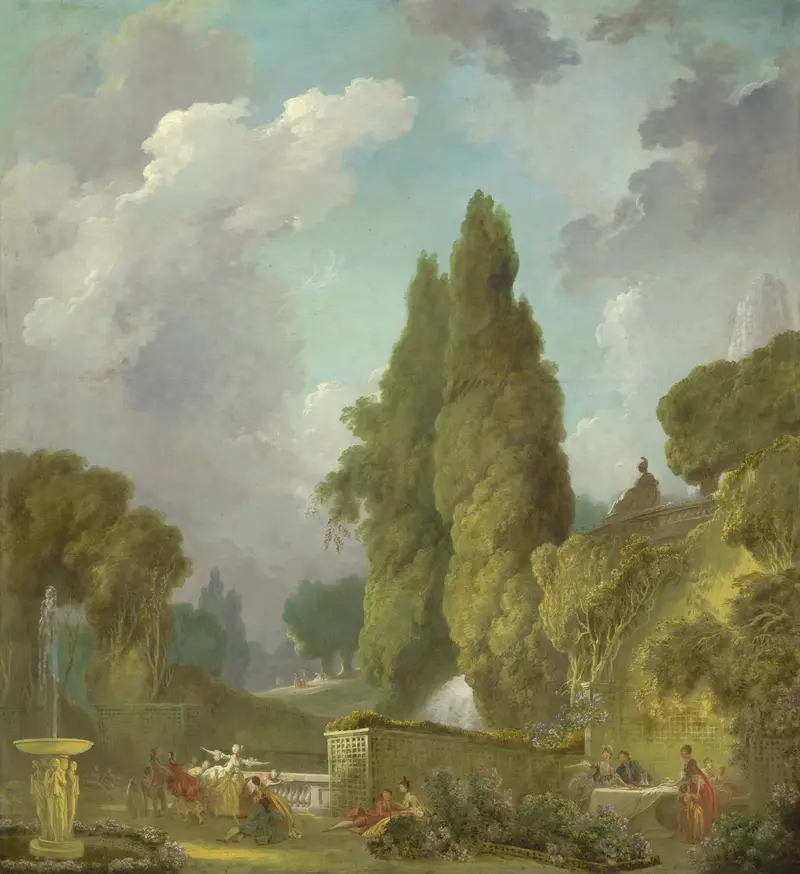
Blindman’s Buff
Jean-Honoré Fragonard
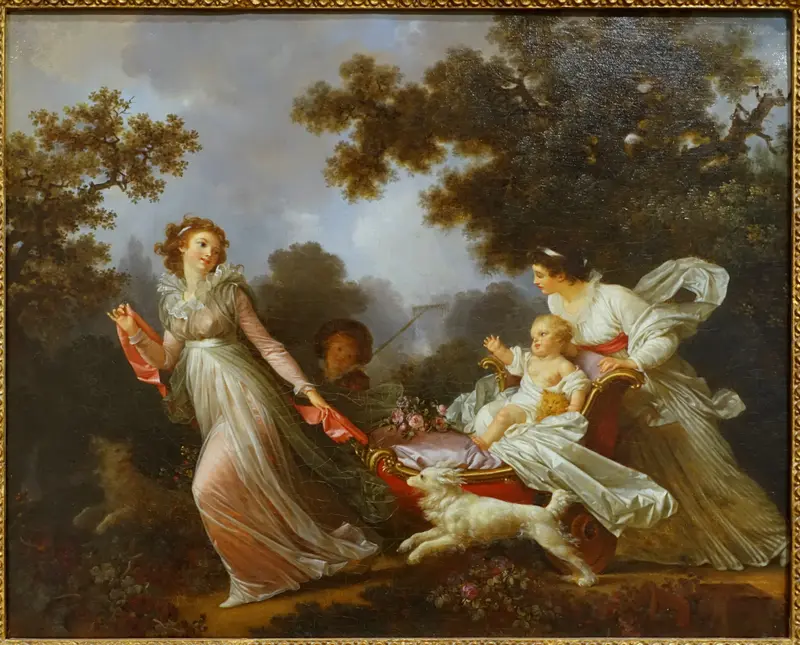
The Beloved Child
Jean-Honoré Fragonard
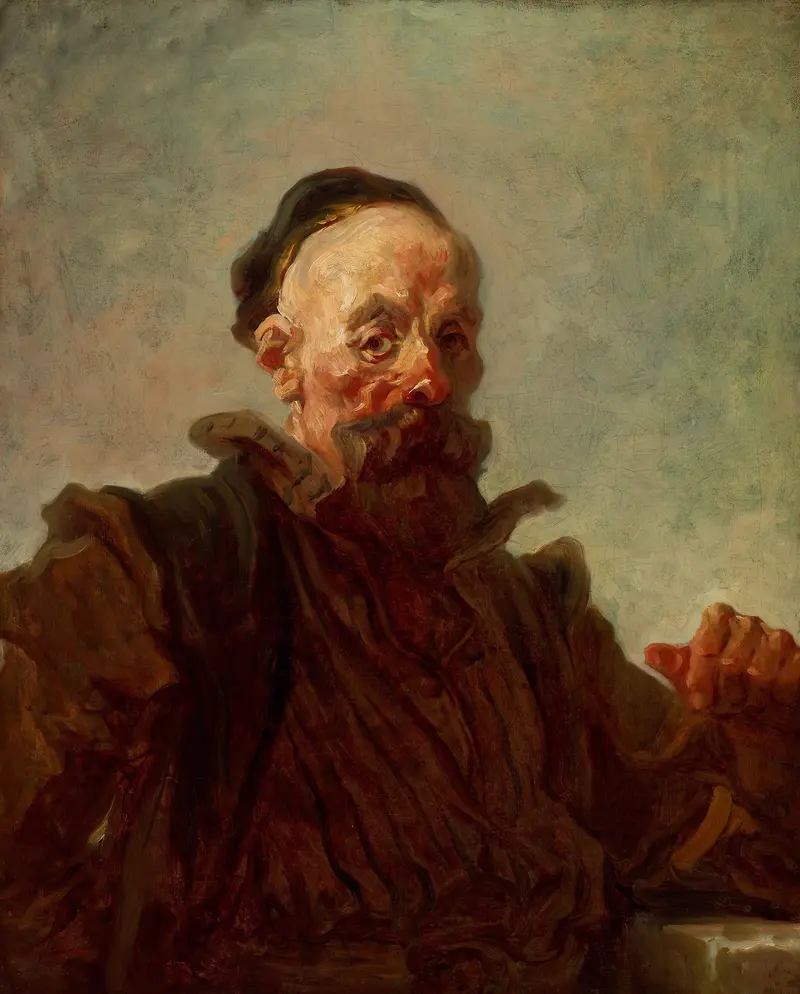
Portrait of a Man in Costume
Jean-Honoré Fragonard
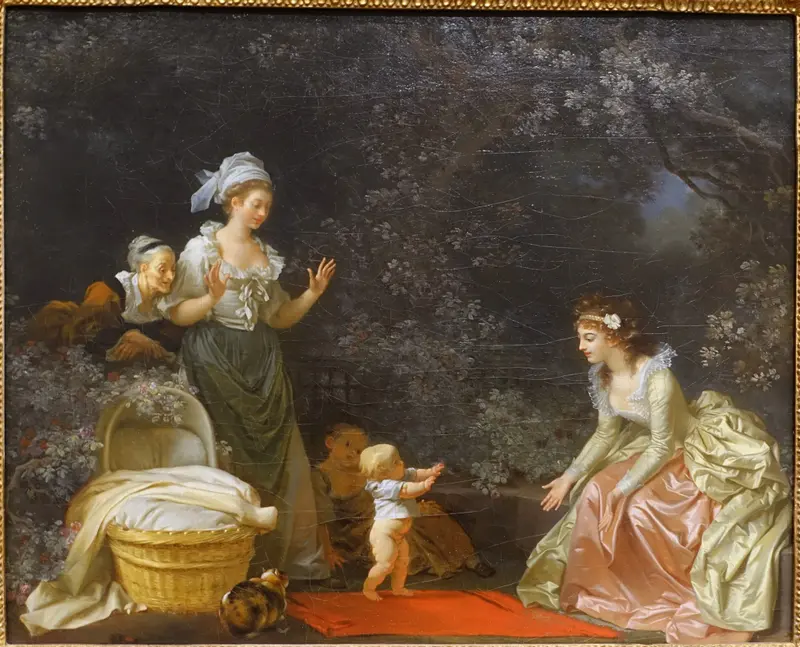
The First Steps
Jean-Honoré Fragonard



