
The Child's Caress — History & Facts
When The Child's Caress was first exhibited in 1891, critics recognized it as one of Mary Cassatt’s most intimate explorations of the mother-and-child theme—a subject she would return to throughout her career. What set this work apart was its strikingly modern composition and the way it captured the quiet dignity of everyday affection, at a time when such domestic scenes were rarely considered worthy of high art. The painting quickly became emblematic of Cassatt’s ability to elevate the private world of women and children, earning admiration from her contemporaries in the Impressionist circle. In this scene, a young girl gently presses her face to her mother’s cheek, her small hand resting with trust and familiarity.
The mother, seated in profile, leans into the embrace, her eyes lowered in a moment of serene absorption. The soft, luminous palette and flattened perspective reflect Cassatt’s engagement with Japanese prints, which she avidly collected and studied. The close cropping of the figures draws the viewer into the intimacy of the gesture, emphasizing touch and emotional connection over narrative drama.
Unlike the more formal and symbolic renditions of motherhood by artists such as Renoir in Madame Georges Charpentier and Her Children, Cassatt’s approach is direct and unsentimental, focusing on the authenticity of the bond. The precise provenance of The Child's Caress is not fully documented, but it is known to have been painted during Cassatt’s mature period in Paris, when she was at the height of her powers and closely associated with Degas and the Impressionists. The painting has passed through several private collections and is now held in a major public museum, where it continues to be celebrated as a quintessential example of Cassatt’s contribution to modern art. Its enduring appeal lies in the way it captures the universal experience of affection, rendered with a clarity and immediacy that feels as fresh today as it did over a century ago.
More Artworks by Mary Cassatt

The Child's Bath
Mary Cassatt
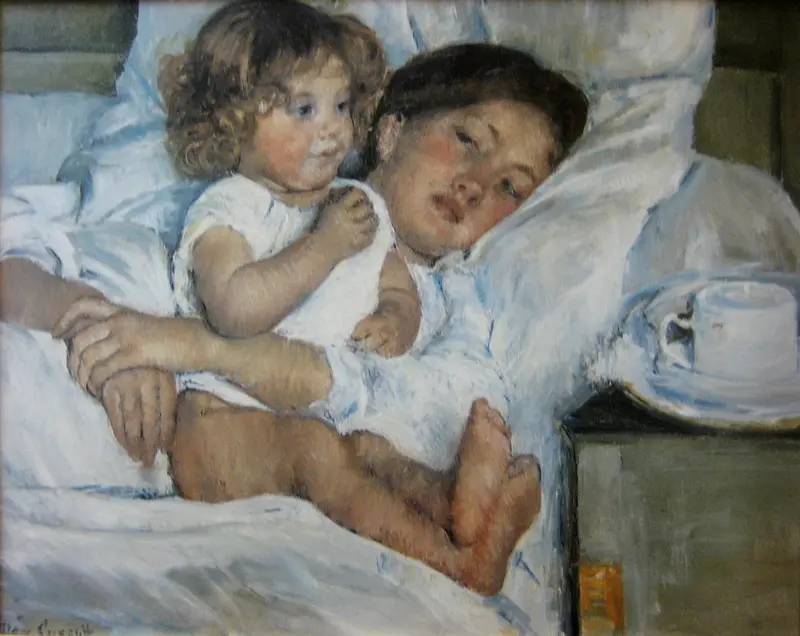
Breakfast in Bed
Mary Cassatt

Mother and Child (Baby Getting Up from His Nap)
Mary Cassatt
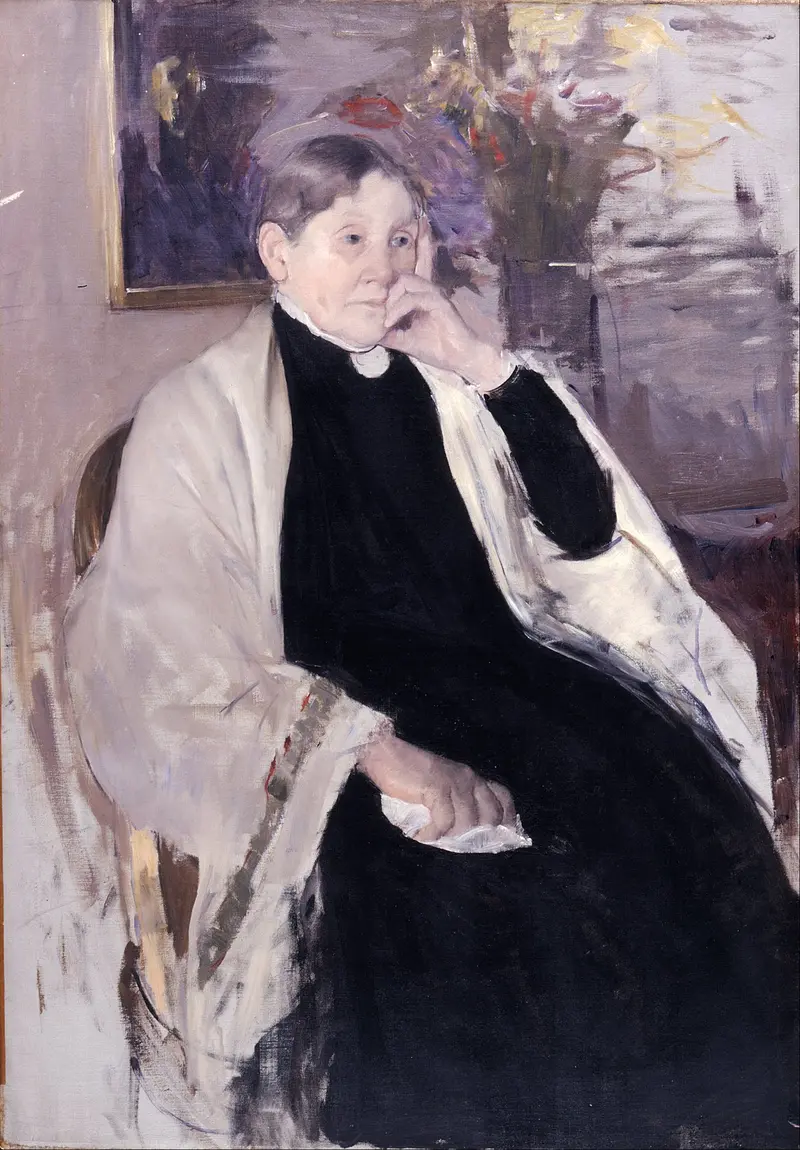
Mrs. Robert S. Cassatt, the Artist's Mother
Mary Cassatt
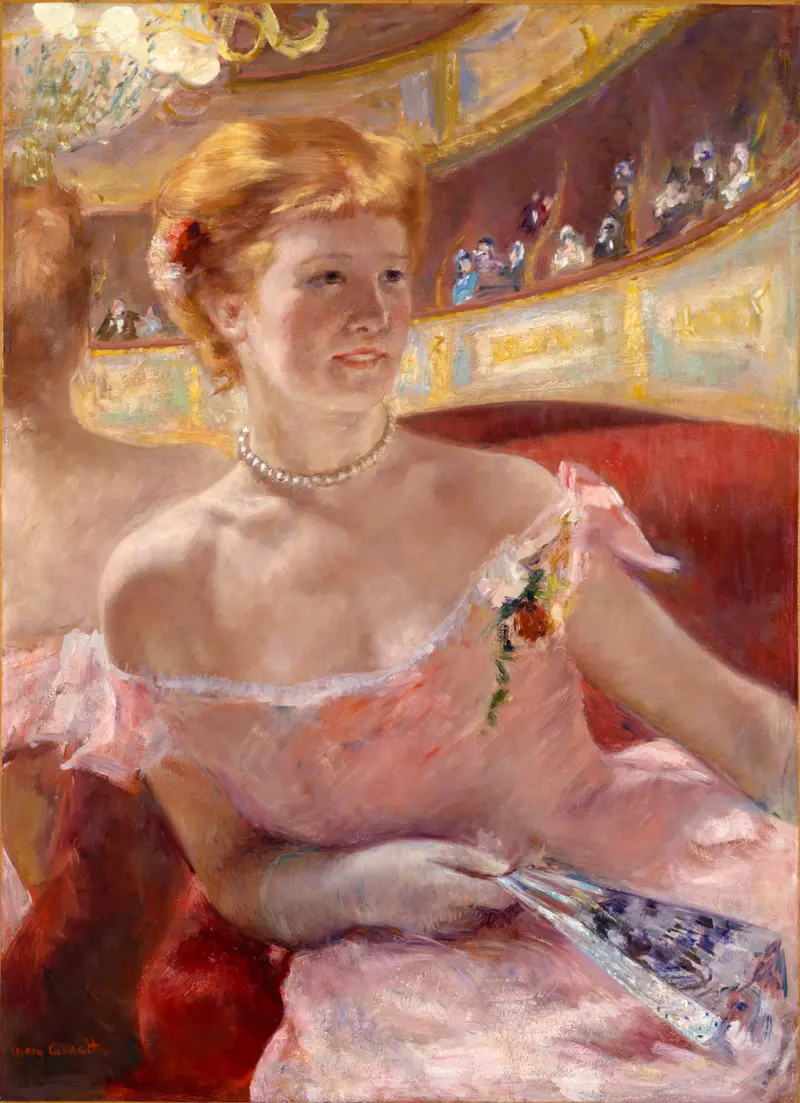
Woman with a Pearl Necklace in a Loge
Mary Cassatt
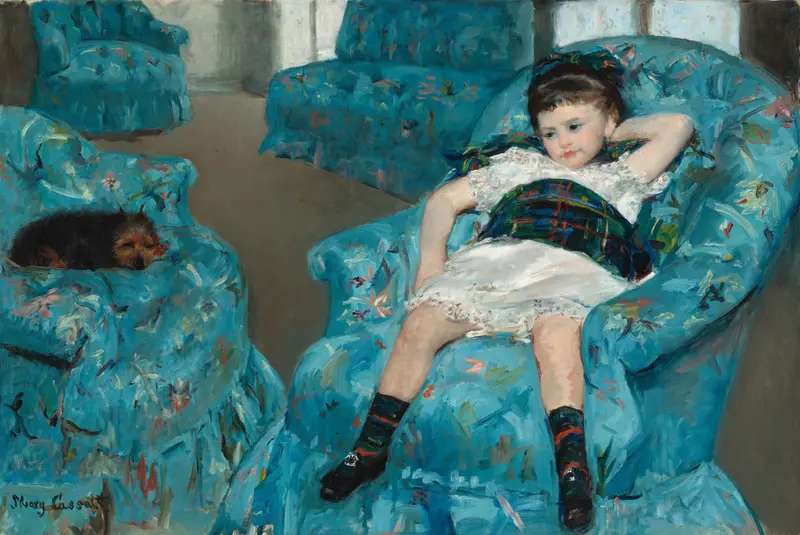
Little Girl in a Blue Armchair
Mary Cassatt
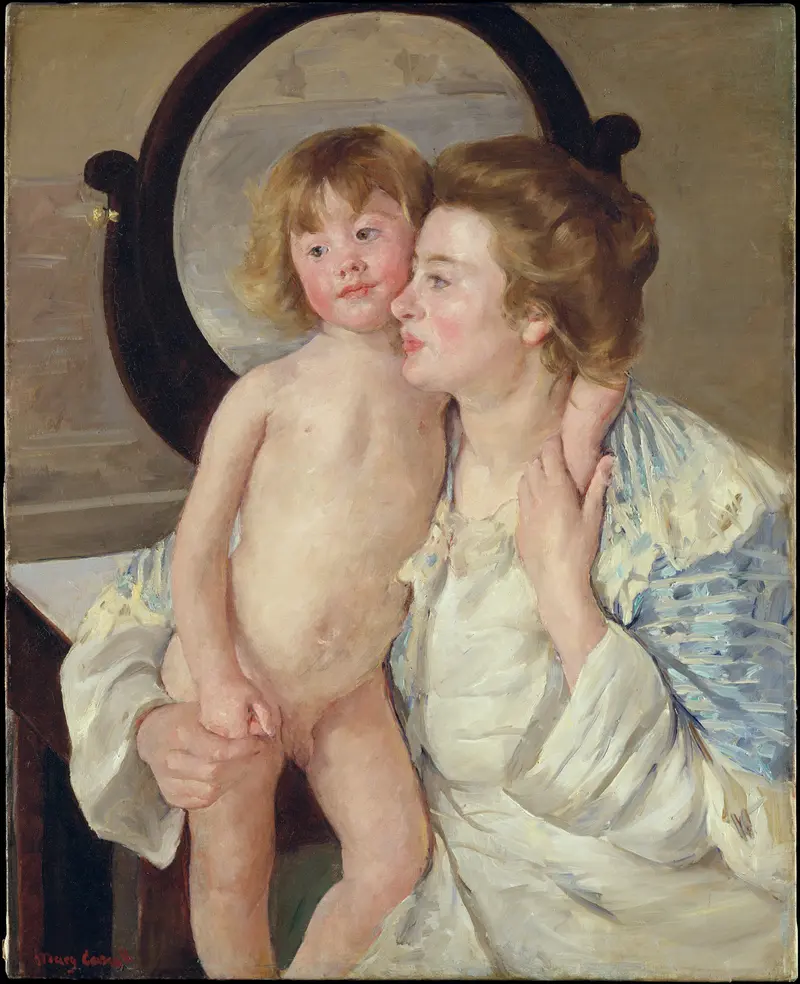
Mother and Child (The Oval Mirror)
Mary Cassatt
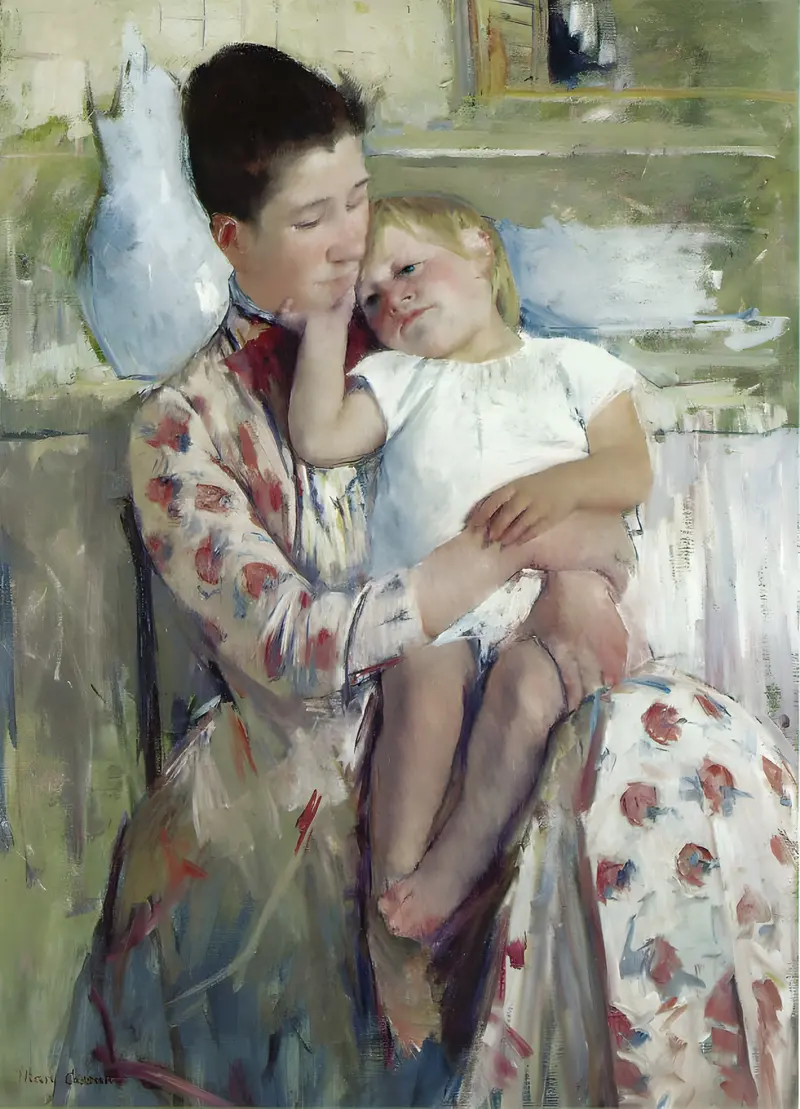
Mother and Child
Mary Cassatt
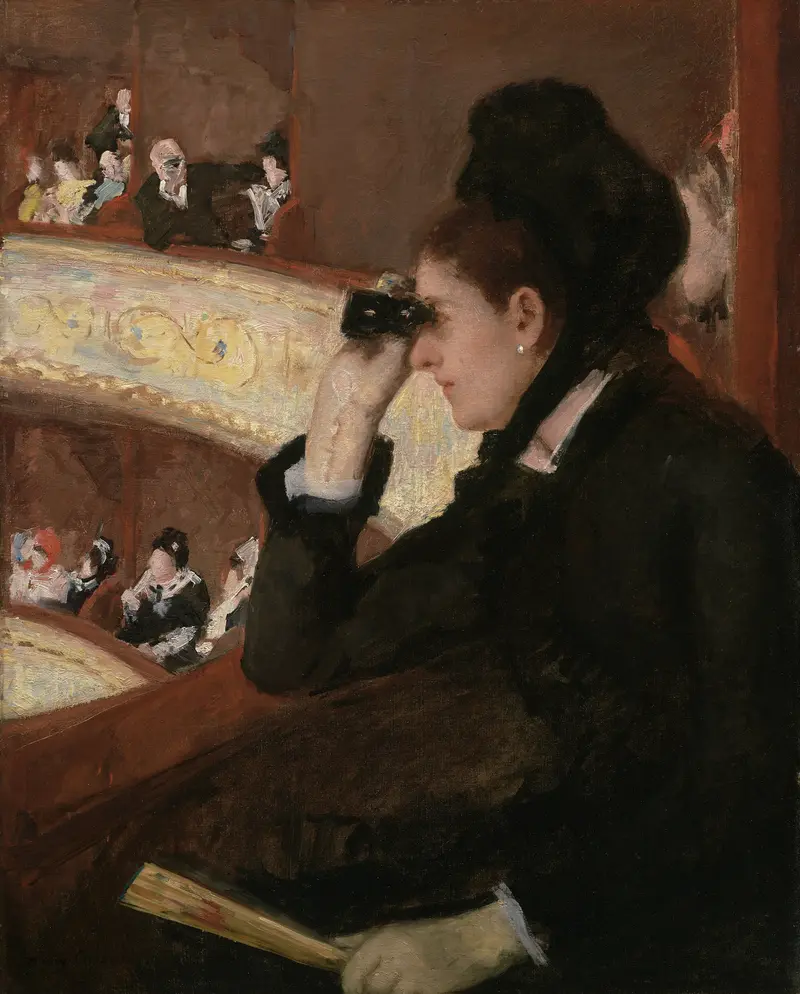
In The Loge
Mary Cassatt
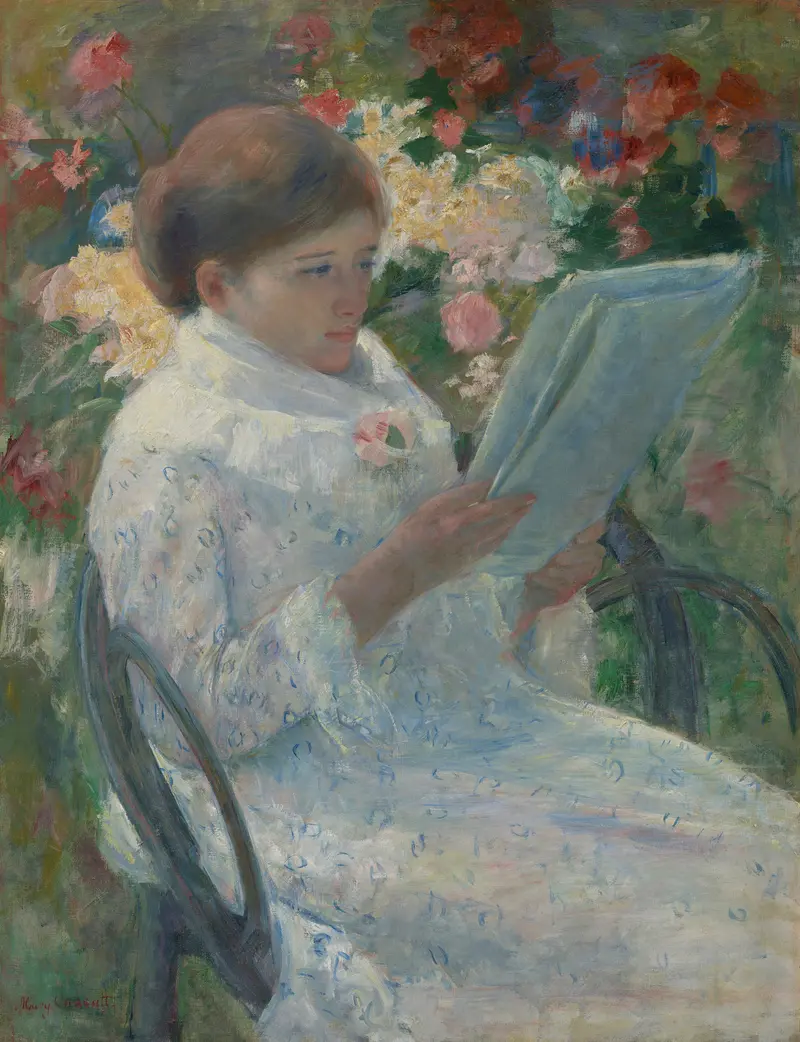
On a Balcony
Mary Cassatt
More Genre Scene Art

Banquet of the Officers of the St George Civic Guard
Frans Hals

Rembrandt and Saskia in the Scene of the Prodigal Son
Rembrandt van Rijn

Bal du moulin de la Galette
Pierre-Auguste Renoir

Quadrille at the Moulin Rouge
Henri de Toulouse-Lautrec

A Burial at Ornans
Gustave Courbet

When Will You Marry?
Paul Gauguin