
The Circumcision — History & Facts
No other subject in the life of Christ appears so rarely in Italian Renaissance painting as the moment of his circumcision, yet Giovanni Bellini chose to depict it at least once, and possibly more. The scarcity of this theme makes The Circumcision a curiosity in Bellini’s career, especially as the ritual marked not only Jesus’s entry into the Jewish faith but also the first shedding of his blood—a prelude to the Crucifixion. The painting’s date and original setting remain uncertain, but its focus on this intimate, ritual act signals a moment when Venetian artists began to probe the emotional depths of sacred stories, moving beyond grand altarpieces toward scenes of quiet intensity. In The Circumcision, Bellini selects the instant when the infant Christ is presented at the temple, surrounded by Mary, Joseph, and the officiating priest.
The child’s vulnerability is heightened by the gentle, almost hesitant gestures of the adults, their faces a study in reverence and apprehension. The priest’s hands, poised with the ritual knife, are rendered with a delicacy that underscores the gravity of the act. The composition draws the eye to the white cloth cradling the child—a symbol of purity—while the soft, golden light envelops the figures, suggesting divine presence.
Compared to Mantegna’s more dramatic and sculptural treatments of sacred rites, Bellini’s approach is intimate, inviting the viewer into a private moment of faith and foreboding. The painting’s provenance is uncertain, as no contemporary records confirm its first owner or original location; it may have been intended for a private chapel or confraternity devoted to the early life of Christ. Over the centuries, attribution has occasionally shifted between Bellini and his workshop, a common fate for works from his later period, when assistants often contributed to commissions. Today, The Circumcision is recognized as a testament to Bellini’s mature style, with its gentle modeling and luminous palette, and it stands as a rare Venetian meditation on a theme more commonly found in Northern European art.
Its survival allows us to glimpse both the devotional practices and artistic innovations of late fifteenth-century Venice.
More Artworks by Giovanni Bellini
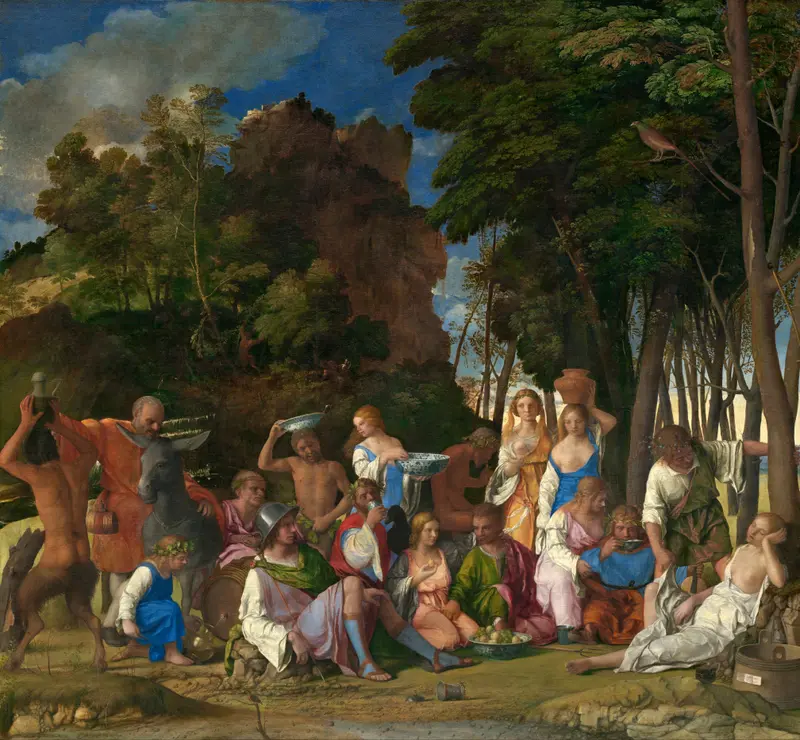
The Feast of the Gods
Giovanni Bellini

Madonna and Child enthroned with Saints and Angels
Giovanni Bellini
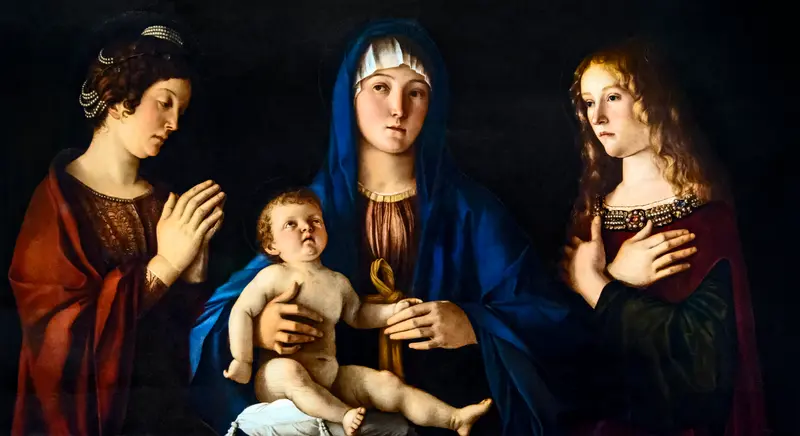
Madonna and Child between Saints Catherine and Mary Magdalene
Giovanni Bellini
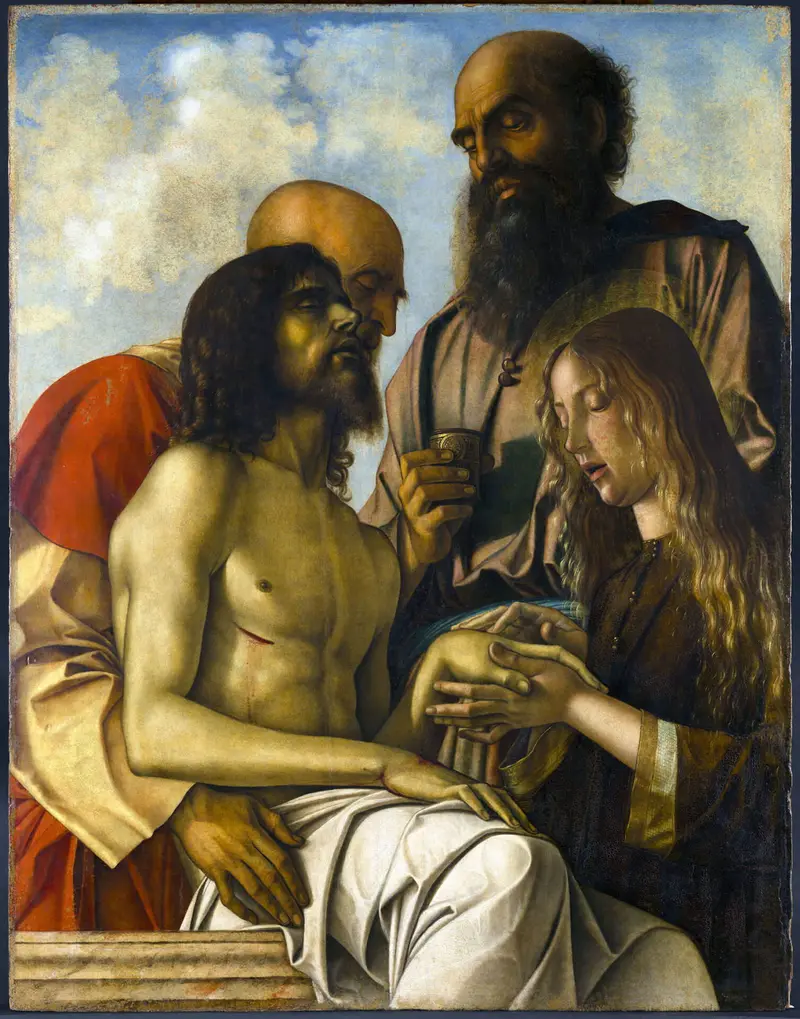
Lamentation over the Dead Christ
Giovanni Bellini
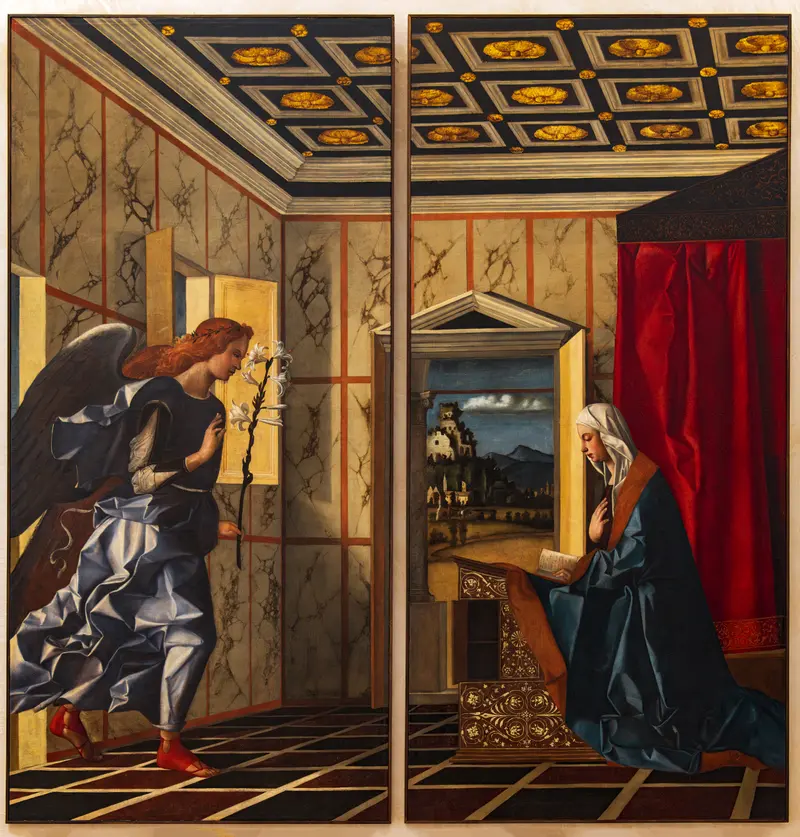
Annunciation
Giovanni Bellini
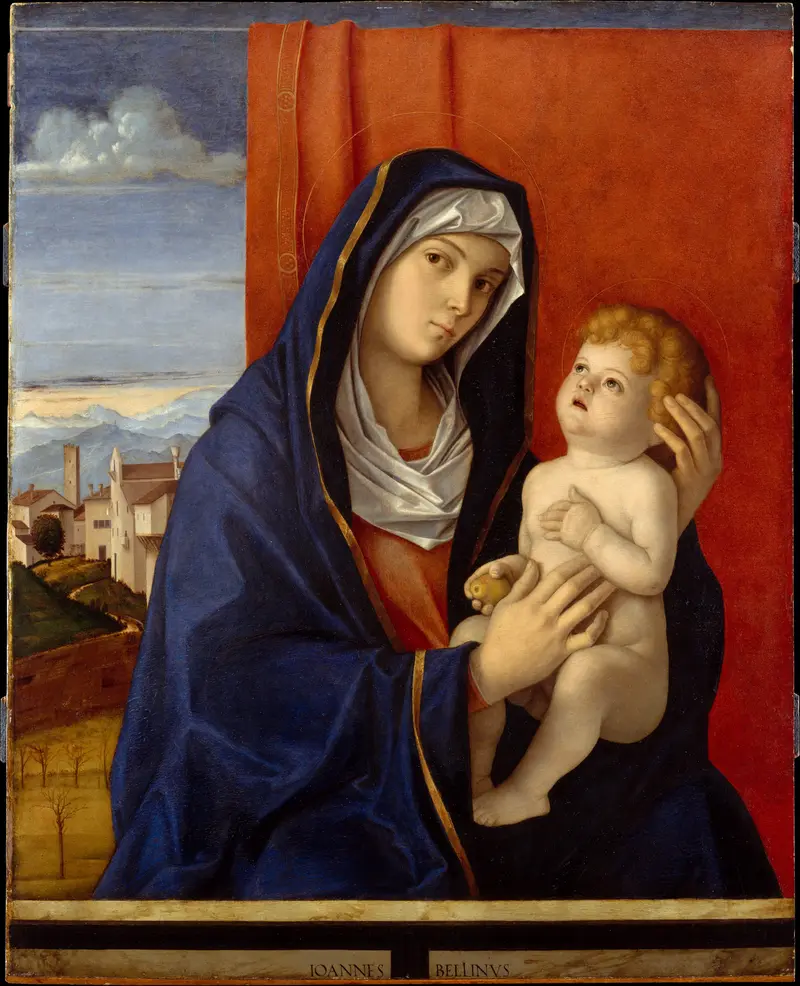
Madonna and Child
Giovanni Bellini
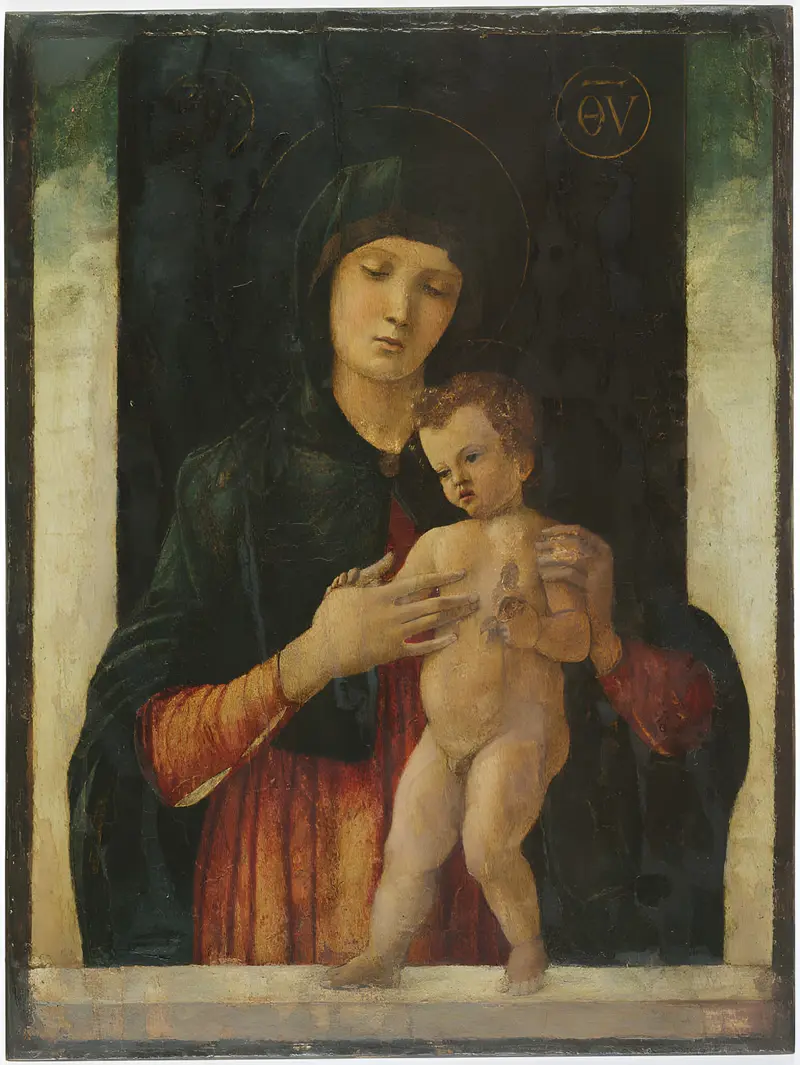
The Virgin and Child
Giovanni Bellini
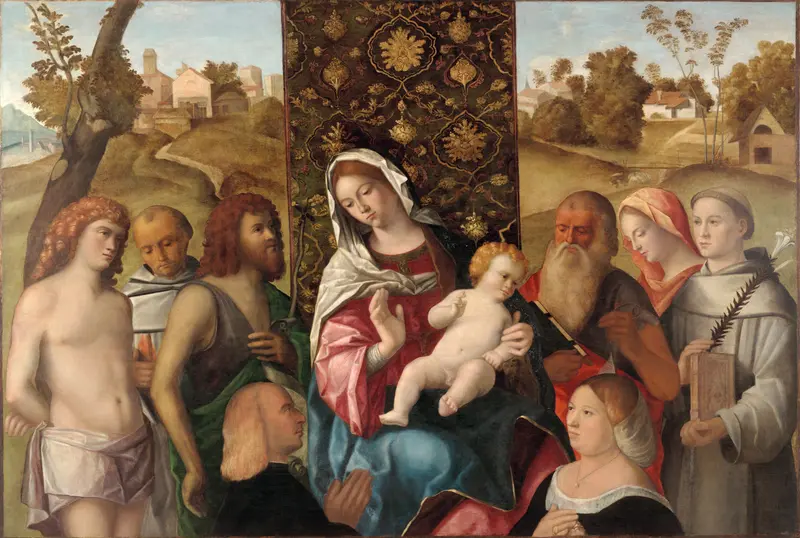
Virgin and Child with Saints Sebastian, Francis, John the Baptist, Jerome, an unidentified female saint, Saint Anthony of Padua and two donors
Giovanni Bellini
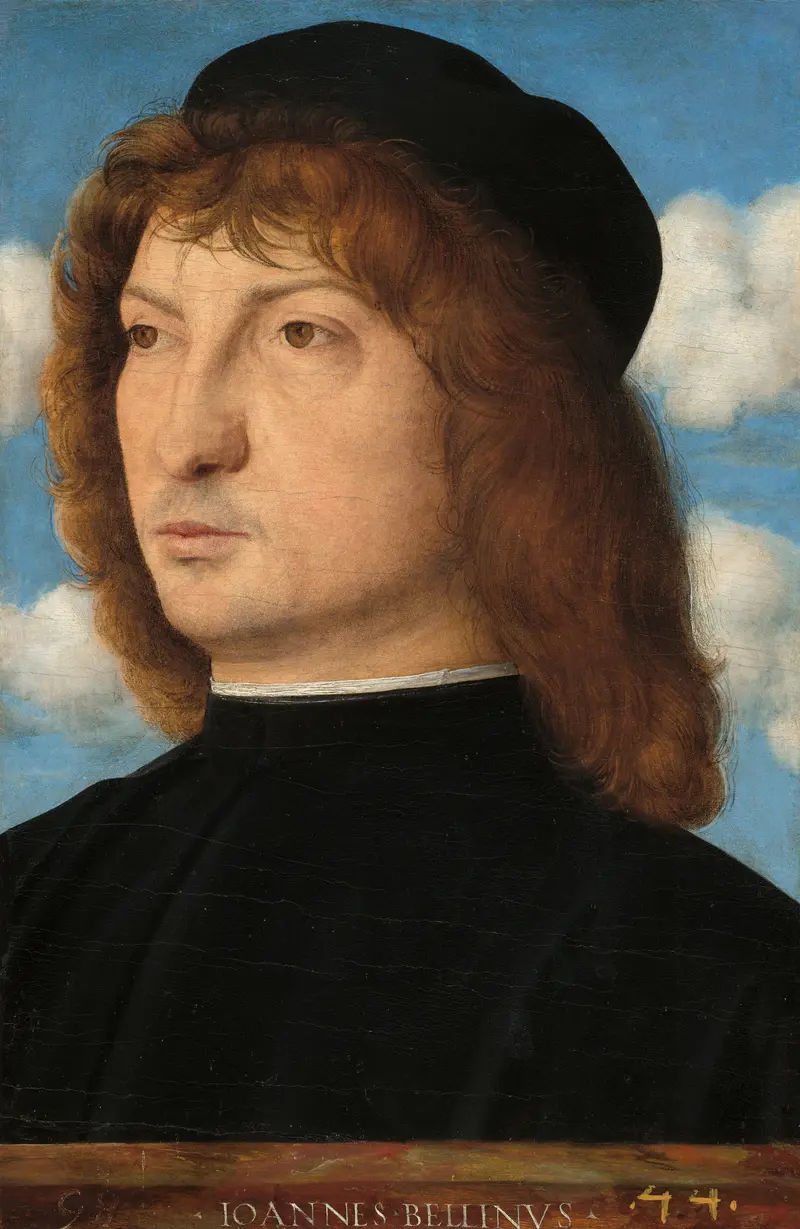
Portrait of a Venetian Gentleman
Giovanni Bellini
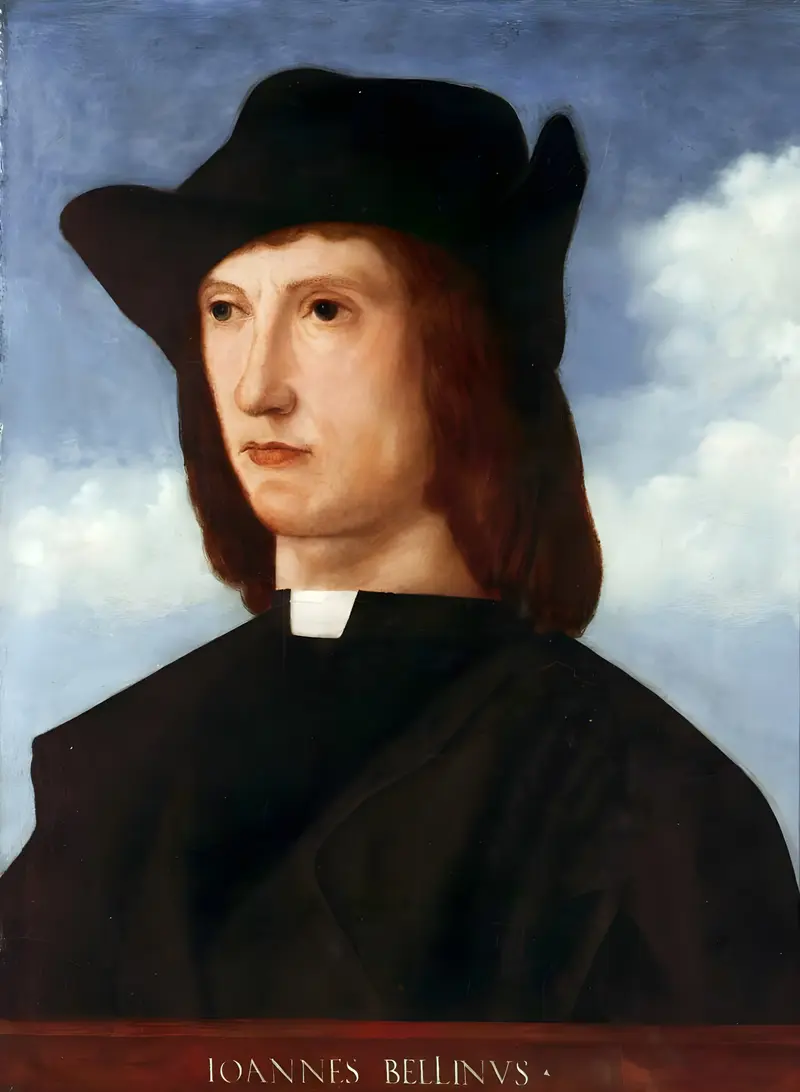
Portrait of a Young Man
Giovanni Bellini





