The Clubfoot — History & Facts
What first catches the eye is not the boy’s twisted foot, but his irrepressible grin. Standing boldly in the foreground, he meets the viewer’s gaze with a smile that is as direct as it is unexpected, his body angled with a sense of movement and purpose. The staff slung over his shoulder and the scrap of paper in his hand—its message partially legible—suggest a life lived on the road, perhaps as a beggar or traveler.
The rough brown tunic, the bare, calloused feet, and the rope binding his ankle speak of hardship, yet the light falling across his face and the open sky behind him lift the mood. Ribera’s brushwork lingers lovingly on the boy’s features, capturing not only the details of his condition but the spark of individuality and resilience. Painted in 1642, this work belongs to a period when artists across Europe, especially in Spain and Italy, turned their attention to the everyday lives of the poor and marginalized. In the world of seventeenth-century painting, such images were both a meditation on charity and a demonstration of the artist’s ability to find dignity in the overlooked.
Jusepe de Ribera was renowned for his unsparing realism and his fascination with the human body in all its forms, often choosing subjects at the edges of society. Now in the Louvre, The Clubfoot stands as a testament to this era’s shifting values—where even a beggar boy, painted with such care and presence, could command the center of the canvas and, centuries later, the attention of anyone who meets his gaze.
More Artworks by Jusepe de Ribera

Saint Francis of Paola
Jusepe de Ribera

Penitent Saint Peter
Jusepe de Ribera
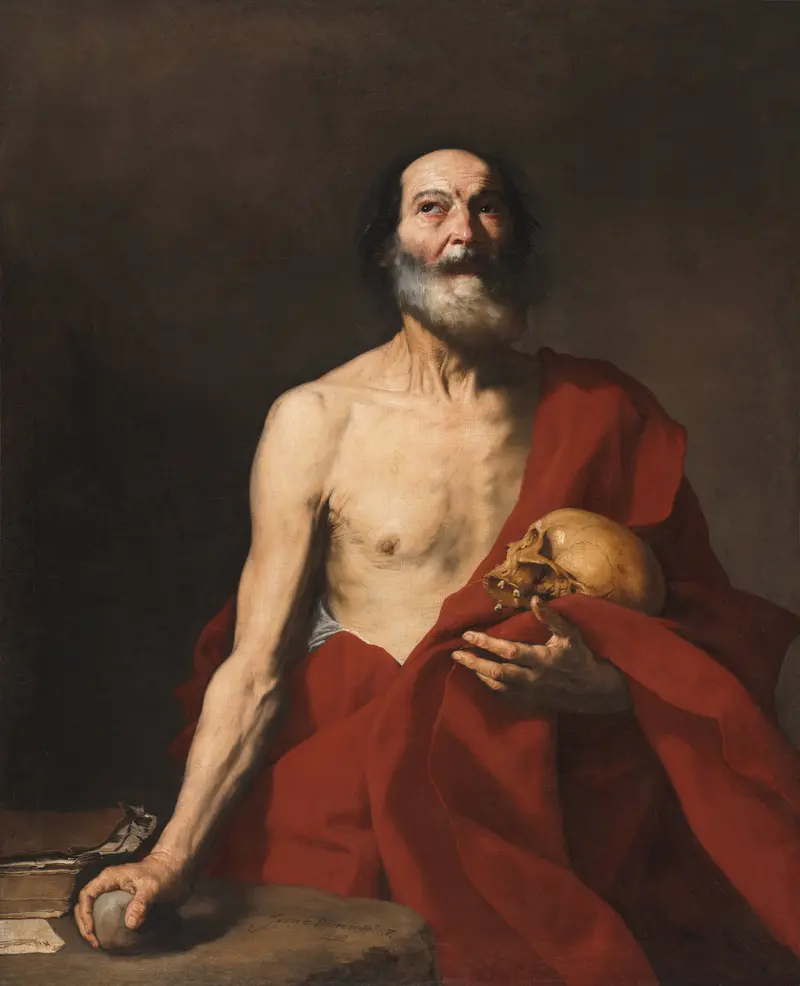
Saint Jerome
Jusepe de Ribera
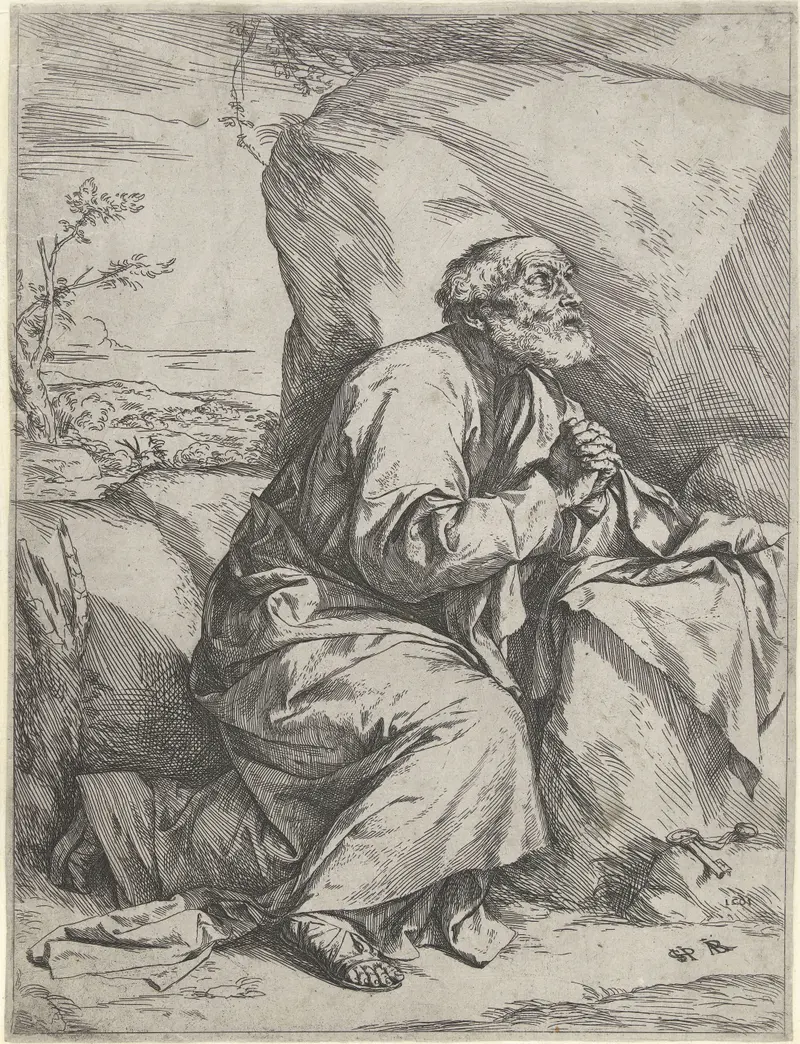
Boetvaardige Petrus
Jusepe de Ribera
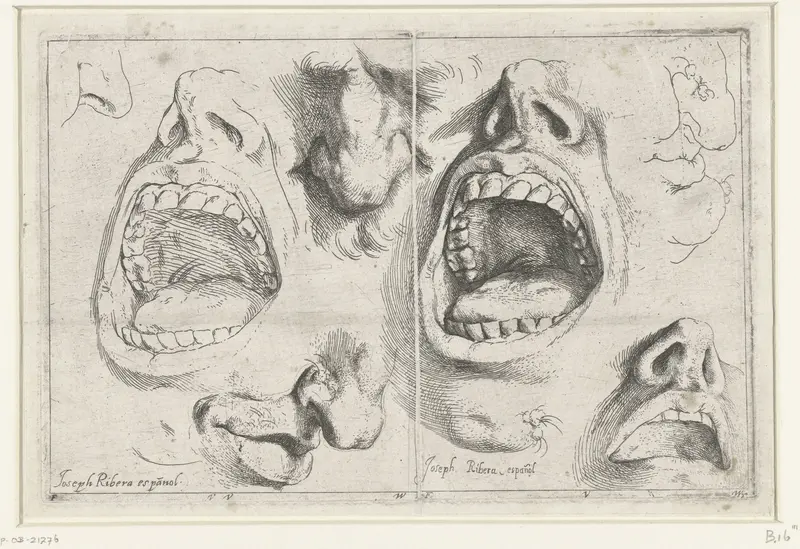
Studies van neus en mond
Jusepe de Ribera
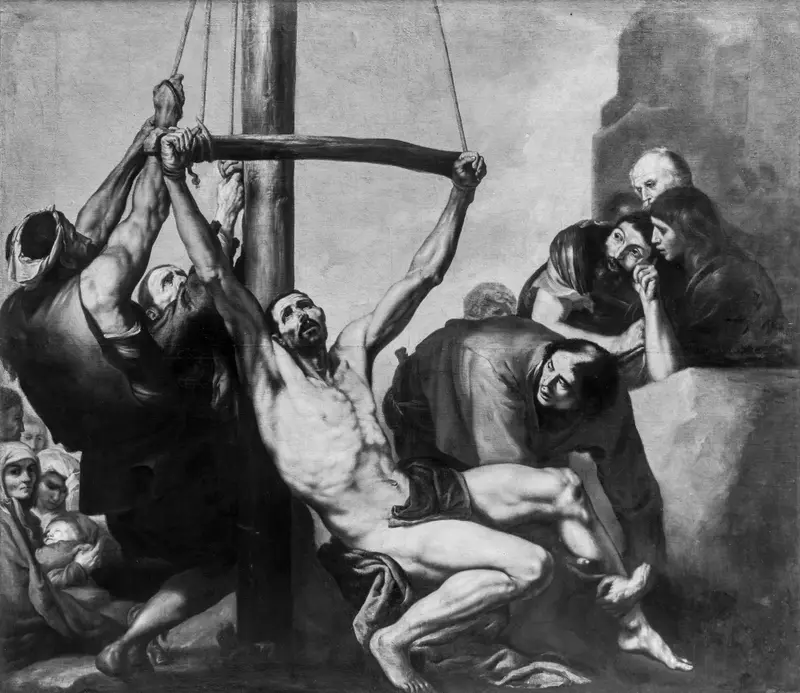
The Martyrdom of Saint Bartholomew
Jusepe de Ribera
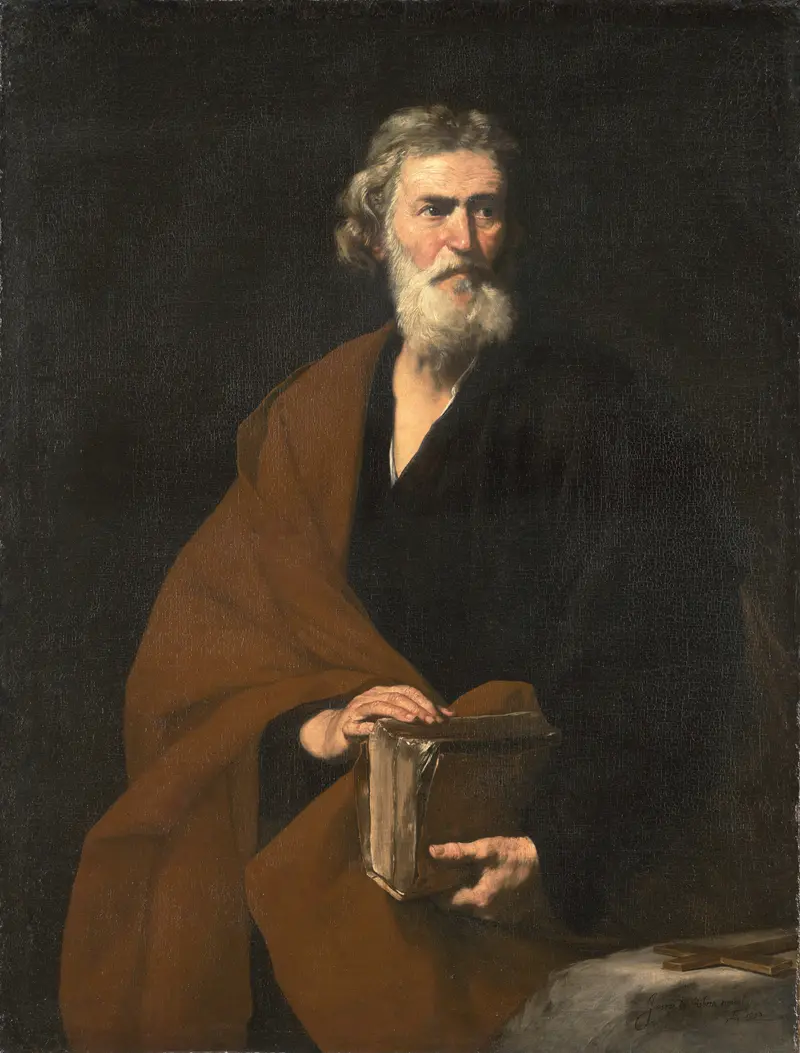
Saint Matthew
Jusepe de Ribera
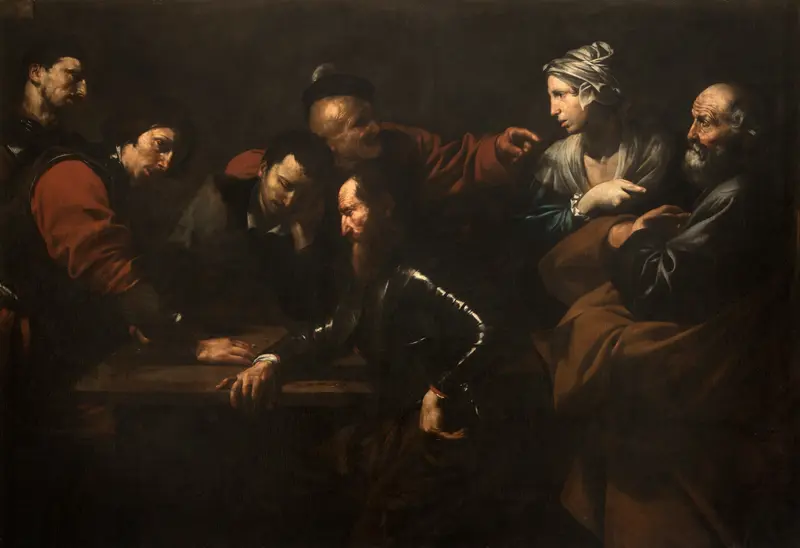
The Denial of Saint Peter
Jusepe de Ribera
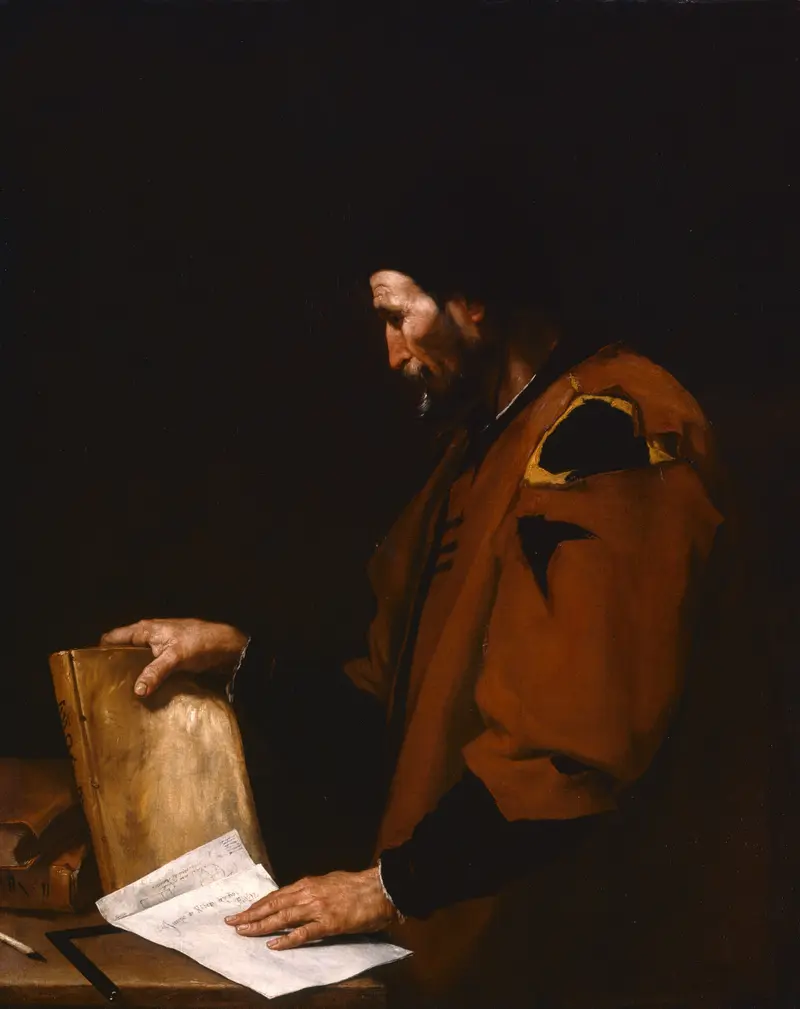
Aristotle
Jusepe de Ribera
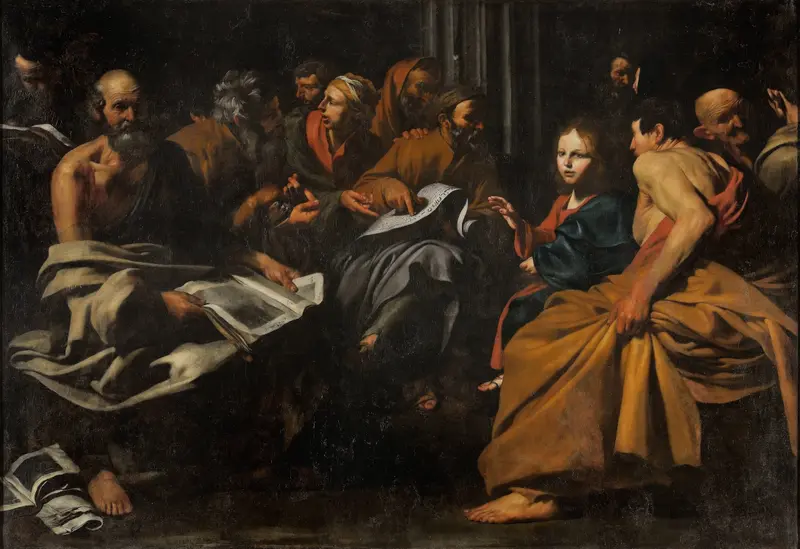
Christ among the doctors
Jusepe de Ribera