
The conversion of Paul, the Apostle — History & Facts
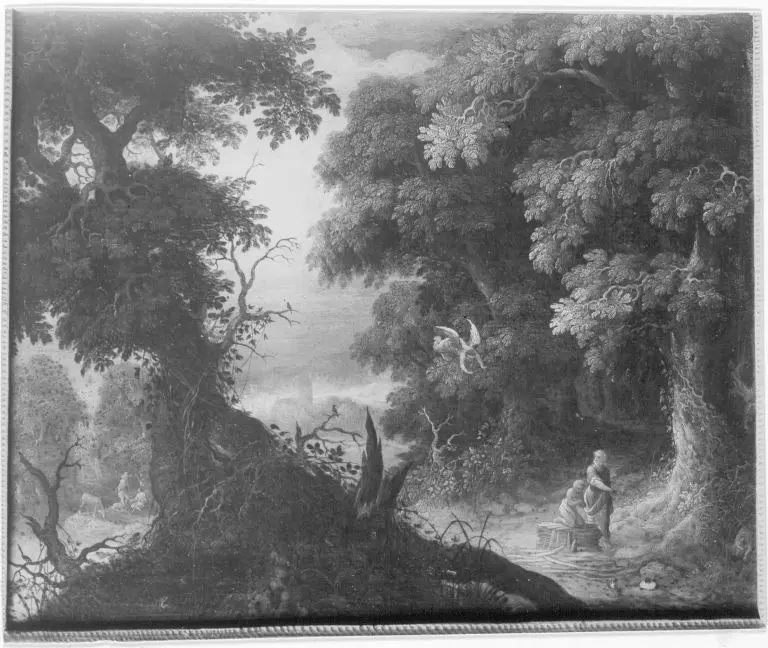
What first catches the eye in The conversion of Paul, the Apostle by Abraham Govaerts is the way the dense, shadowy forest nearly swallows the drama at its heart. The figures and horses erupt in a swirl of confusion at the lower center, their movement and gestures drawing the viewer into the moment of sudden revelation. The white horse, rearing and startled, becomes the axis of the scene, while the fallen figure—presumably Paul—lies illuminated by a shaft of cool light that breaks through the leafy canopy.
This interplay of darkness and illumination is not just decorative: it signals the spiritual awakening at the core of the story, the divine intervention cutting through earthly confusion. Painted in 1650, this work belongs to a Northern European tradition that delighted in embedding biblical narratives within lush, atmospheric landscapes. In the world of Abraham Govaerts, the forest is more than a backdrop; it is a living participant, its twisting branches and filtered light echoing the turmoil and transformation of the figures below. Such paintings were often commissioned by wealthy patrons eager to display both their piety and their taste for the latest in landscape innovation.
Today, the painting resides in the Art Museum Riga Bourse in Latvia, a reminder of how the grand dramas of faith were once imagined as sudden, almost hidden events in the midst of the everyday world—inviting us to look again, and perhaps to find the miraculous in the shadows.
More Artworks by Abraham Govaerts

Forest landscape
Abraham Govaerts
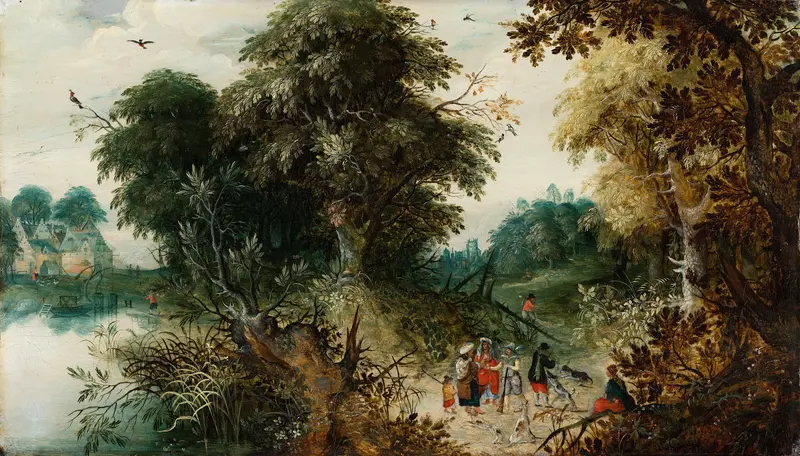
Forest View with Travellers
Abraham Govaerts
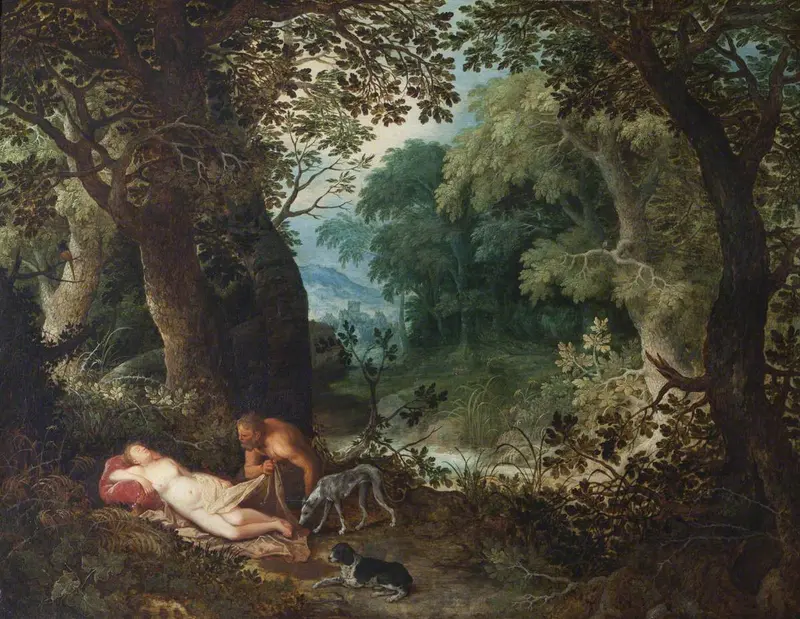
A Nymph and a Satyr
Abraham Govaerts
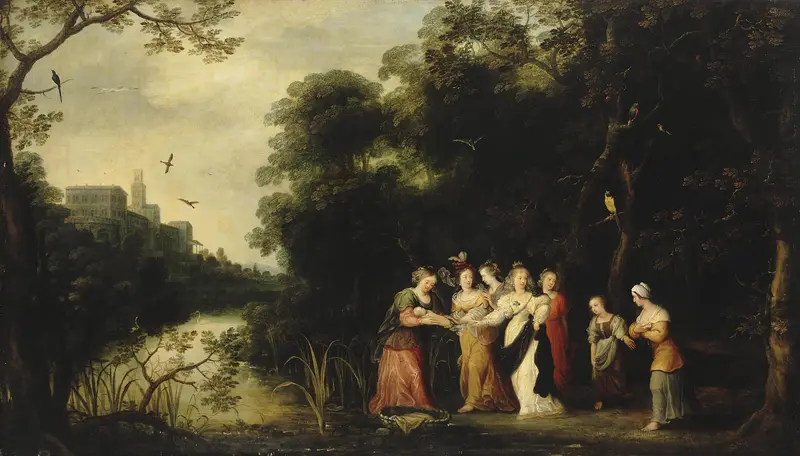
Finding of Moses
Abraham Govaerts
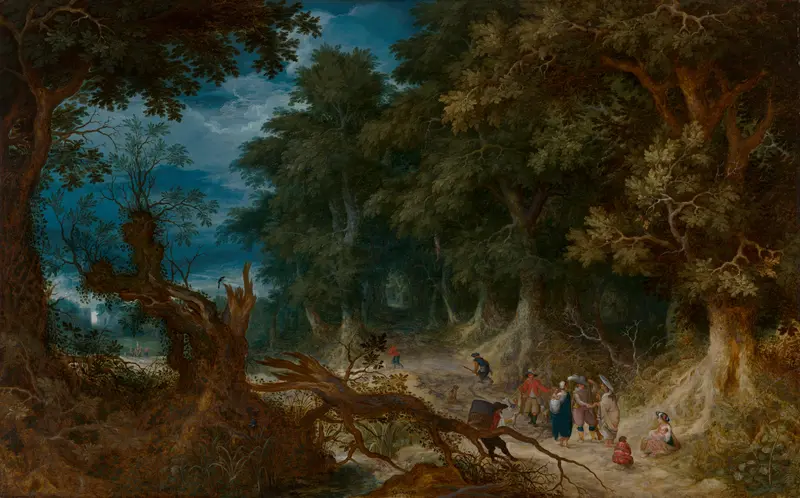
Wooded Landscape with Gipsy Women
Abraham Govaerts
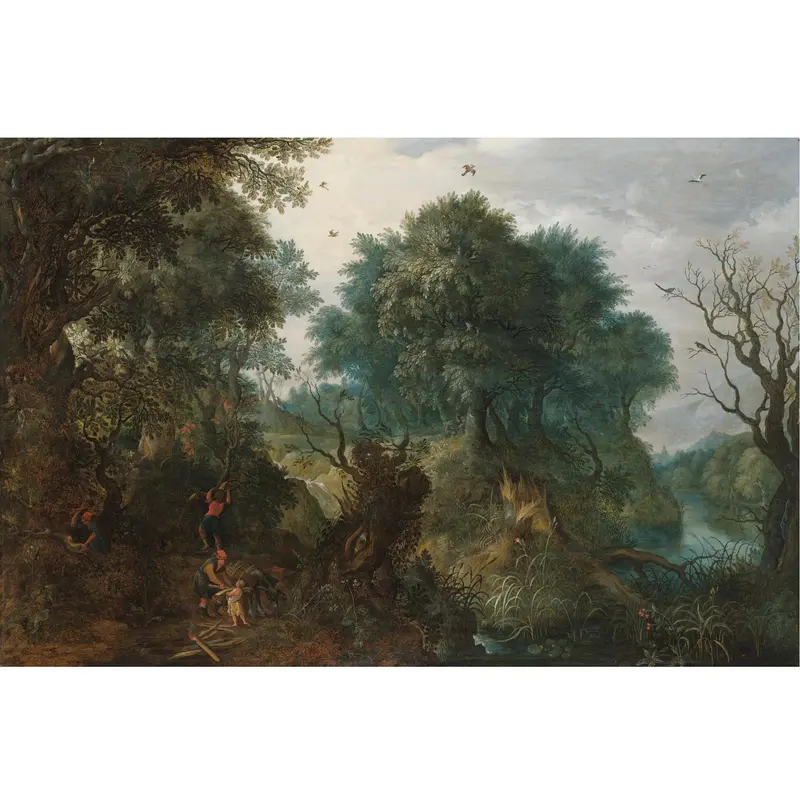
A Wooded Landscape with Woodcutters near a River
Abraham Govaerts
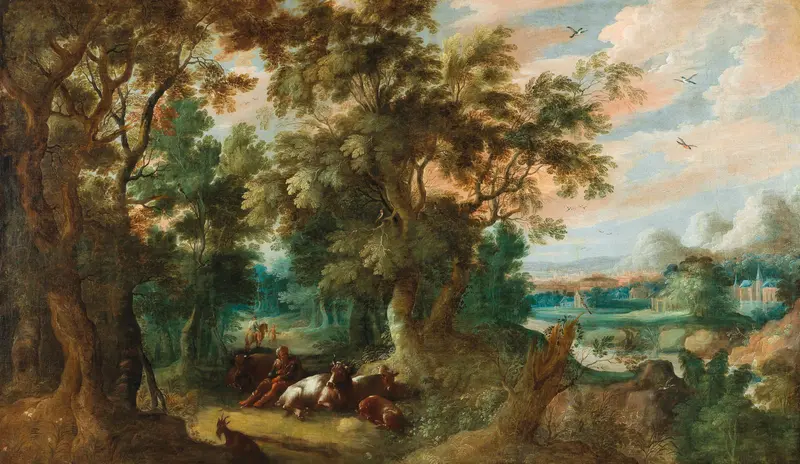
Wooded landscape with shepherds and their flock
Abraham Govaerts
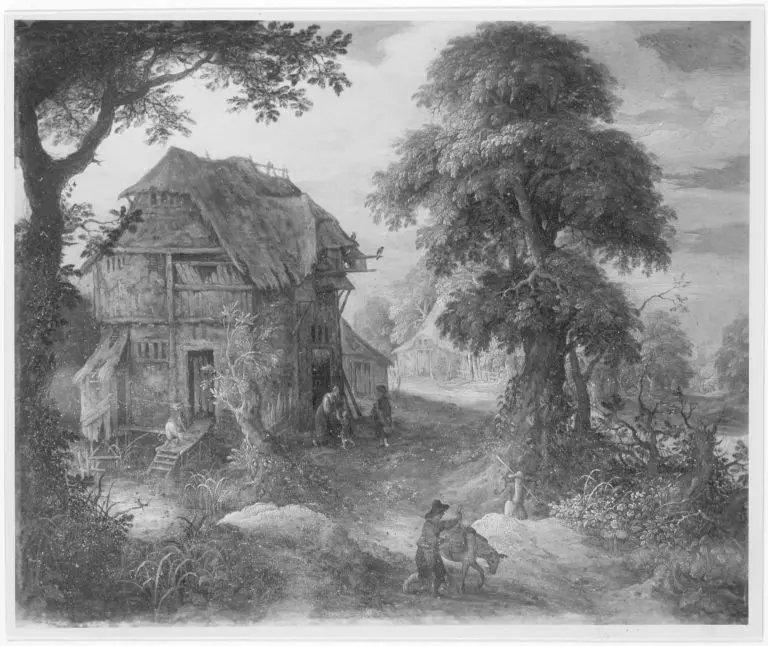
Dorf unter Bäumen
Abraham Govaerts
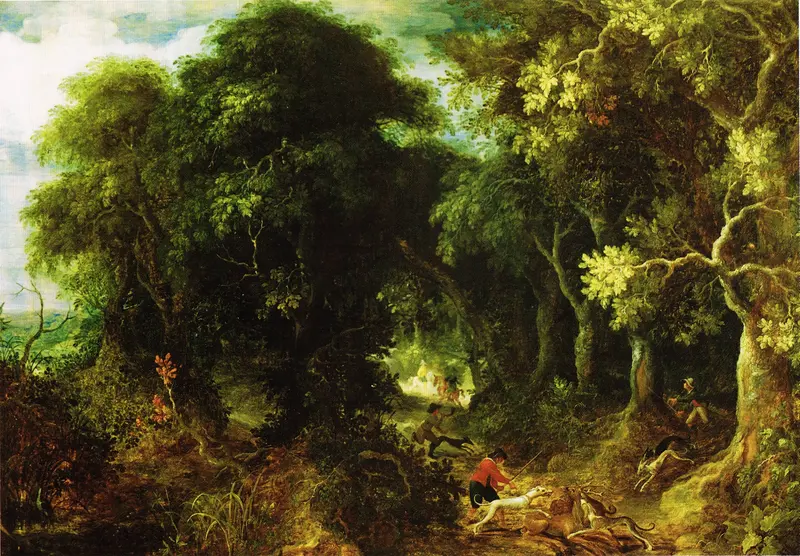
The Eternal Forest / Deer hunting
Abraham Govaerts
Wooded landscape with the sacrifice of Isaac (Genesis 22)
Abraham Govaerts





