
A Nymph and a Satyr — History & Facts
What first catches the eye is not the mythic encounter at the heart of the scene, but the enveloping forest itself—a world of tangled branches and filtered light, where human drama is almost swallowed by nature’s abundance. In the shaded foreground, a nymph lies asleep, her pale skin glowing against the earthier tones of the woodland floor, while a satyr, half-hidden among the leaves, leans in with a mix of curiosity and mischief, his hand tentatively lifting her drapery. The dogs at their feet, alert yet calm, seem to bridge the wildness of the satyr and the innocence of the sleeping figure.
The artist leads the viewer’s gaze from the intimate foreground to a distant, sunlit valley, suggesting a world beyond this charged moment. Every leaf and branch is rendered with patient care, heightening the tension between the stillness of nature and the imminent awakening of the nymph. Painted between 1600 and 1626, A Nymph and a Satyr by Abraham Govaerts belongs to a period when Flemish artists delighted in mythological scenes set within lush, meticulously painted landscapes. Such works were often commissioned for private homes, where they offered both sensual delight and a learned nod to classical antiquity.
Govaerts, known for his woodland settings, here demonstrates the era’s fascination with the interplay between myth and the natural world—a theme that flourished in the wake of the Renaissance. The painting now resides in a UK collection, a quiet testament to the enduring appeal of these woodland fantasies. Look again at the dappled light and the careful choreography of figures and foliage: every detail invites you deeper into this enchanted glade.
More Artworks by Abraham Govaerts

Forest landscape
Abraham Govaerts
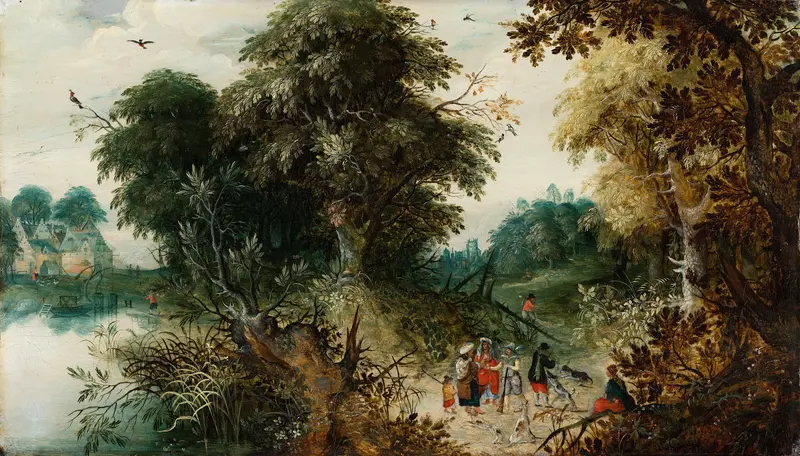
Forest View with Travellers
Abraham Govaerts
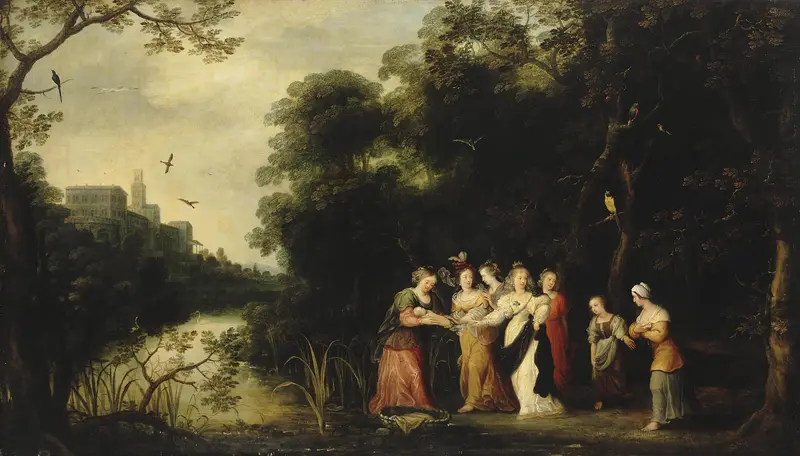
Finding of Moses
Abraham Govaerts
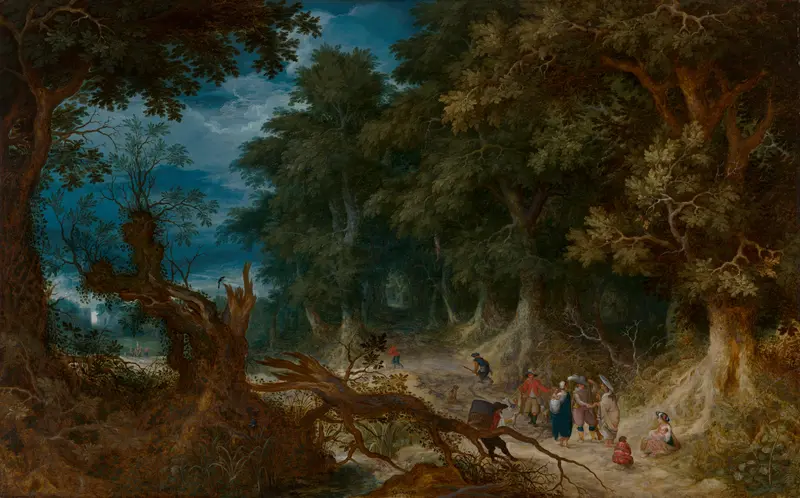
Wooded Landscape with Gipsy Women
Abraham Govaerts
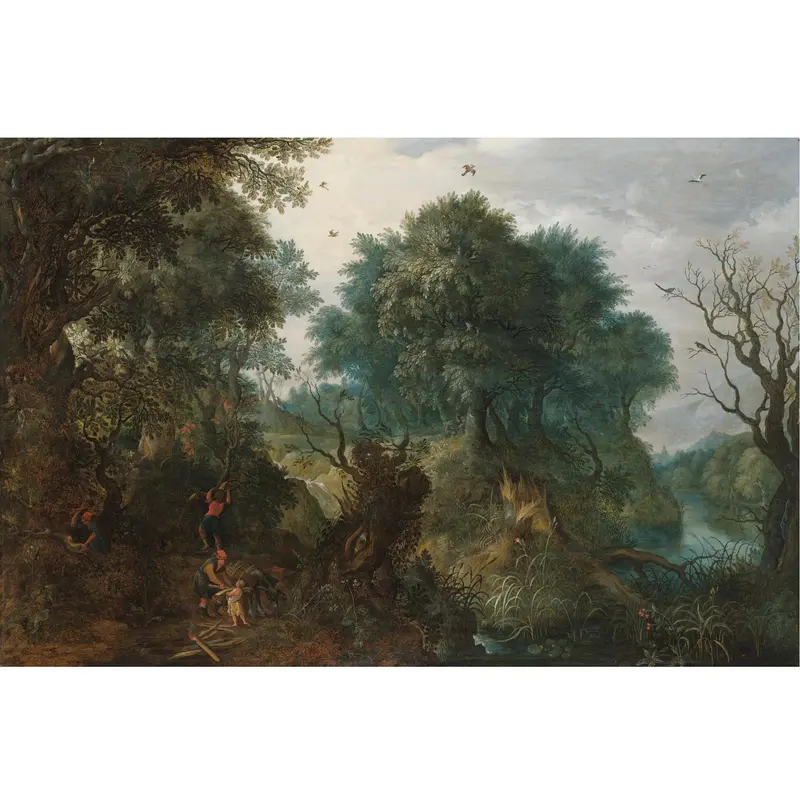
A Wooded Landscape with Woodcutters near a River
Abraham Govaerts
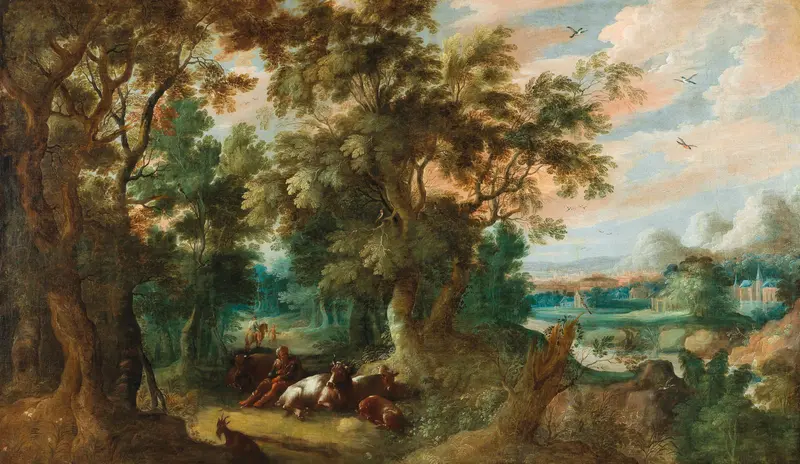
Wooded landscape with shepherds and their flock
Abraham Govaerts
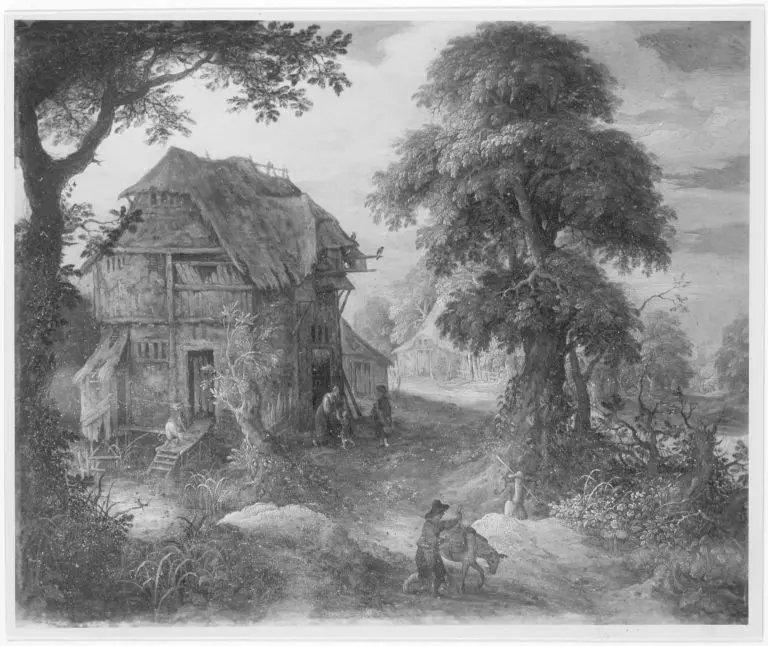
Dorf unter Bäumen
Abraham Govaerts
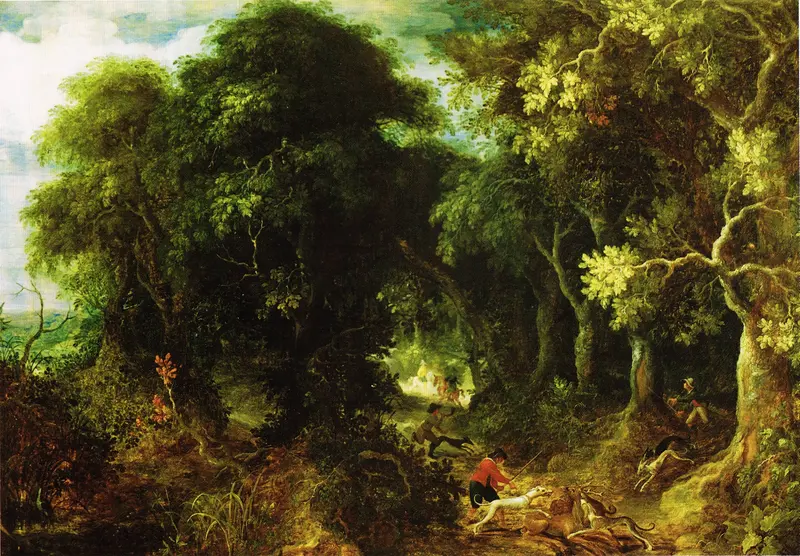
The Eternal Forest / Deer hunting
Abraham Govaerts
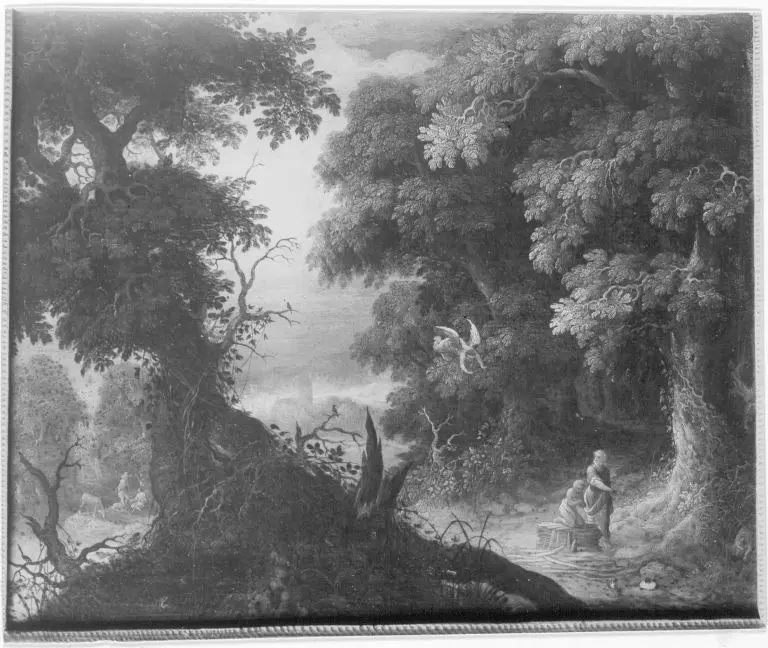
Wooded landscape with the sacrifice of Isaac (Genesis 22)
Abraham Govaerts
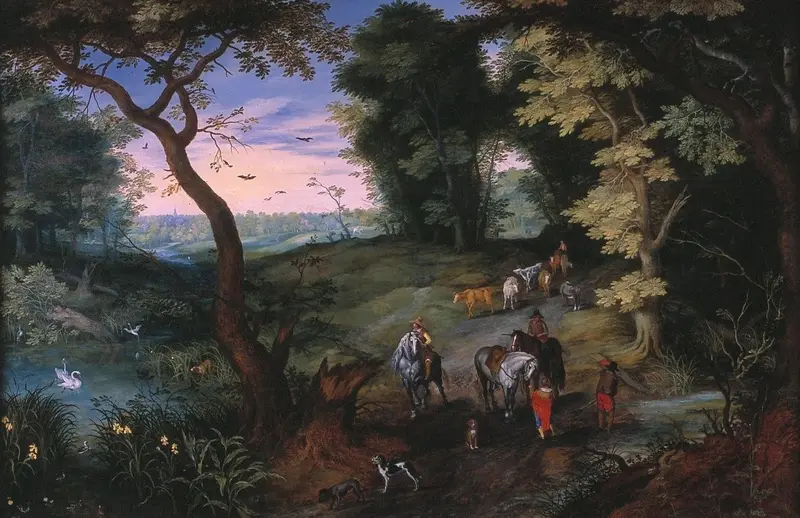
Landscape with Horsemen and Animals
Abraham Govaerts





