
Wooded Landscape with Gipsy Women — History & Facts
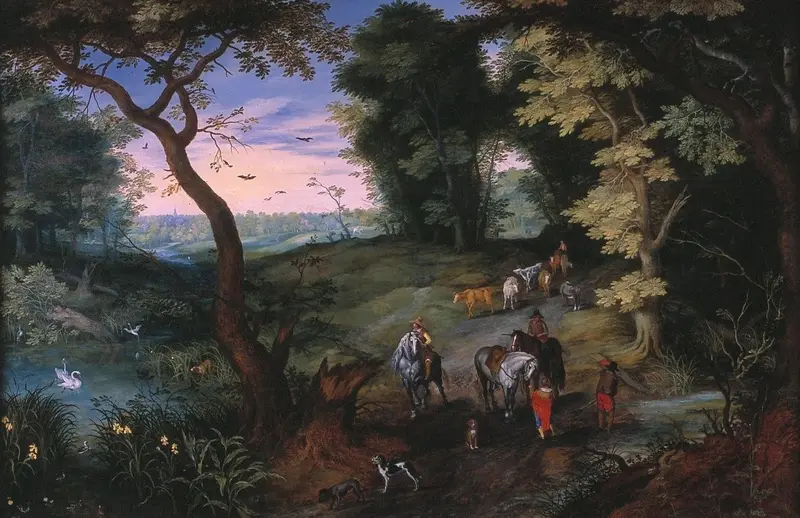
A winding forest path draws the viewer deep into the heart of Wooded Landscape with Gipsy Women, where the drama of light and shadow is as compelling as the gathering of figures themselves. The towering trees, rendered with painstaking detail, create a living vault overhead, their trunks and branches framing a scene of encounter and movement. At the center, a group of women—distinguished by their vibrant clothing and the attention they command—stand out against the muted earth tones, their presence both a focal point and a mystery.
The fallen tree in the foreground, gnarled and almost sculptural, acts as a threshold between the viewer and the world within the painting, while the winding path and scattered figures invite the eye to wander and linger. The blue-tinged sky glimpsed through the foliage suggests a fleeting moment, caught between day and dusk, lending the scene a sense of anticipation. Works like this, painted in 1612 by Abraham Govaerts, belong to a flourishing tradition of Flemish landscape painting that emerged in the early seventeenth century. These paintings were prized by collectors for their ability to conjure both the majesty of nature and the everyday life that unfolded within it.
Govaerts, known for his woodland scenes, often peopled his forests with travelers, peasants, and—here—figures identified as “gipsy women,” reflecting contemporary fascination with the exotic and the itinerant. The painting now resides in the Mauritshuis, a reminder of how such works once offered their viewers a window onto both the familiar forests of the Low Countries and the imagined lives of those who passed through them. The longer you look, the more the forest seems to close in, and the more the story within it deepens.
More Artworks by Abraham Govaerts

Forest landscape
Abraham Govaerts
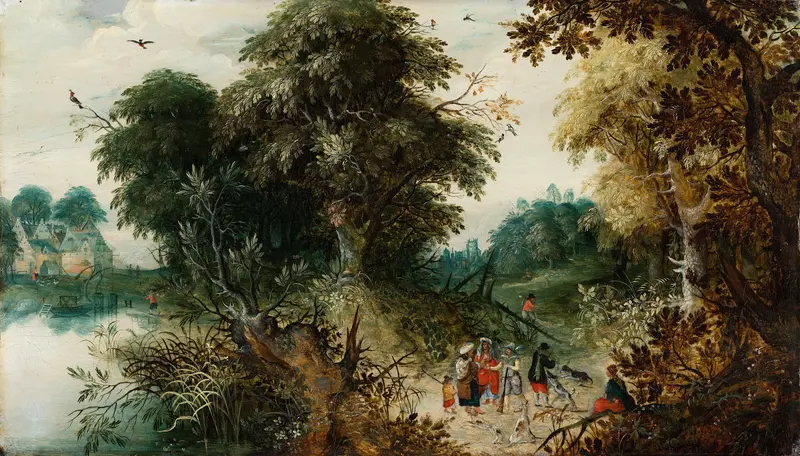
Forest View with Travellers
Abraham Govaerts
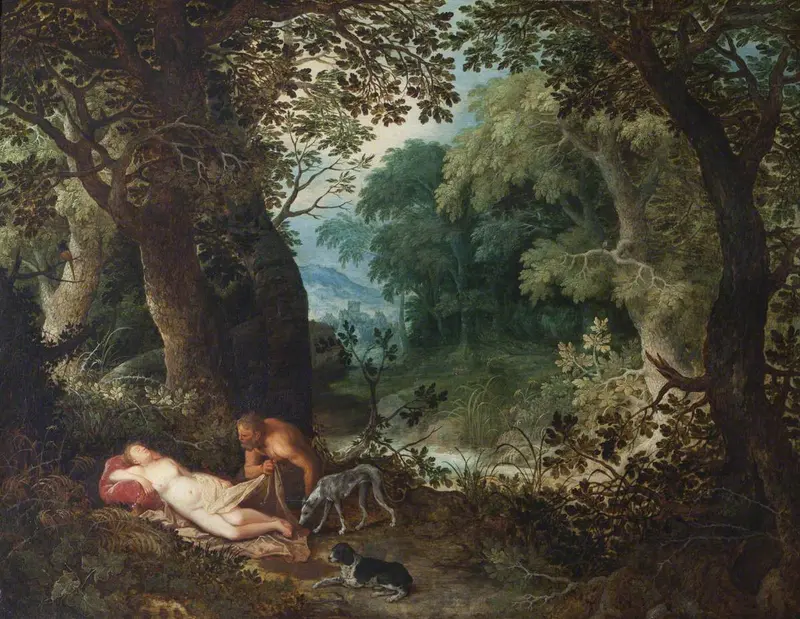
A Nymph and a Satyr
Abraham Govaerts
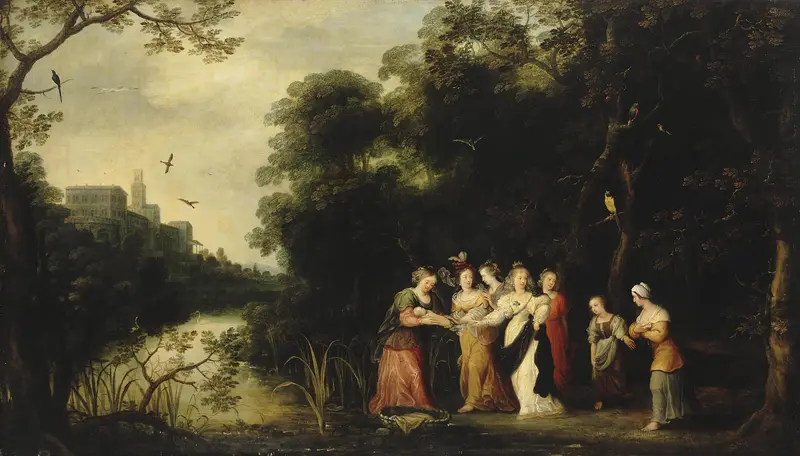
Finding of Moses
Abraham Govaerts
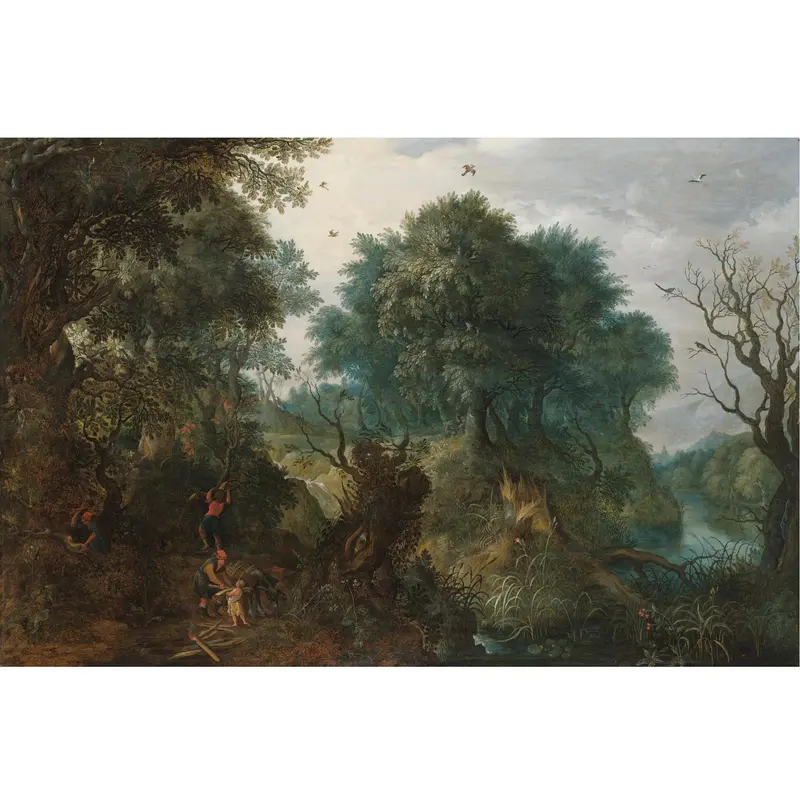
A Wooded Landscape with Woodcutters near a River
Abraham Govaerts
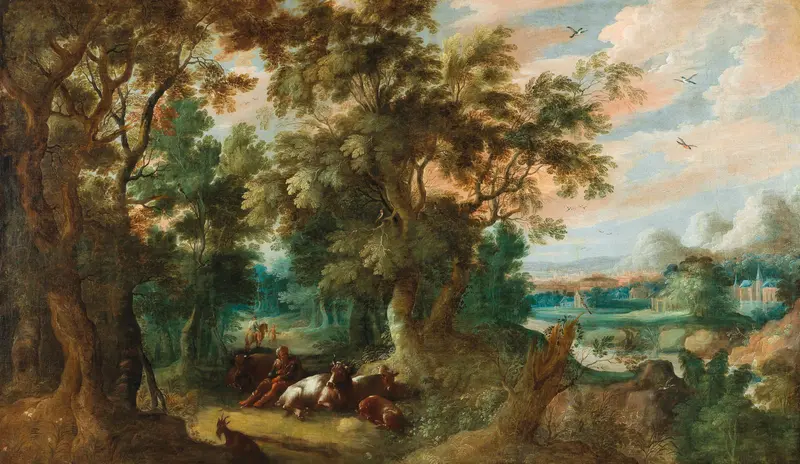
Wooded landscape with shepherds and their flock
Abraham Govaerts
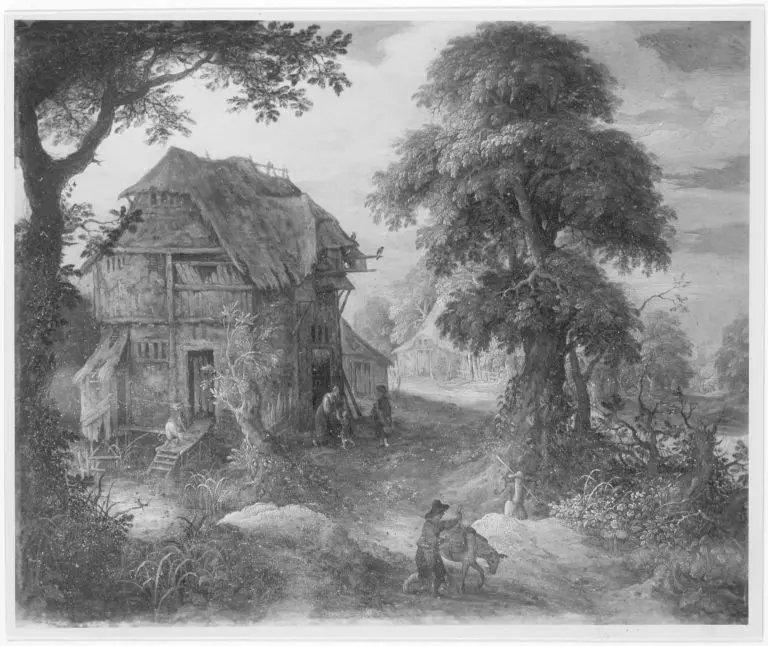
Dorf unter Bäumen
Abraham Govaerts
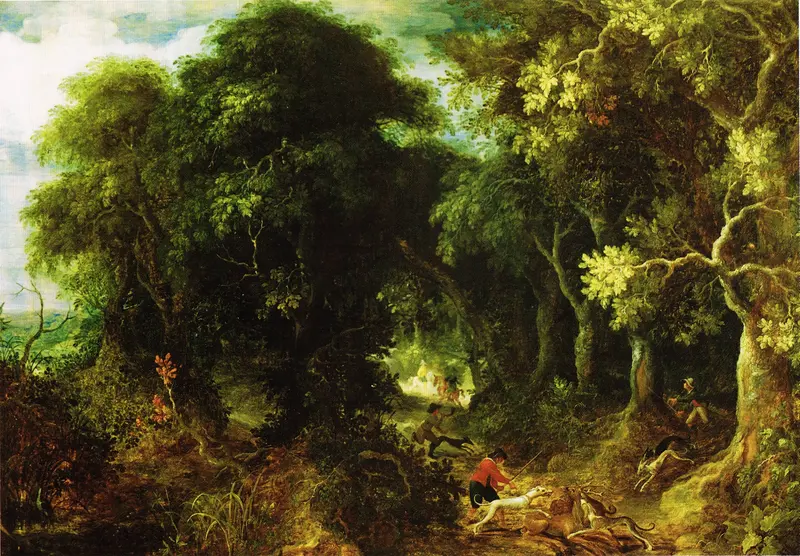
The Eternal Forest / Deer hunting
Abraham Govaerts
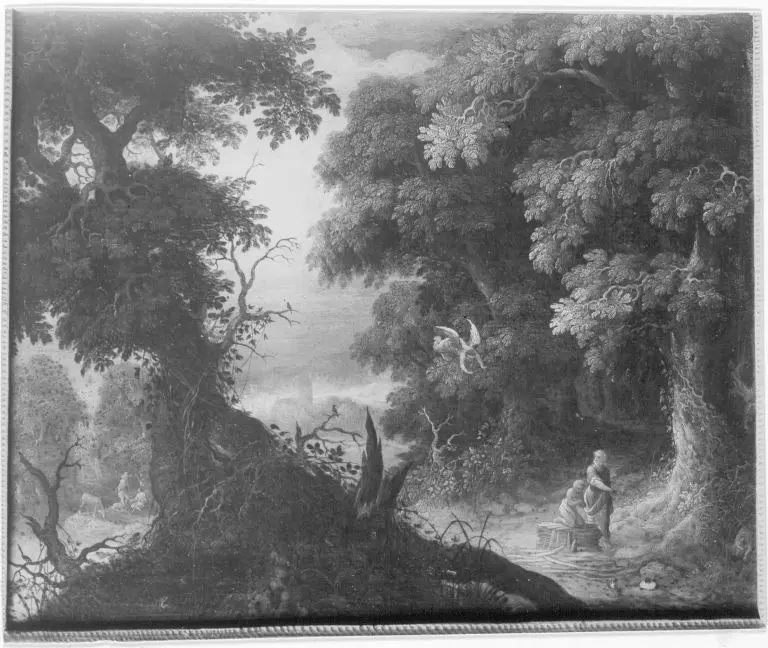
Wooded landscape with the sacrifice of Isaac (Genesis 22)
Abraham Govaerts
Landscape with Horsemen and Animals
Abraham Govaerts
More Landscape Art

The Starry Night
Vincent van Gogh

View of Delft
Johannes Vermeer

Water Lilies
Claude Monet

The Grand Canal, Venice, looking north-west from the Ca' Corner to the Ca' Contarini degli Scrigni, with the campanile of Santa Maria della Carità
Canaletto

Windsor Castle
Canaletto

The Grand Canal looking North-East from the Palazzo Dolfin-Manin to the Rialto Bridge
Canaletto