
Wooded landscape with the sacrifice of Isaac (Genesis 22) — History & Facts
The first thing that draws the eye in Wooded landscape with the sacrifice of Isaac (Genesis 22) is not the biblical drama, but the sheer grandeur of the forest itself. The towering trees, their roots twisting and clutching the earth, command the scene with a wild authority, dwarfing the human figures nestled at their base. The artist, Abraham Govaerts, leads us through a shadowy woodland where shafts of light break through the dense canopy, guiding us to the moment of tension: Abraham and Isaac, paused in a clearing, as a white-robed angel swoops down in a burst of motion.
Every detail—the gnarled branches, the scattered rocks, the distant city—serves to heighten the sense of isolation and gravity, as if the ancient woods themselves are witnesses to the unfolding test of faith. This painting belongs to a world where landscapes were more than backdrops; they were living, breathing stages for the great stories of scripture and myth. In the late sixteenth and early seventeenth centuries, artists in the Low Countries developed a taste for these forested vistas, often commissioned by wealthy patrons eager to display both piety and taste. Govaerts was known for weaving biblical narratives into lush, meticulously rendered environments, a style that flourished in Antwerp’s bustling art market.
Dated between 1589 and 1626, and now in the collection of the Bayerische Staatsgemäldesammlungen, this work stands as a testament to an era when faith and nature were intertwined on canvas. Let your gaze wander through the undergrowth and tangled roots—every inch of the painting rewards a closer look.
More Artworks by Abraham Govaerts

Forest landscape
Abraham Govaerts
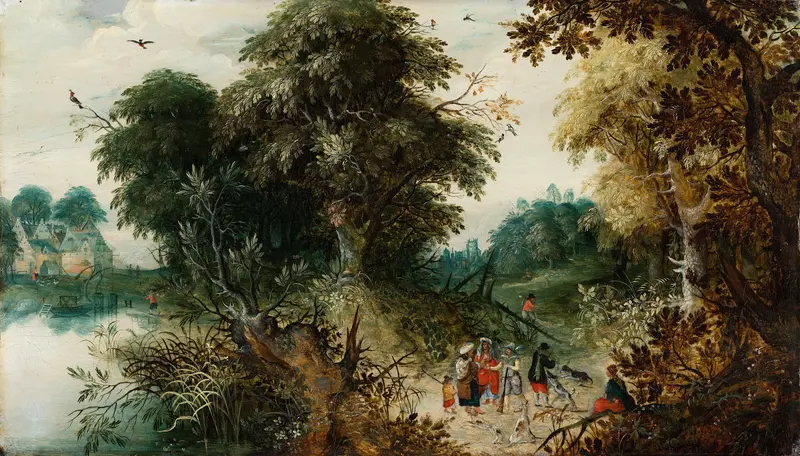
Forest View with Travellers
Abraham Govaerts
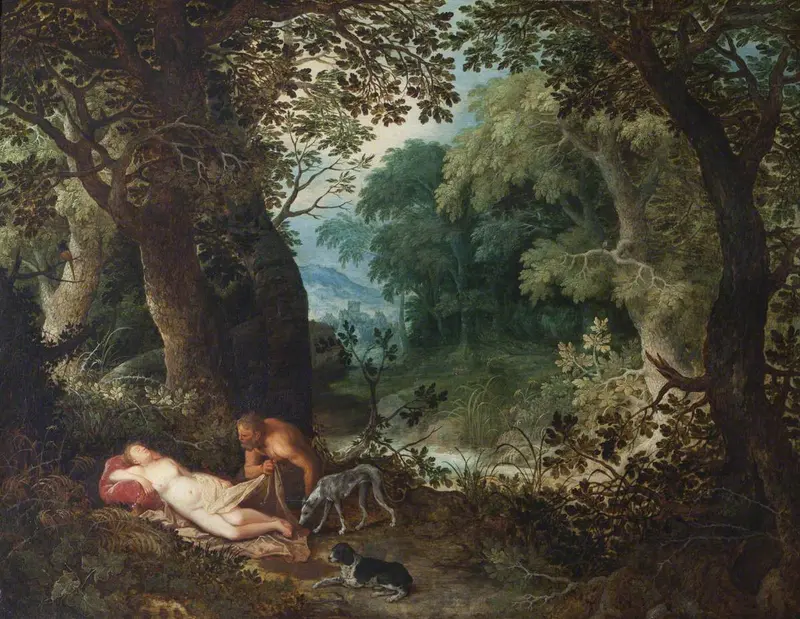
A Nymph and a Satyr
Abraham Govaerts
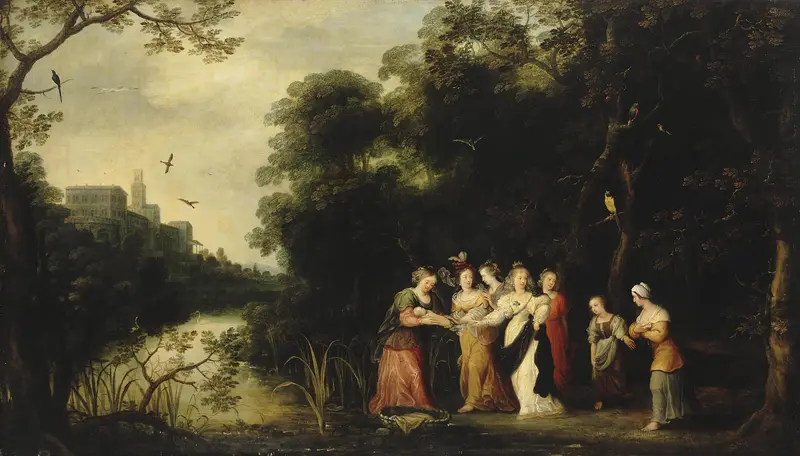
Finding of Moses
Abraham Govaerts
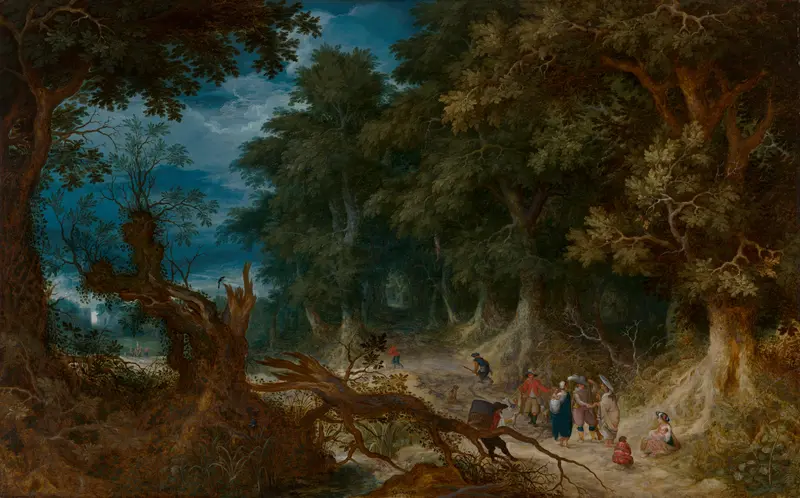
Wooded Landscape with Gipsy Women
Abraham Govaerts
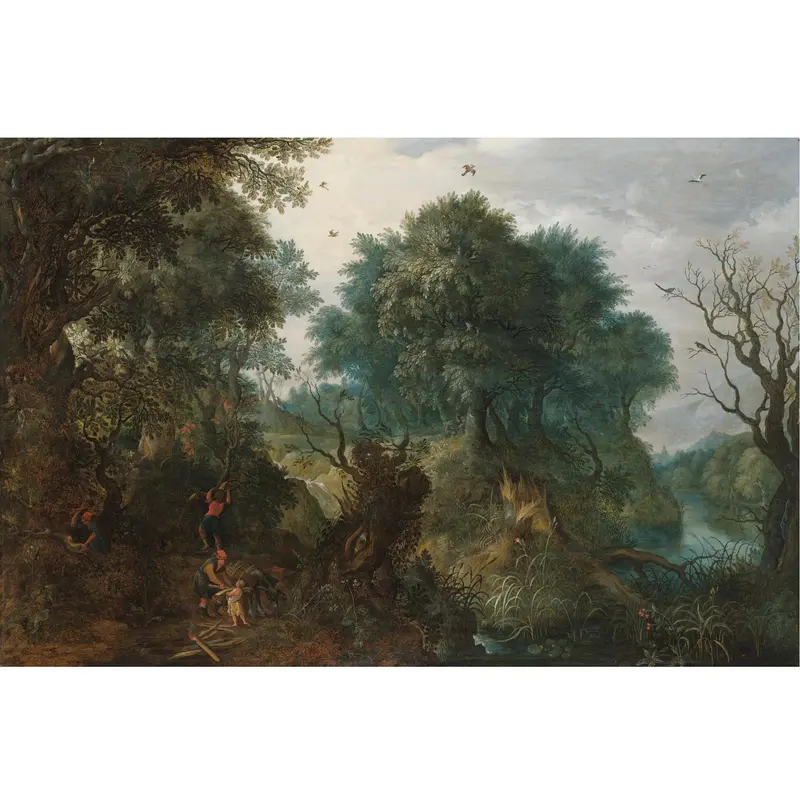
A Wooded Landscape with Woodcutters near a River
Abraham Govaerts
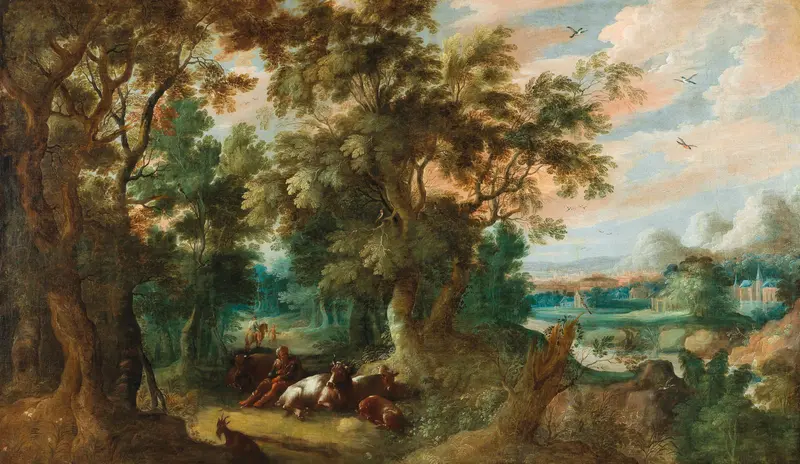
Wooded landscape with shepherds and their flock
Abraham Govaerts
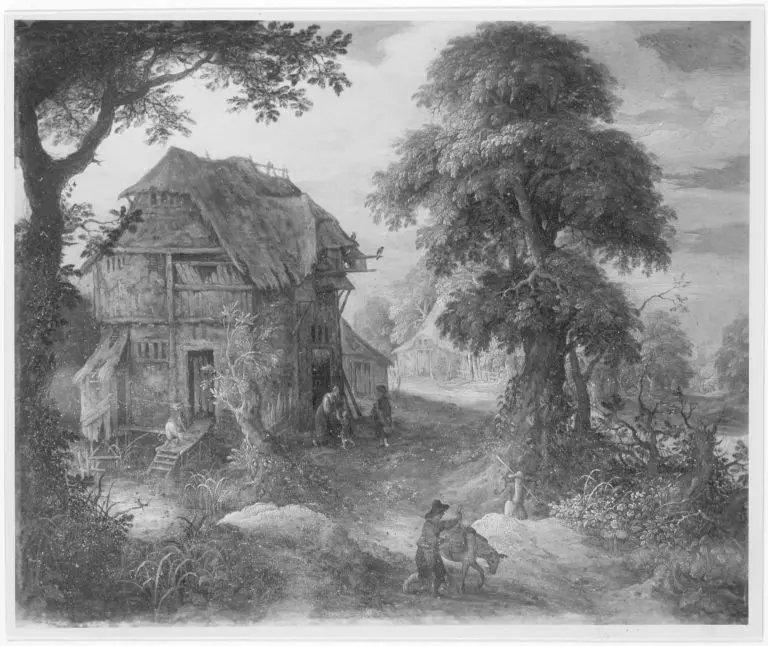
Dorf unter Bäumen
Abraham Govaerts
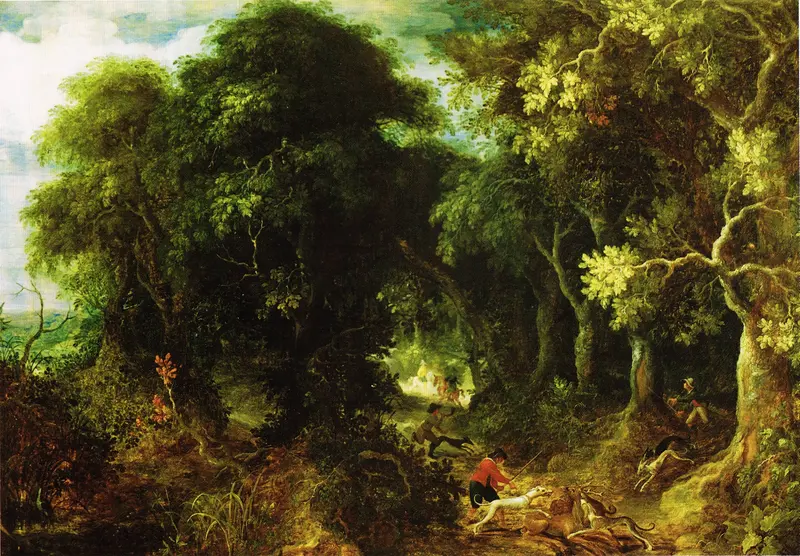
The Eternal Forest / Deer hunting
Abraham Govaerts
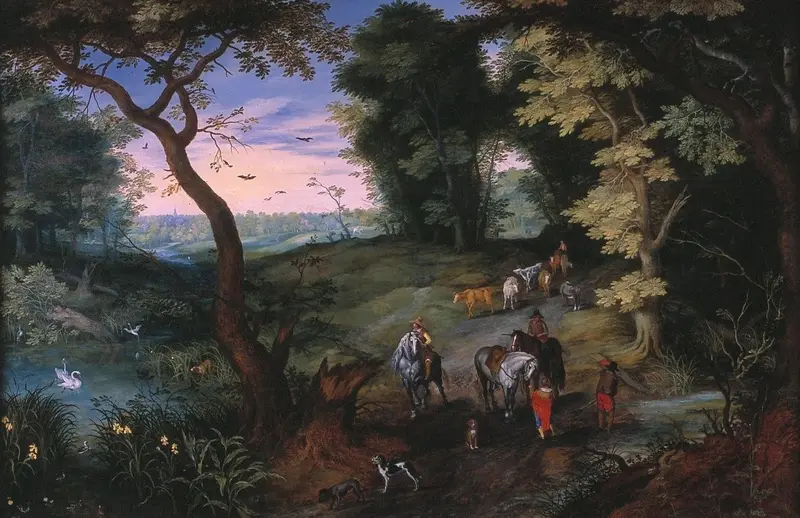
Landscape with Horsemen and Animals
Abraham Govaerts
More Landscape Art

The Starry Night
Vincent van Gogh

View of Delft
Johannes Vermeer

Water Lilies
Claude Monet

The Grand Canal, Venice, looking north-west from the Ca' Corner to the Ca' Contarini degli Scrigni, with the campanile of Santa Maria della Carità
Canaletto

Windsor Castle
Canaletto

The Grand Canal looking North-East from the Palazzo Dolfin-Manin to the Rialto Bridge
Canaletto