
The Conversion of St. Paul — History & Facts
In The Conversion of St. Paul, Jacques Callot presents a vivid scene filled with dynamic movement and emotion. The colors are rich, with deep reds and earthy tones dominating the palette.
St. Paul is depicted on the ground, surrounded by a dramatic interplay of light and shadow. The figures around him convey a sense of urgency and divine intervention. This artwork is an etching, a medium known for its fine detail and intricate lines.
Callot's technique showcases his ability to capture the intensity of the moment with precision. The composition is carefully arranged, leading the viewer's eye toward St. Paul.
The use of chiaroscuro enhances the dramatic effect of the scene. Jacques Callot was a French artist known for his prints and etchings during the Baroque period. This work reflects his interest in religious themes and storytelling through art. An interesting fact about this piece is that it captures the moment of St.
Paul's conversion, a pivotal event in Christian history. Callot's ability to convey emotion through his figures makes this work notable.
More Artworks by Jacques Callot

De verloren zoon als zwijnenhoeder
Jacques Callot
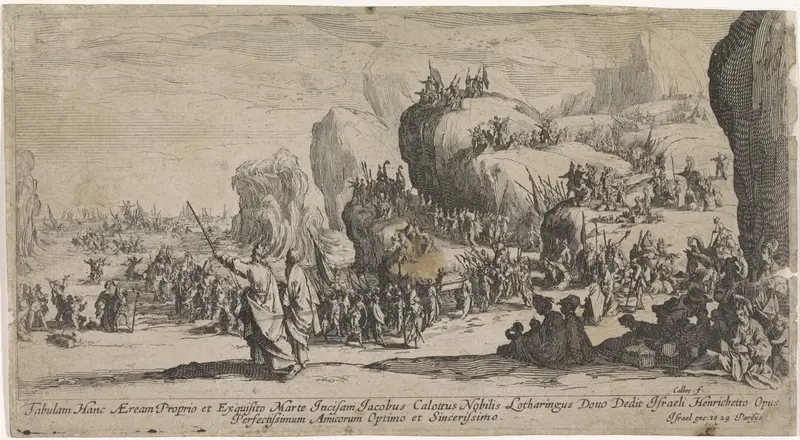
De doortocht door de Rode Zee
Jacques Callot

Kruisiging
Jacques Callot
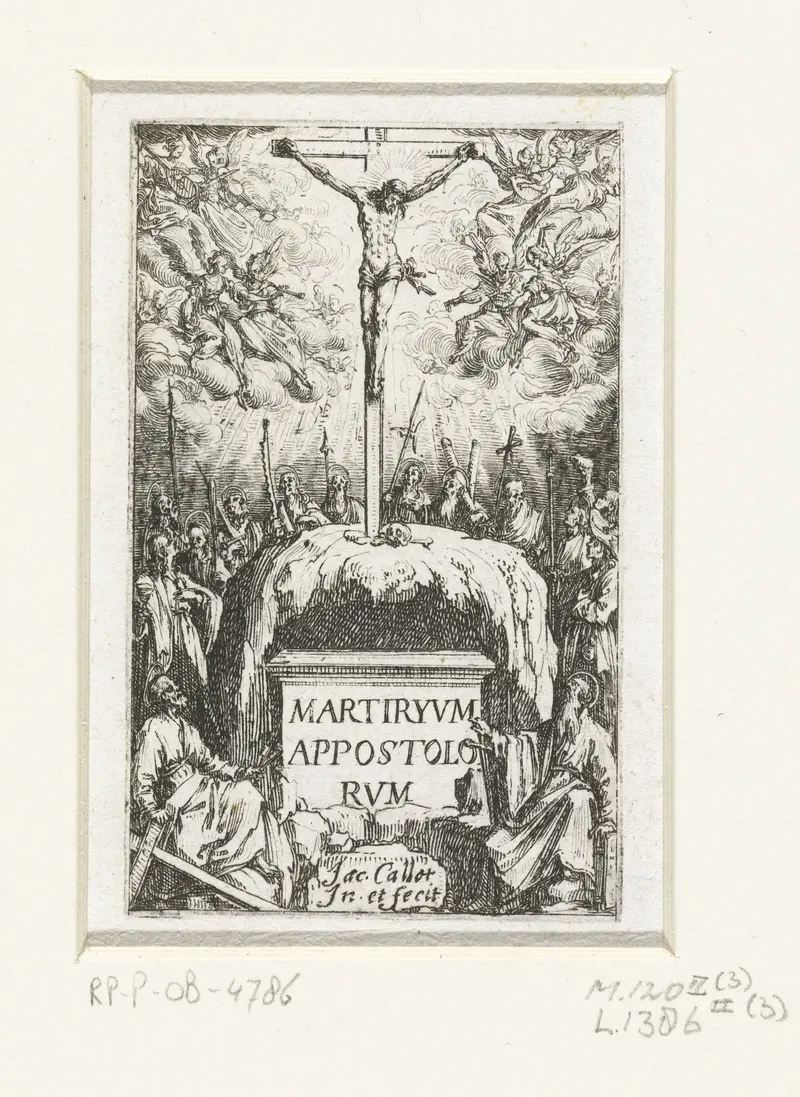
Titelprent voor de prentreeks 'De kleine apostelen' (Het martelaarschap van de apostelen)
Jacques Callot
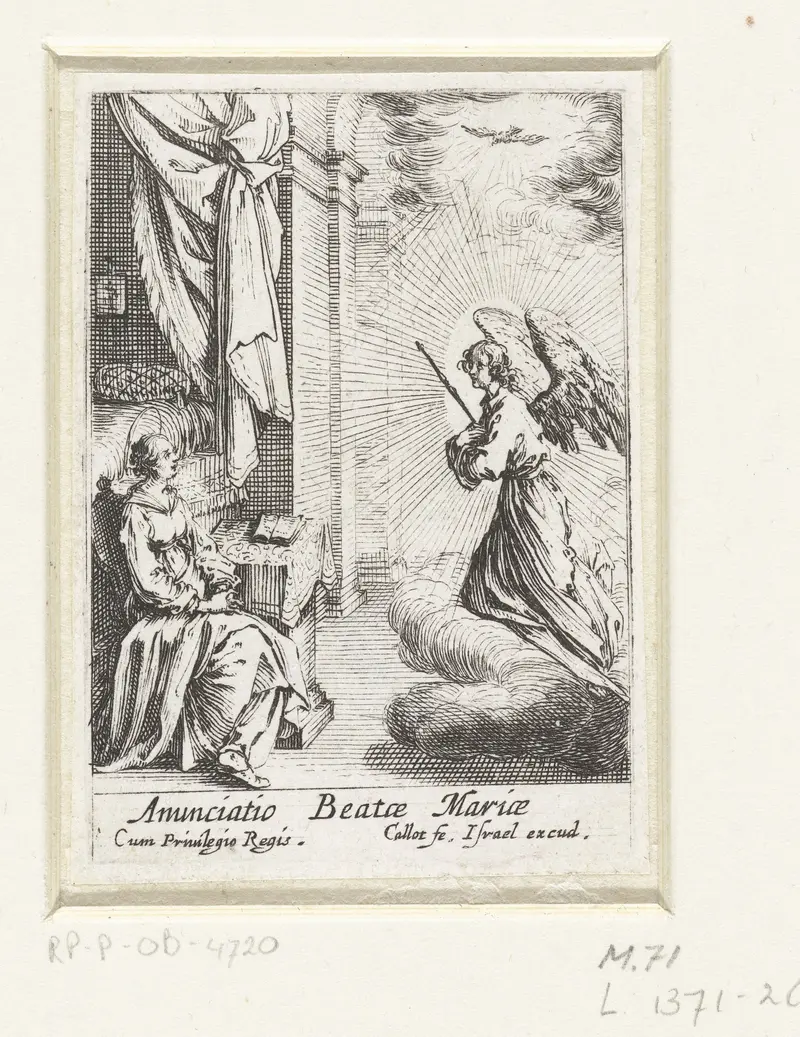
Annunciatie
Jacques Callot
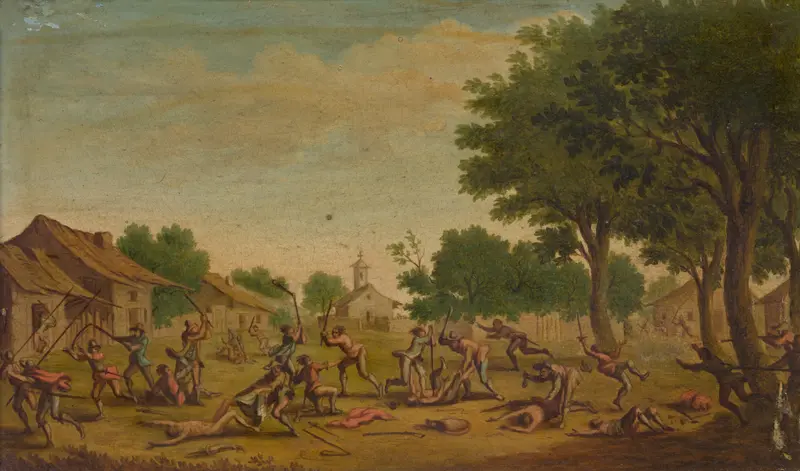
Village Fight
Jacques Callot
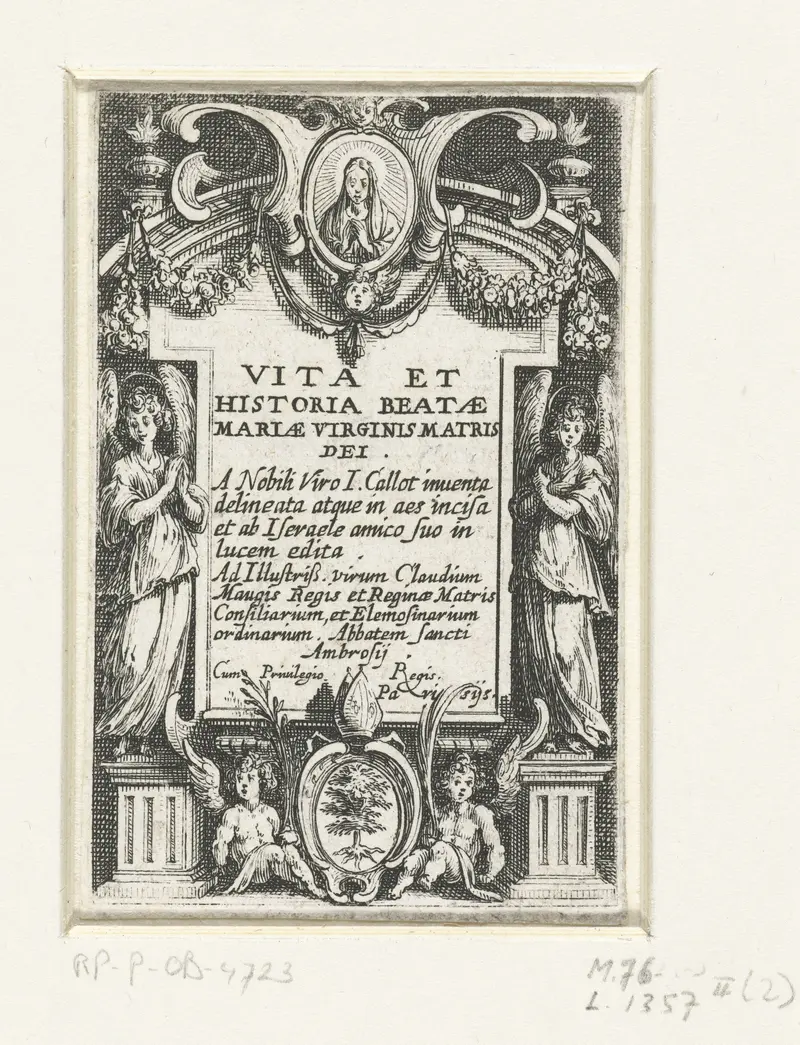
Titelprent voor prentreeks 'Het leven van Maria'
Jacques Callot
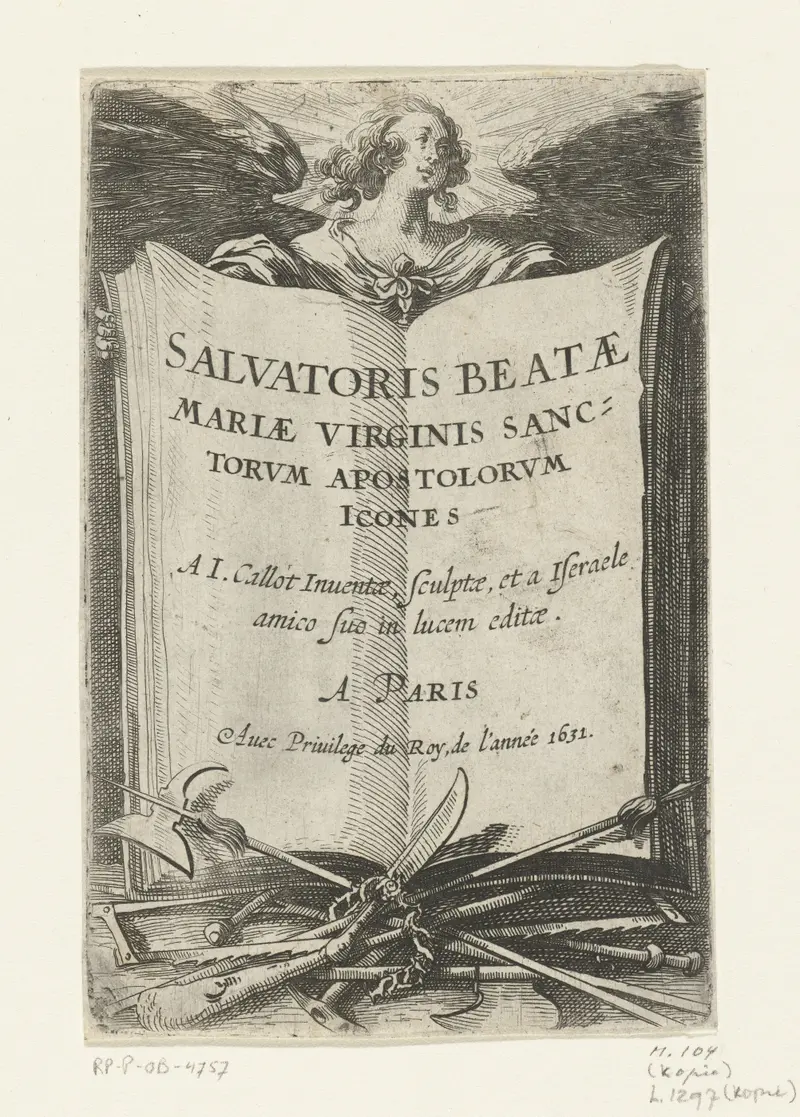
Titelprent voor de prentreeks 'De grote apostelen' (Christus, Maria en de apostelen)
Jacques Callot

Kruisoprichting
Jacques Callot
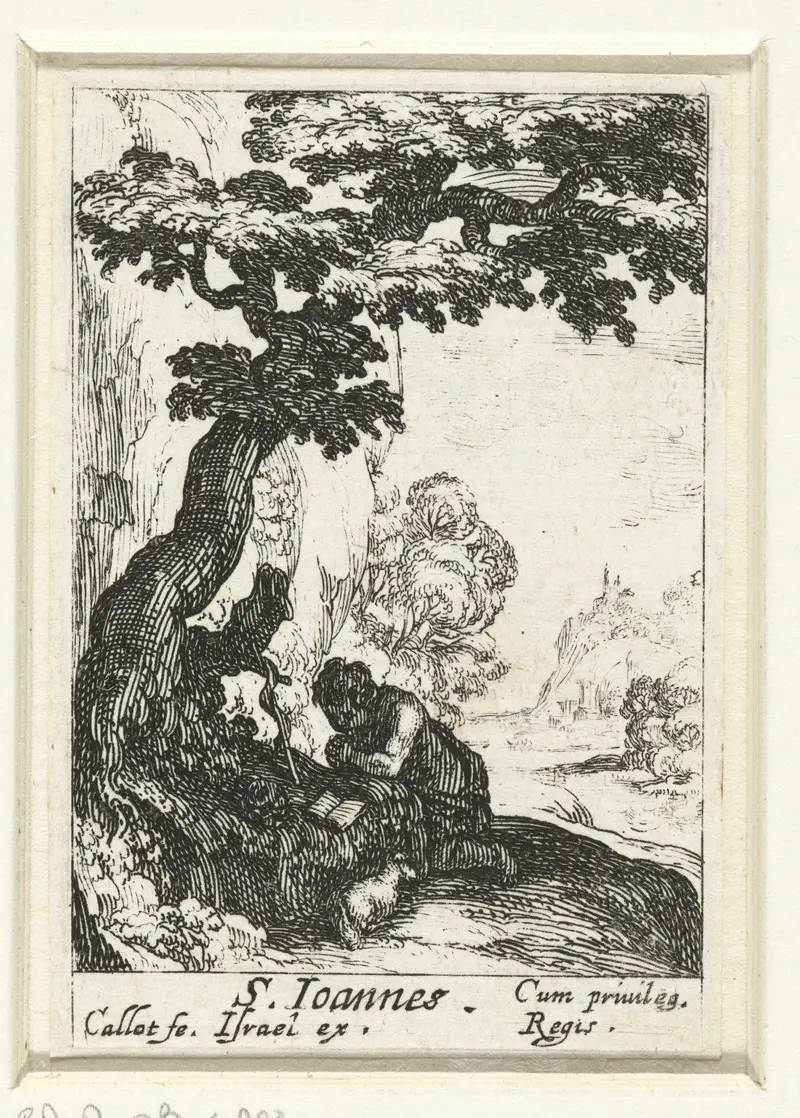
De boetvaardige Johannes de Doper
Jacques Callot





