
The Conversion of the Proconsul — History & Facts
In 1515, Raphael was commissioned by Pope Leo X to design a series of tapestries for the Sistine Chapel, and The Conversion of the Proconsul stands as one of the most ambitious scenes in that cycle. The work captures a pivotal moment from the Acts of the Apostles, where the Christian faith first reaches the highest levels of Roman authority. What makes this piece remarkable is that it was among the first images in Western art to depict a miracle as witnessed by a government official—an image of faith challenging imperial power at the very heart of the Vatican itself. The scene unfolds in the court of Sergius Paulus, the Roman proconsul of Cyprus, as Paul and Barnabas confront the magician Elymas.
At the center, Paul, arm raised in a commanding gesture, strikes Elymas blind for opposing the spread of Christianity—a moment of divine intervention rendered with theatrical clarity. Elymas, recoiling and shielding his eyes, embodies both physical and spiritual blindness, while Sergius, seated in judgment, leans forward in awe and fear. The crowd’s varied reactions—astonishment, confusion, reverence—draw the viewer into the drama.
Raphael’s composition, with its sweeping gestures and architectural grandeur, echoes the narrative clarity of Masaccio’s The Tribute Money, but here, the miracle is not just witnessed; it is enforced by the authority of the Church. Although originally designed as a cartoon for tapestry, the image survives in several forms, including painted versions attributed to Raphael’s workshop. The original cartoons were sent to Brussels to be woven in the workshop of Pieter van Aelst, and the resulting tapestries were first displayed in the Sistine Chapel in 1519. Over centuries, the cartoons themselves became prized objects, passing through royal collections before finding a permanent home in the Victoria and Albert Museum.
The Conversion of the Proconsul marks a turning point in Raphael’s career, showcasing his mature style—monumental figures, psychological depth, and a new ambition for narrative art that would influence generations to come.
More Artworks by Raphael

Madonna of the Goldfinch
Raphael

Madonna with the Fish
Raphael
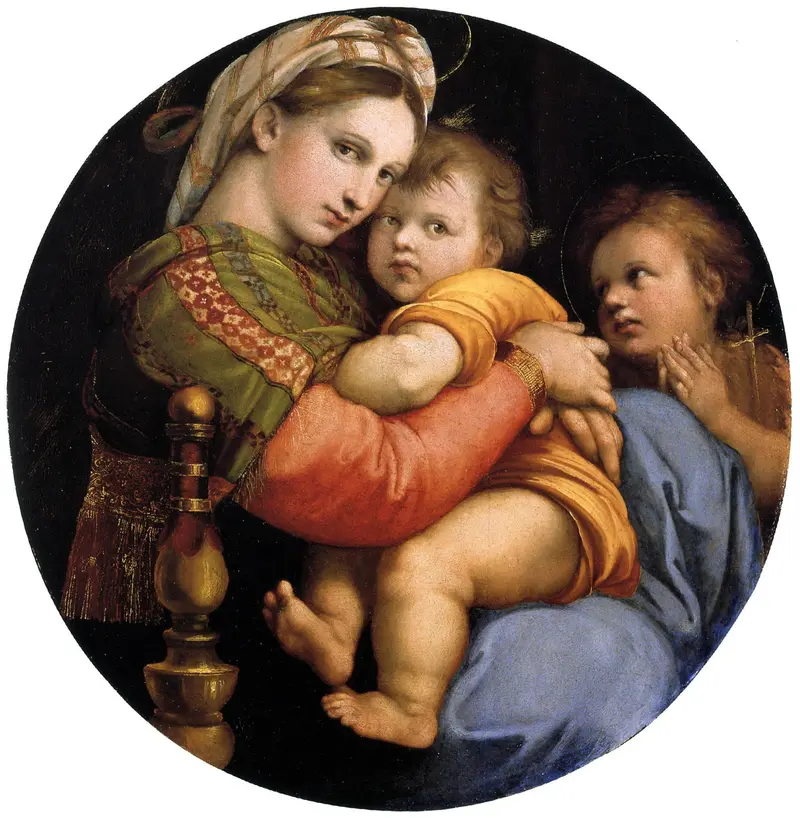
Madonna and Child (Madonna della Seggiola)
Raphael
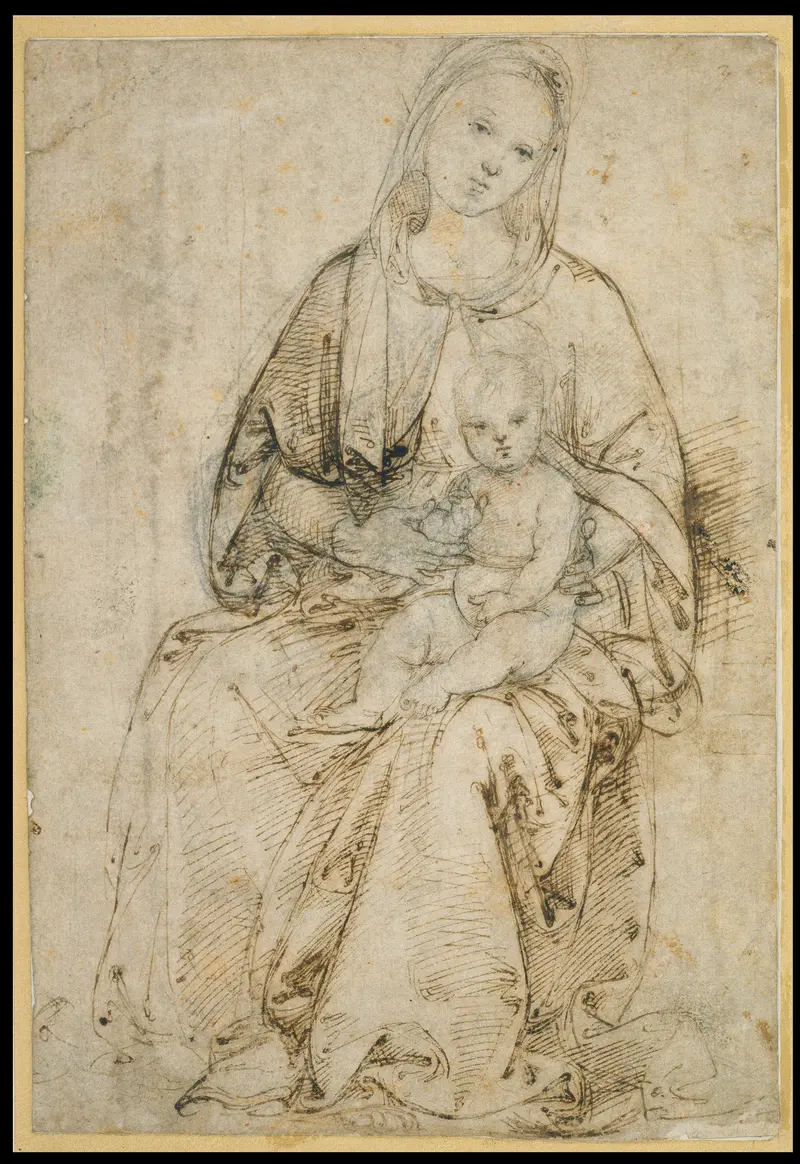
Seated Madonna and Child
Raphael
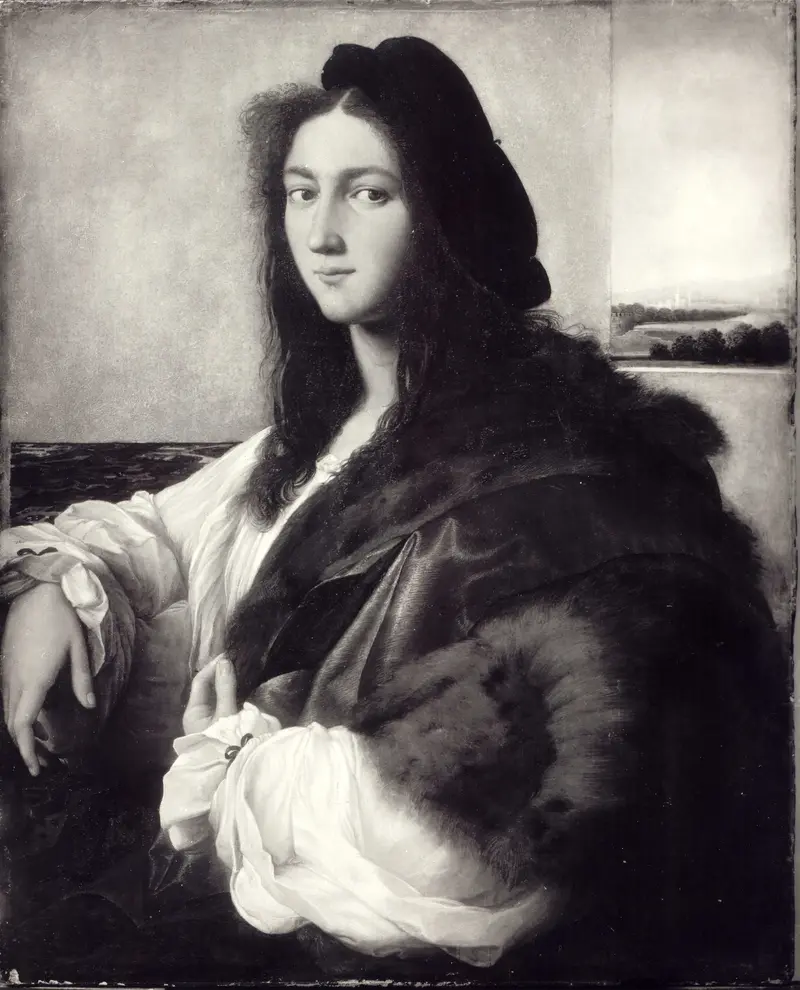
Portrait of a Young Man
Raphael
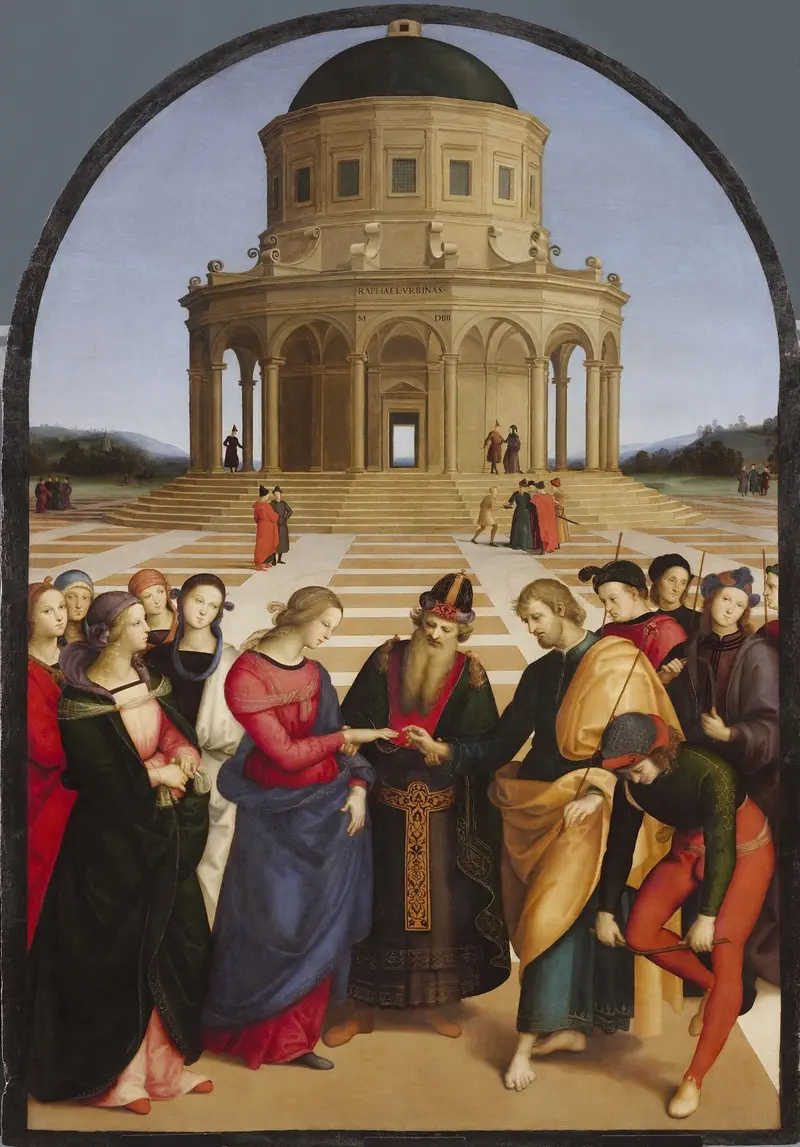
The Marriage of the Virgin
Raphael
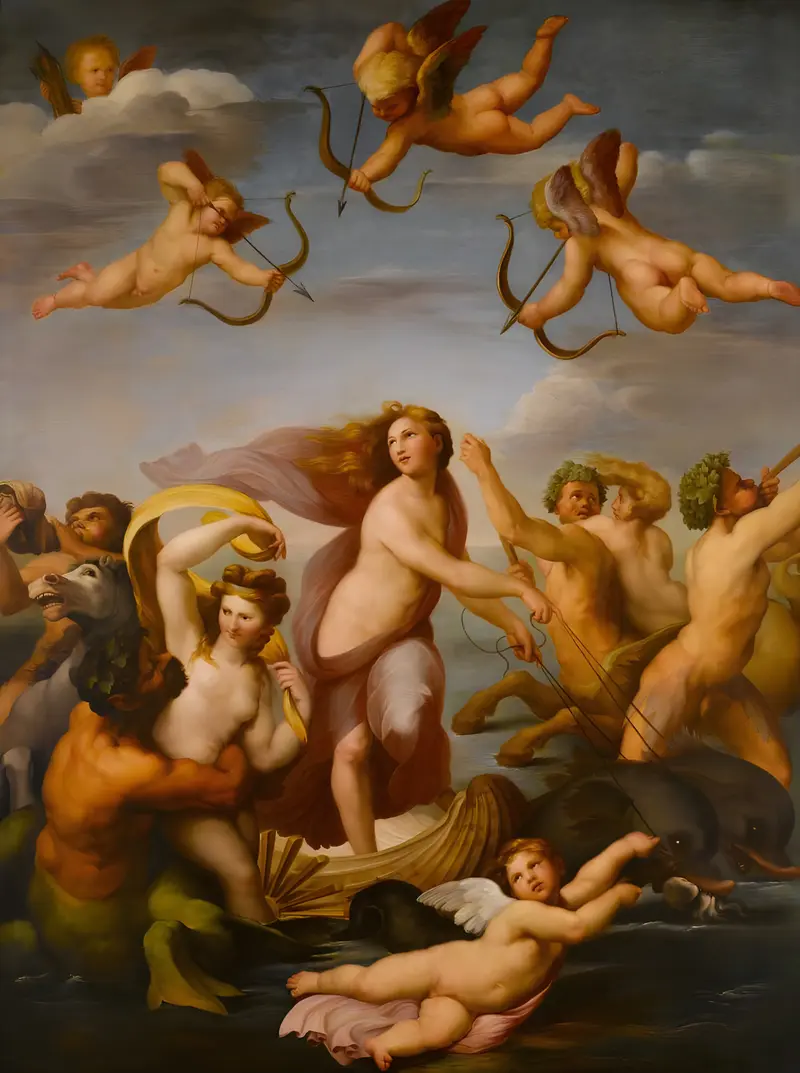
The Triumph of Galatea (copy after Raphael)
Raphael
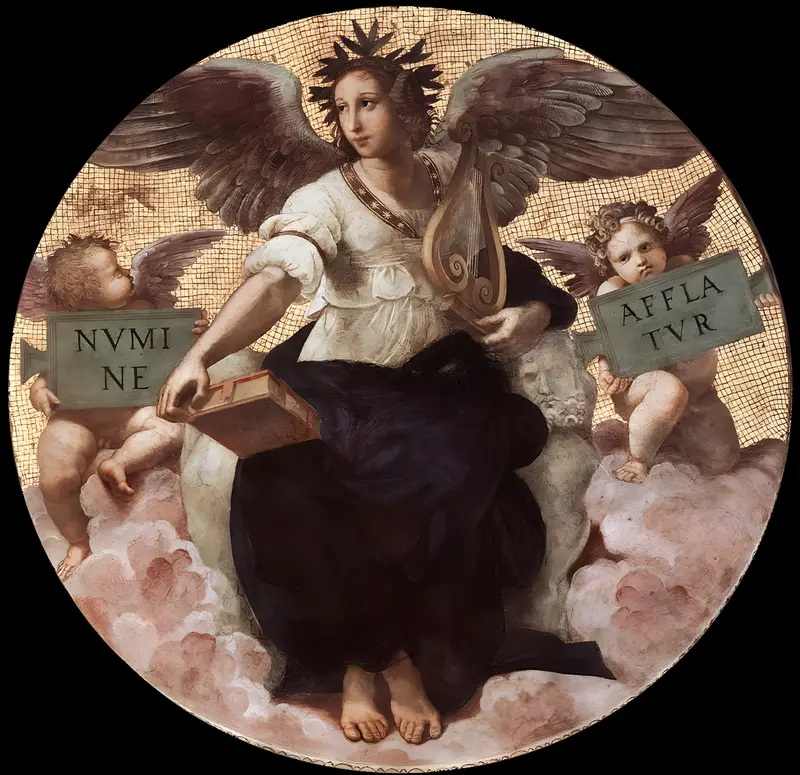
Poetry
Raphael
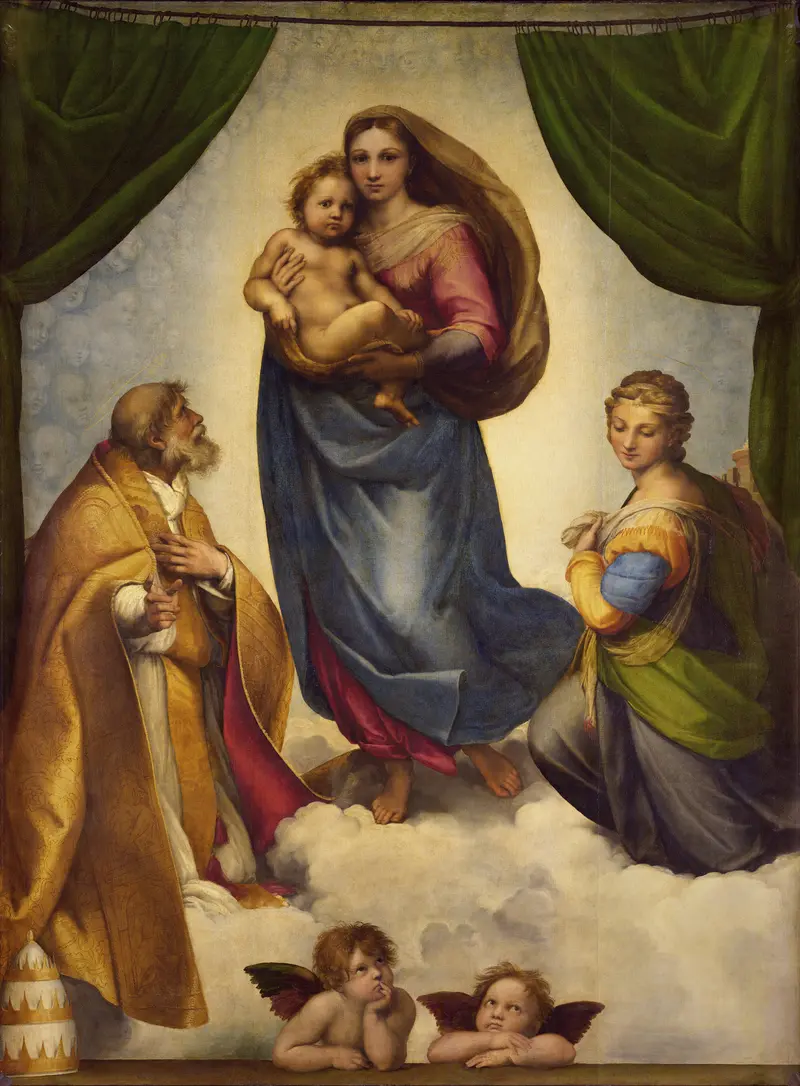
Sistine Madonna
Raphael
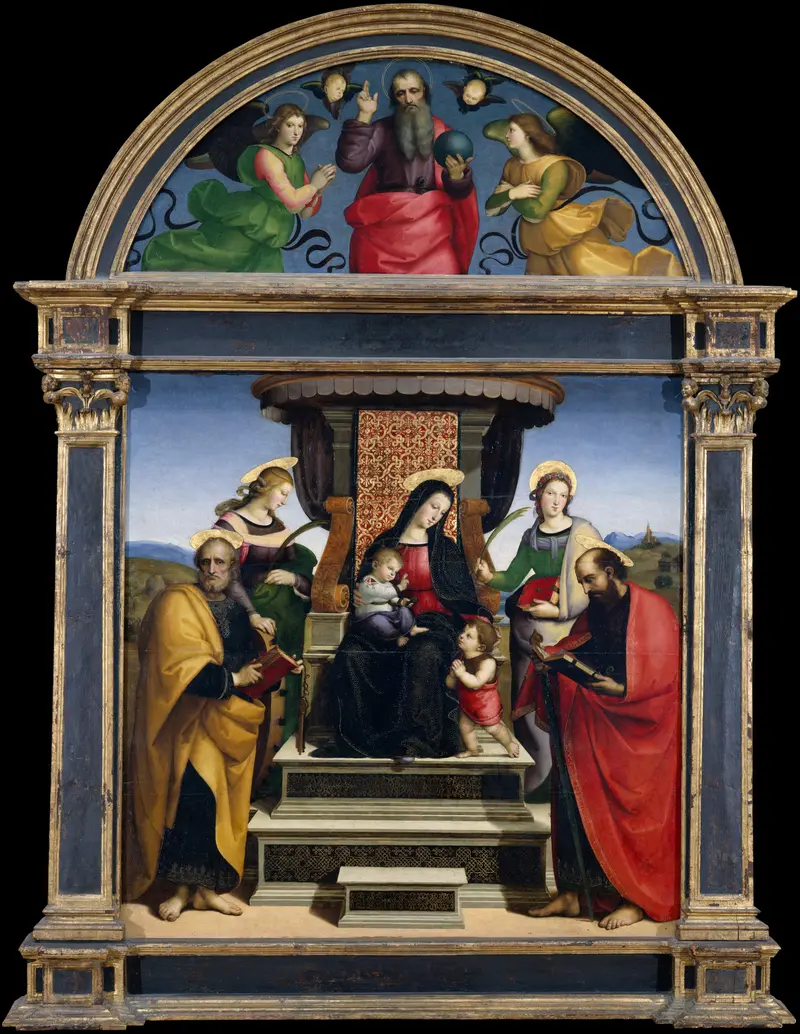
Madonna and Child Enthroned with Saints
Raphael




