
The Country Neighbors — History & Facts
In the subtle strokes of the canvas, a delicate hope lingers, poised between nostalgia and the present moment. This artwork invites us to reflect on the essence of human connection and the quiet yet profound relationships that define our existence. Look to the center of the painting, where two figures stand in earnest conversation, their postures radiating warmth and familiarity. Notice how the muted earth tones wrap around them, evoking the simplicity of rural life while simultaneously enhancing their emotional bond.
The gentle play of light filtering through the trees casts dappled shadows, mirroring the unspoken understanding that exists between neighbors. Each brushstroke reveals Buhot's mastery in rendering not just a scene, but a feeling. As you explore further, observe the subtle contrasts within the composition. The vibrancy of the lush greenery against the somber tones of the figures suggests a tension between nature and the complexity of human relationships.
The viewer might sense a yearning for connection reflected in the characters’ expressions, hinting at the shared stories and histories that bind communities together. Each detail whispers of the resilience found in everyday interactions, a testament to hope dwelling in the quiet corners of life. During the years 1879 to 1880, Buhot was immersed in the artistic milieu of France, grappling with themes of memory and identity. The Impressionist movement was evolving, embracing the transient moments of life, and Buhot sought to capture the nuanced exchanges that may otherwise fade away.
In this context, The Country Neighbors stands as a poignant reflection of the era, embodying the enduring hope that arises from bonds formed within the tapestry of everyday existence.
More Artworks by Félix Hilaire Buhot
Browse all →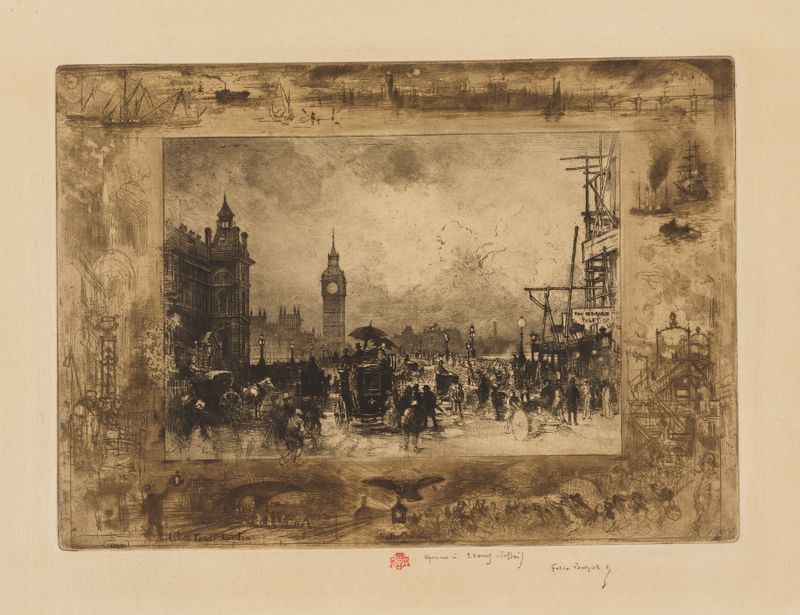
Westminster Bridge, or Westminster Clock Tower
Félix Hilaire Buhot
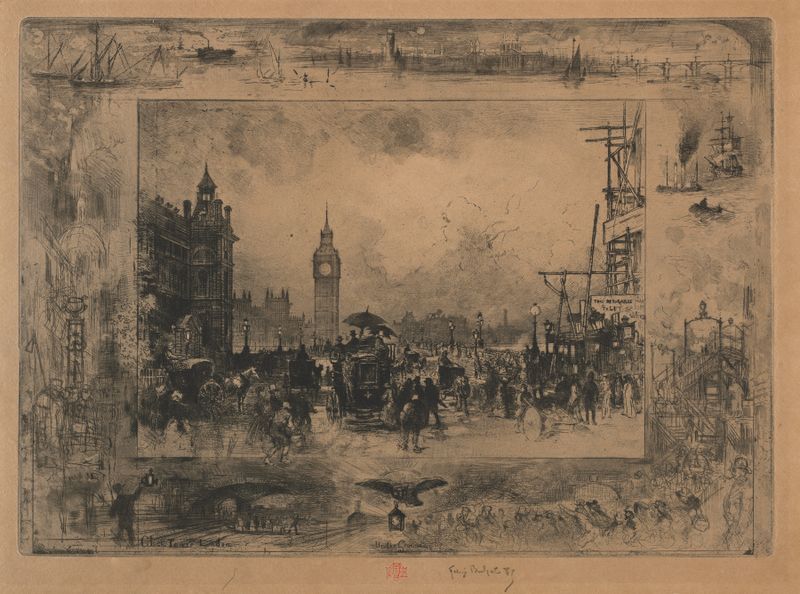
Westminster Bridge, or Westminster Tower
Félix Hilaire Buhot
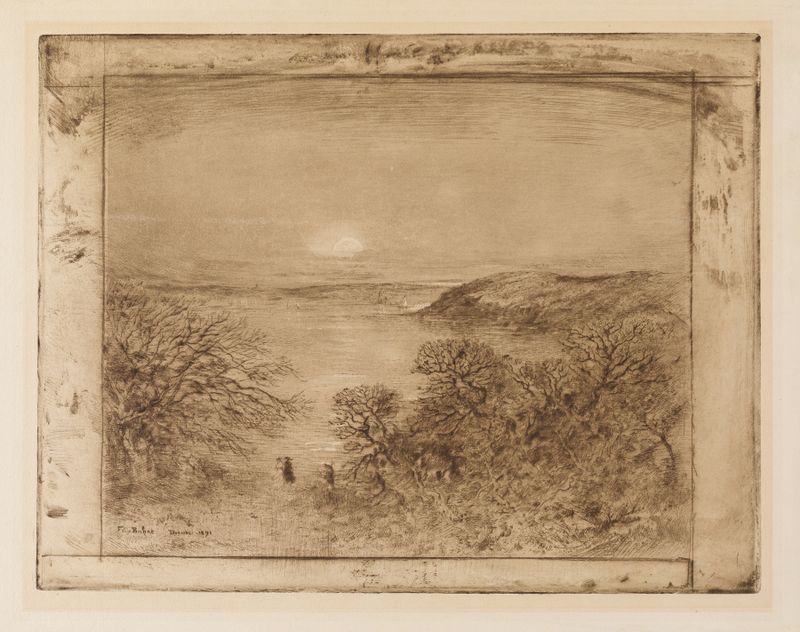
Moonrise at Dinard
Félix Hilaire Buhot
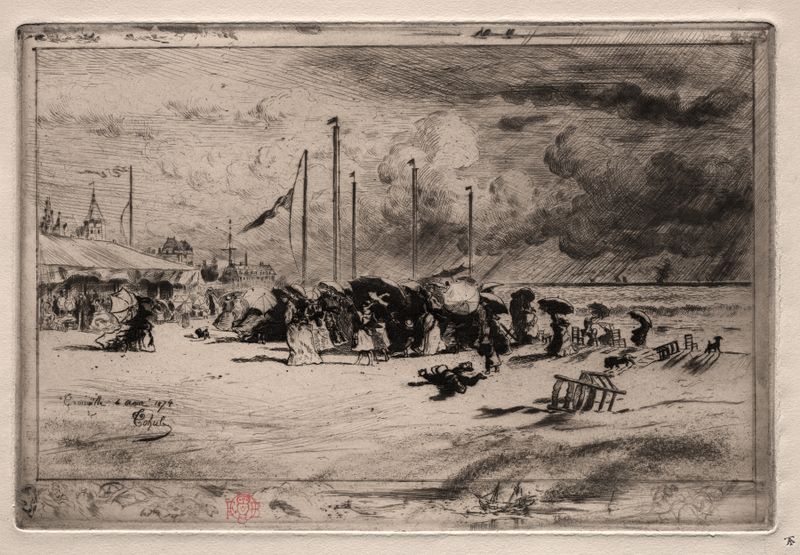
A Squall at Trouville
Félix Hilaire Buhot
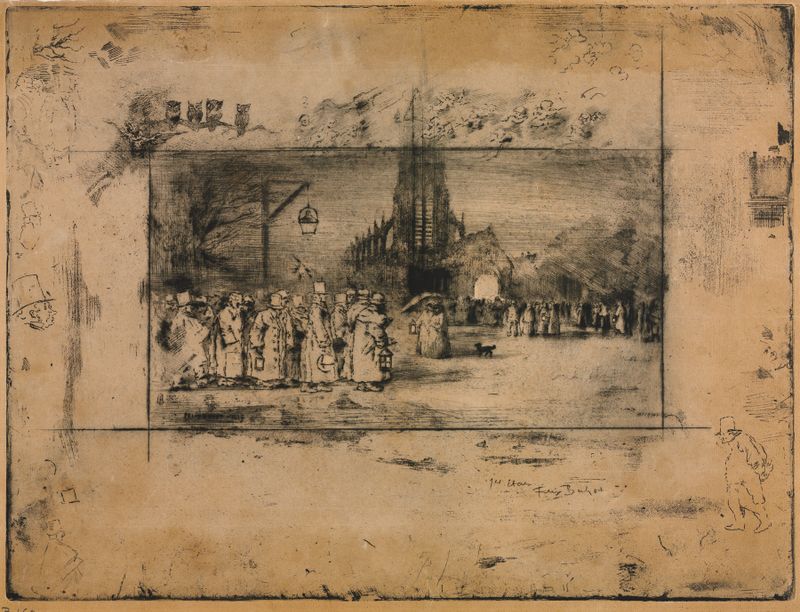
The Midnight Mass
Félix Hilaire Buhot
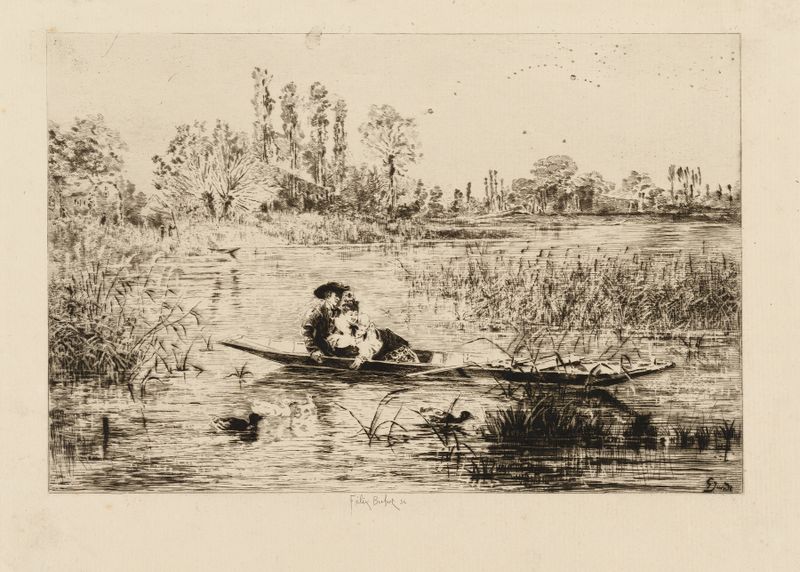
On the Thread of the Water
Félix Hilaire Buhot
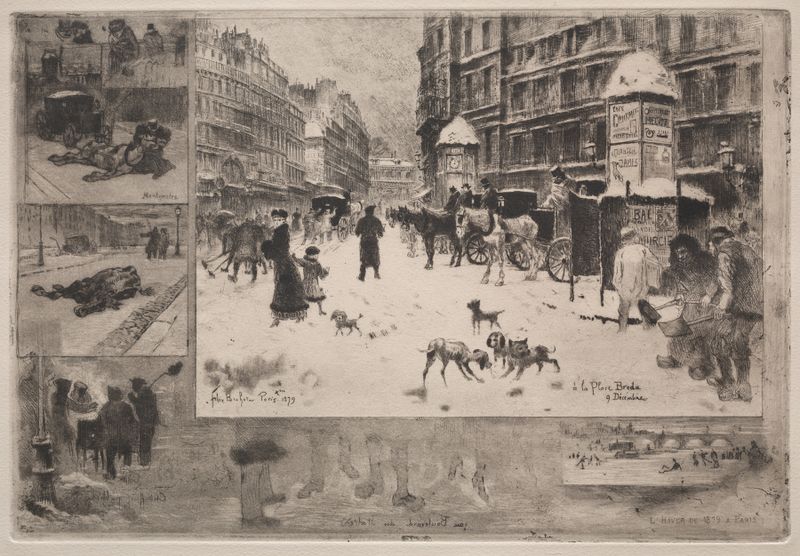
Winter in Paris
Félix Hilaire Buhot
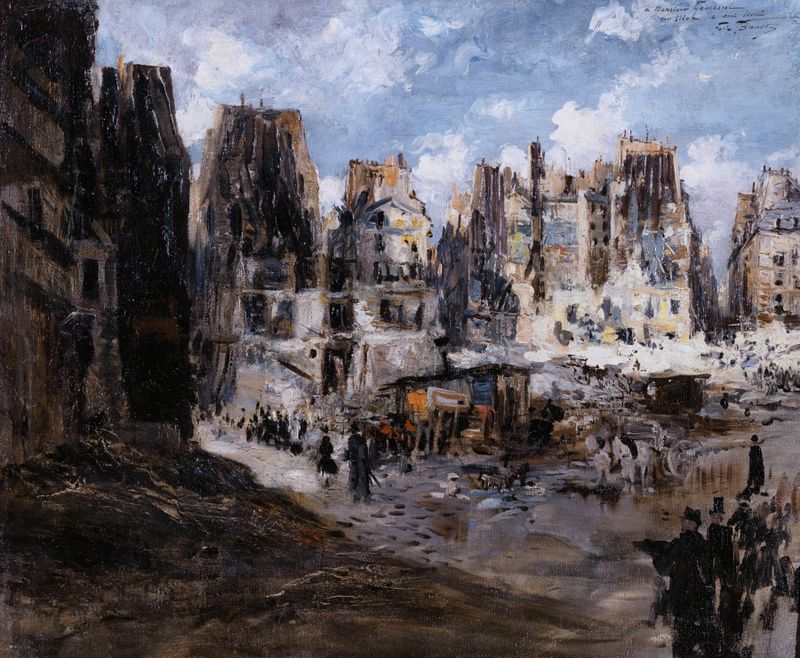
Le percement de l’avenue de l’Opéra.
Félix Hilaire Buhot
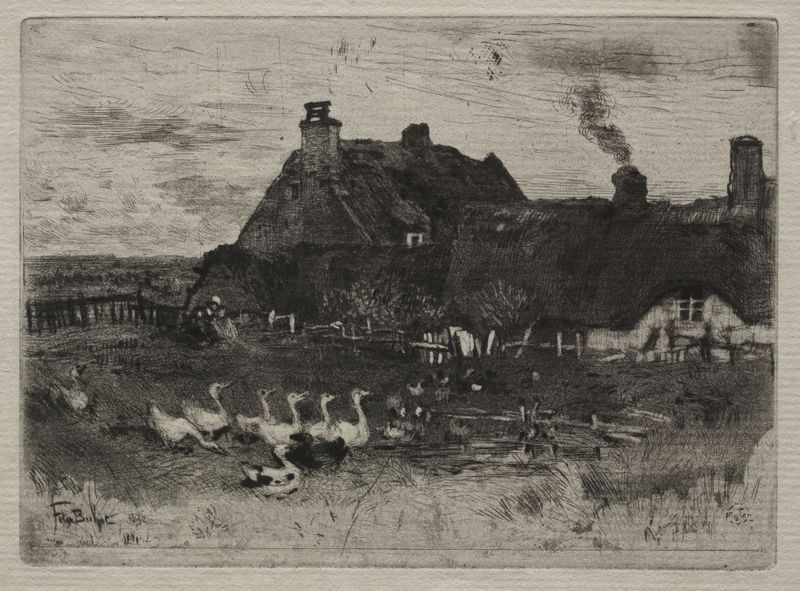
Thatched Cottages
Félix Hilaire Buhot
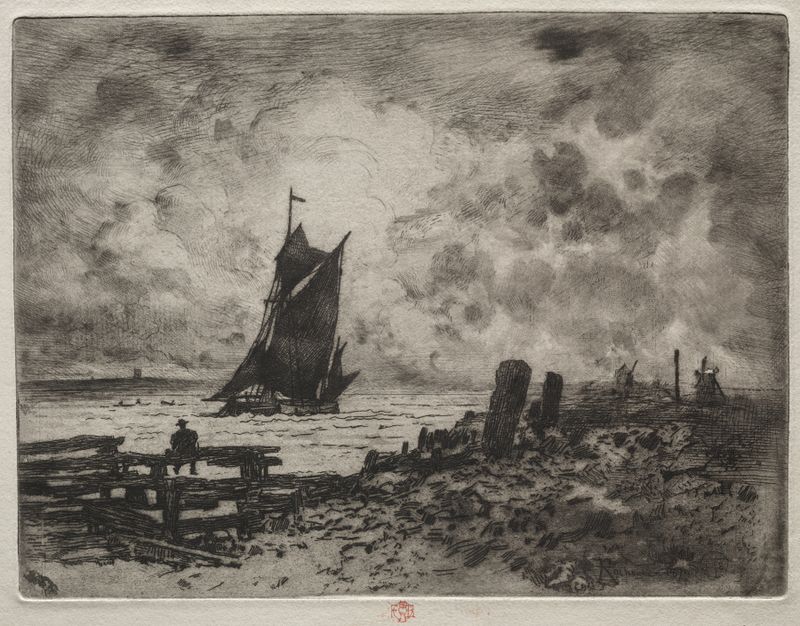
The Little Marine; Souvenir of Medway
Félix Hilaire Buhot





