Discover insights about this artwork
The cowboy — History & Facts
In The Cowboy, Henri Matisse uses bold colors and fluid lines to depict a cowboy in a dynamic pose. The background is filled with vibrant hues that suggest movement and energy. The figure stands out with a combination of reds, blues, and yellows, creating a striking contrast.
The cowboy's attire is simplified yet expressive, embodying the spirit of the American West. The painting is executed in oil on canvas, showcasing Matisse's signature style of using color to convey emotion. The brushwork is loose and spontaneous, contributing to the overall sense of movement. Viewers can observe how Matisse plays with form and color to create a lively representation of the cowboy.
The dimensions are approximately 100 x 80 cm, making it a substantial work that commands attention. Henri Matisse was a leading figure in the Modernist movement, known for his innovative use of color and form. The Cowboy reflects his interest in American themes during the 1930s, a time when he was exploring new subjects. Interestingly, this work was part of a series where Matisse experimented with the idea of the cowboy as a symbol of freedom and adventure.
It remains a notable example of how he blended cultural influences into his art.
More Artworks by Henri Matisse
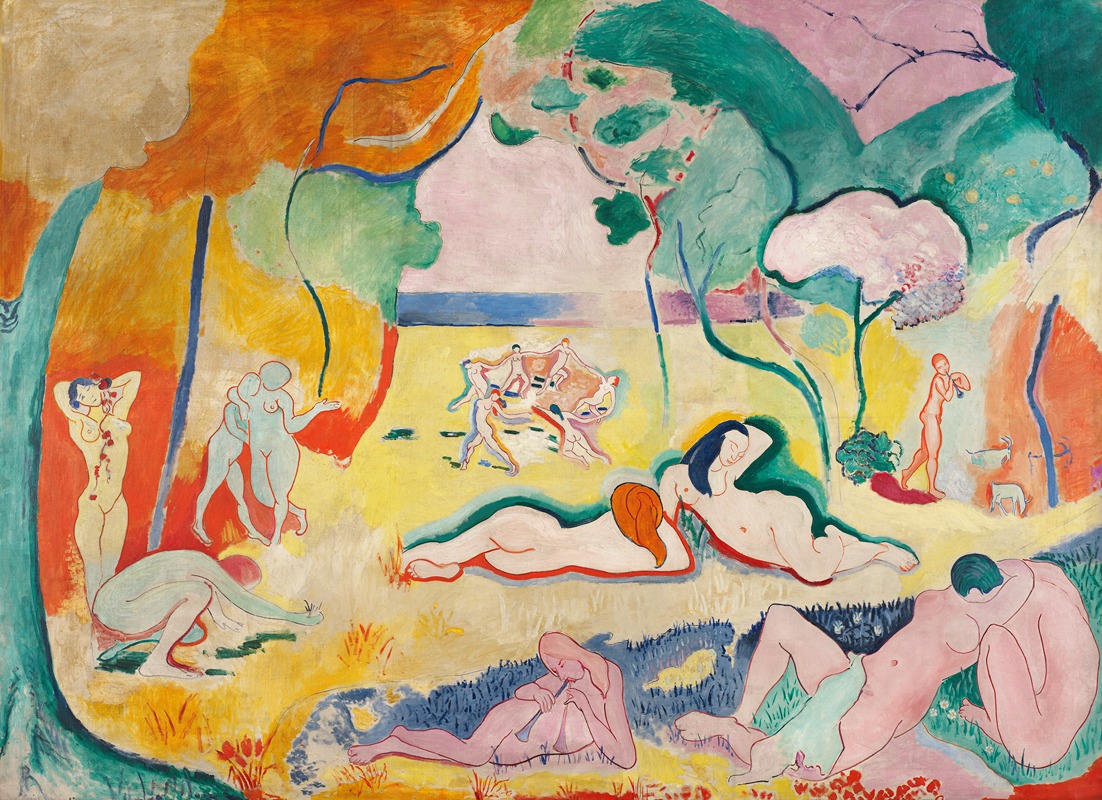
Le Bonheur de vivre, also called The Joy of Life
Henri Matisse
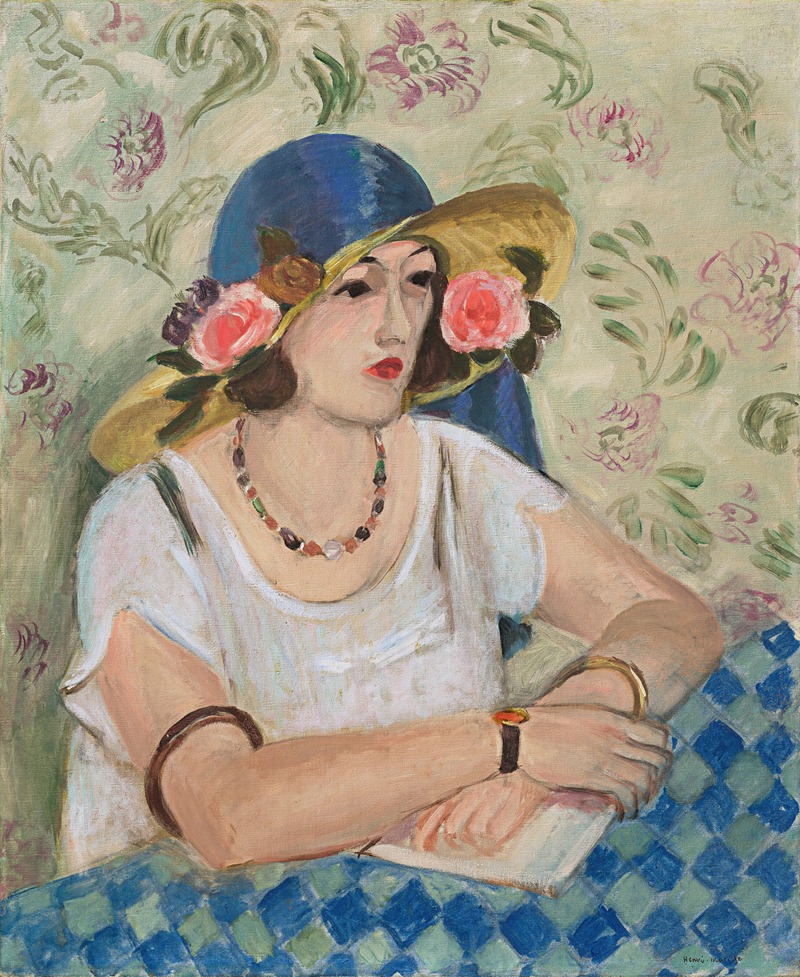
Femme au chapeau fleuri
Henri Matisse
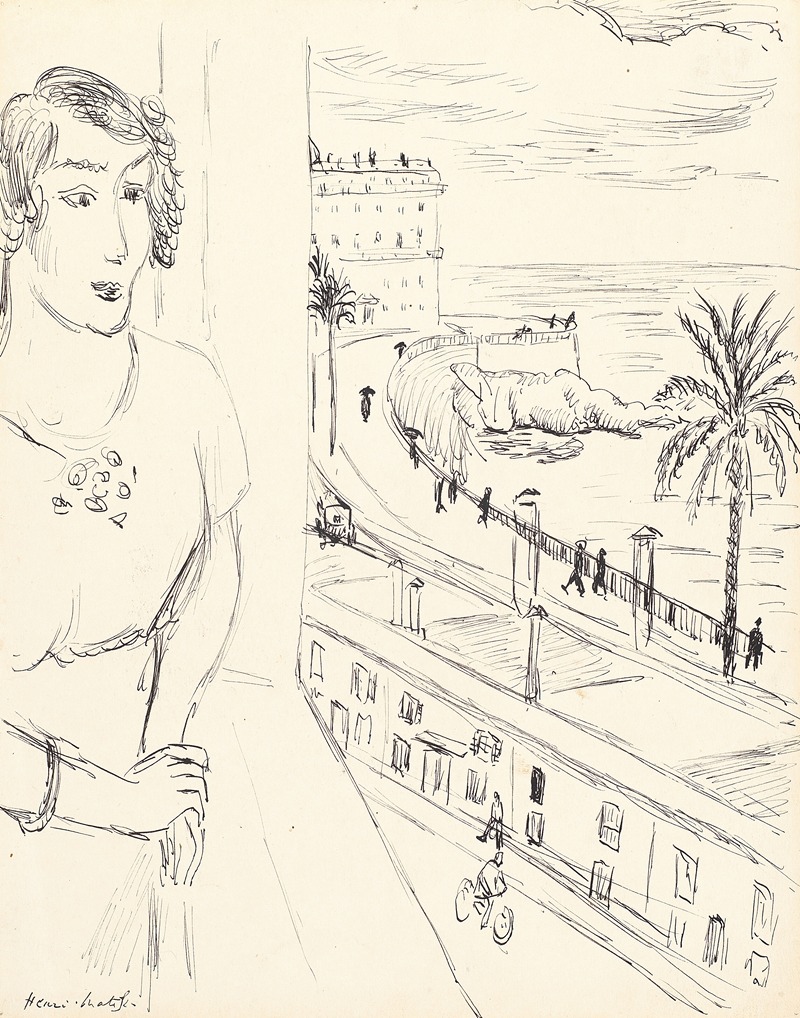
Femme près de la fenêtre, Nice
Henri Matisse
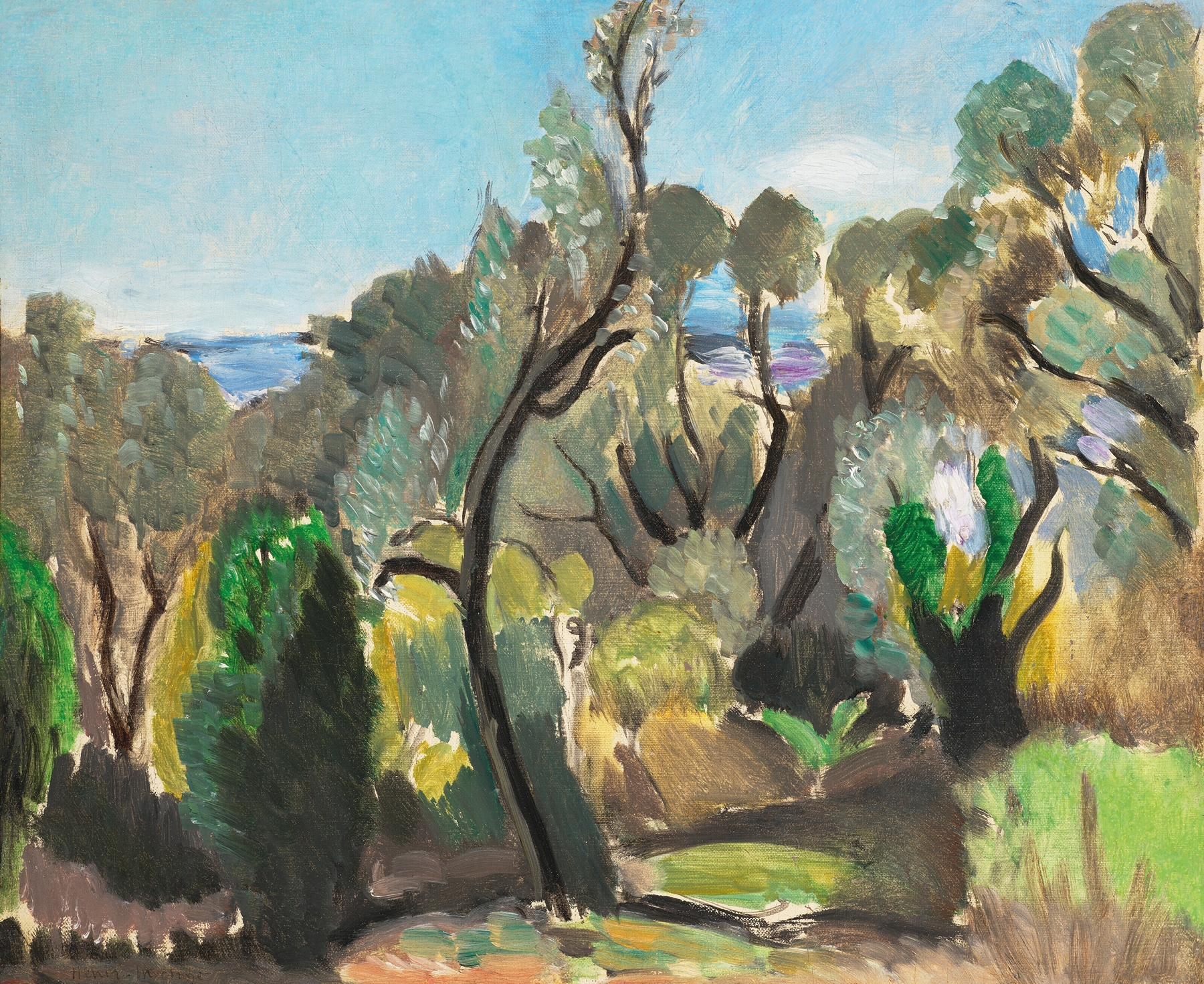
Paysage aux environs de Nice ou Les Oliviers ou Coin du Mont-Boron
Henri Matisse
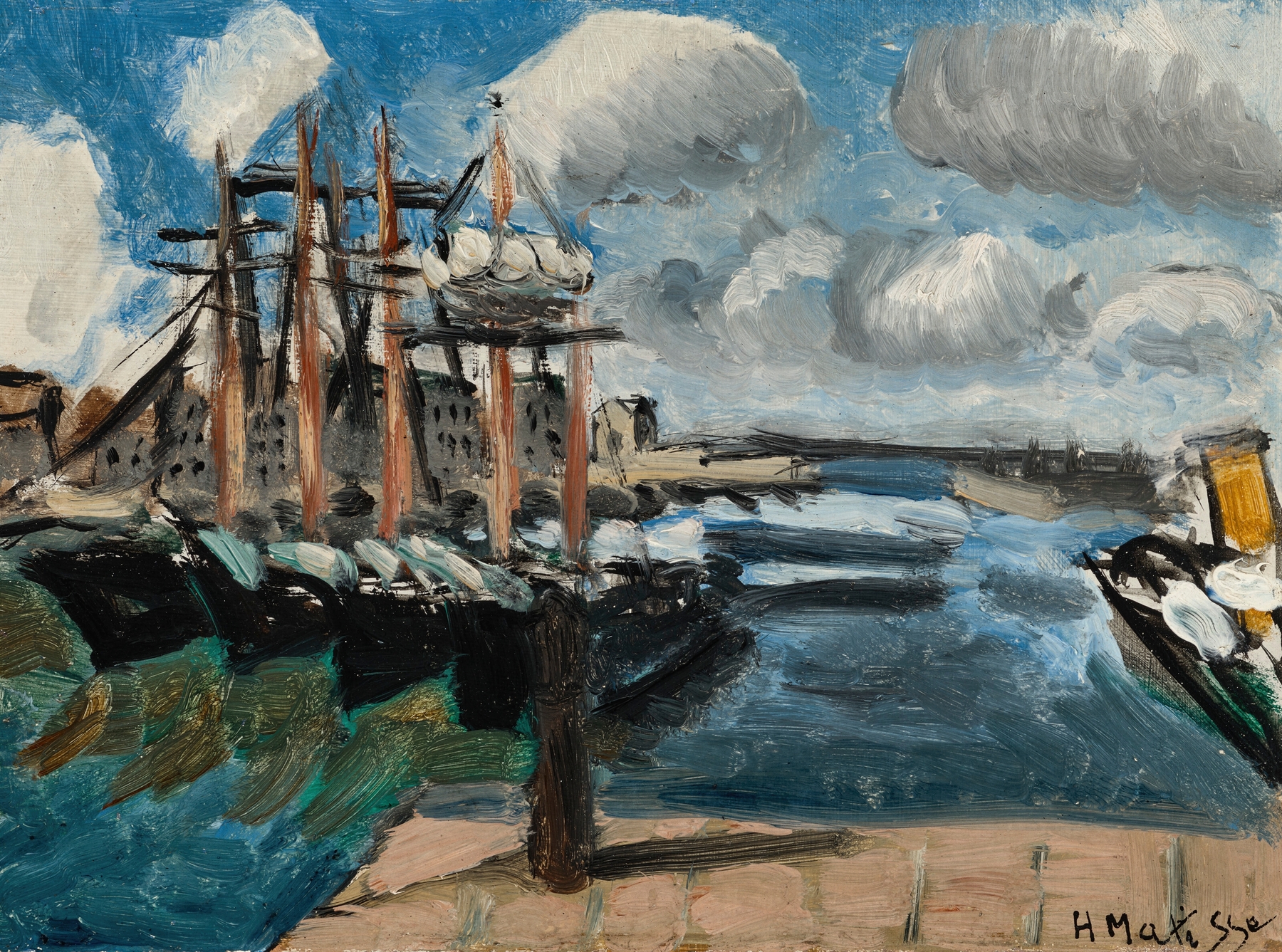
Port de Cherbourg
Henri Matisse
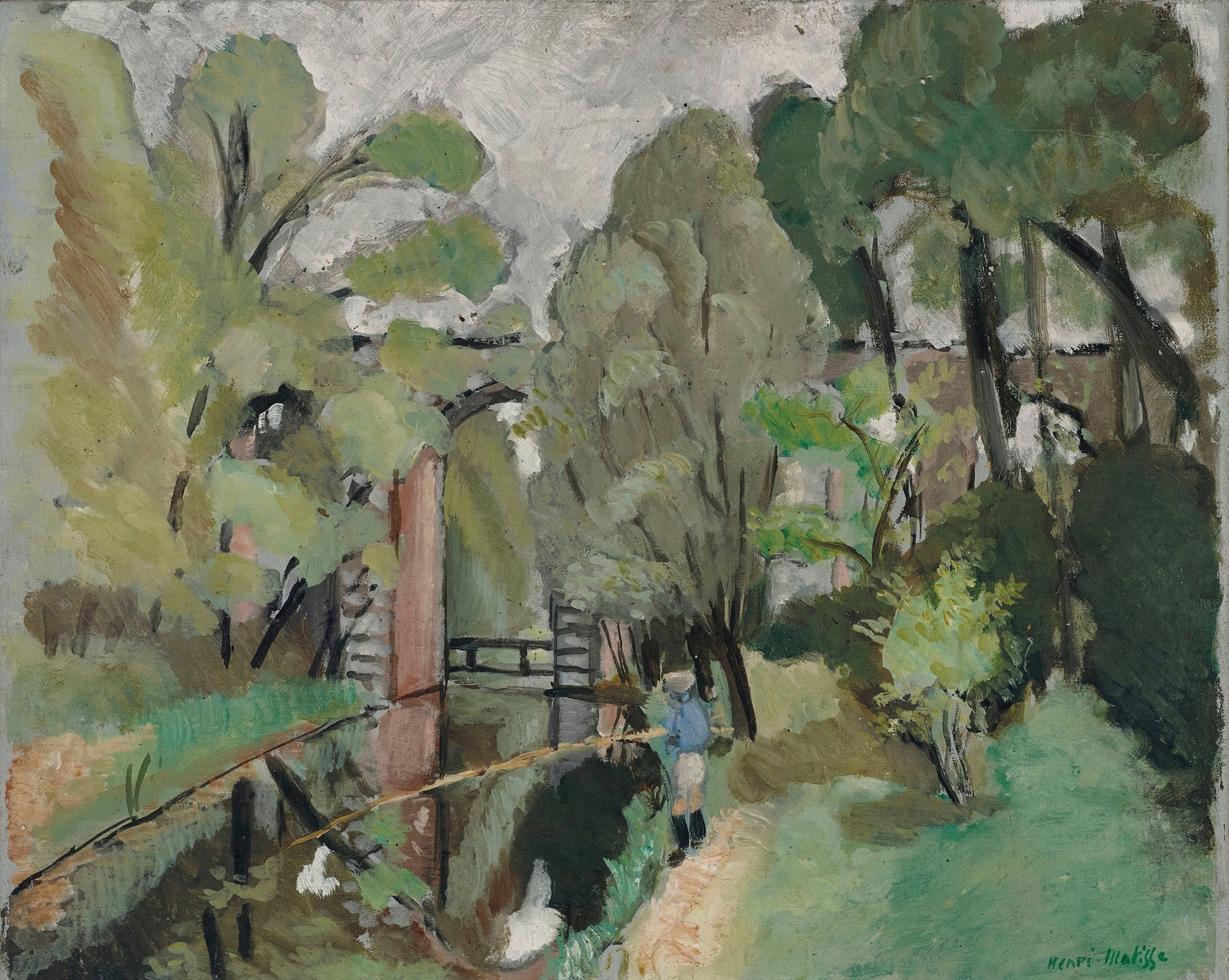
Le Petit pêcheur, Maintenon
Henri Matisse
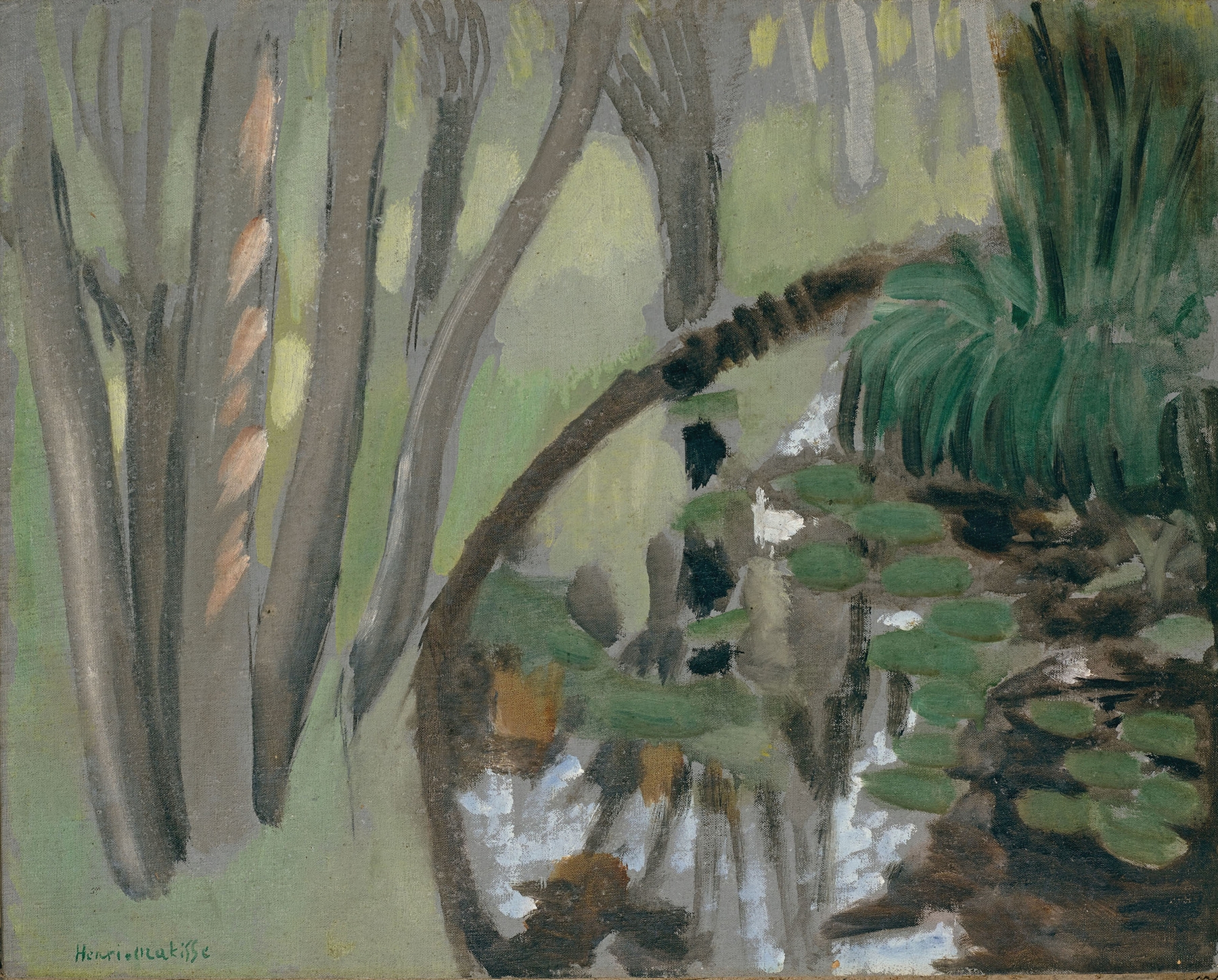
Le ruisseau, Maintenon
Henri Matisse
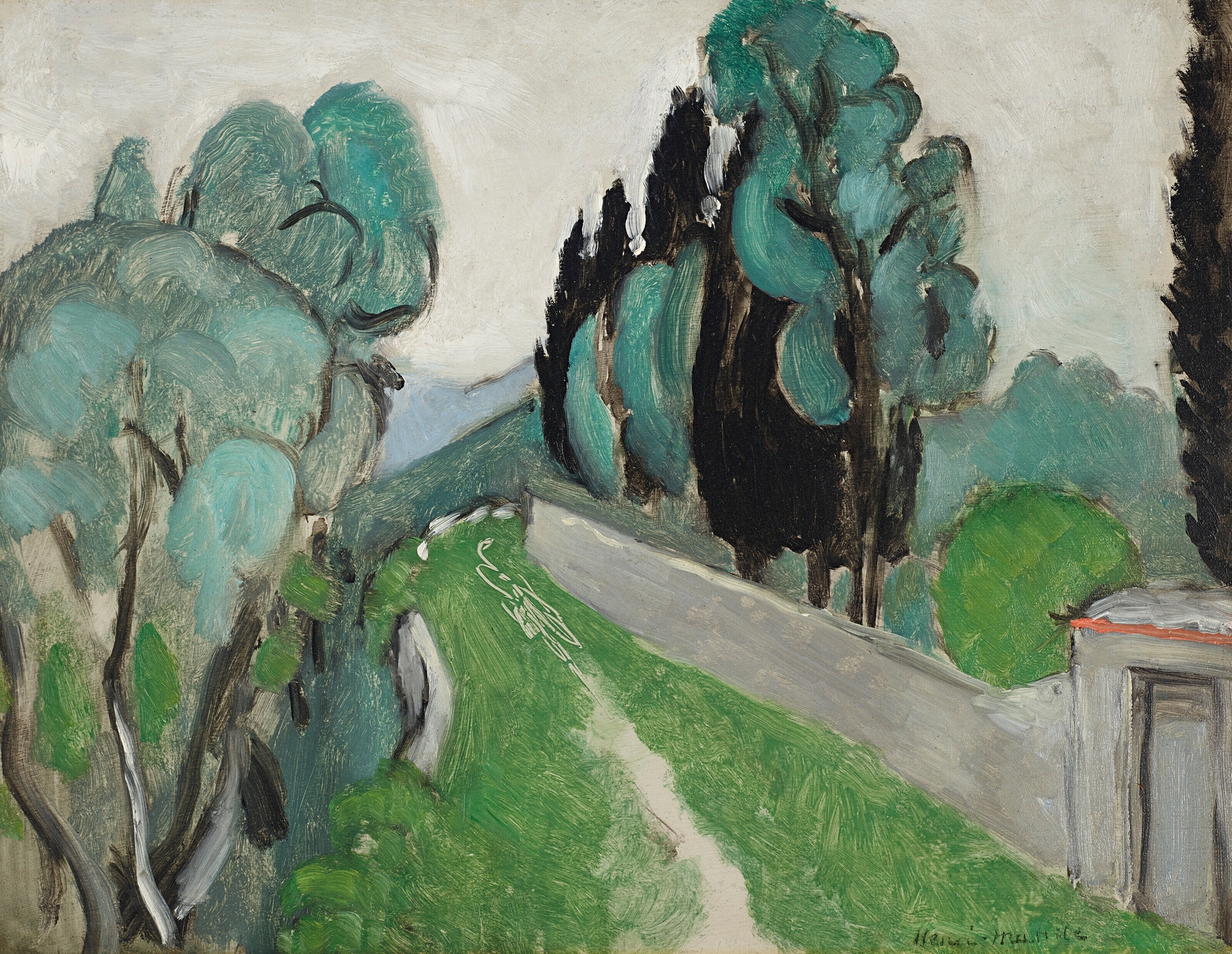
Paysage avec cyprès et oliviers aux environs de Nice
Henri Matisse
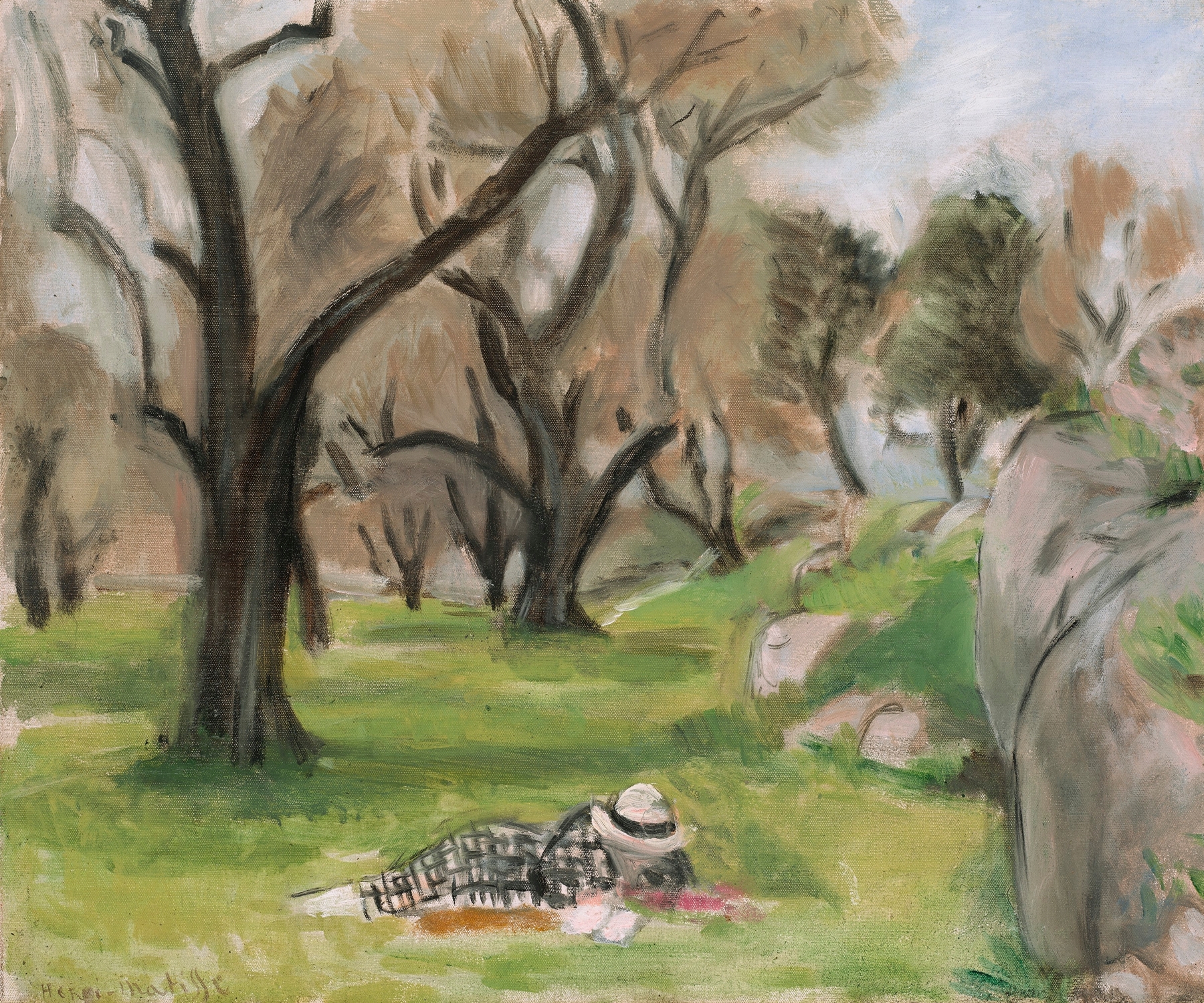
Paysage du Midi
Henri Matisse
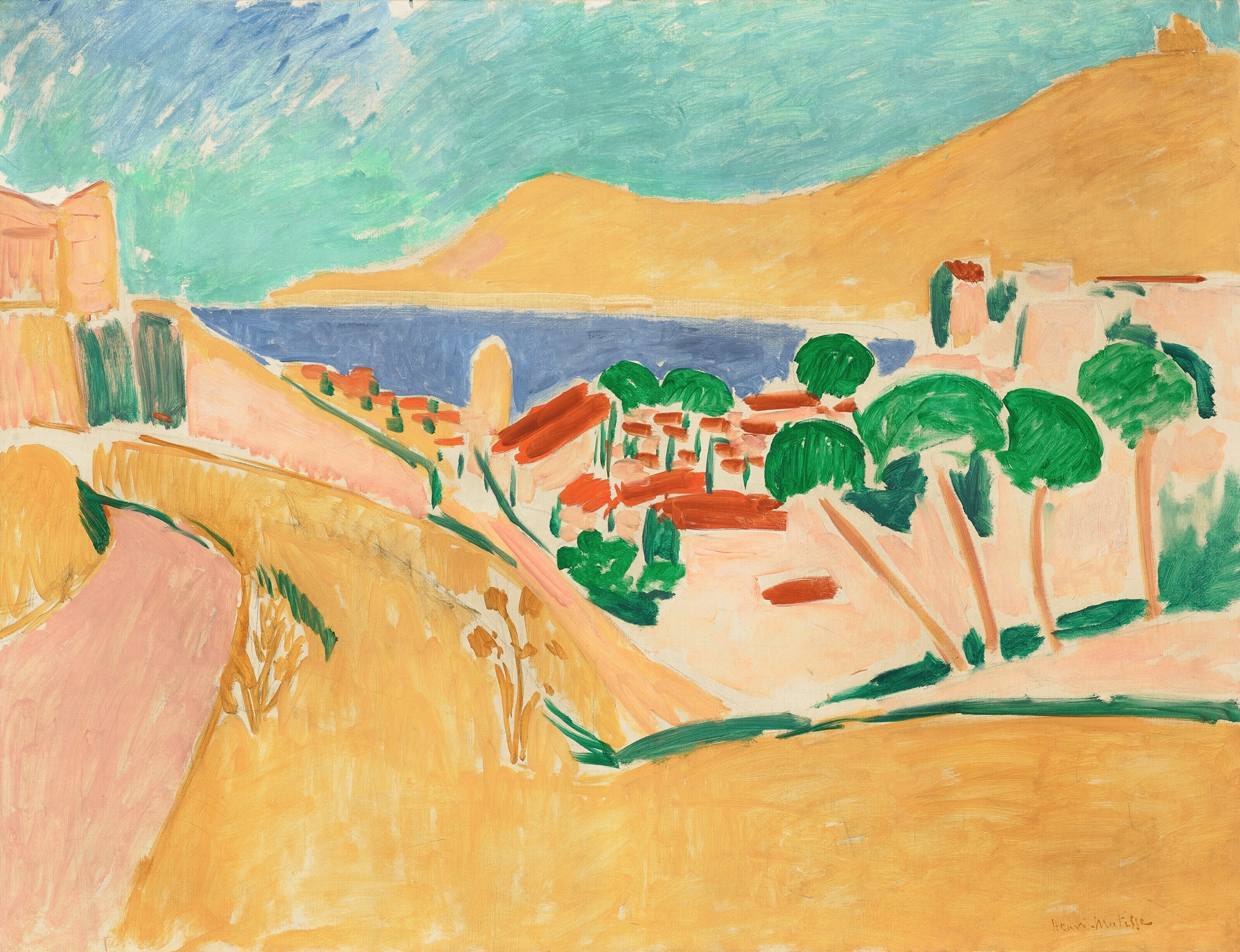
Collioure en août
Henri Matisse