
The descent of Christ into limbo — History & Facts
No other subject from the Christian narrative inspired more speculation and artistic invention in 15th-century Venice than Christ’s harrowing of hell. The descent of Christ into limbo by Giovanni Bellini stands as one of the earliest known treatments of this theme in Venetian painting, and its authorship has long been a subject of scholarly curiosity. Painted around 1450, when Bellini was still a young artist, the work is often cited as a rare glimpse into the formative years of a painter who would later define the Venetian Renaissance. At the heart of the composition is the moment after the Crucifixion, when, according to apocryphal tradition, Christ descends to the underworld to liberate the righteous souls awaiting redemption.
The artist fixes our attention on Christ as he steps forward, his hand extended toward Adam, who emerges from the shadowy mouth of limbo. The rocky archway, jagged and dark, frames the figures, while a faint, golden light radiates from Christ’s halo, breaking the gloom. Unlike the later, more theatrical renditions by Andrea Mantegna, Bellini’s Christ is gentle and almost contemplative, emphasizing mercy rather than triumph.
The sparse landscape and restrained gestures focus the viewer on the drama of salvation itself. The early date and uncertain medium of The descent of Christ into limbo have made it a touchstone for discussions about Bellini’s artistic origins. While the painting’s patron remains unknown, its small scale and devotional subject suggest it was intended for private contemplation rather than public display. Over the centuries, the work’s attribution has shifted, with some early scholars proposing it was by Jacopo Bellini, Giovanni’s father, before consensus settled on Giovanni himself.
Today, the painting is recognized as a key link between the Gothic traditions of the early 15th century and the emerging naturalism of the Venetian Renaissance, marking the quiet beginnings of an artist whose influence would be felt for generations.
More Artworks by Giovanni Bellini
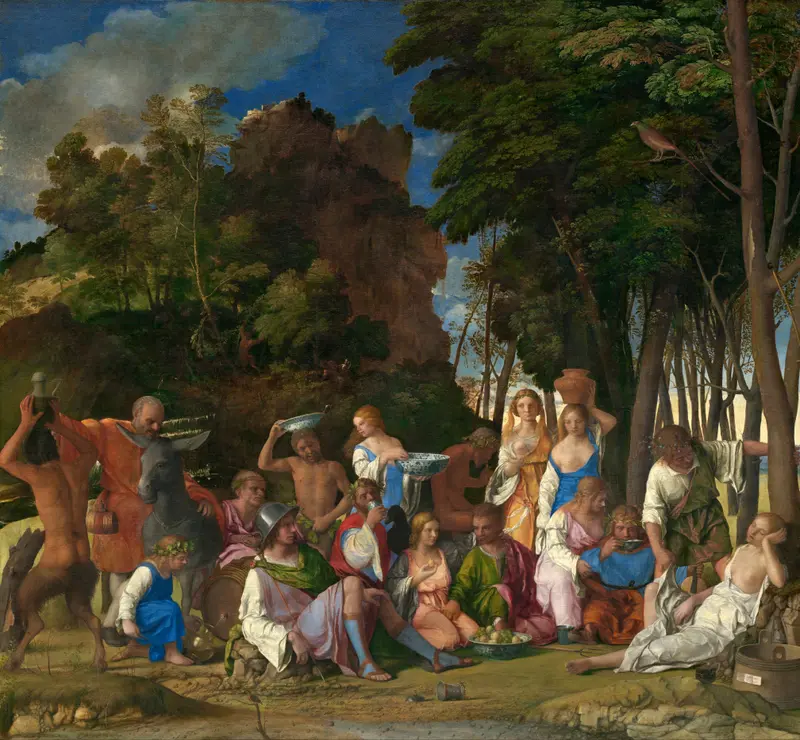
The Feast of the Gods
Giovanni Bellini

Madonna and Child enthroned with Saints and Angels
Giovanni Bellini
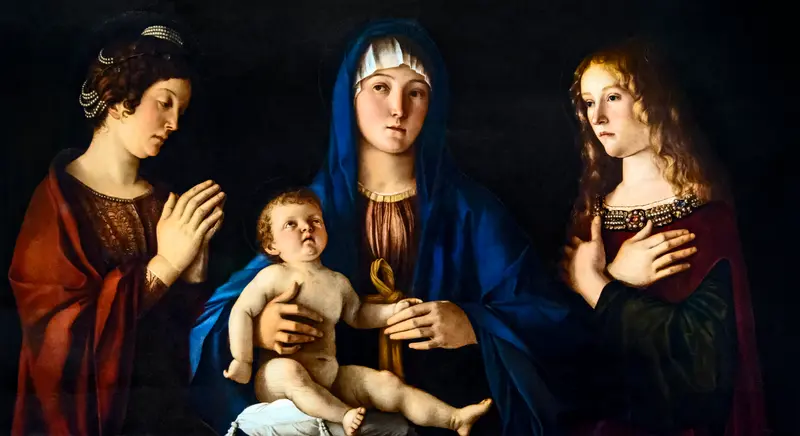
Madonna and Child between Saints Catherine and Mary Magdalene
Giovanni Bellini
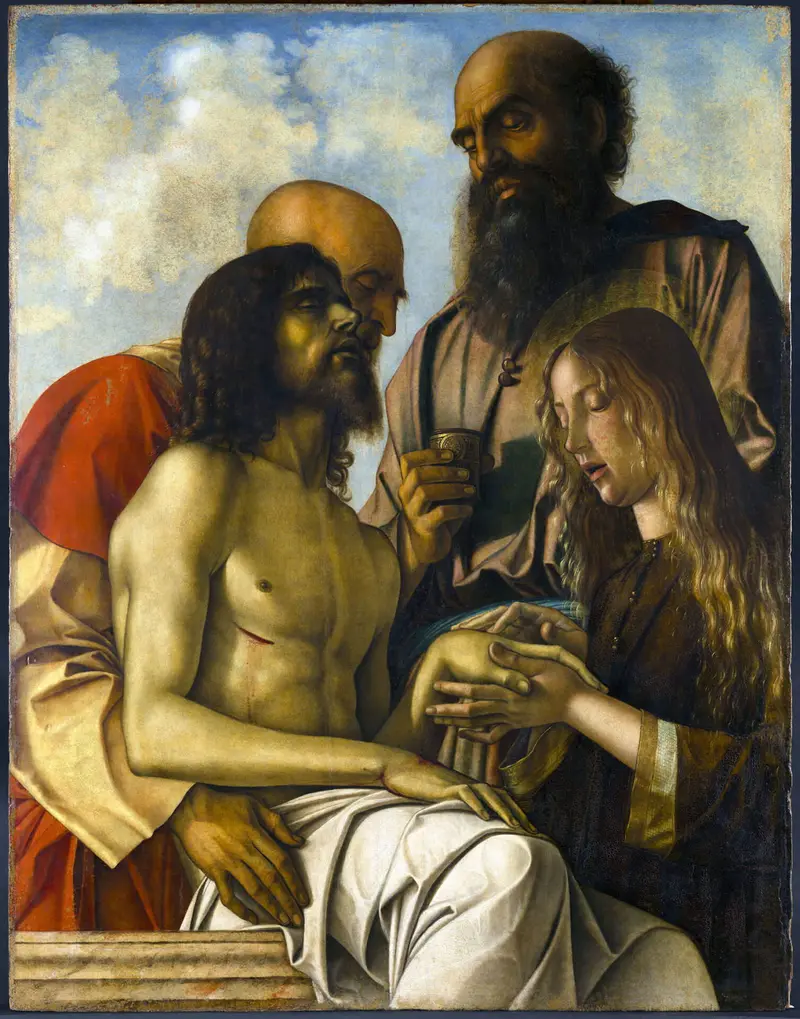
Lamentation over the Dead Christ
Giovanni Bellini
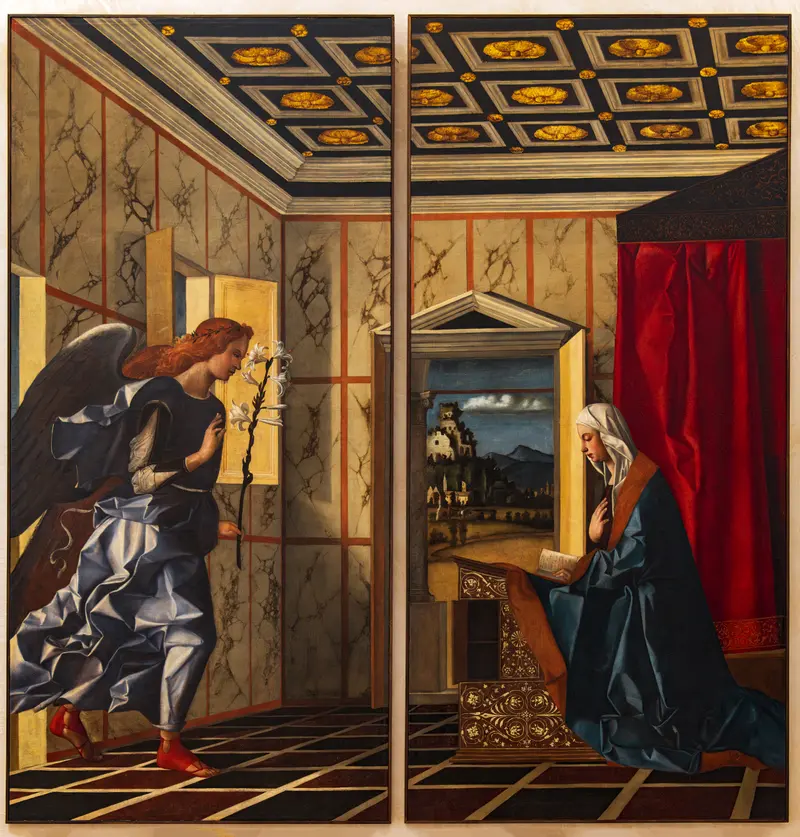
Annunciation
Giovanni Bellini
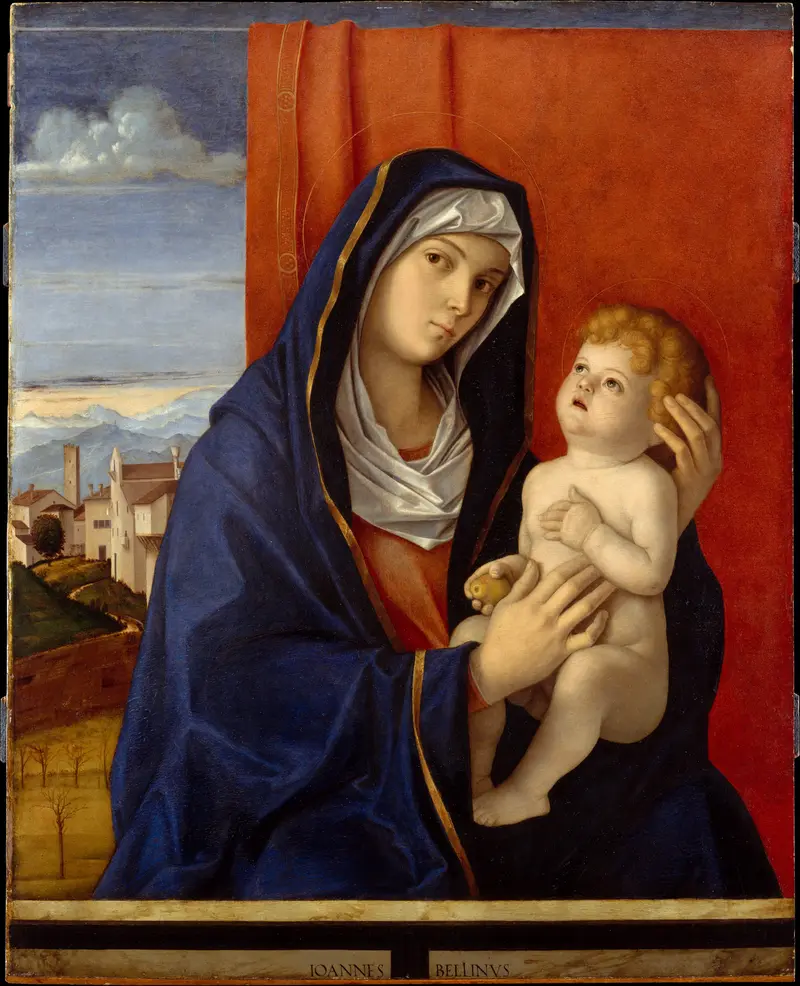
Madonna and Child
Giovanni Bellini
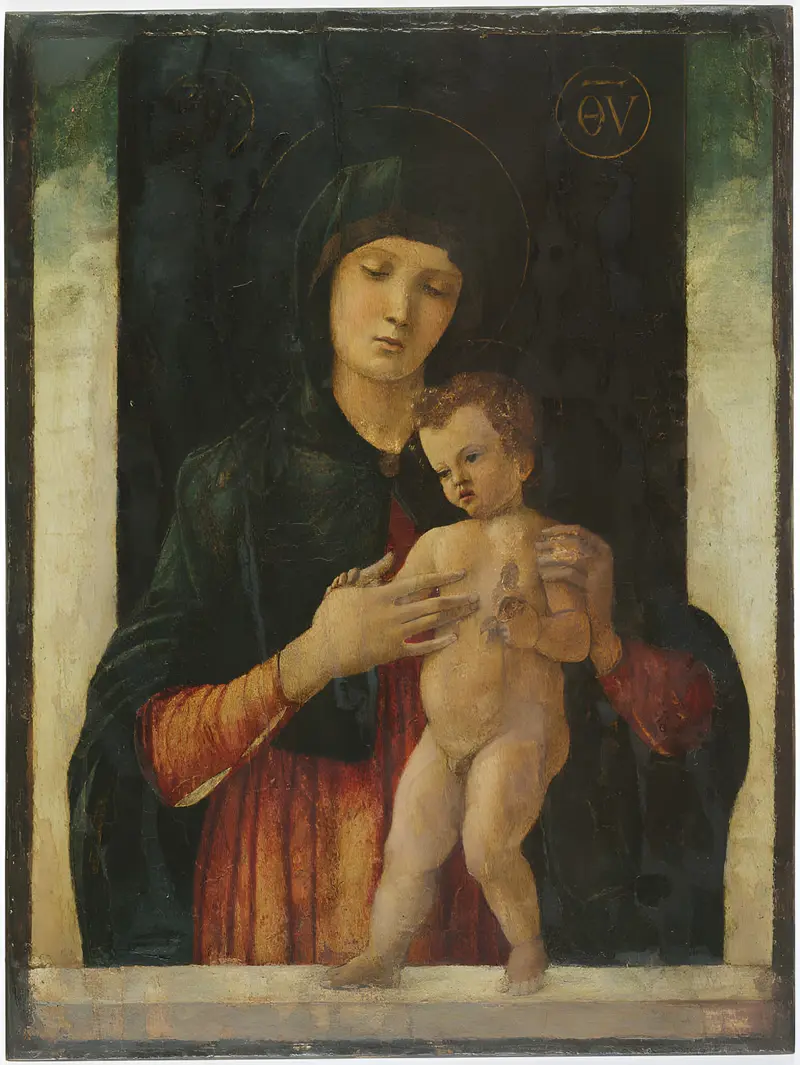
The Virgin and Child
Giovanni Bellini
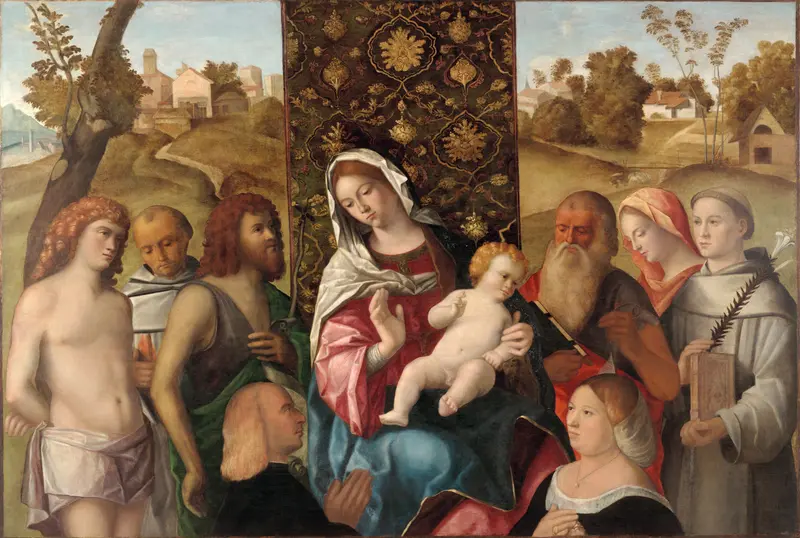
Virgin and Child with Saints Sebastian, Francis, John the Baptist, Jerome, an unidentified female saint, Saint Anthony of Padua and two donors
Giovanni Bellini
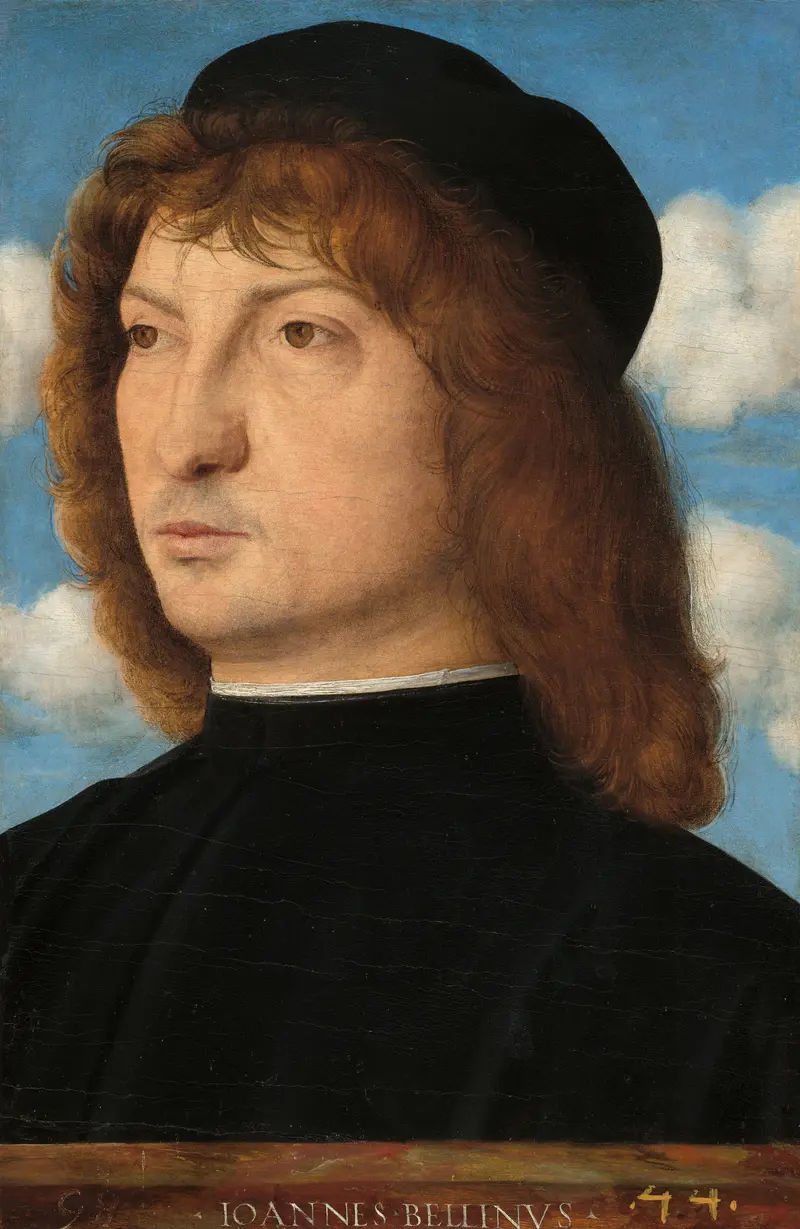
Portrait of a Venetian Gentleman
Giovanni Bellini
Portrait of a Young Man
Giovanni Bellini





