
The Devil Sowing Tares — History & Facts
A horned, winged figure steals the eye immediately, striding with a wicked grin across a freshly tilled field—this is no ordinary sower, but the Devil himself, caught in the act of scattering tares among sleeping laborers. The painter, Abraham Bloemaert, chooses a moment of uneasy stillness: the workers, sprawled in exhaustion, are oblivious to the mischief unfolding just steps away. The light falls softly on their bodies, highlighting the vulnerability of their sleep, while the Devil’s form is picked out with a sharper, almost theatrical clarity, his red wings and twisted tail unmistakable against the gentle Dutch countryside.
Even the tools—abandoned in the foreground—speak of human effort paused, of a world left unguarded. This is a scene steeped in the allegorical tradition of late Renaissance Northern Europe, where painters like Bloemaert delighted in weaving biblical parables into the fabric of everyday life. The contrast between the warm, earthbound palette of the resting figures and the unnatural, almost lurid tones of the Devil signals the intrusion of evil into the ordinary. The composition draws the viewer’s eye from the clustered, slumbering bodies to the solitary, purposeful stride of the tempter, then onward to the distant manor where, perhaps, the consequences of this act will soon unfold.
In an era when such paintings were commissioned for moral instruction as much as for decoration, every detail would have been read as a warning: vigilance is never wasted, for danger comes when least expected. Little is recorded about the journey of this particular The Devil Sowing Tares, now held in the Art UK collection. Yet its subject and style speak to a time when art was a battleground for the soul, and painters like Bloemaert stood at the crossroads of faith, folklore, and the everyday. The world that produced this work was one of anxious watchfulness, where the boundaries between the visible and the invisible, the mundane and the miraculous, were always in question.
Let your eyes linger on the Devil’s backward glance—a reminder that, in this painted world, the story is never quite finished.
More Artworks by Abraham Bloemaert

Adam and Eve
Abraham Bloemaert
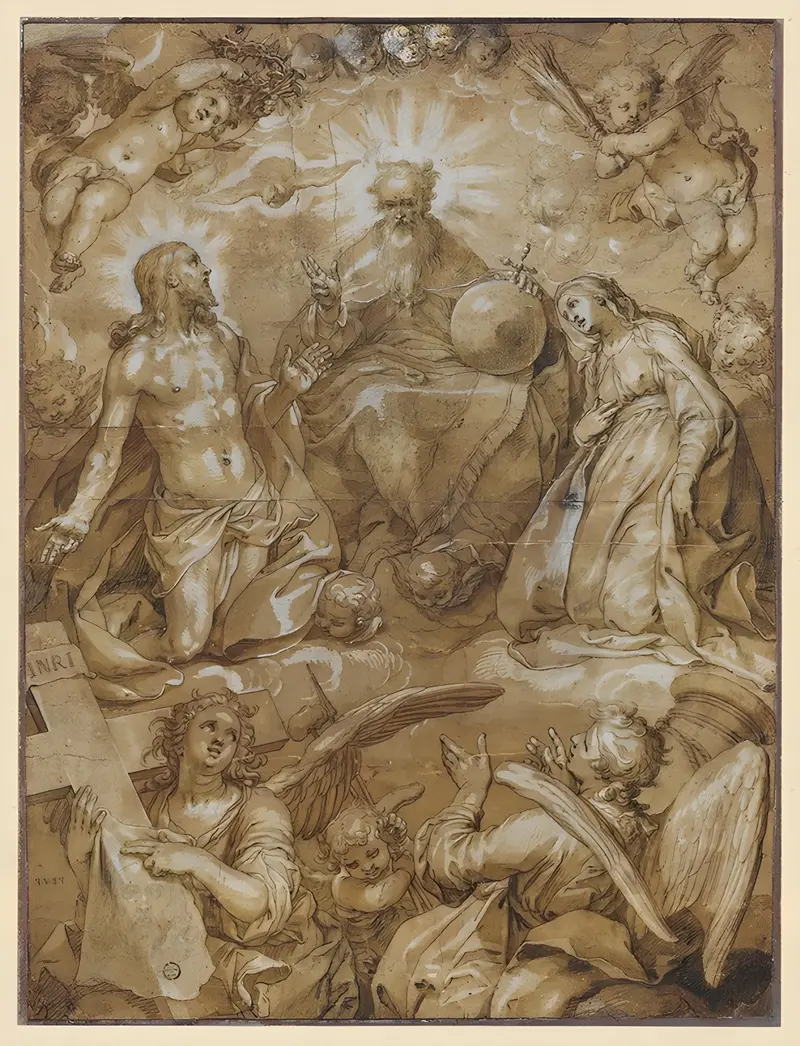
Intercession of Christ and Mary before God the Father
Abraham Bloemaert
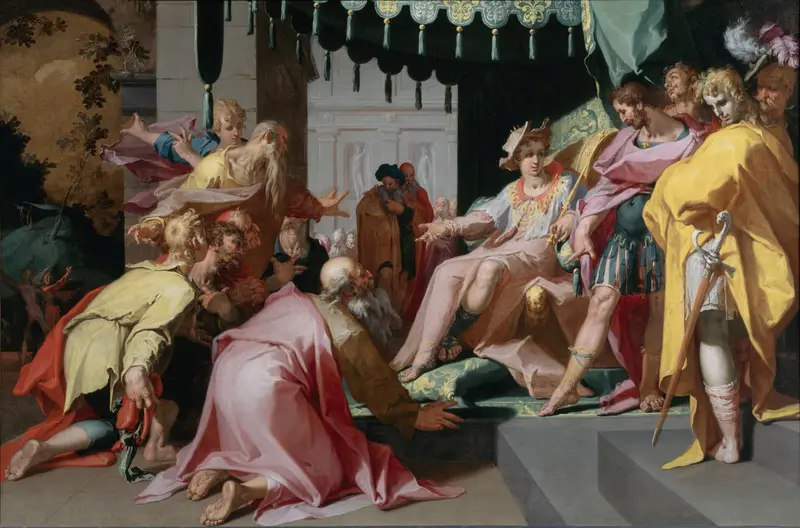
Joseph and his Brothers
Abraham Bloemaert
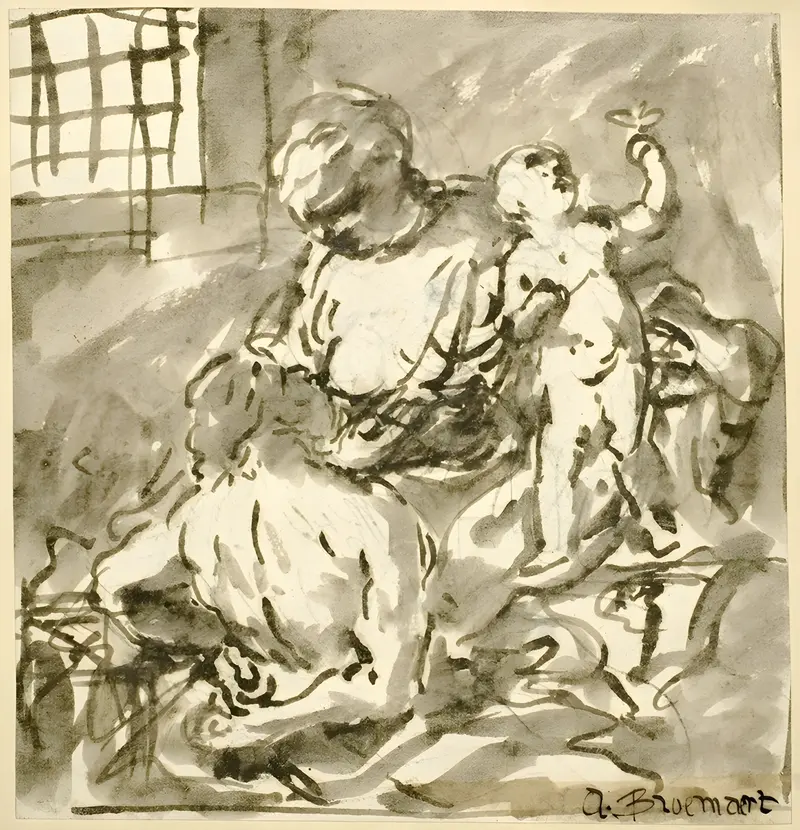
Caritas Romana
Abraham Bloemaert
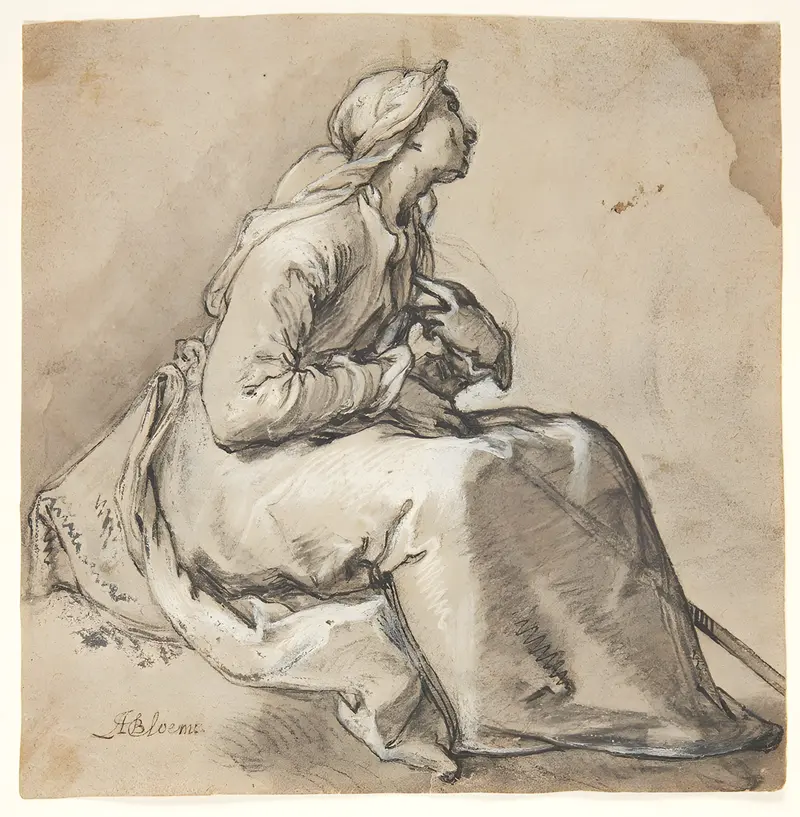
A seated woman facing right
Abraham Bloemaert
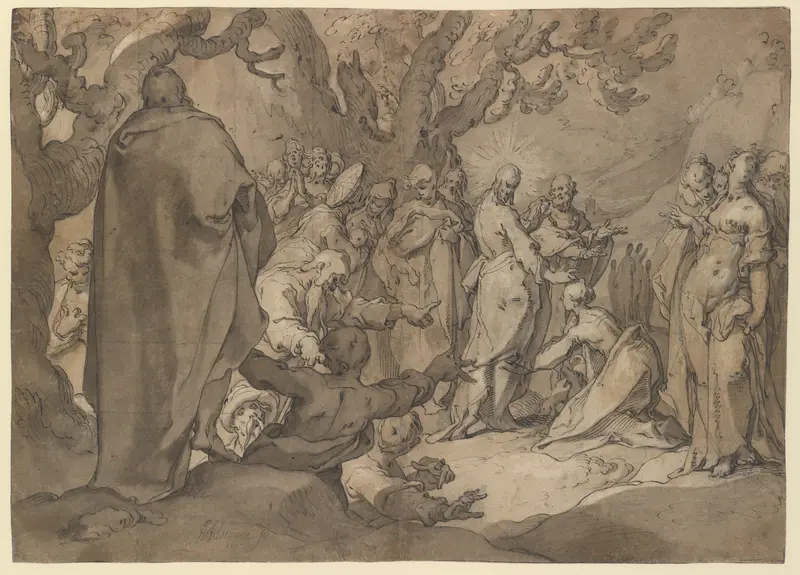
Christ and the Canaanite Women
Abraham Bloemaert
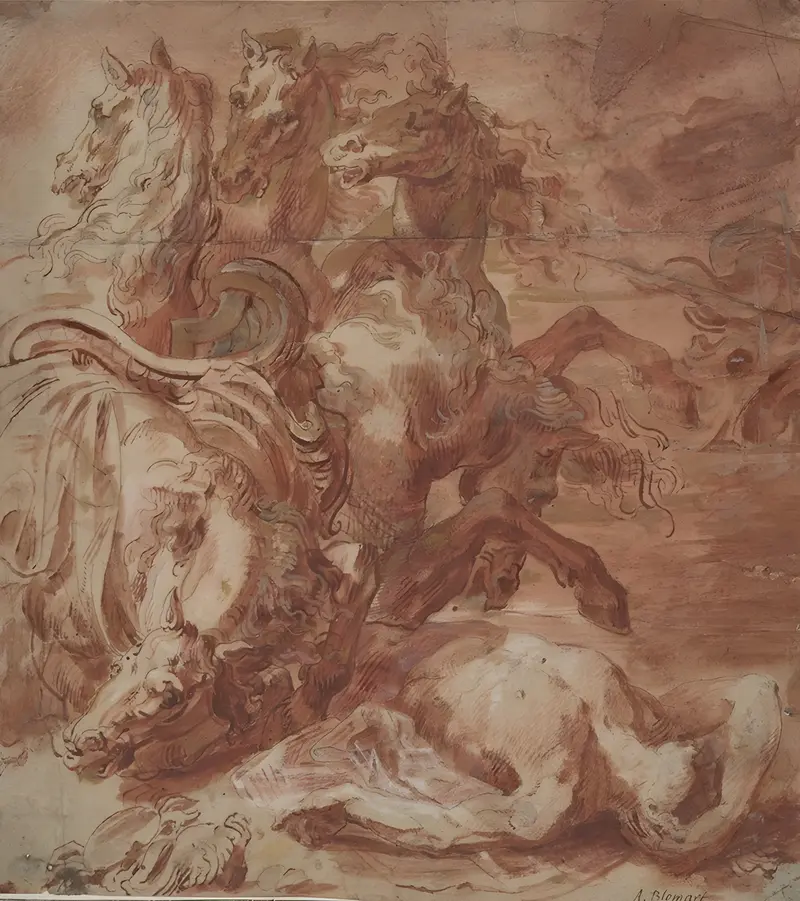
Hippolytus
Abraham Bloemaert
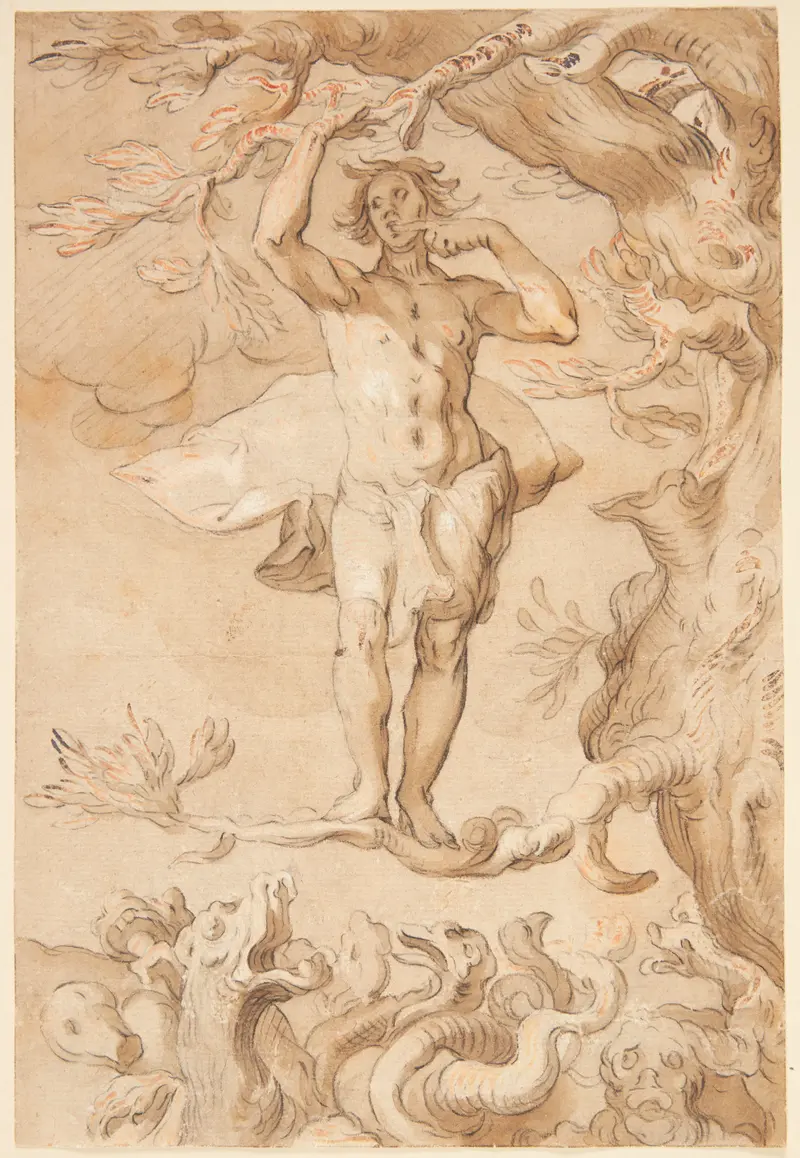
Den menneskelige glædes skrøbelighed En mand, der jages af en drage, klynger sig til en gren, mens han slikker honning af sin finger
Abraham Bloemaert

Moses Striking the Rock
Abraham Bloemaert
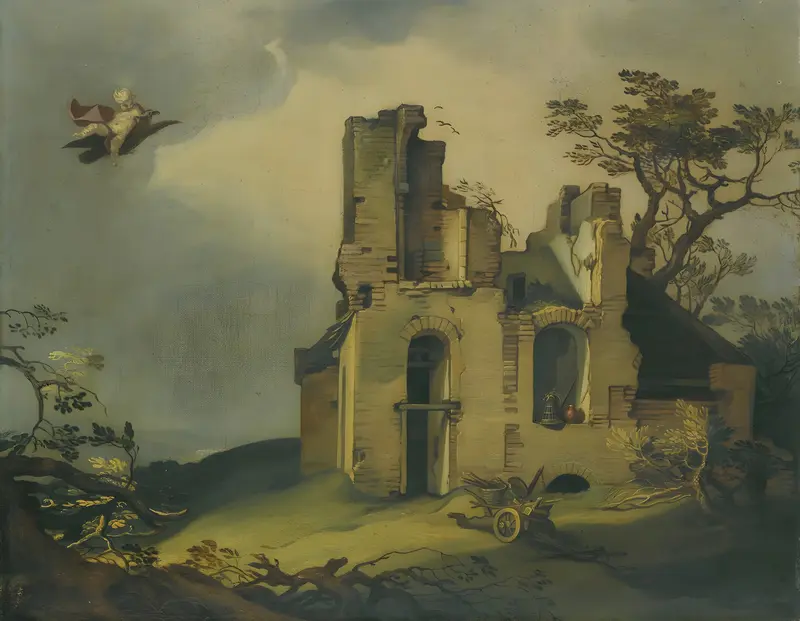
A Landscape With Ruins, With The Rape Of Ganymede
Abraham Bloemaert





