
The Dog Killer — History & Facts
What if silence could speak through light? In The Dog Killer, a haunting stillness envelops the scene, inviting viewers to contemplate the weight of absence and loss. Focus first on the figure shrouded in shadow, whose posture conveys a heavy burden. The muted palette of earthy browns and grays enhances the somber atmosphere, while a sliver of light highlights the distant horizon, whispering of hope that feels just out of reach. Notice how the dog, lying motionless, becomes a poignant focal point in the foreground, embodying both innocence and tragedy, urging us to reflect on the fragility of life. Delve deeper into the painting, where the contrasts between light and dark speak volumes.
The stillness surrounding the figure contrasts sharply with the vibrant hues of the countryside, suggesting a disconnect from the world around them. The tension arises from the gaze of the figure, directed toward the lifeless dog, revealing an emotional struggle between guilt and the inevitability of action taken. Each brushstroke captures a moment frozen in time, allowing viewers to ponder the moral implications of the scene. In the 1870s, during which this piece was created, William P.
Chappel was navigating the complexities of a changing artistic landscape, influenced by the rise of realism. Living in an era marked by social upheaval and conflict, Chappel's work reflects a keen awareness of the darker facets of life, which resonate with audiences seeking raw and unfiltered narratives. As he painted, the world was grappling with the consequences of its actions, mirroring the contemplative silence that defines this striking piece.
More Artworks by William P. Chappel
Browse all →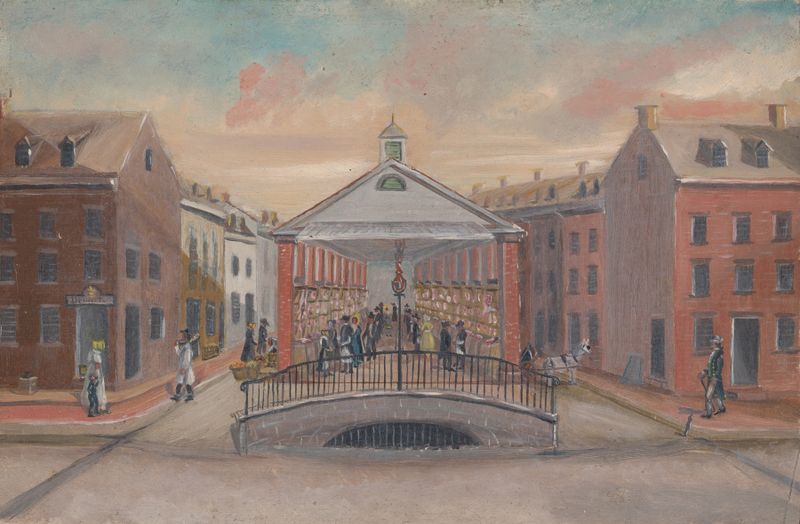
Fly Market
William P. Chappel
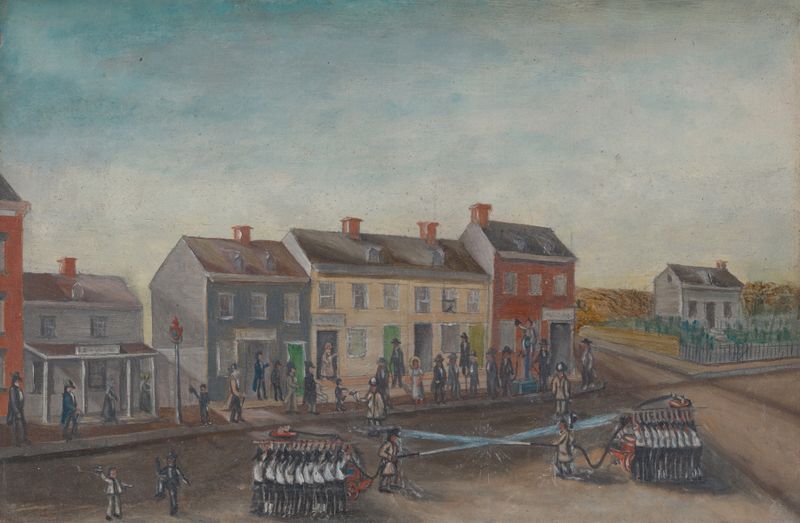
Firemen’s Washing Day
William P. Chappel
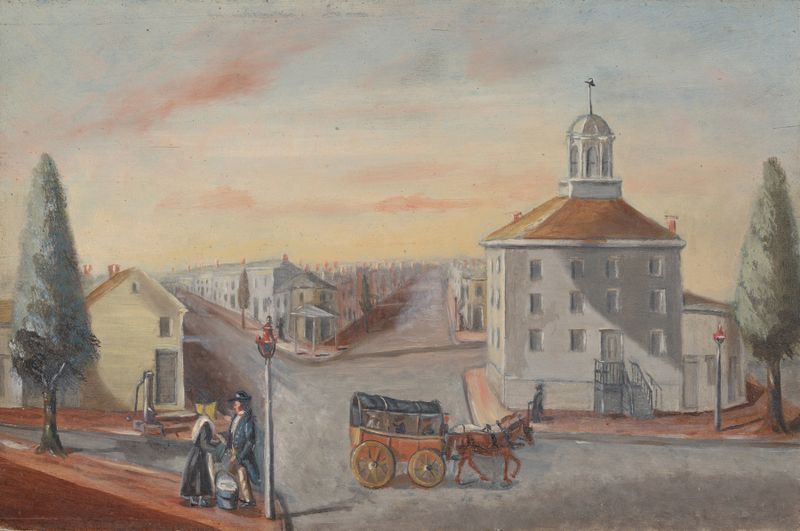
Hot Corn Seller
William P. Chappel
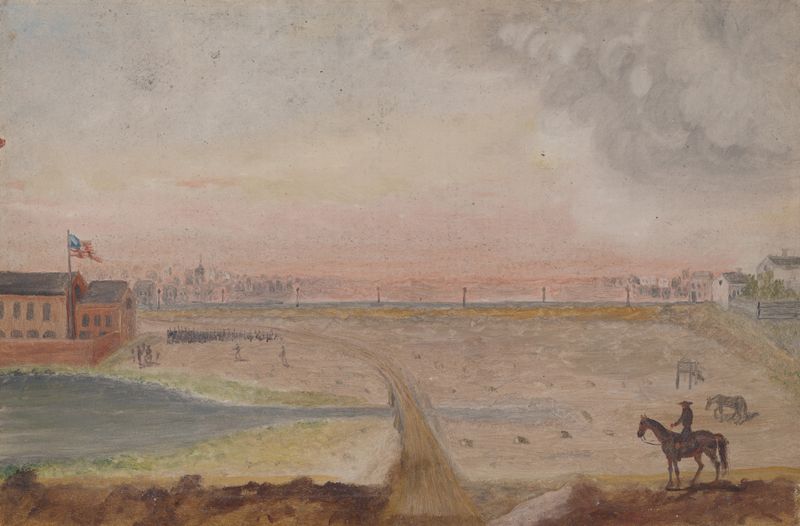
Militia Drilling
William P. Chappel
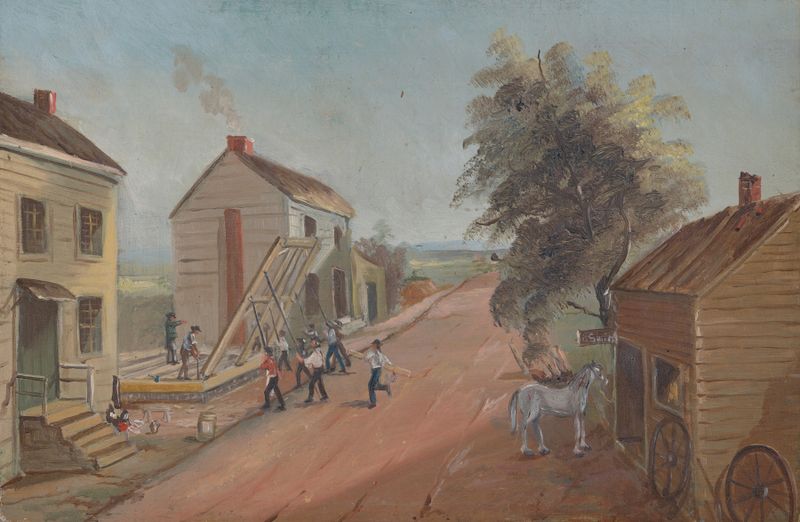
House Raising
William P. Chappel
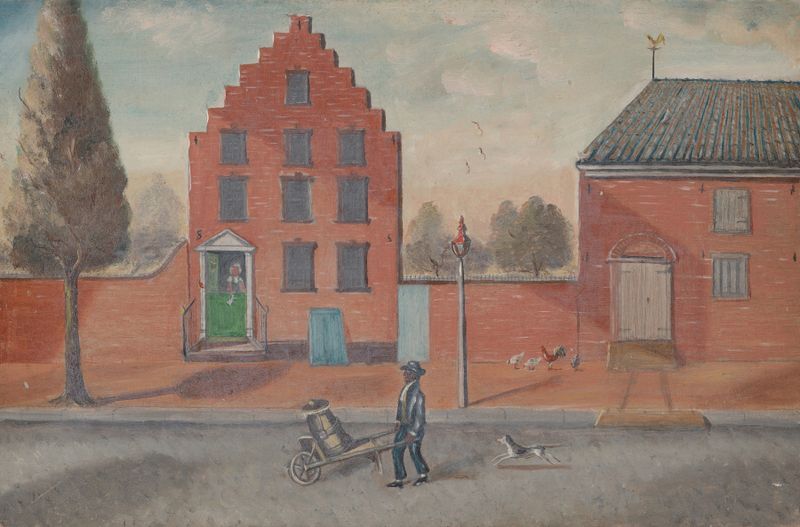
Buttermilk Pedlar
William P. Chappel
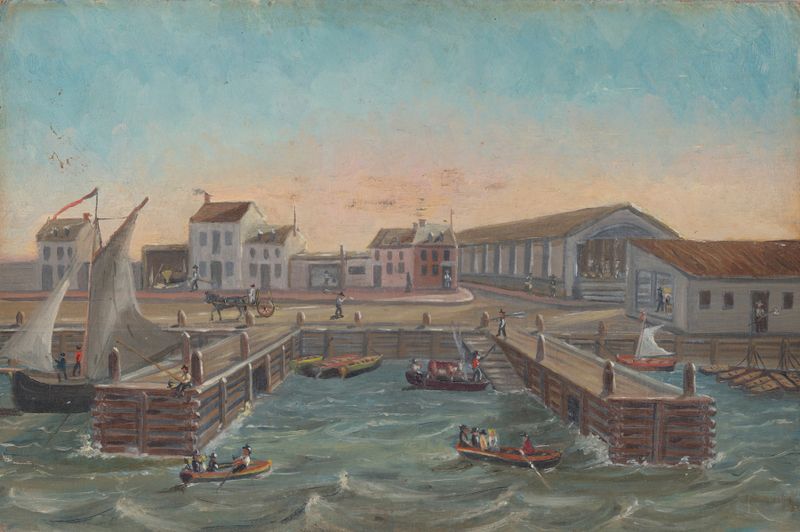
Old Ferry Stairs
William P. Chappel
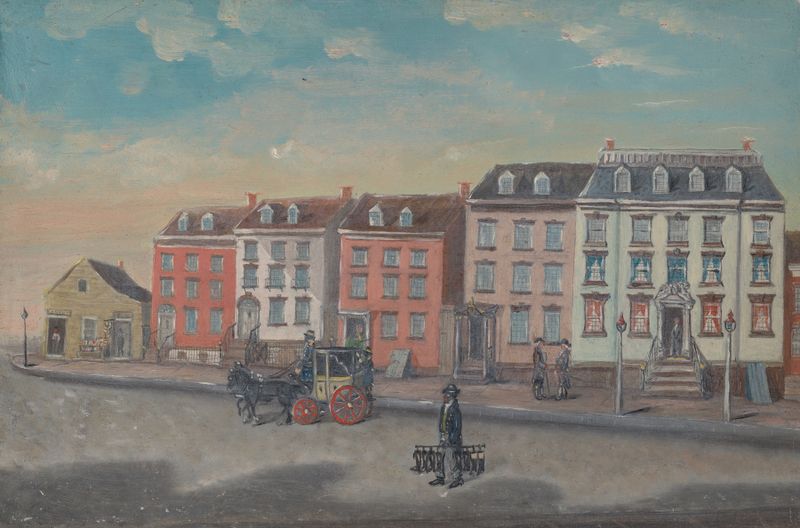
The Boot Black
William P. Chappel
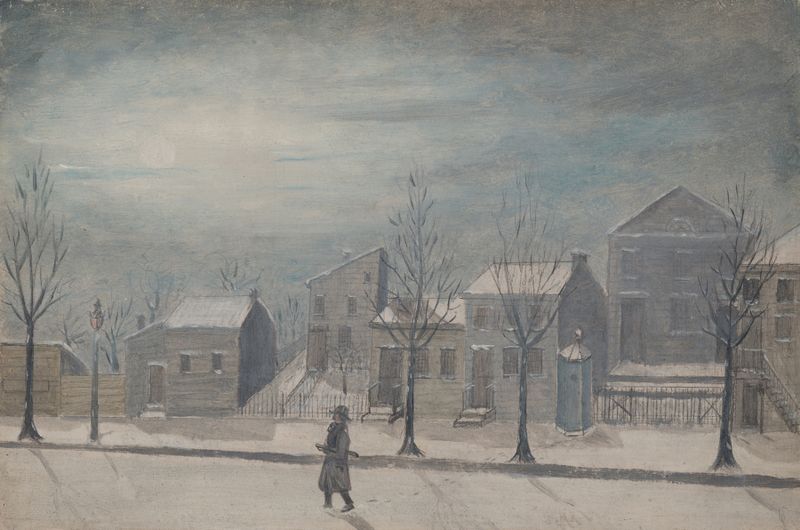
City Watchman
William P. Chappel
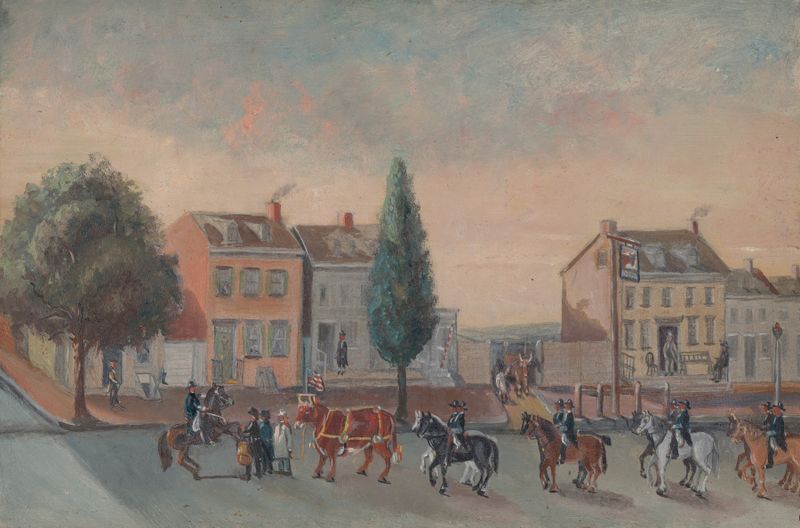
Bull’s Head Tavern
William P. Chappel





