
The Dovecote at Bellevue — History & Facts
In that stillness, longing finds its voice, whispering the stories of a world suspended in time. Focus first on the soft, inviting colors that blend harmoniously, drawing your eyes to the gentle curves of the dovecote nestled among the trees. Notice how the light filters through the leaves, casting dappled shadows that dance across the ground. The muted blues and greens create a sense of tranquility, while splashes of warm earth tones ground the scene, infusing it with life and warmth. Hidden within the tranquil exterior lies a profound emotional depth.
The solitary dovecote symbolizes a longing for connection, a reminder of the fleeting nature of beauty and life. The interplay of light and shadow suggests a moment caught between presence and absence, as if the structure holds memories of what once was. The juxtaposition of the robust stone against the delicate foliage amplifies the emotional tension, inviting viewers to reflect on their own sense of belonging and nostalgia. Painted between 1888 and 1892, this work emerged as Cézanne grappled with his evolving style during a time of artistic experimentation in France.
The late 19th century was marked by a shift towards modernism, as artists began to break away from traditional representation. In this period, Cézanne sought to capture the essence of nature, laying the groundwork for future movements, while personally navigating the complexities of his artistic identity.
More Artworks by Paul Cezanne
Browse all →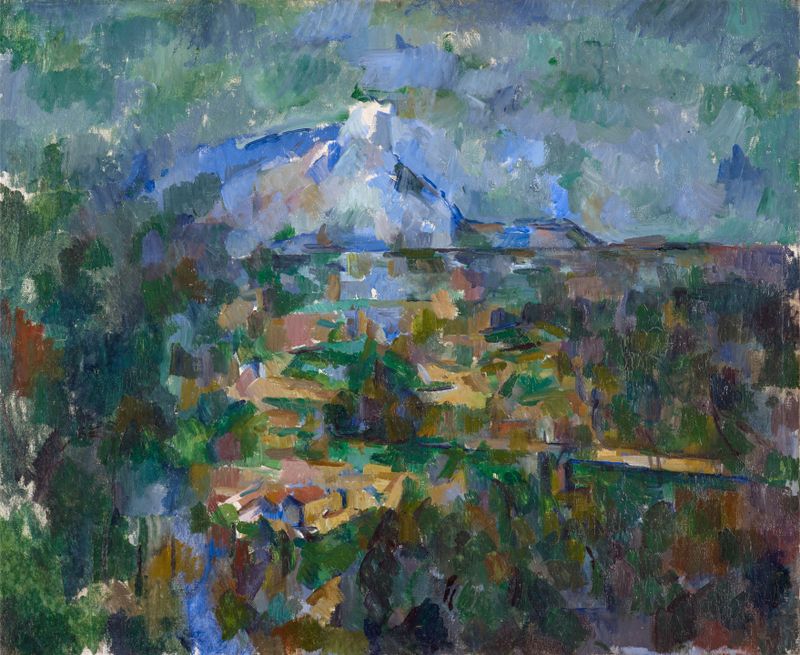
The Mont Sainte-Victoire Seen From Les Lauves
Paul Cezanne
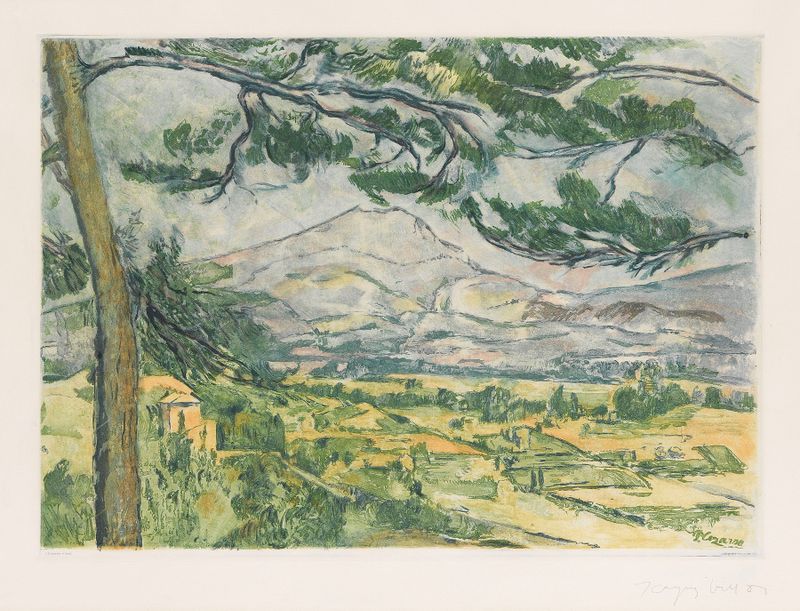
La Montagne Sainte-Victoire
Paul Cezanne
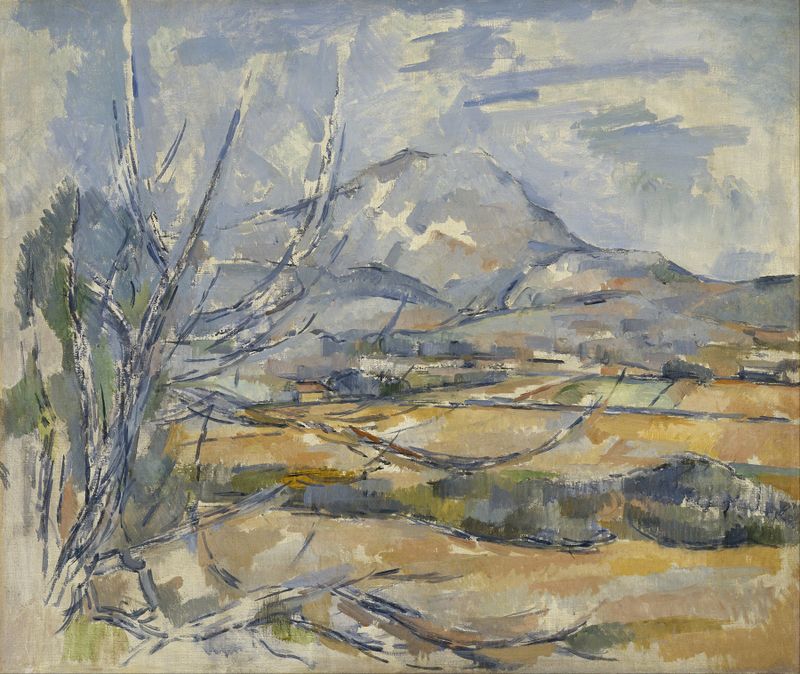
Montagne Sainte-Victoire
Paul Cezanne
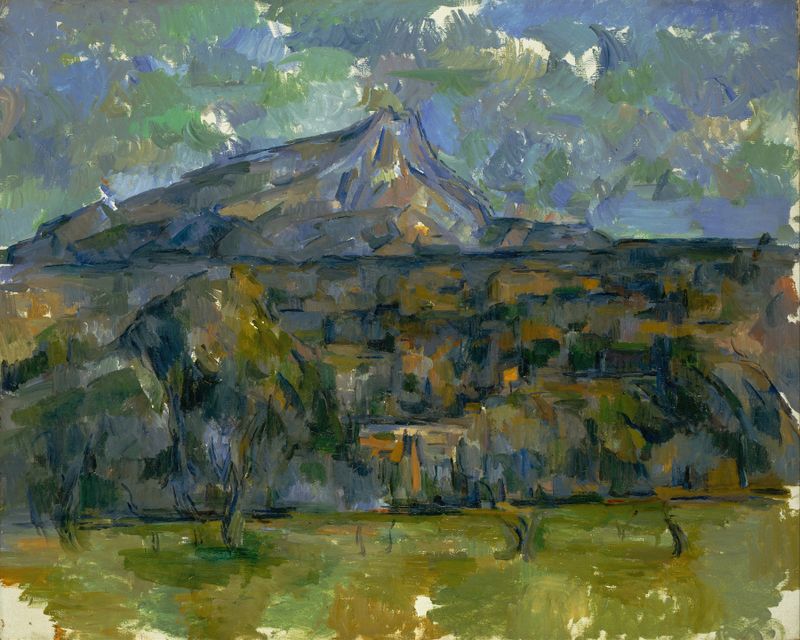
Mont Sainte-Victoire
Paul Cezanne
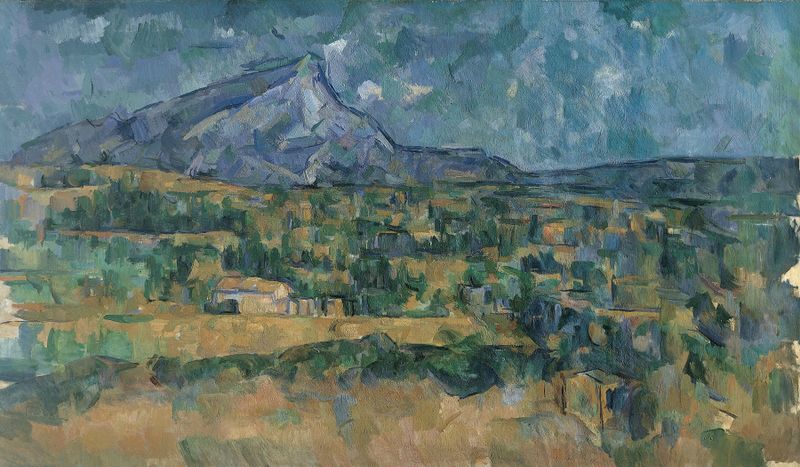
Mont Sainte-Victoire
Paul Cezanne
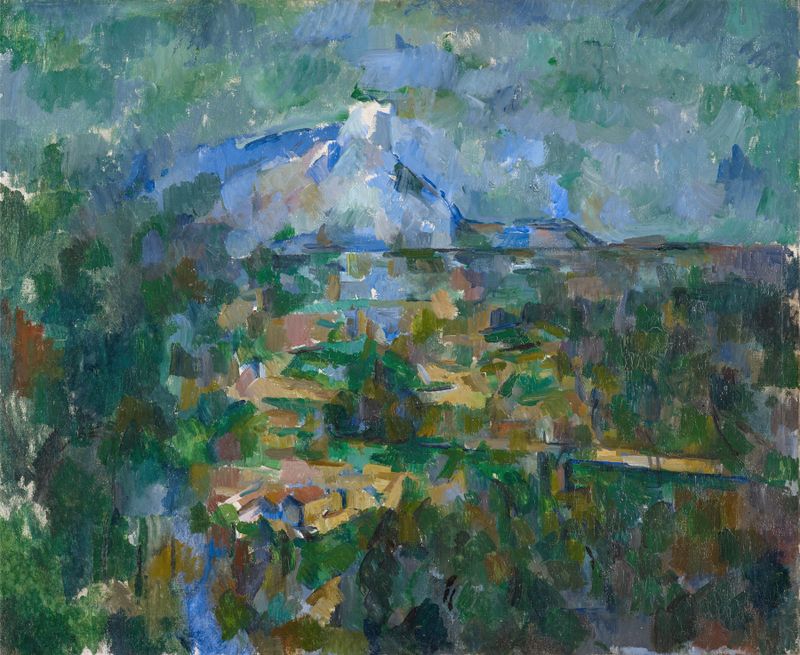
View of Mount Sainte-Victoire from Les Lauves
Paul Cezanne
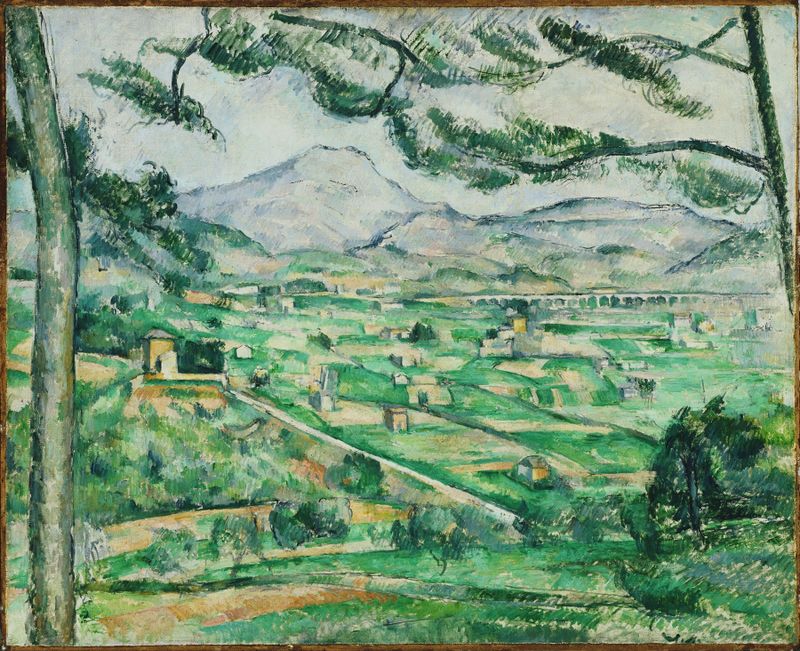
Mont Sainte-Victoire 2
Paul Cezanne

The Basket of Apples
Paul Cezanne

Mount Sainte-Victoire
Paul Cezanne
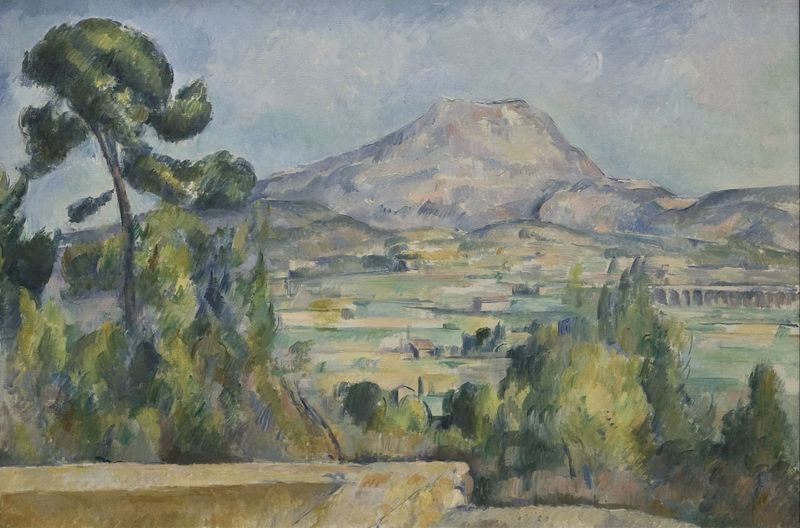
Montagne Saint-Victoire
Paul Cezanne





