
The Drinkers — History & Facts
Can beauty exist without sorrow? In The Drinkers, Vincent van Gogh explores the fine line between joy and despair, illustrating how obsession can intertwine both. This poignant portrayal of figures hunched over a table, drowned in their libations, beckons the viewer into a world where celebration is tinged with melancholic reflection. Look to the left, where the light filters in, casting a warm glow over the animated faces of the drinkers. Their postures are relaxed yet heavy, suggesting a moment caught between revelry and resignation.
The rich, expressive brushstrokes vibrate with color; the deep greens and ochres evoke a sense of intimacy and confinement. Notice how the composition draws the eye toward the central figure, whose vacant gaze hints at the solitude masked by the clinking of glasses. Hidden in the details are themes of obsession and the struggle for connection. The crumbling walls echo the fragility of human relationships, while the overlapping forms of the figures suggest a tangled web of dependency and isolation.
Each character, absorbed in their thoughts, reflects a deeper sense of longing and the weight of their choices. The bottle in the foreground serves as both a source of comfort and a symbol of escape, embodying the duality of their existence. Created in 1890, this work marks a significant moment in the artist's life, painted shortly before his untimely death. At this time, van Gogh struggled with his mental health, seeking solace in art amidst the chaos of his emotions.
The world of art was shifting dramatically, with Post-Impressionism gaining momentum, and van Gogh's innovative use of color and form positioned him as a pivotal figure in this evolving landscape.
More Artworks by Vincent van Gogh
Browse all →
Starry Night
Vincent van Gogh
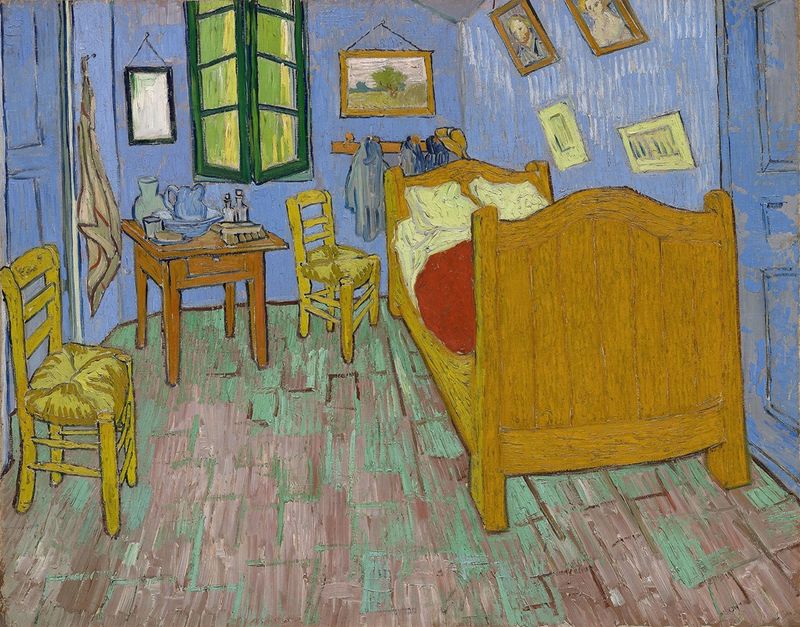
The Bedroom
Vincent van Gogh
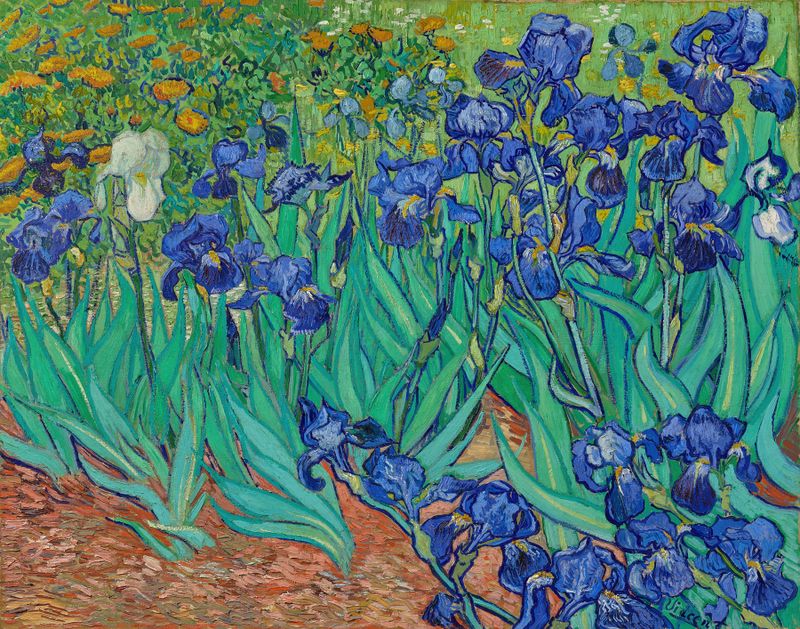
Irises
Vincent van Gogh
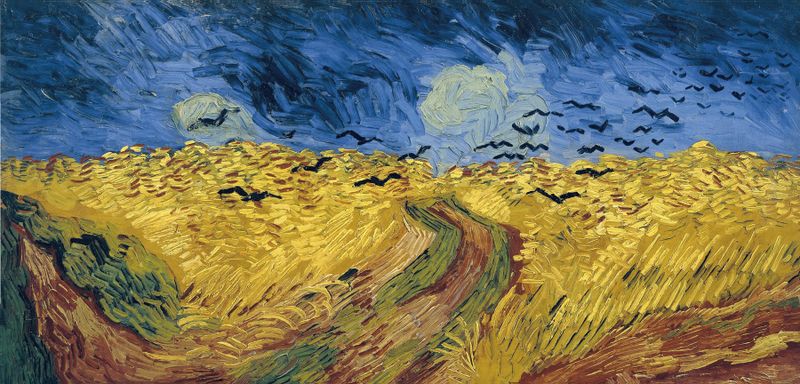
Wheatfield with Crows
Vincent van Gogh
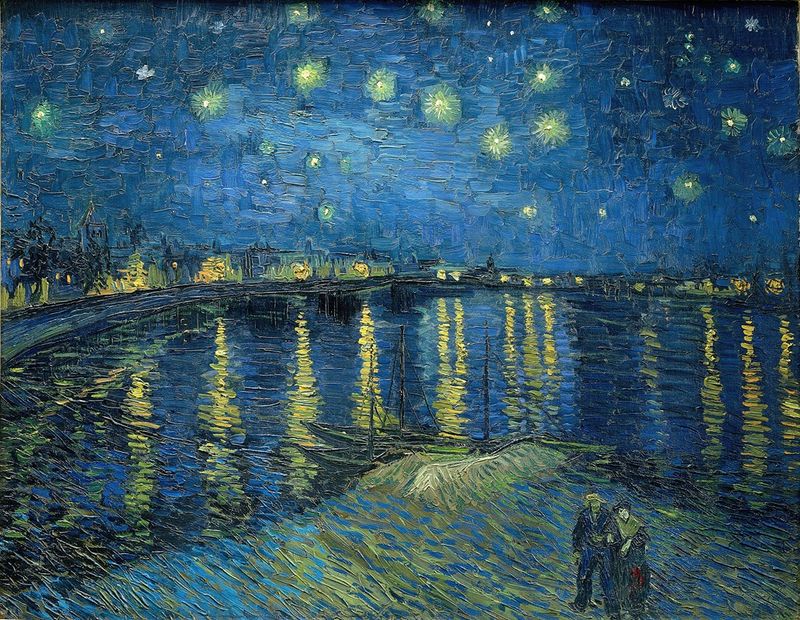
Starry Night over the Rhone
Vincent van Gogh

The yellow house
Vincent van Gogh
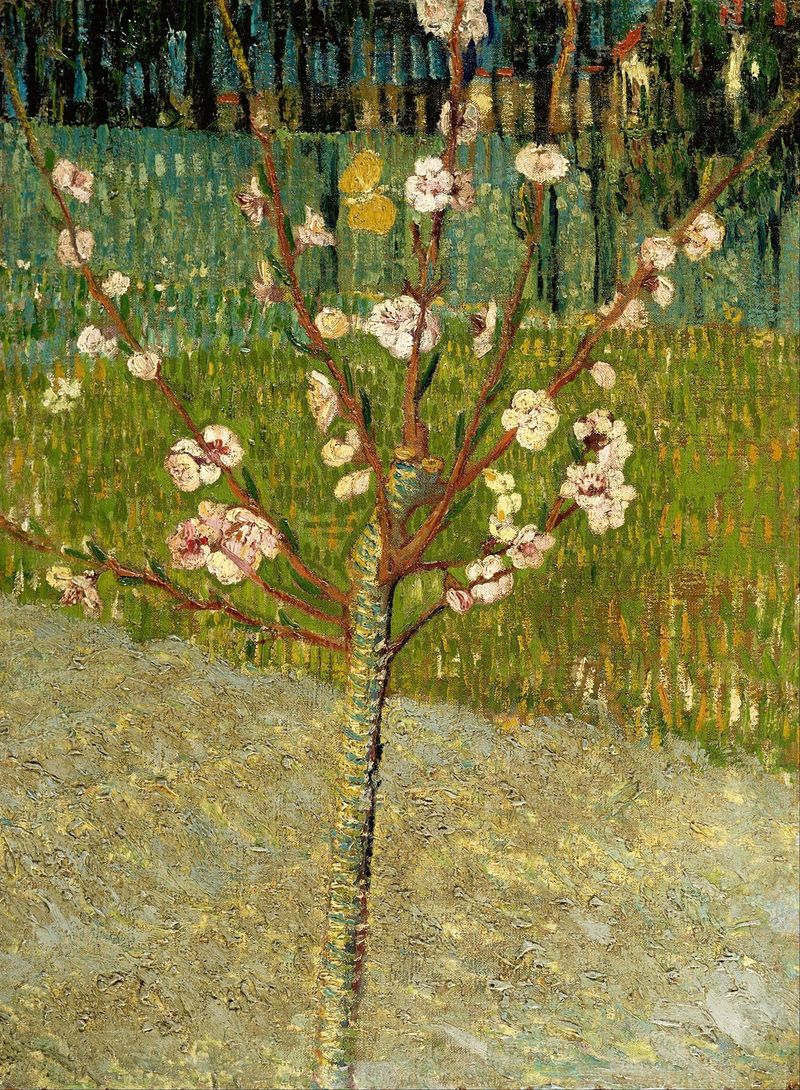
Almond tree in blossom
Vincent van Gogh

Portrait of Dr Gachet
Vincent van Gogh

The Church in Auvers-sur-Oise, View from the Chevet
Vincent van Gogh

Self-Portrait
Vincent van Gogh





