
The Evening Angel — History & Facts
When The Evening Angel was first exhibited in 1848, it marked the earliest public success of the young Alexandre Cabanel, who was just twenty-five at the time. Critics at the Paris Salon noted the work’s blend of academic precision and a delicate, almost personal spirituality, a combination that would become a hallmark of Cabanel’s later career. The painting’s subject—a solitary angel at dusk—was unusual for the period, when grand historical and biblical scenes dominated the Salon.
Its quiet introspection drew attention, and some contemporaries speculated it was inspired by Cabanel’s own reflections on the turbulence of 1848, a year of revolutions across Europe. The angel stands poised at the threshold between day and night, her downcast eyes and gentle hands gathering the last rays of sunlight as if in silent prayer. The soft, golden light caresses her wings and robes, suggesting both the end of a day and the hope of renewal. At her feet, a scatter of lilies hints at purity, while the distant, darkening landscape behind her evokes the world she watches over.
Unlike the triumphant or sorrowful angels of Bouguereau or Ingres, Cabanel’s figure is quiet and meditative, inviting the viewer into a moment of stillness. The composition’s gentle diagonal and the angel’s introspective pose reinforce the sense of transition and contemplation. The exact early provenance of The Evening Angel remains uncertain, as records from Cabanel’s formative years are incomplete. It is likely that the painting was acquired by a private collector soon after its Salon debut, as was common for promising works by rising artists.
Over time, the painting has been included in several retrospectives of Cabanel’s work, reflecting its importance in his development as a painter of religious and allegorical subjects. Today, it is recognized as a key early work, foreshadowing the refined technique and emotional subtlety that would define Cabanel’s later masterpieces.
More Artworks by Alexandre Cabanel
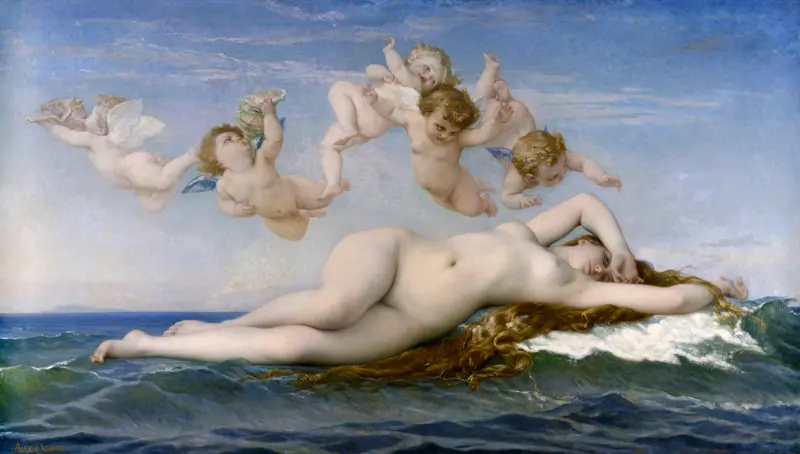
The Birth of Venus
Alexandre Cabanel
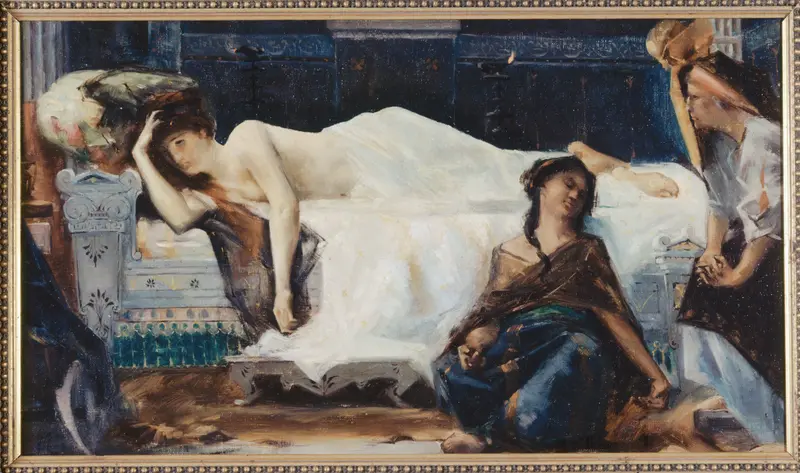
Phèdre
Alexandre Cabanel
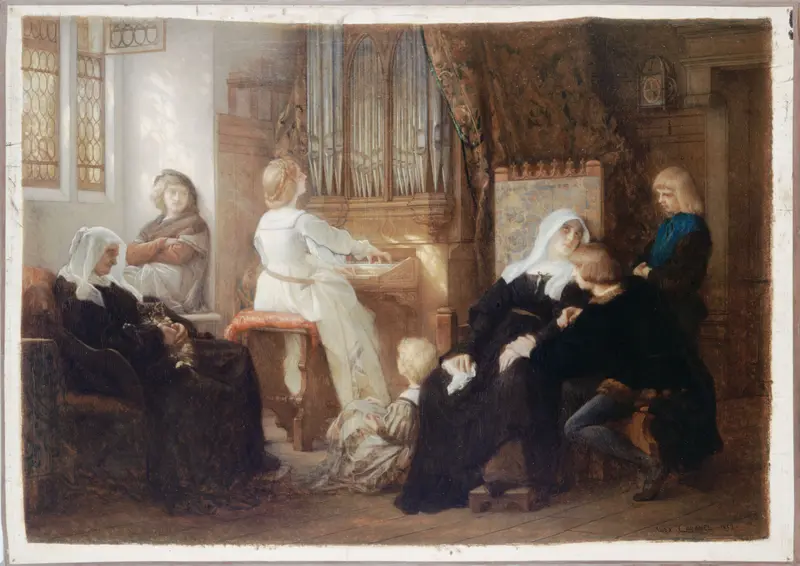
La veuve du maître de chapelle
Alexandre Cabanel
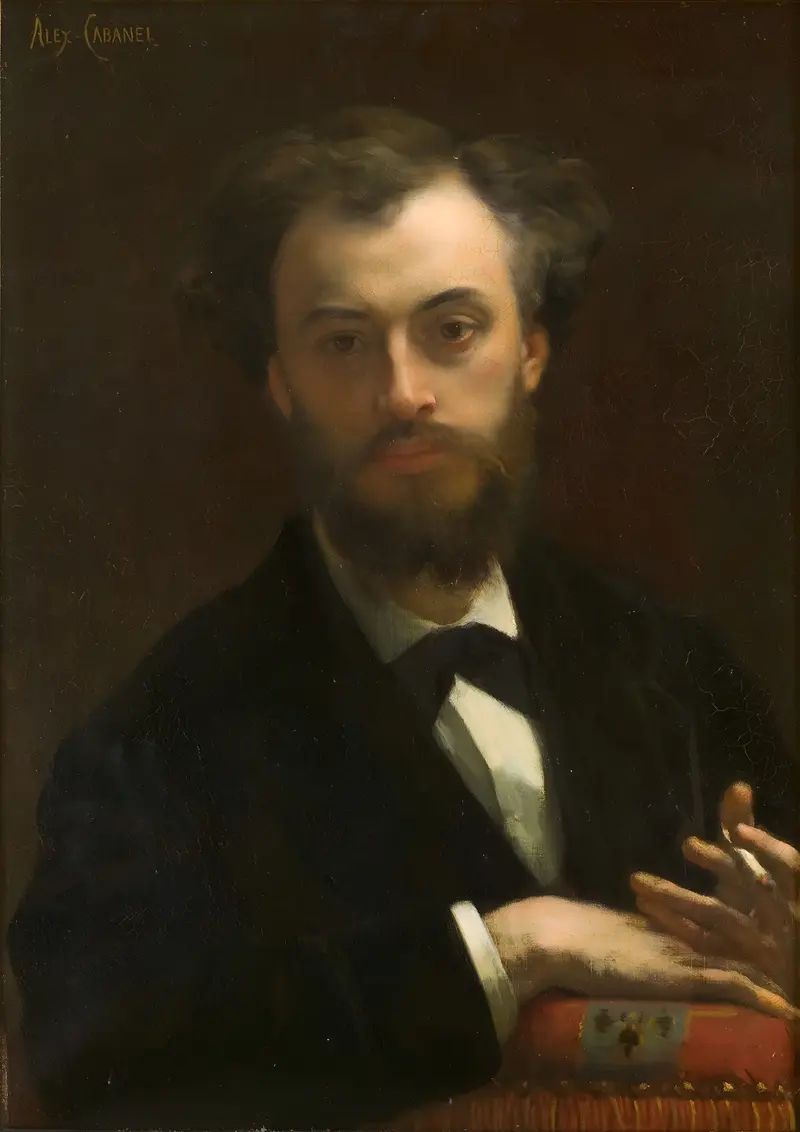
Portrait de M. Pierre Cabanel
Alexandre Cabanel
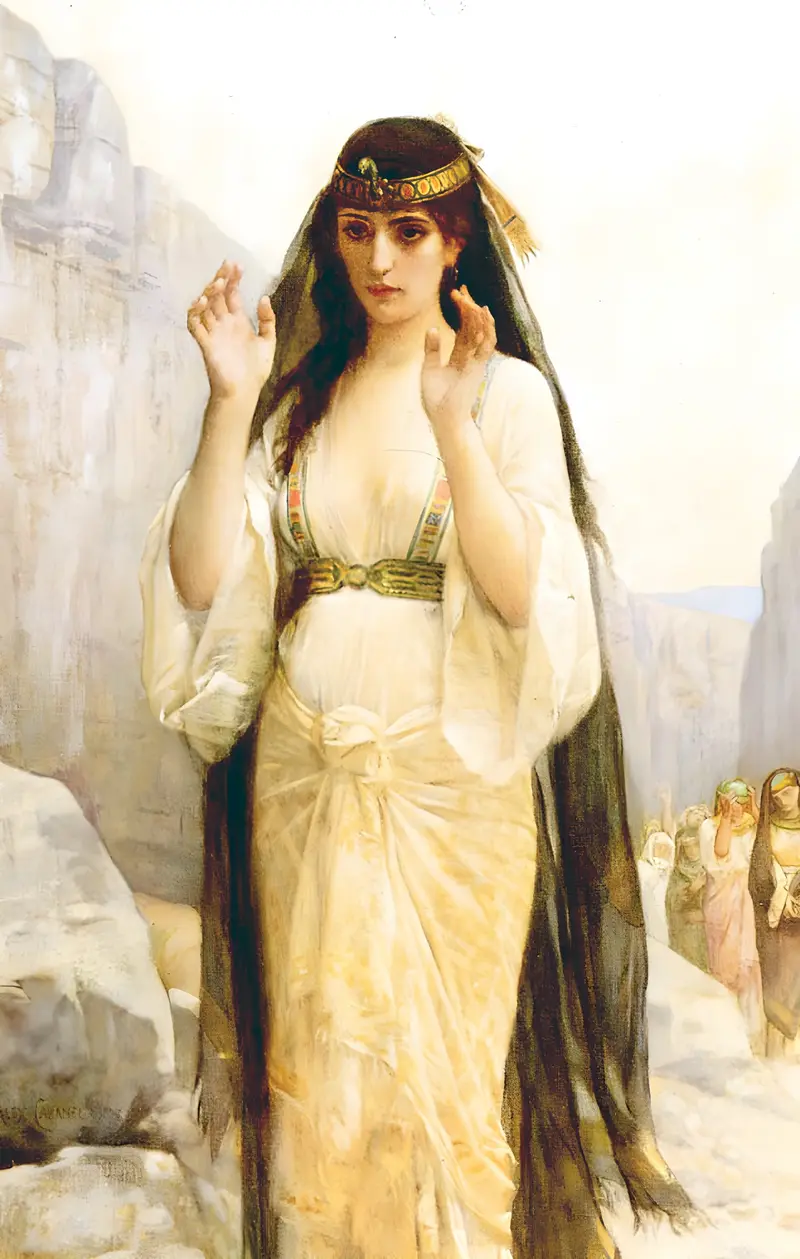
The Daughter of Jephthah
Alexandre Cabanel
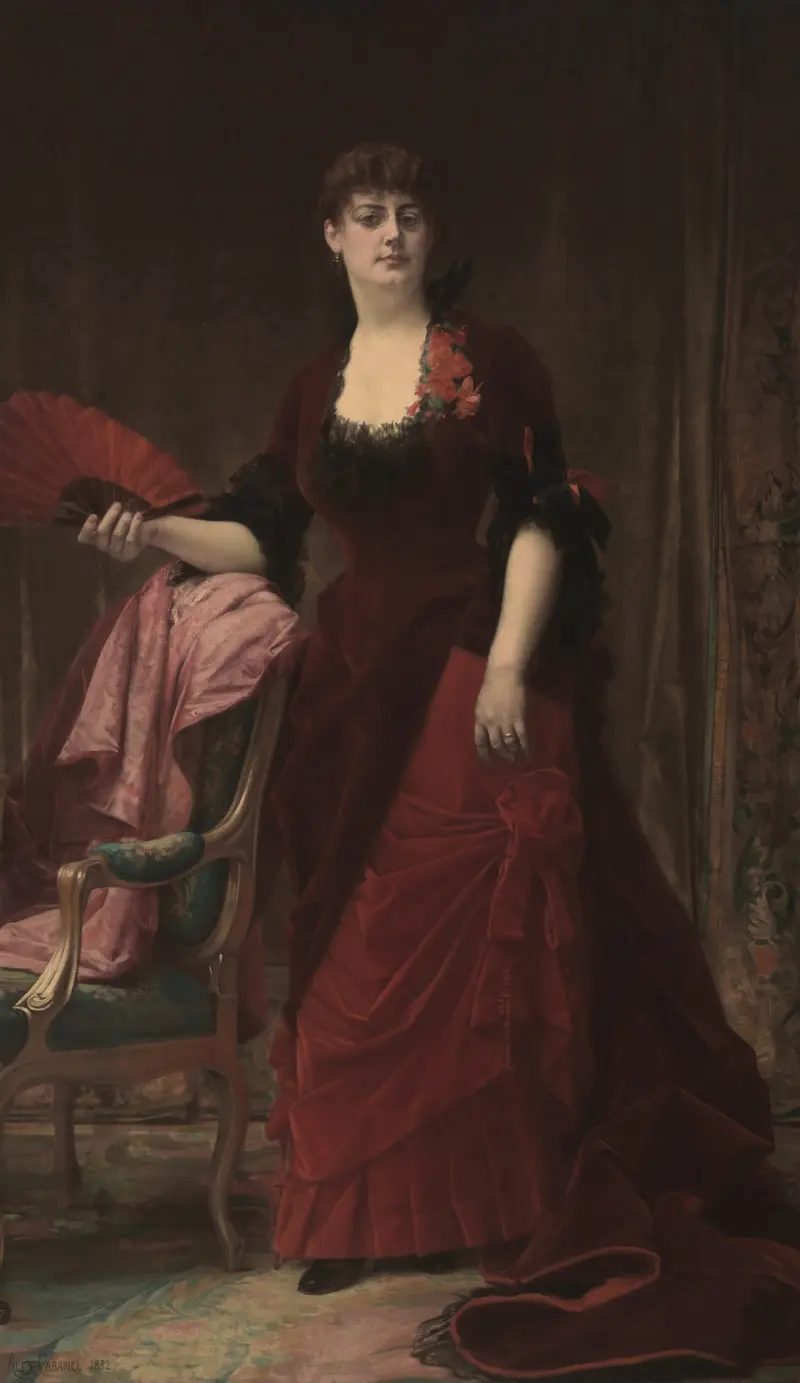
Portrait of Arabella Worsham (later Arabella Huntington)
Alexandre Cabanel
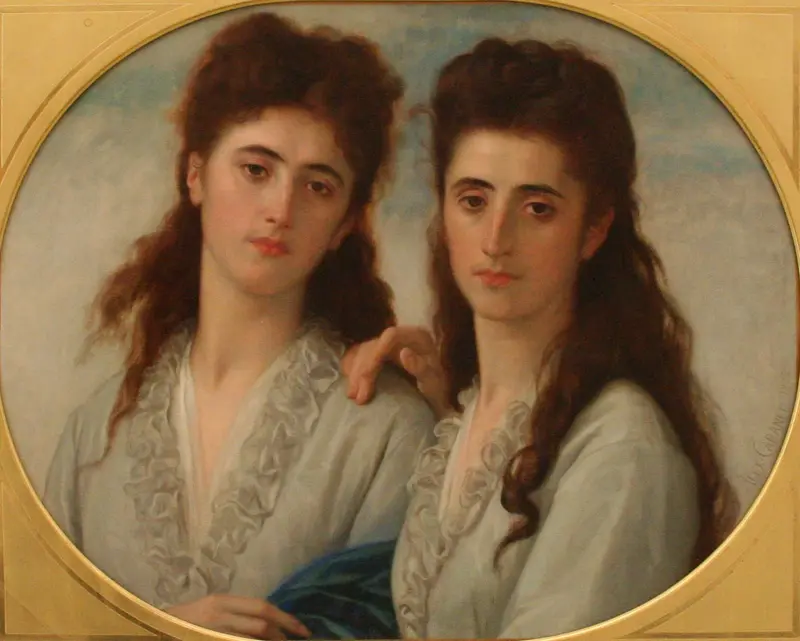
Portrait de mesdemoiselles Sophie et Berthe Cabanel
Alexandre Cabanel
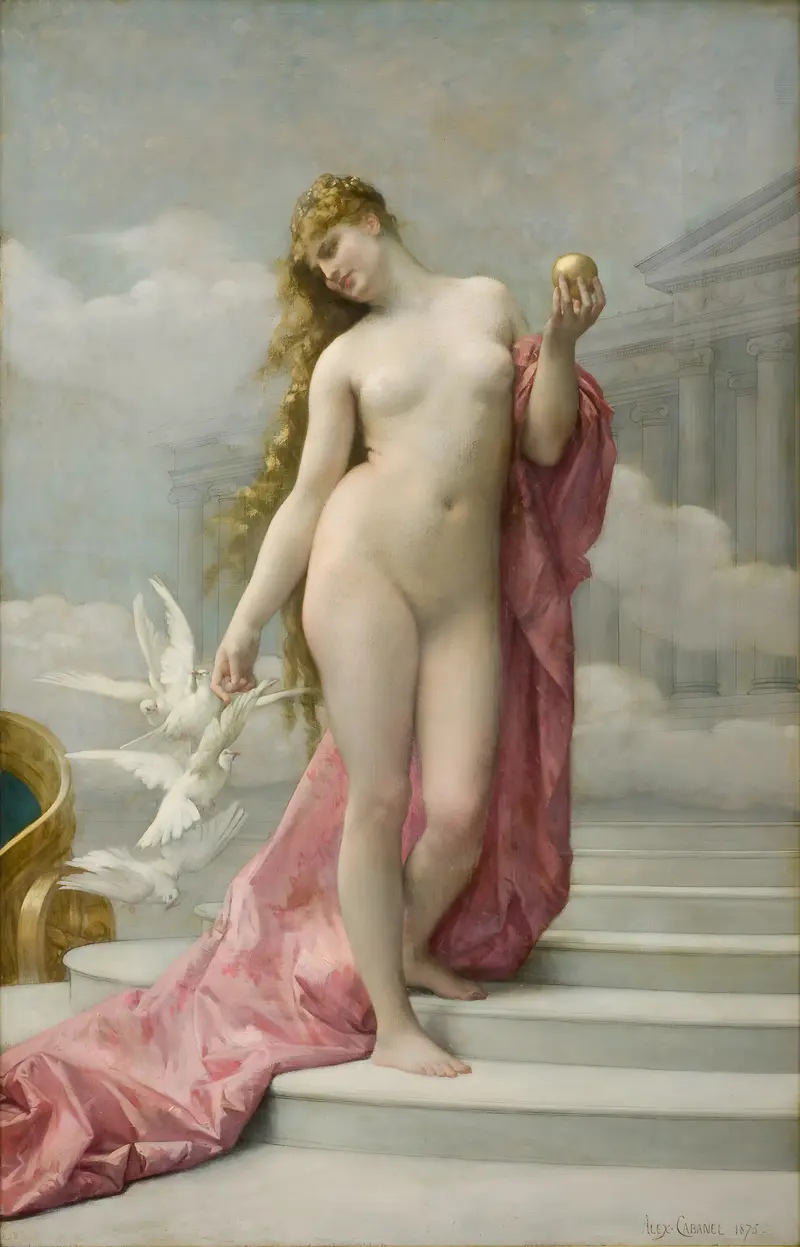
Vénus victorieuse
Alexandre Cabanel
Judith
Alexandre Cabanel
Catharine Lorillard Wolfe (1828–1887)
Alexandre Cabanel





