
The fishing shepherd — History & Facts
A hush of everyday labor settles over the scene, yet the eye is caught at once by the quiet ingenuity of the central figure: a shepherd, crouched low, improvising a fishing line in the shallows while his flock grazes and drinks nearby. The light, golden and gentle, draws us to this moment of double stewardship—watching over animals and seeking his own meal. The cow’s russet hide glows against the cool shadow of the trees, while the sheep cluster in a patch of sun, their wool almost luminous.
Every gesture is deliberate: the shepherd’s gaze intent on the water, the animals’ calm acceptance of his presence, the distant figure by the hut lost in his own world. This is not a grand drama, but a tapestry of quiet tasks, each detail inviting us to linger. Painted in 1664, The fishing shepherd by Adriaen van de Velde is rooted in the Dutch Golden Age’s fascination with landscape and rural life. In this era, such scenes were not merely decorative but celebrated the harmony between humankind and the land, often commissioned by prosperous urbanites longing for an idealized countryside.
Van de Velde’s gentle palette and balanced composition reflect a world in transition, where nature is both livelihood and retreat. Today, the painting resides in the Nivaagaard Collection, a reminder of how history has kept few traces of the real shepherds, but preserved the imagined peace of their world for us to rediscover in brushstrokes and light.
More Artworks by Adriaen van de Velde

Staande stier
Adriaen van de Velde
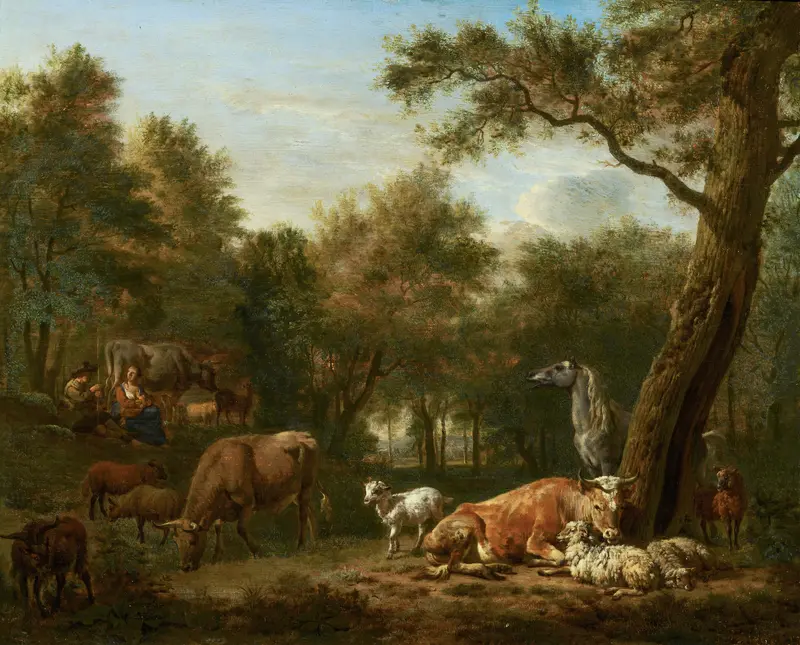
Wooded Landscape with Cattle
Adriaen van de Velde
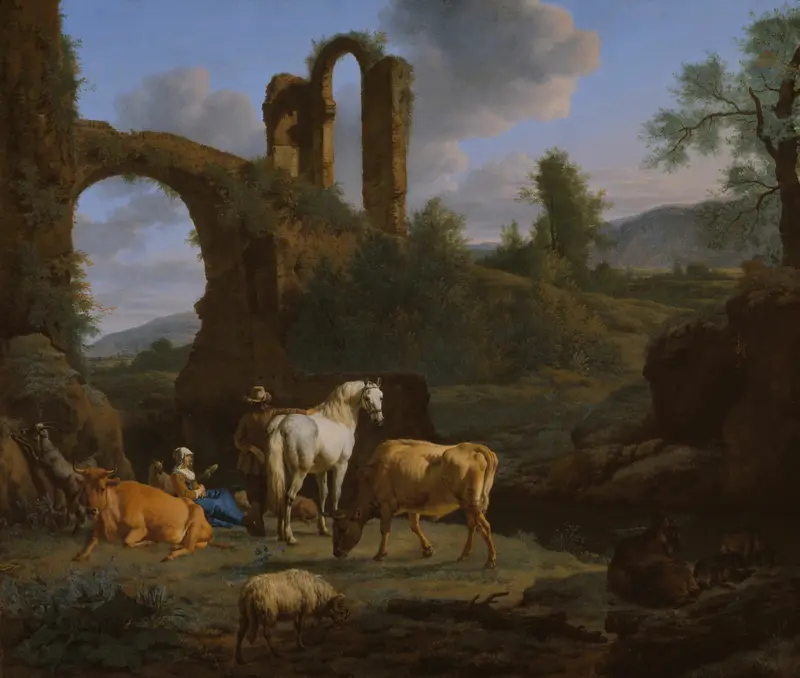
Pastoral Landscape with Ruins
Adriaen van de Velde
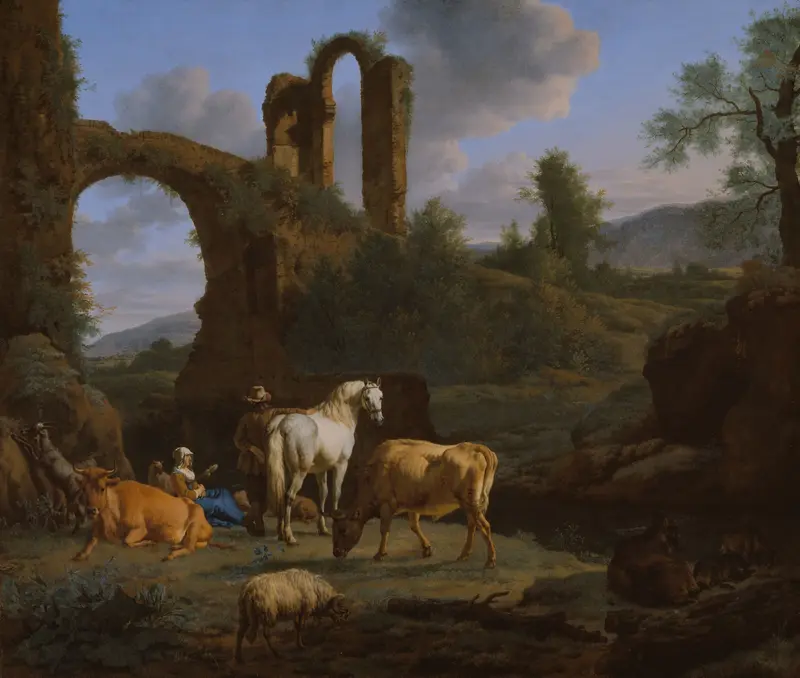
Pastoral Landscape with Ruins
Adriaen van de Velde
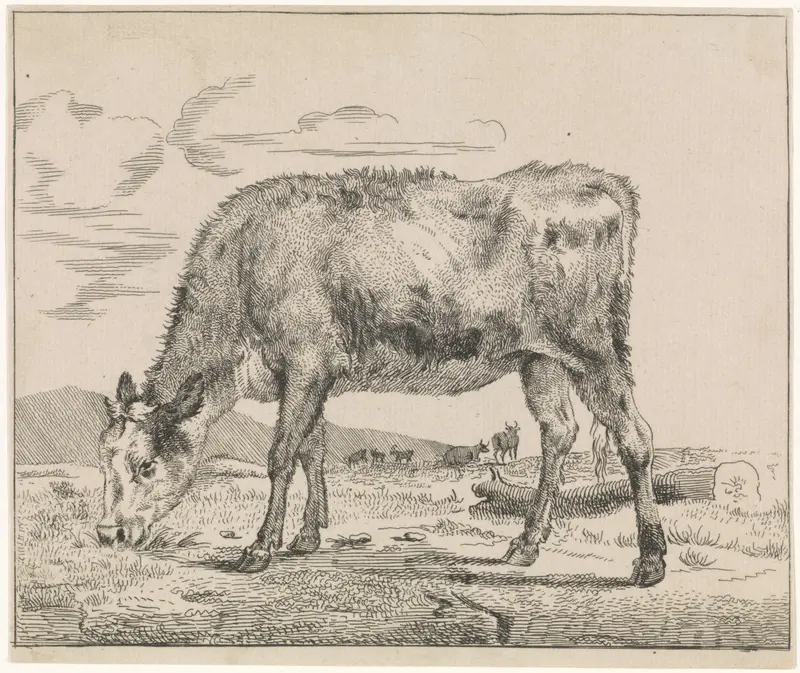
Grazend kalf
Adriaen van de Velde
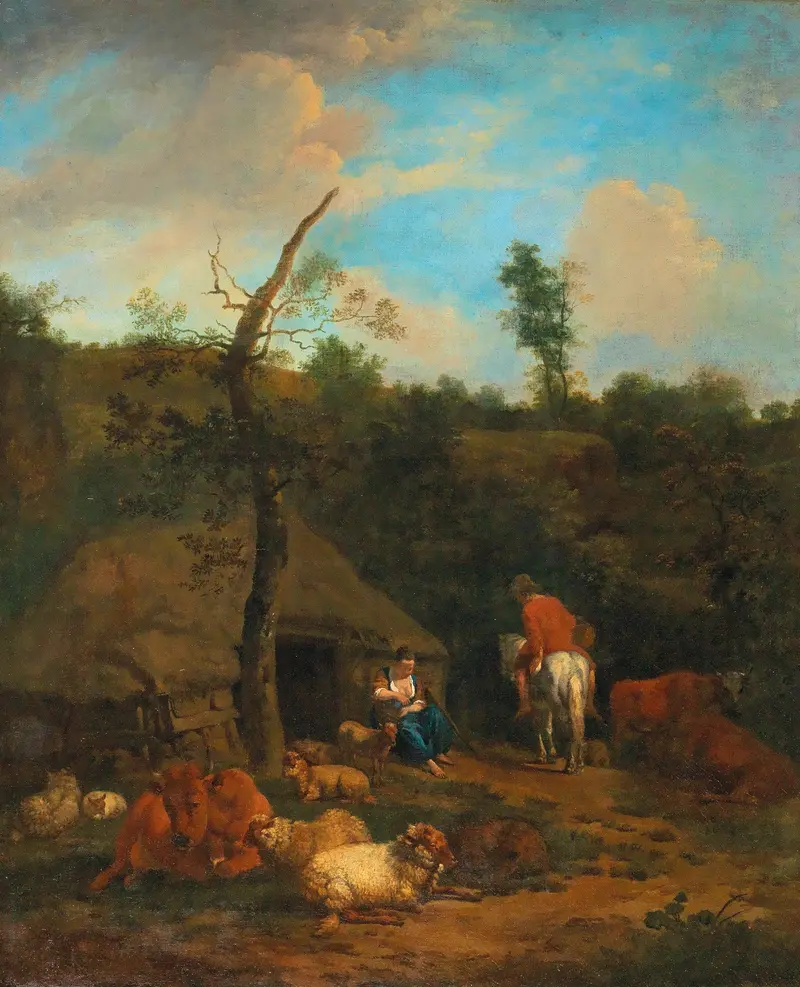
A herdsman and a shepherdess in front of a wooden farmhouse
Adriaen van de Velde
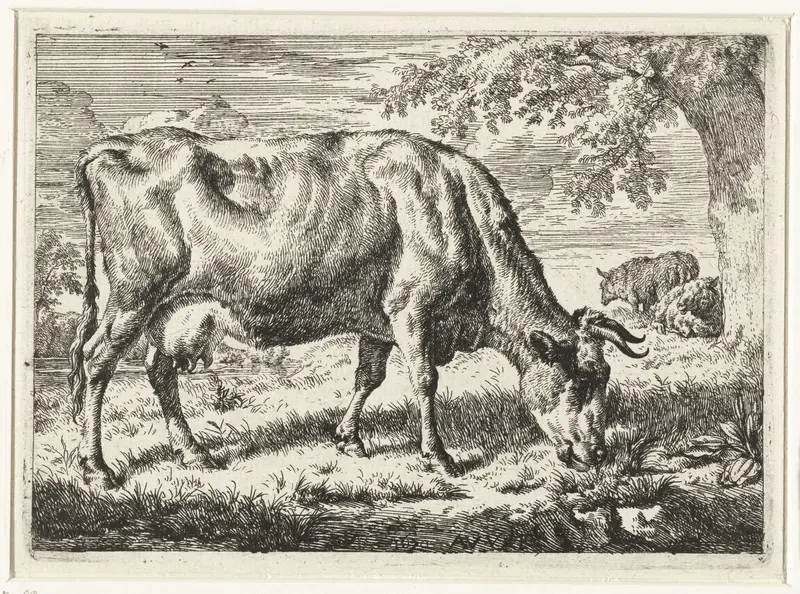
Grazende koe en twee schapen
Adriaen van de Velde
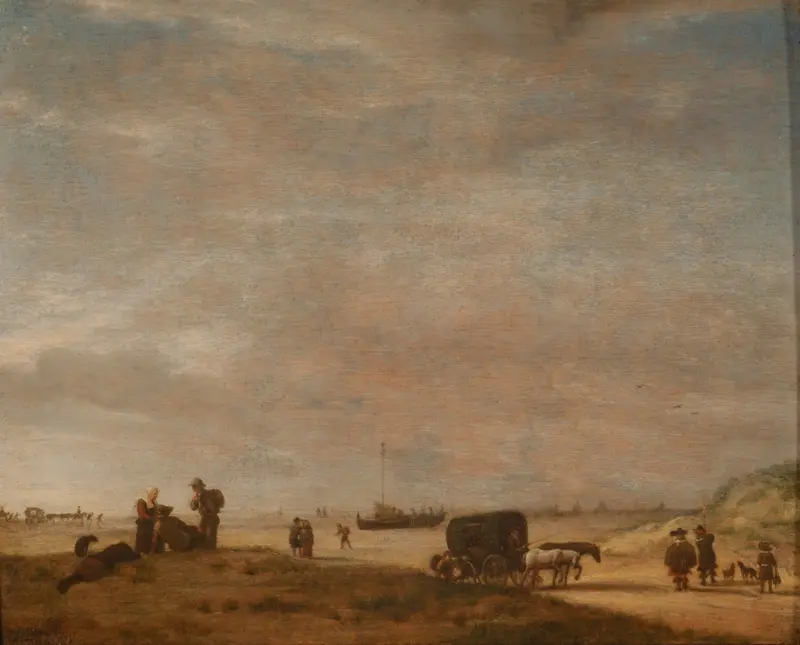
Scheveningen Beach
Adriaen van de Velde
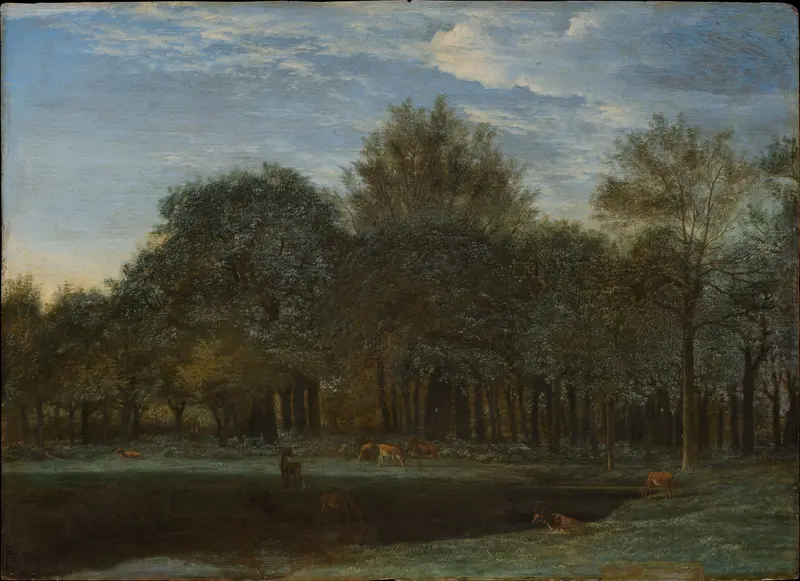
Forest Clearing with Grazing Deer
Adriaen van de Velde
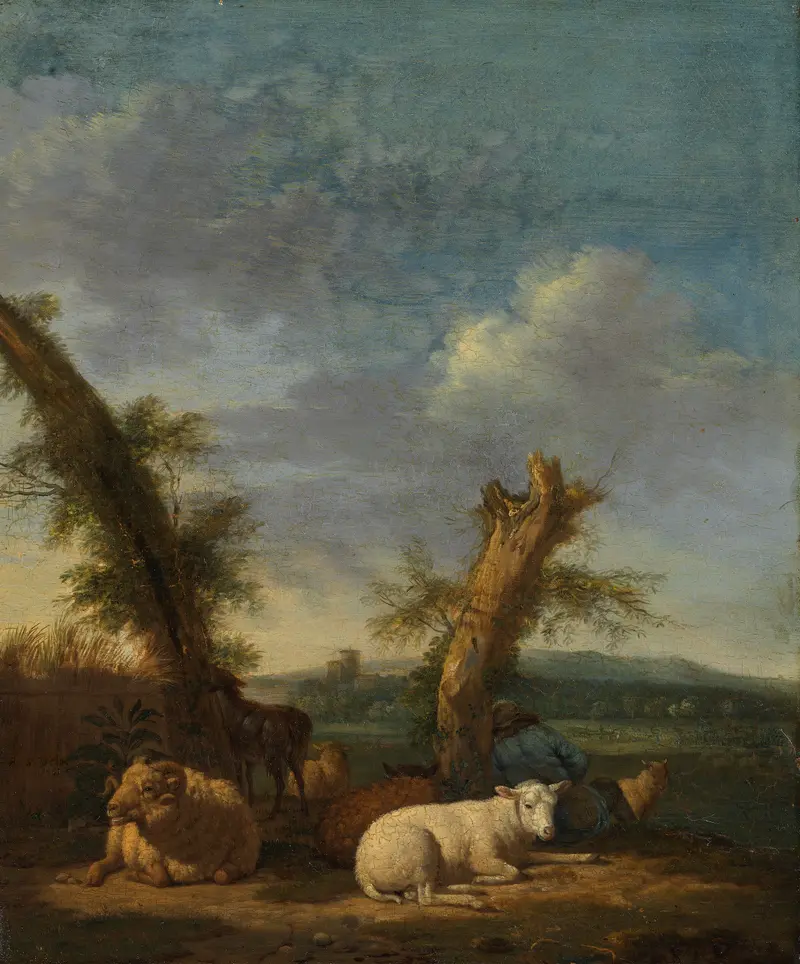
Landscape with Sheep and a Sleeping Shepherd
Adriaen van de Velde
More Genre Scene Art

Banquet of the Officers of the St George Civic Guard
Frans Hals

Rembrandt and Saskia in the Scene of the Prodigal Son
Rembrandt van Rijn

Bal du moulin de la Galette
Pierre-Auguste Renoir

Quadrille at the Moulin Rouge
Henri de Toulouse-Lautrec

A Burial at Ornans
Gustave Courbet

When Will You Marry?
Paul Gauguin