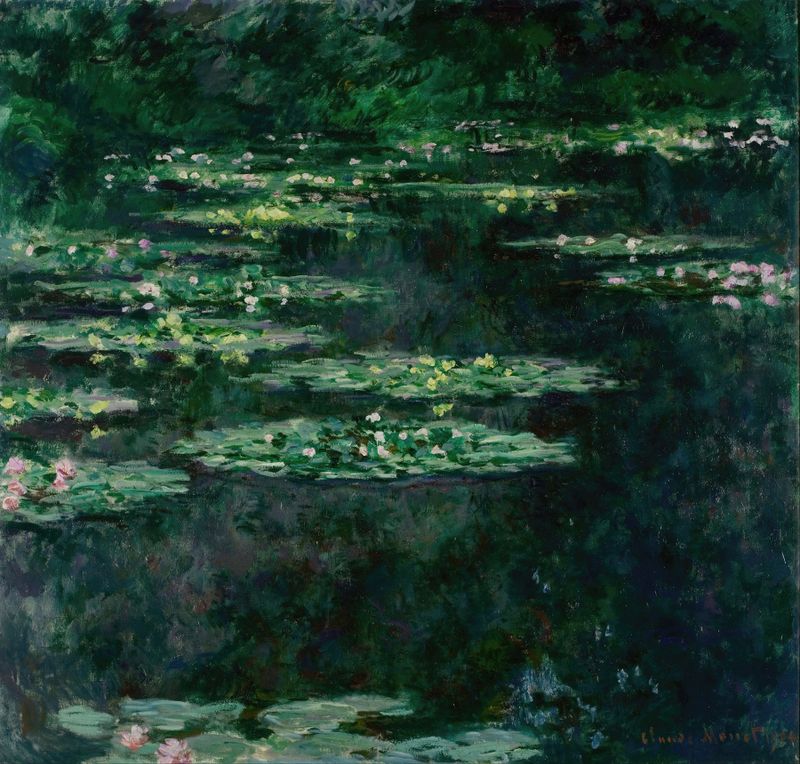
The Flowering Orchard — History & Facts
What if beauty was never meant to be finished? This thought lingers like the scent of blossoms in the air, inviting us to reflect on the ephemeral nature of innocence. Look to the center of the composition, where delicate pink and white blossoms burst forth in a riot of color against the vibrant blues of the sky. Each flower is meticulously rendered, inviting the eye to trace the fluid brushstrokes that evoke both movement and emotion. Notice how Van Gogh employs bold, swirling lines to animate the branches, while dappled light dances through the petals, creating an atmosphere that feels both electric and serene. Yet, beneath this charming surface lies a deeper tension — the contrast between the exuberance of nature and the artist's emotional turmoil.
The vibrancy of the flowers symbolizes a fleeting innocence, suggesting both beauty and a poignant sense of loss. The bright colors vibrate with life, yet they hint at the inevitable passage of time, reminding us that even the most magnificent moments are transient and fragile. In 1888, while living in Arles, Van Gogh was immersing himself in the beauty of the Provençal landscape, seeking inspiration after years of struggle. This period marked a shift in his artistic style, as he embraced a more vivid color palette and expressive brushwork.
The world of art was beginning to open its arms to modernist ideas, and Van Gogh’s innovative approach would leave a lasting impact on the trajectory of painting.
More Artworks by Vincent van Gogh
Browse all →
Starry Night
Vincent van Gogh
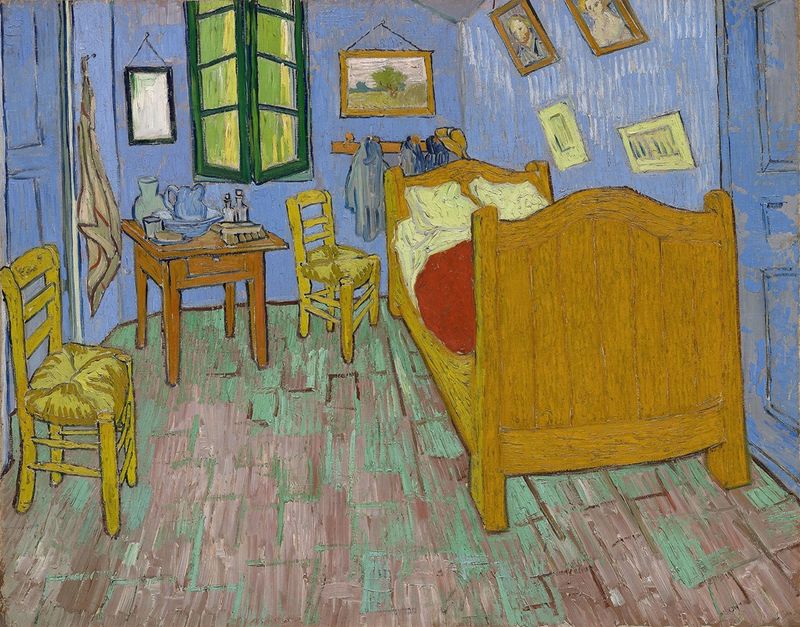
The Bedroom
Vincent van Gogh
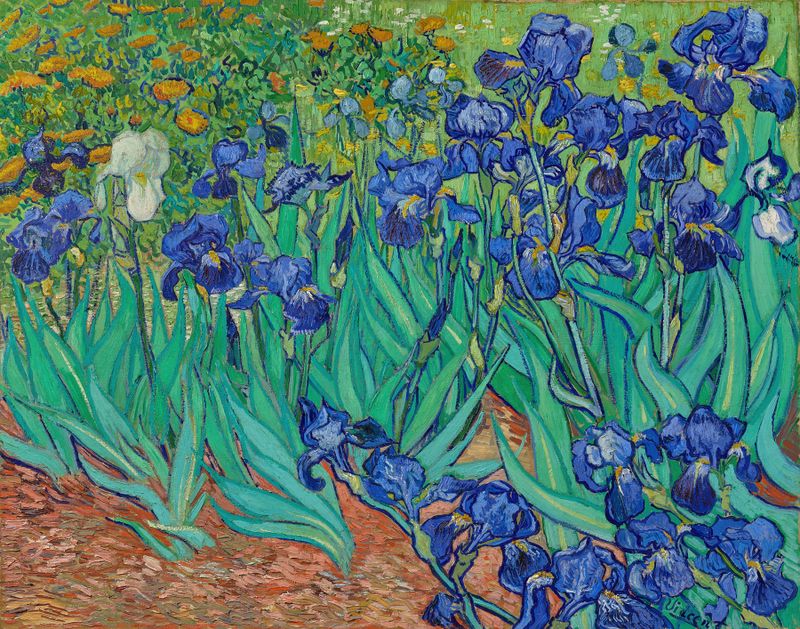
Irises
Vincent van Gogh
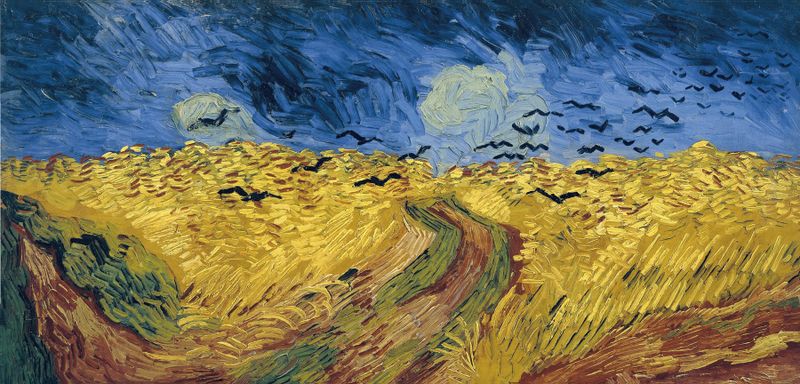
Wheatfield with Crows
Vincent van Gogh
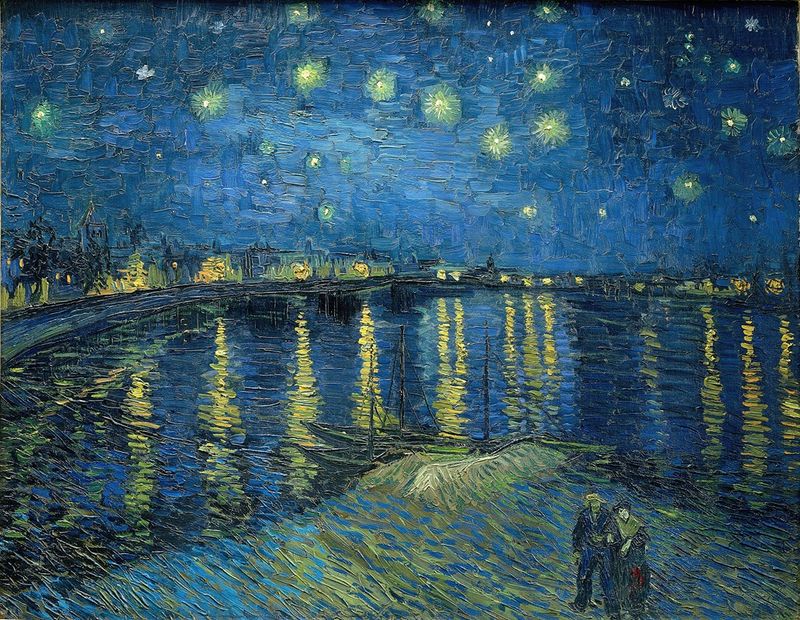
Starry Night over the Rhone
Vincent van Gogh

The yellow house
Vincent van Gogh
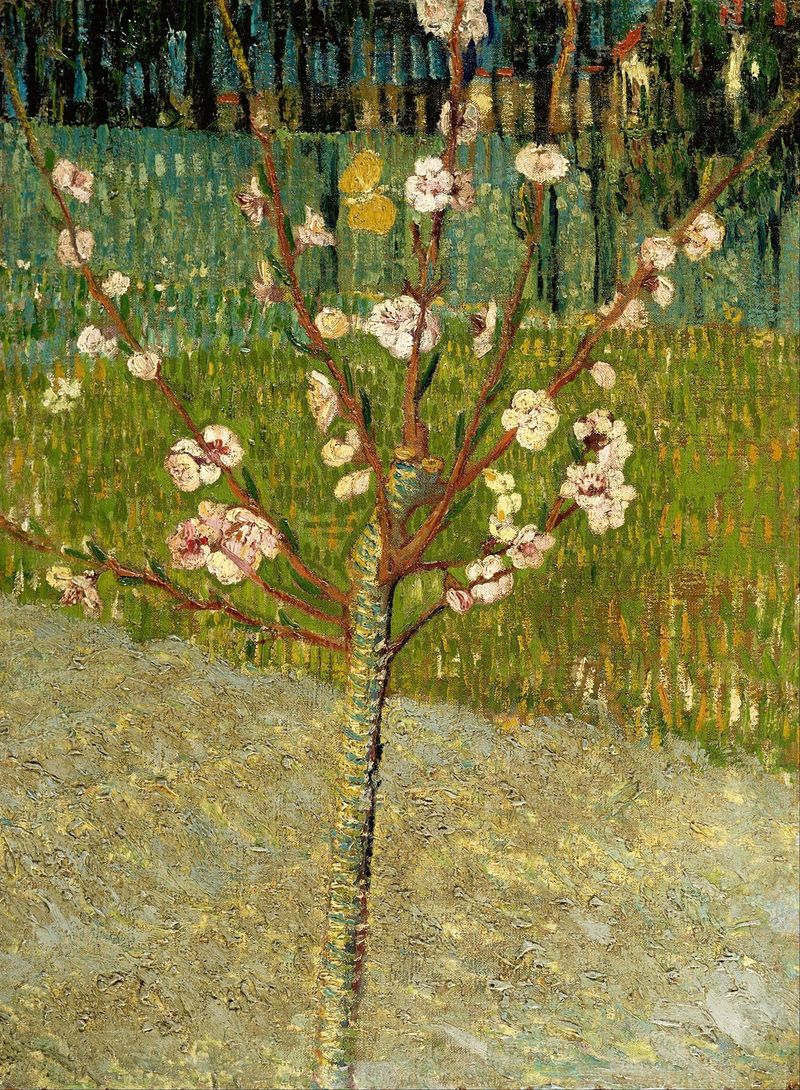
Almond tree in blossom
Vincent van Gogh

Portrait of Dr Gachet
Vincent van Gogh

The Church in Auvers-sur-Oise, View from the Chevet
Vincent van Gogh

Self-Portrait
Vincent van Gogh