
The Four Fathers Of The Latin Church — History & Facts
One of the most intriguing aspects of The Four Fathers Of The Latin Church is that its authorship by Abraham Bloemaert places it at the crossroads of Northern Mannerism and the Catholic Reformation, a rare instance where a Dutch Protestant artist depicted the great theologians of Western Catholicism. This subject, more common in Italian and Spanish art, was unusual in the Dutch Republic, where religious tensions ran high. The painting’s date and original setting remain uncertain, but its very existence suggests a commission from a Catholic patron in a Protestant land—a quiet testament to the complex religious landscape of the early seventeenth century. The scene gathers Saints Ambrose, Augustine, Jerome, and Gregory the Great, the intellectual pillars of Latin Christianity, in a moment of scholarly communion.
Bloemaert chooses to depict them not in isolation, but together, their gazes interlocking over open tomes and scrolls. Each Father is rendered with his traditional attribute: Jerome with his lion and cardinal’s hat, Augustine with a flaming heart, Gregory with the papal tiara, and Ambrose with a beehive symbolizing eloquence. The interplay of hands and eyes draws the viewer into their debate, while the warm, theatrical lighting recalls the compositional strategies of Caravaggio, though with a Northern clarity of detail.
Unlike the solitary, ascetic Jerome of Albrecht Dürer, Bloemaert’s Fathers are united in purpose, embodying the Church’s intellectual heritage. The painting’s journey is largely undocumented, a fate not uncommon for works by Bloemaert, whose prolific output ranged from altarpieces to genre scenes. If this canvas was indeed painted for a Catholic enclave in the Netherlands, it may have adorned a clandestine church or private chapel, surviving the iconoclastic storms that swept the region. Today, the work stands as a testament to Bloemaert’s versatility and his ability to navigate the shifting religious and artistic currents of his time.
Its presence in modern collections—often on loan or in storage—reminds us of the enduring dialogue between faith, art, and history.
More Artworks by Abraham Bloemaert

Adam and Eve
Abraham Bloemaert
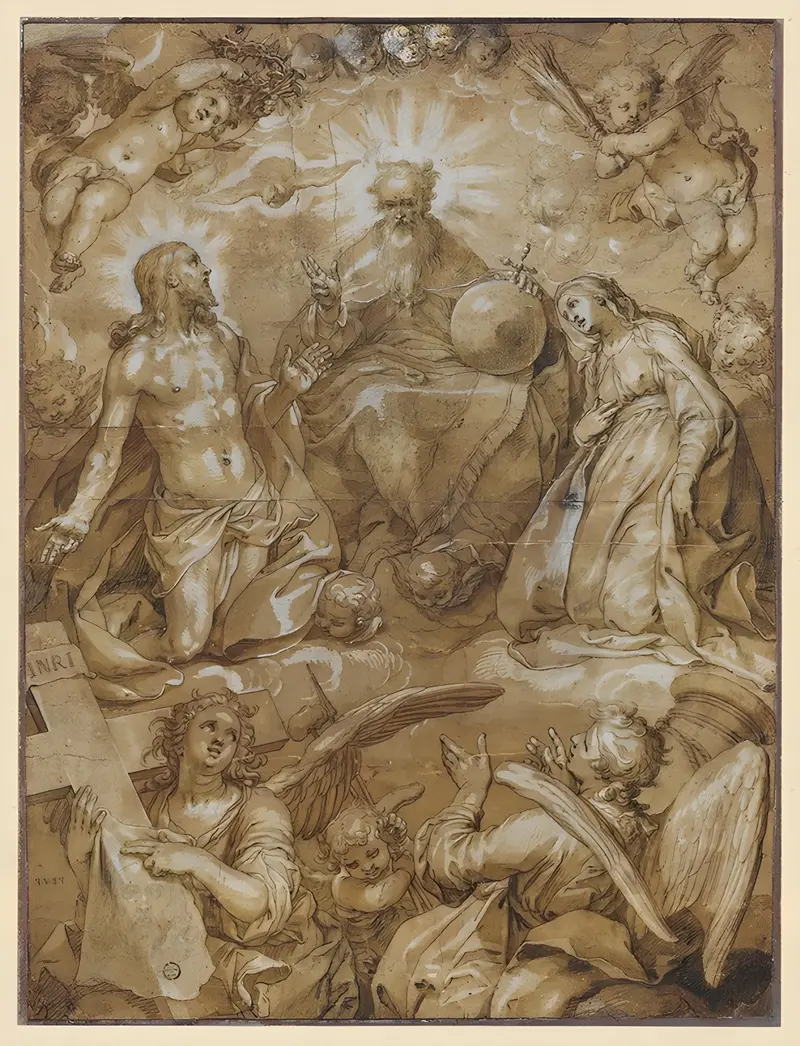
Intercession of Christ and Mary before God the Father
Abraham Bloemaert
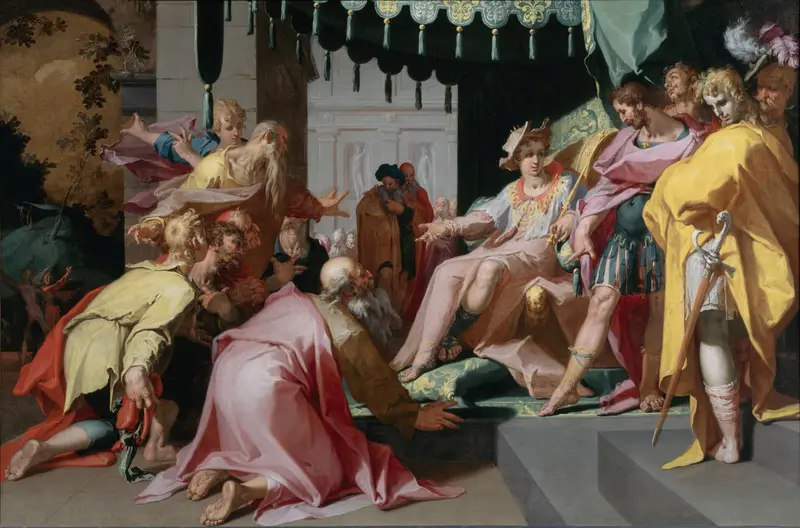
Joseph and his Brothers
Abraham Bloemaert
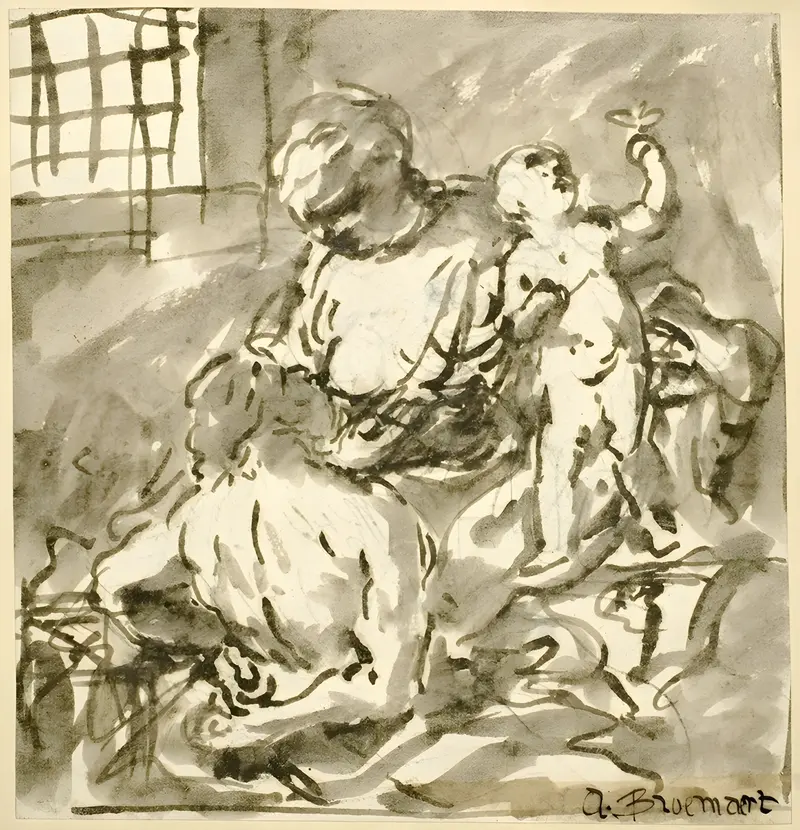
Caritas Romana
Abraham Bloemaert
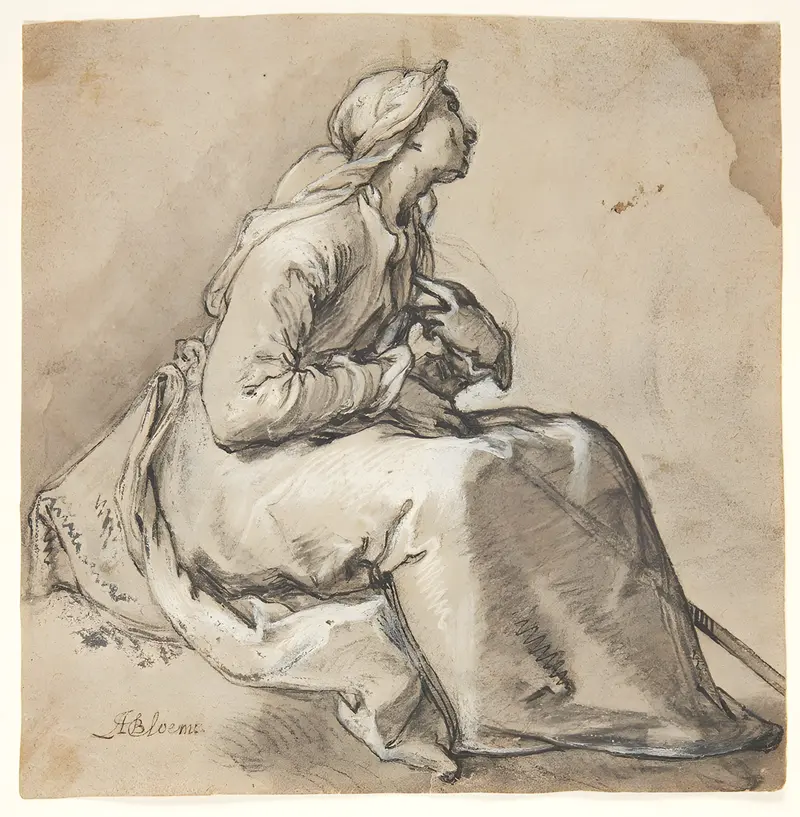
A seated woman facing right
Abraham Bloemaert
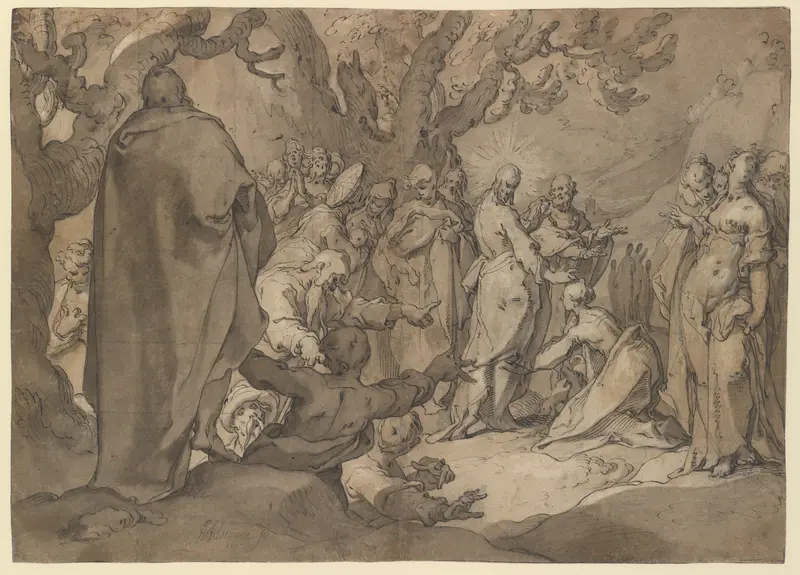
Christ and the Canaanite Women
Abraham Bloemaert
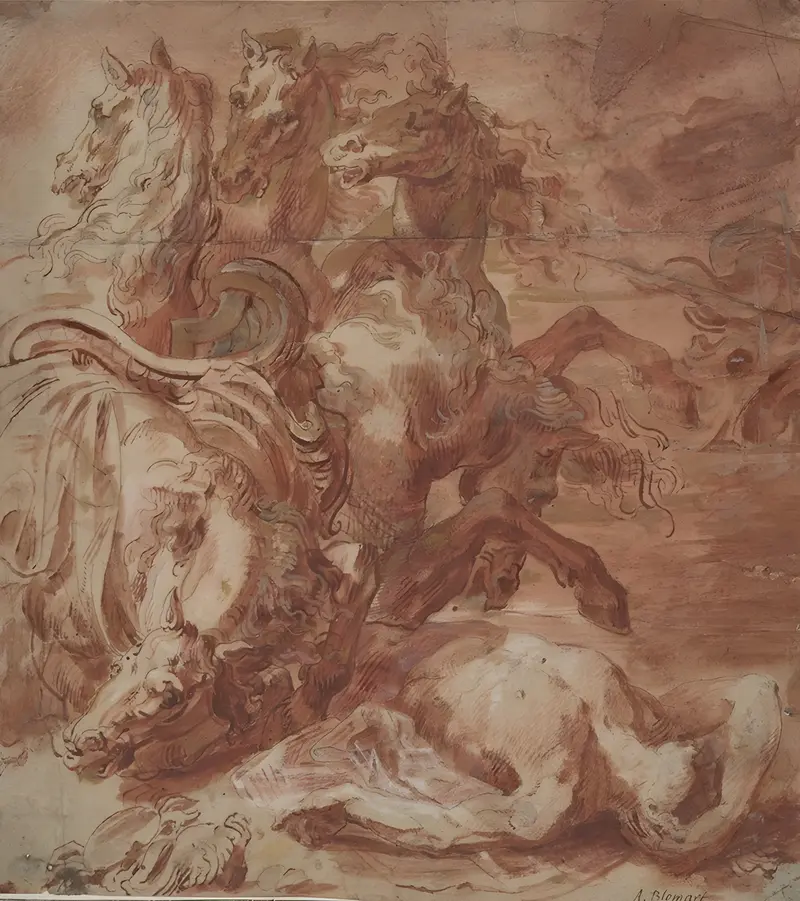
Hippolytus
Abraham Bloemaert
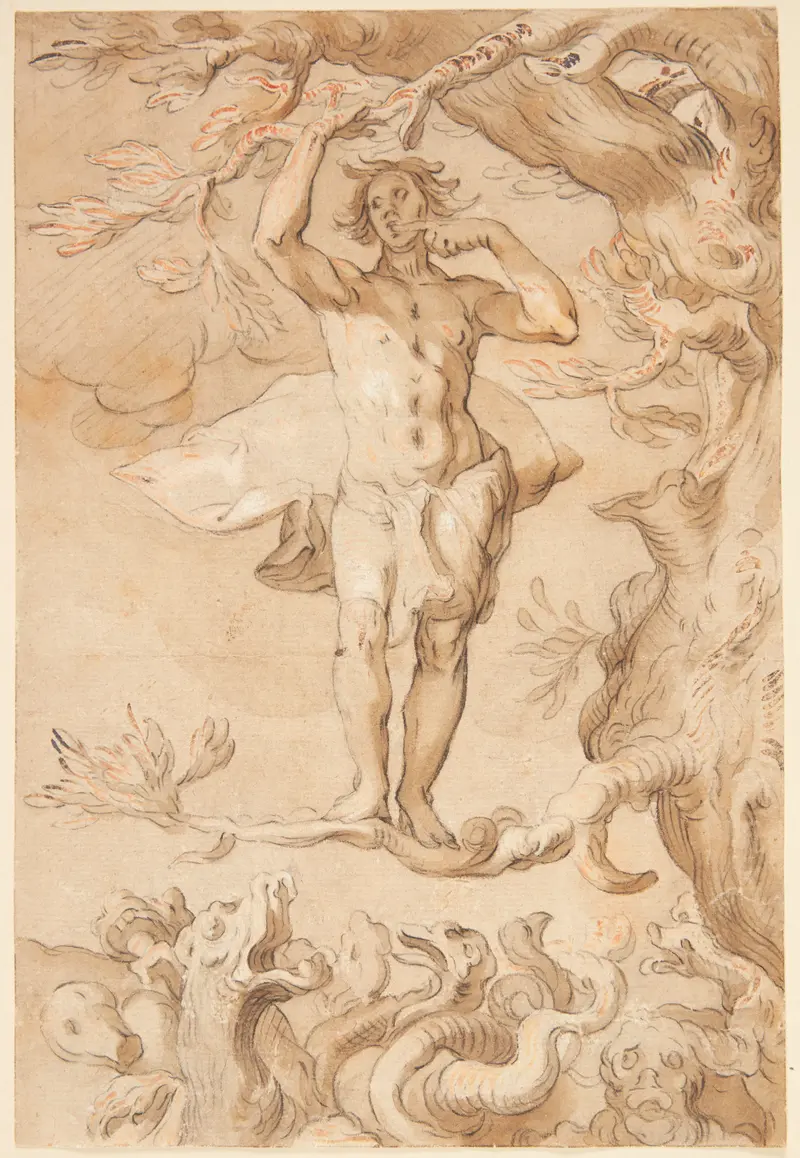
Den menneskelige glædes skrøbelighed En mand, der jages af en drage, klynger sig til en gren, mens han slikker honning af sin finger
Abraham Bloemaert

Moses Striking the Rock
Abraham Bloemaert
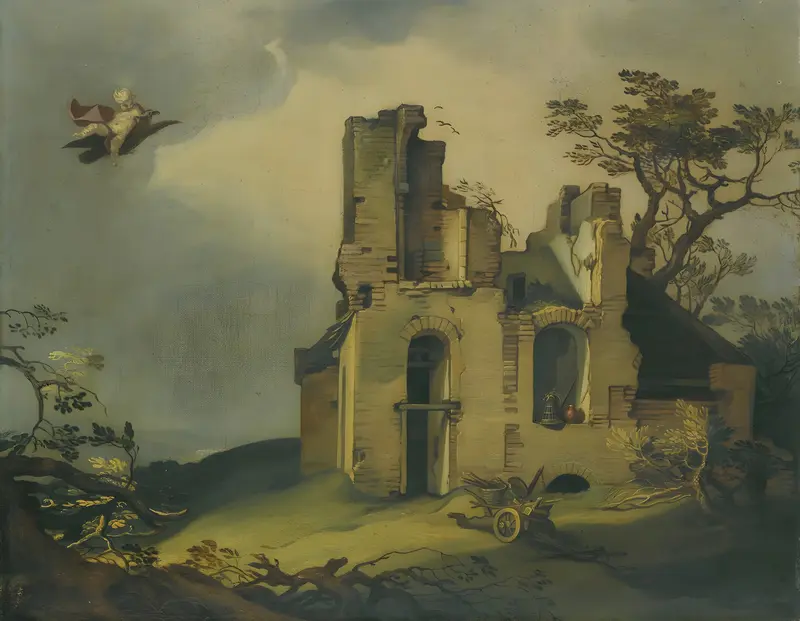
A Landscape With Ruins, With The Rape Of Ganymede
Abraham Bloemaert





