
The Fratricide — History & Facts
What first arrests the viewer in The Fratricide is the way two figures are locked together—one upright and rigid, the other kneeling and desperate—caught in a moment of irreversible violence. The taller figure’s face is set in profile, his gaze cold and unyielding, while the kneeling man clutches at his chest, fingers digging into fabric as if to plead or perhaps to confess. Blood-red stains bloom on the standing man’s coat, and the hilt of a knife juts from his belt, its blade hidden but its presence unmistakable.
The background, a tapestry of swirling lines and dark crosses, frames their struggle with a sense of ritual and inevitability, as if this act has played out many times before. Created in 1897, this work by Akseli Gallen-Kallela belongs to a fin-de-siècle moment when artists across Europe were searching for new ways to tell old stories—often turning to myth, folklore, and psychological drama. The flattened forms and bold outlines speak to the influence of Symbolism, a movement that favored emotional truth over naturalistic detail. At the time, such pictures were often commissioned for public spaces or private homes eager to assert cultural identity through art.
While little is recorded about the specific journey of this painting, its presence today in a digital collection allows us to see how the anxieties and passions of the late nineteenth century still pulse beneath its surface—inviting us to look again, and to wonder at the cost of the moment it captures.
More Artworks by Akseli Gallen-Kallela
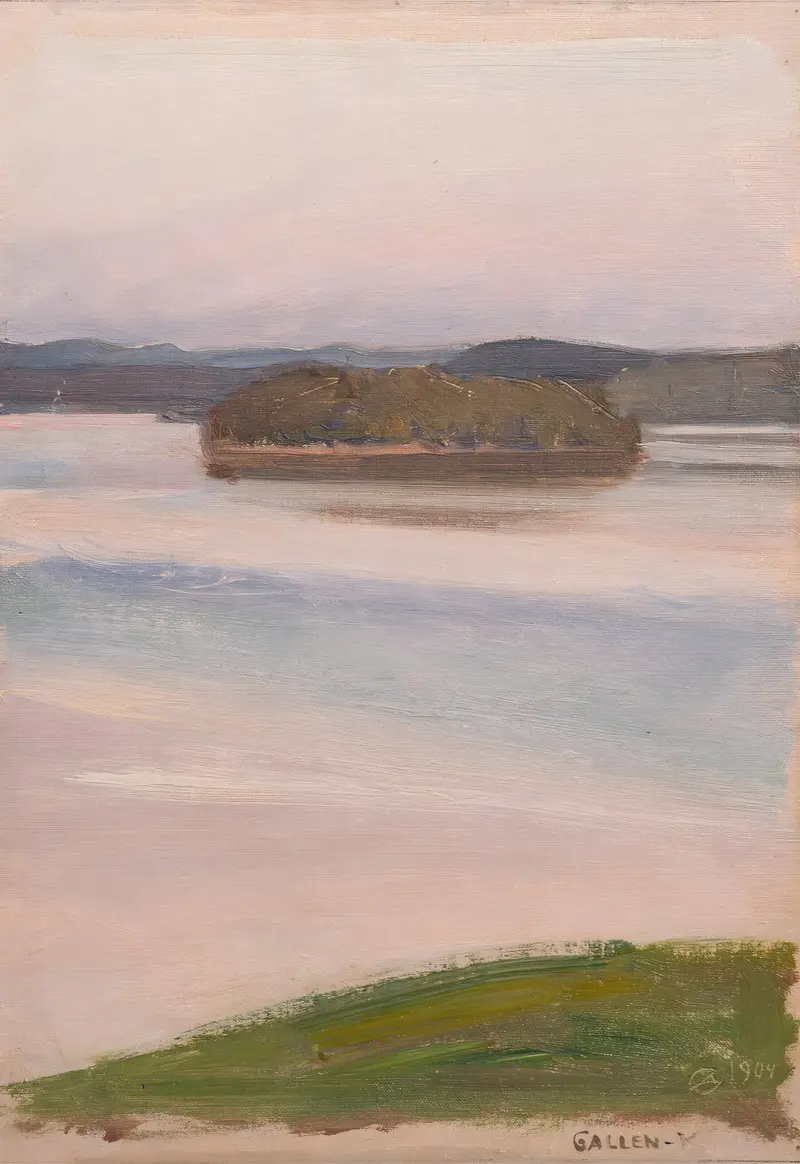
Lake Keitele
Akseli Gallen-Kallela
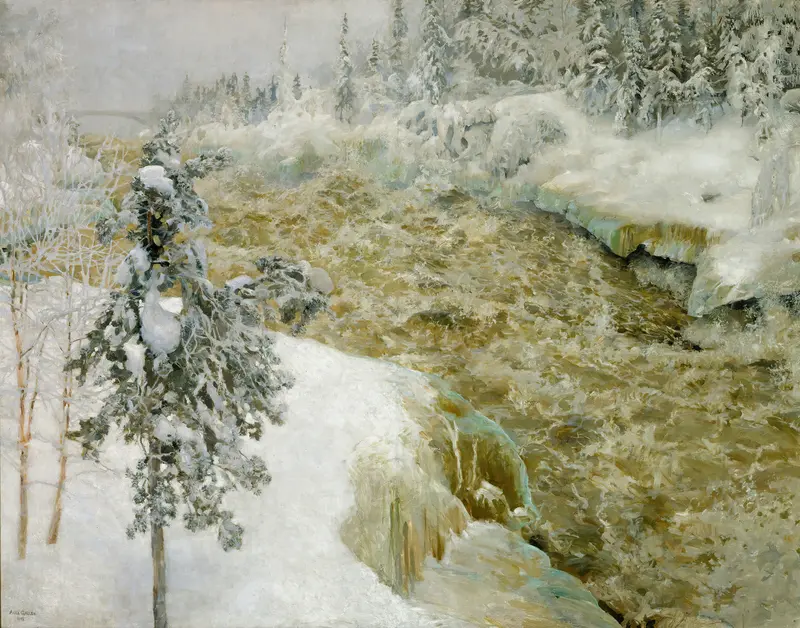
Imatra Falls in Snow ; Imatra in Winter
Akseli Gallen-Kallela
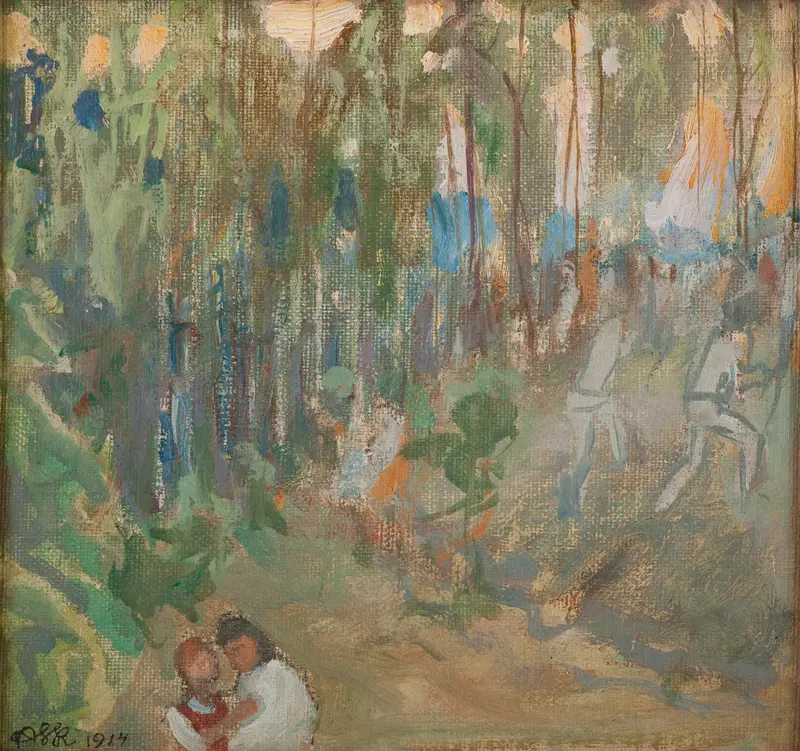
Vainovalkeat
Akseli Gallen-Kallela
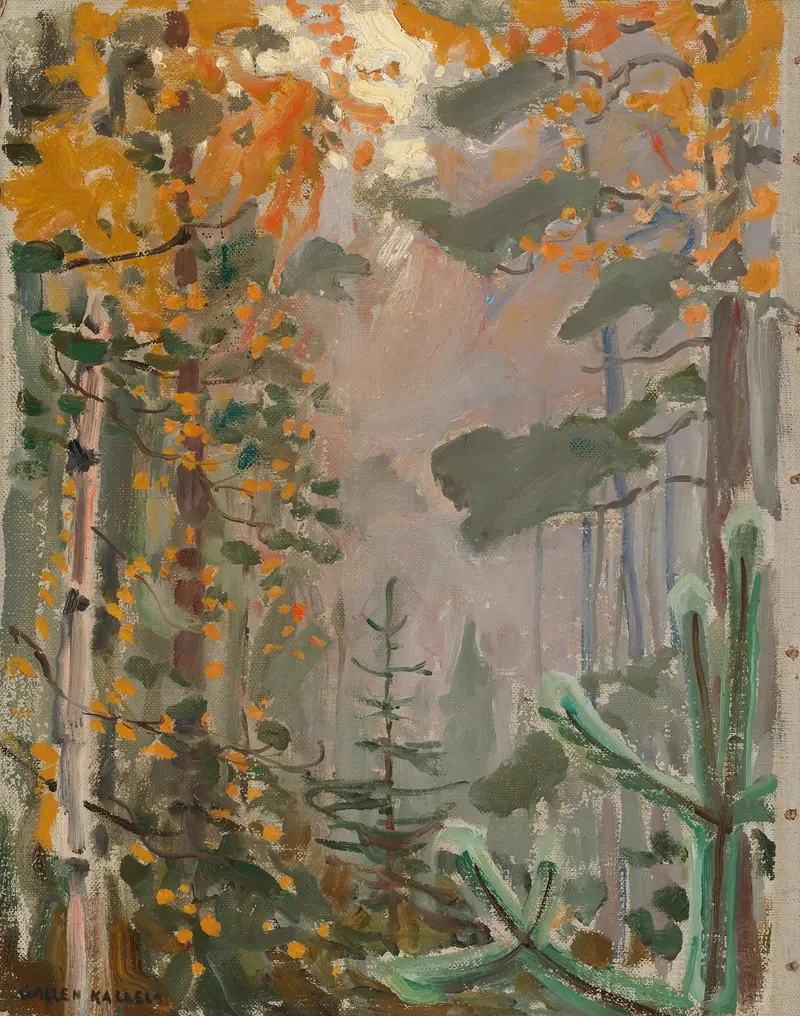
Autumn Landscape
Akseli Gallen-Kallela
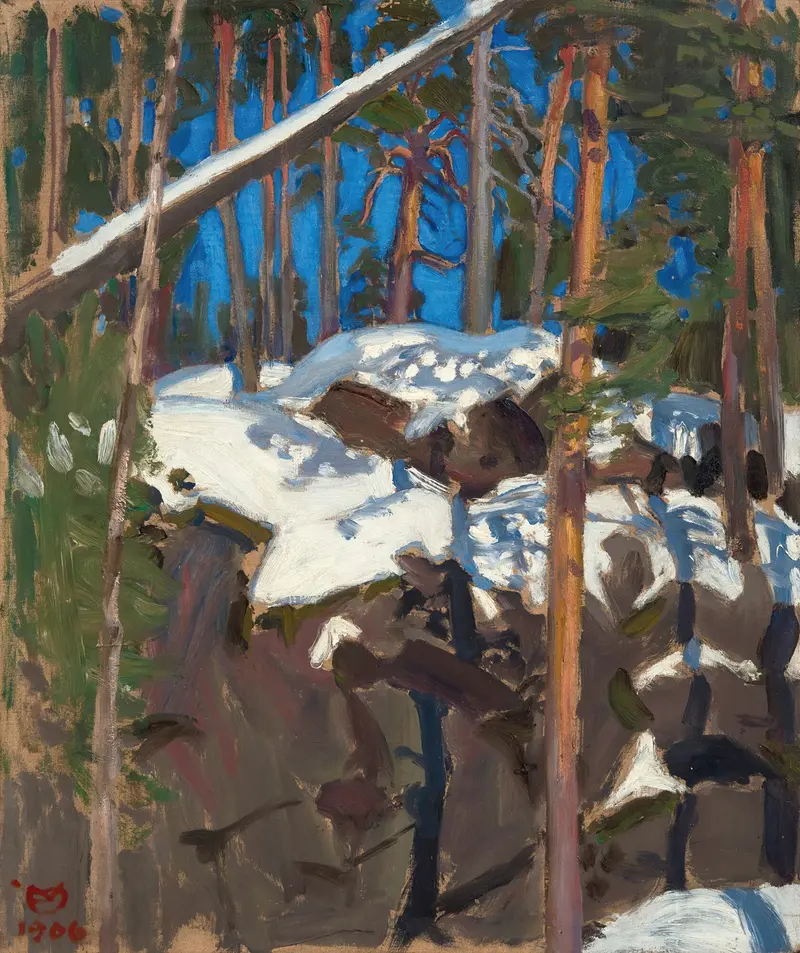
Spring Sun At Konginkangas
Akseli Gallen-Kallela
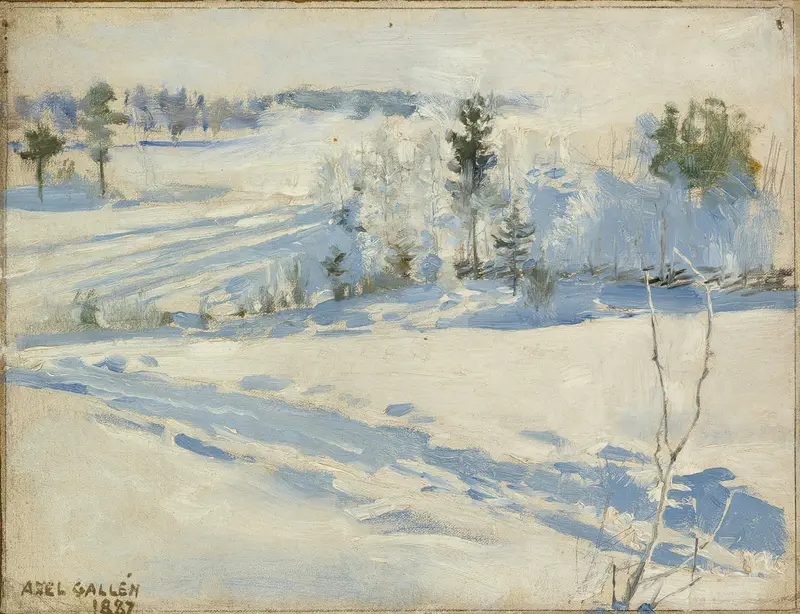
Winter Landscape
Akseli Gallen-Kallela

First Snow
Akseli Gallen-Kallela
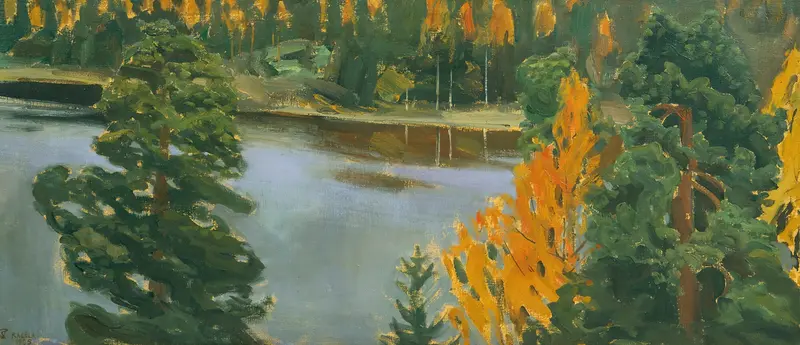
Lake View In Autumn
Akseli Gallen-Kallela
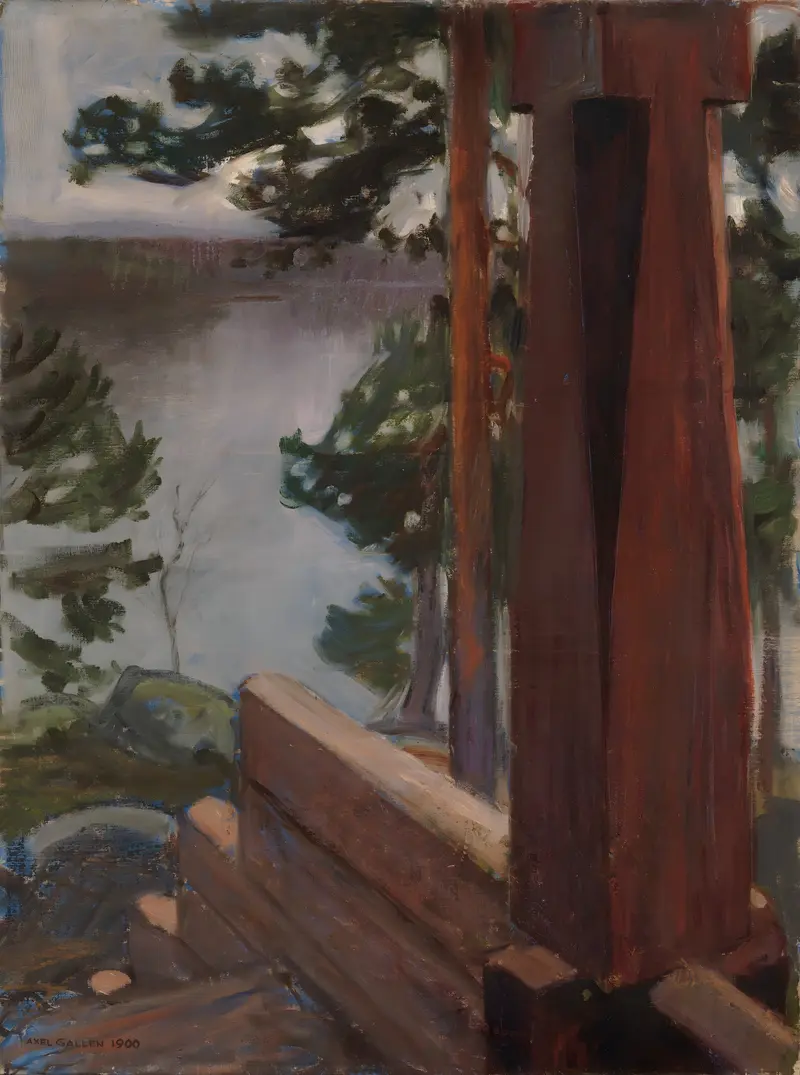
The Kalela Porch
Akseli Gallen-Kallela

Light Behind The Clouds
Akseli Gallen-Kallela





