
The Funeral of a Bishop Saint — History & Facts
No one knows for certain which bishop saint lies at the heart of The Funeral of a Bishop Saint by Fra Angelico, painted in 1411, and this mystery has fascinated scholars for centuries. Some suggest it could be St. Stephen, the first Christian martyr, while others point to St.
Nicholas or even St. Augustine. The uncertainty is heightened by the painting’s lack of clear identifying symbols, an unusual choice for an early 15th-century religious work, when saints were typically shown with their customary attributes.
This ambiguity has led to lively debate about the panel’s original context and purpose, and whether it was meant for a specific chapel or as part of a larger altarpiece. At the moment Fra Angelico chose to depict, the bishop’s lifeless body is laid out before the altar, surrounded by mourners—clergy and laity alike—each lost in their own gestures of grief and prayer. The golden halo around the bishop’s head signals his sanctity, while the richly embroidered vestments and mitre emphasize his high rank. The mourners’ varied expressions, from silent contemplation to open weeping, draw the viewer into the scene’s emotional gravity.
A shaft of light falls gently on the bishop’s face, suggesting divine favor and the hope of resurrection. Unlike the more dramatic, crowded funerals painted by Giotto a century earlier, Fra Angelico’s composition is intimate and restrained, focusing on the quiet dignity of the saint’s passing. The physical history of The Funeral of a Bishop Saint is as enigmatic as its subject. The panel’s original location is unknown, though it likely formed part of a predella for a larger altarpiece, possibly commissioned for a Dominican church, given Fra Angelico’s own ties to the order.
Over the centuries, the painting has changed hands several times, surviving periods of religious upheaval and the Napoleonic dispersals that scattered many Italian works across Europe. Today, it is recognized as an early example of Fra Angelico’s sensitive approach to sacred narrative, foreshadowing the luminous frescoes he would later paint at San Marco in Florence. The medium remains uncertain, but the delicate handling of color and light already marks the hand of an artist whose quiet innovations would shape the course of the Early Renaissance.
More Artworks by Fra Angelico

Condemnation of St Lawrence by the Emperor Valerian
Fra Angelico
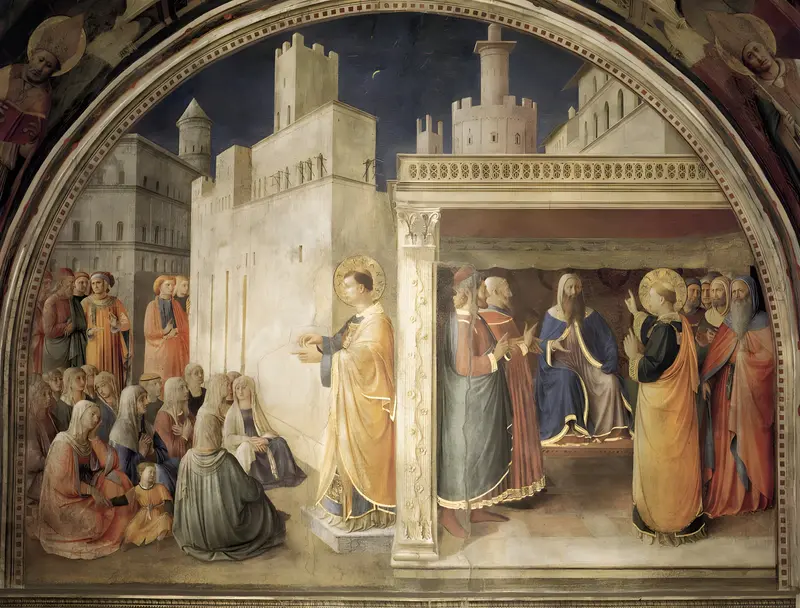
Lunette of the north wall
Fra Angelico
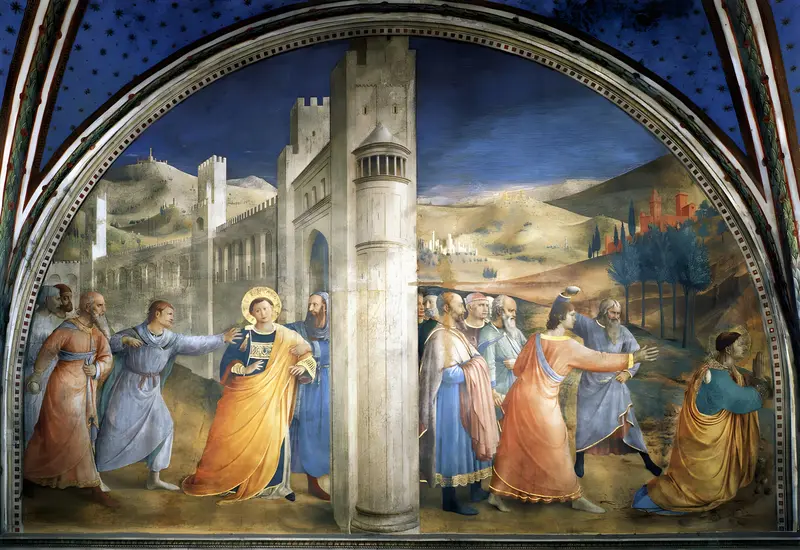
Lunette of the east wall in Niccoline Chapel
Fra Angelico
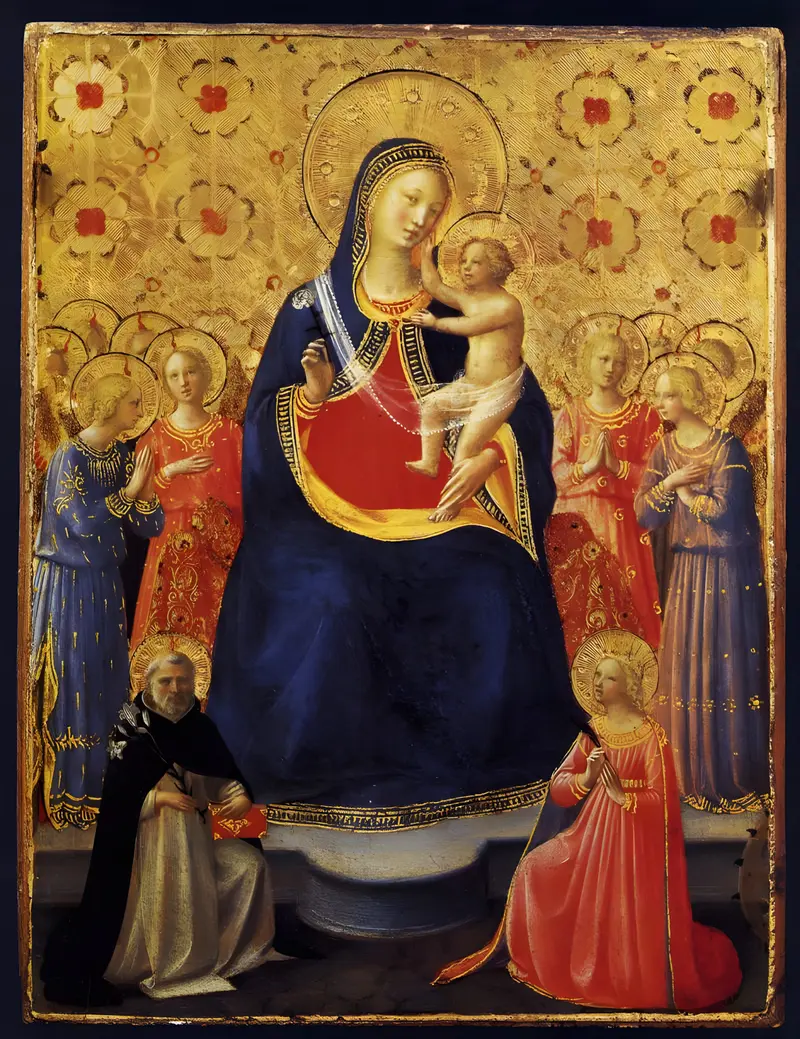
Madonna and Child Enthroned with Nine Angels and Saints Dominic and Catherine of Alexandria
Fra Angelico
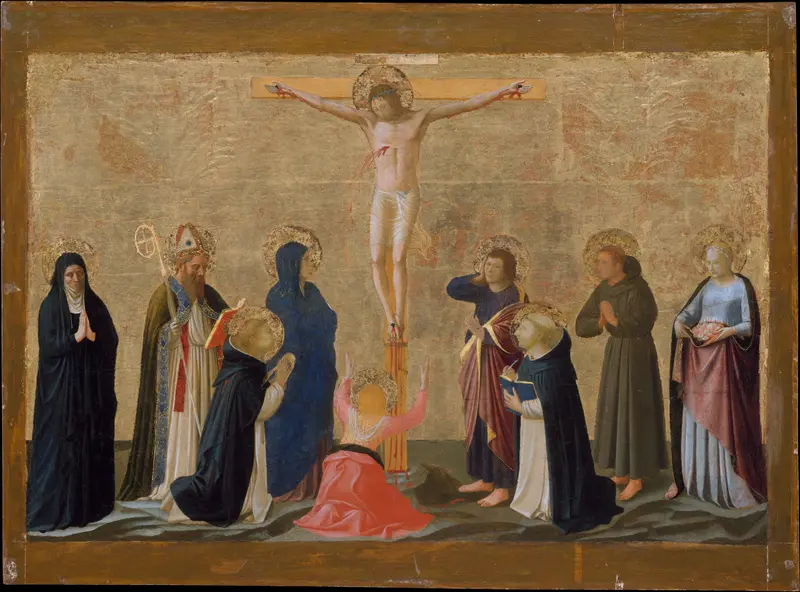
The Crucifixion
Fra Angelico
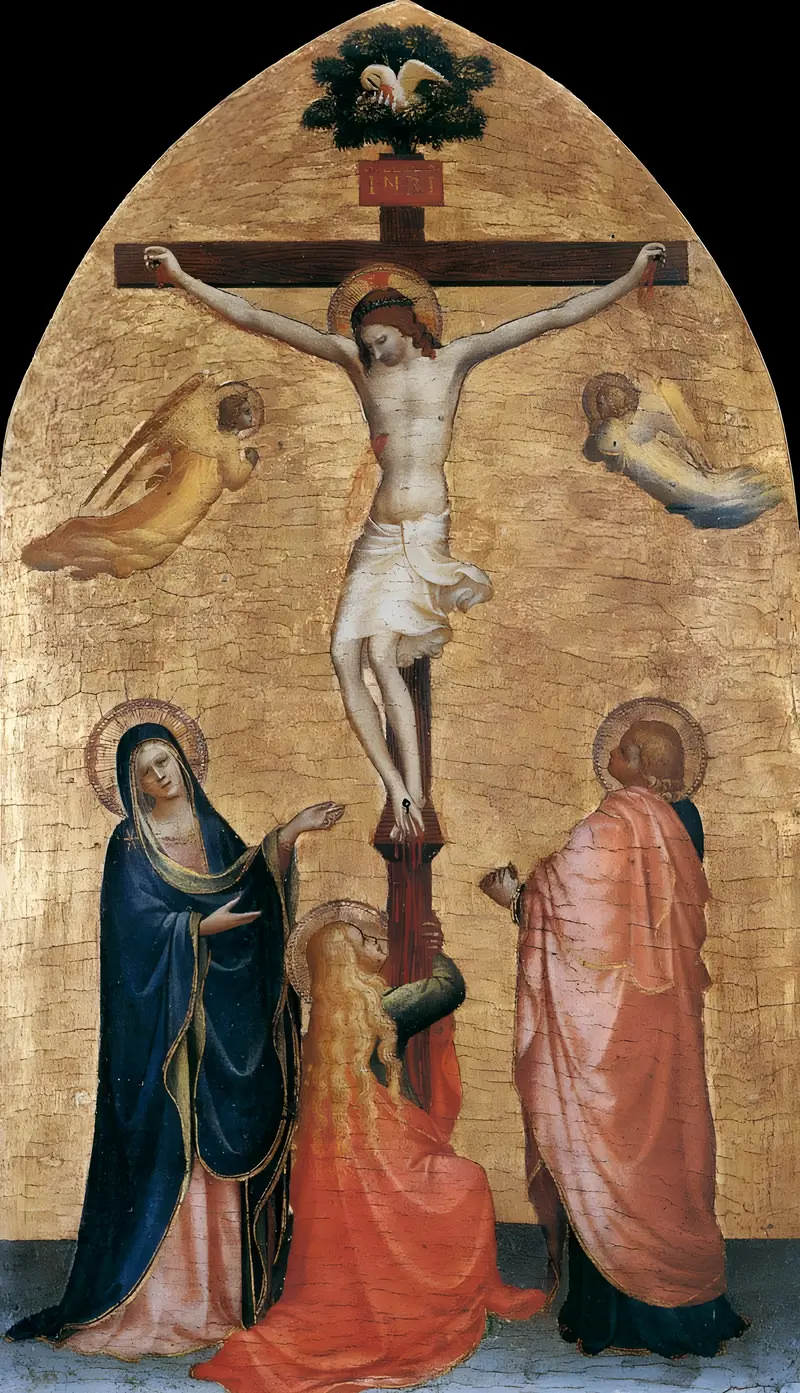
Crucifixion with the Virgin, John the Evangelist, and Mary Magdelene
Fra Angelico
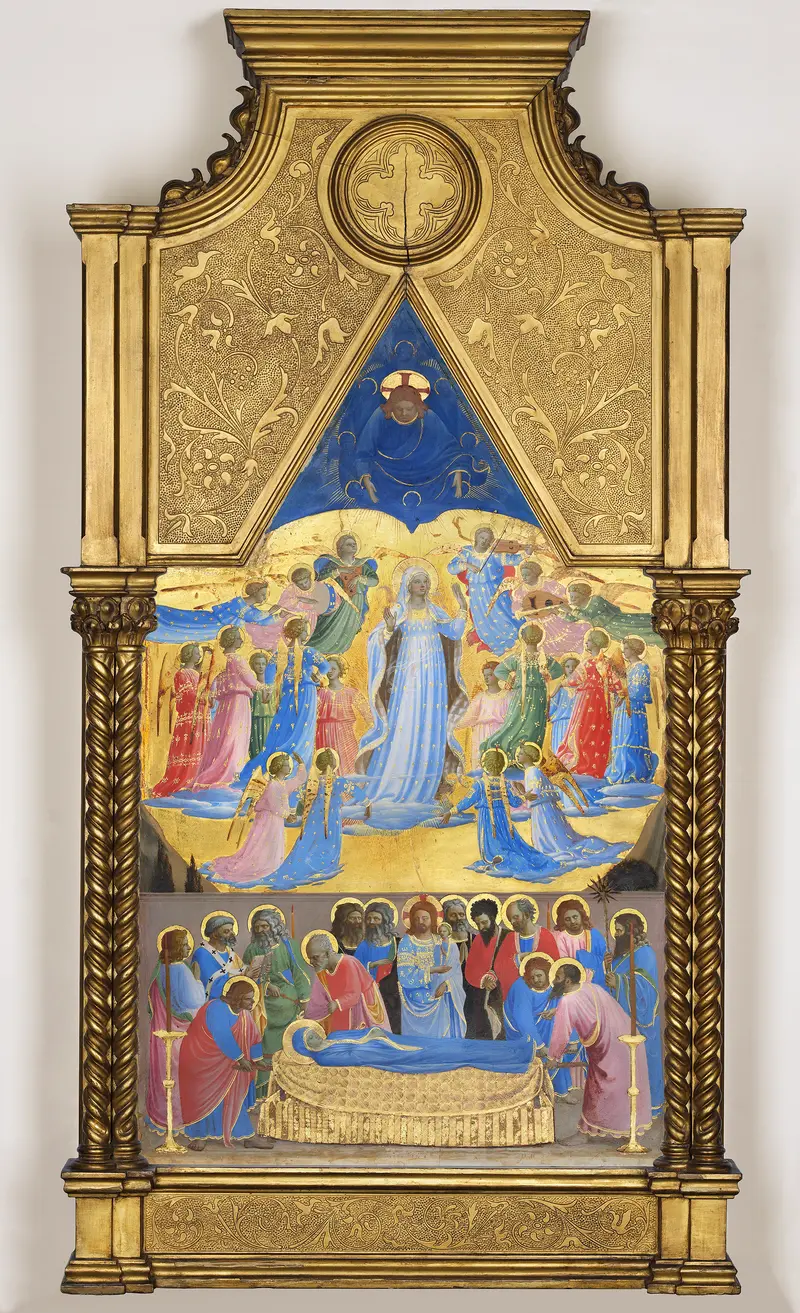
Dormition and Assumption of the Virgin
Fra Angelico
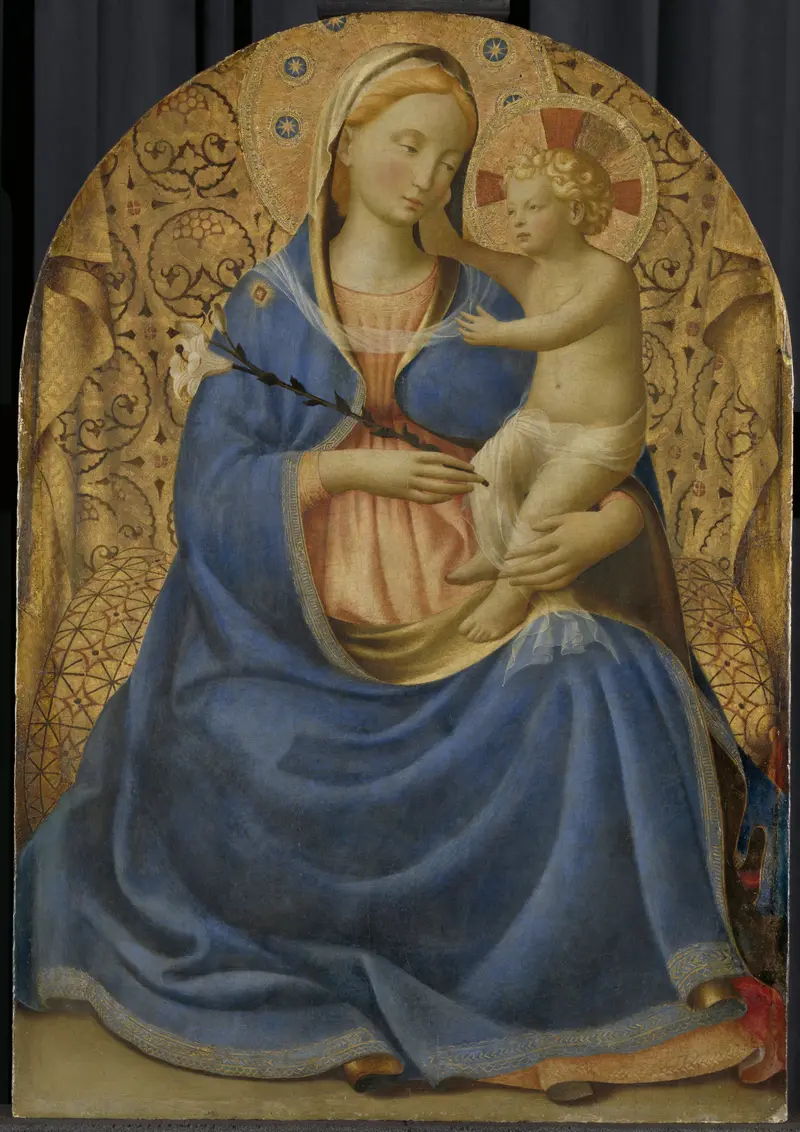
Madonna of Humility
Fra Angelico
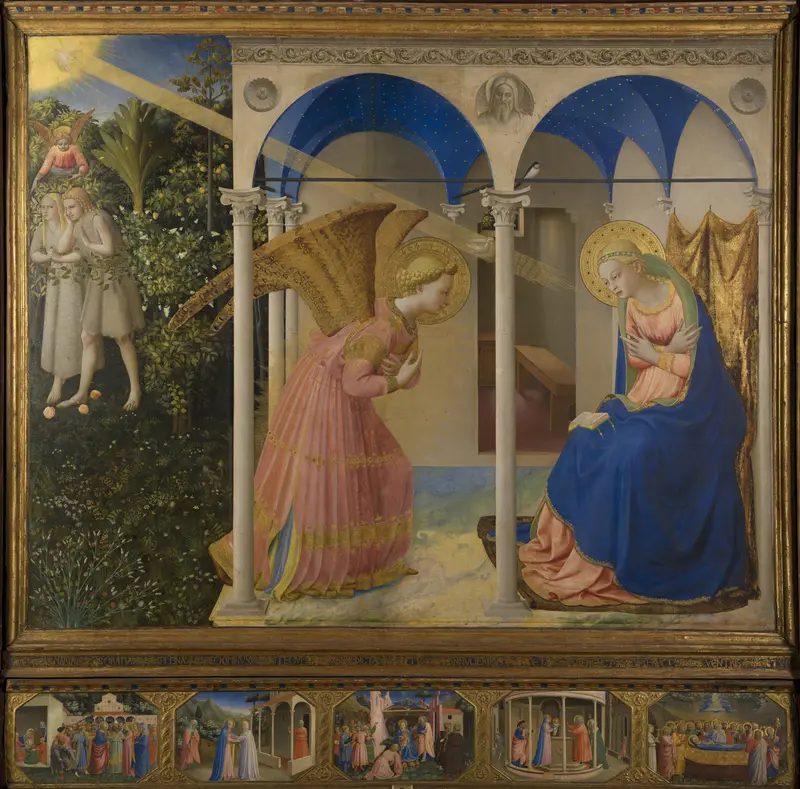
The Annunciation
Fra Angelico

Saint Anthony Abbot
Fra Angelico





