
The Gardener — History & Facts
When Jean-Honoré Fragonard submitted The Gardener to the Paris Salon of 1754, it marked one of his first public appearances and signaled the arrival of a bold new talent in French painting. This work, created when Fragonard was just 22, stands out as a rare early example from an artist who would later become synonymous with the playful excesses of the Rococo movement. While the exact medium remains uncertain—possibly oil or pastel—what is clear is the youthful energy and careful observation that set this painting apart from the more theatrical mythologies of his later years. At the heart of The Gardener is a humble figure, caught mid-action as he tends to a flourishing patch of greenery.
Fragonard chooses a moment of quiet industry: the gardener, sleeves rolled, leans into his work with a gentle concentration, his tools and the freshly turned earth rendered with affectionate precision. The light falls softly, illuminating the textures of soil and foliage, while the figure’s simple clothing and direct gaze invite a sense of intimacy. Unlike the grand allegories of Boucher or the moralizing scenes of Greuze, Fragonard here celebrates the dignity of everyday labor, foreshadowing the realism that would later emerge in French art. The subsequent history of The Gardener is somewhat obscure, as is often the case with early works by artists who later achieved fame.
There is no record of a specific patron, and the painting’s whereabouts for much of the 18th and 19th centuries remain undocumented. Today, it is recognized as an important milestone in Fragonard’s career, offering a glimpse of his technical skill and human sympathy before he turned to the exuberant scenes of love and leisure that made his name. Its presence in museum collections today ensures that this quiet tribute to honest work continues to be seen and appreciated.
More Artworks by Jean-Honoré Fragonard
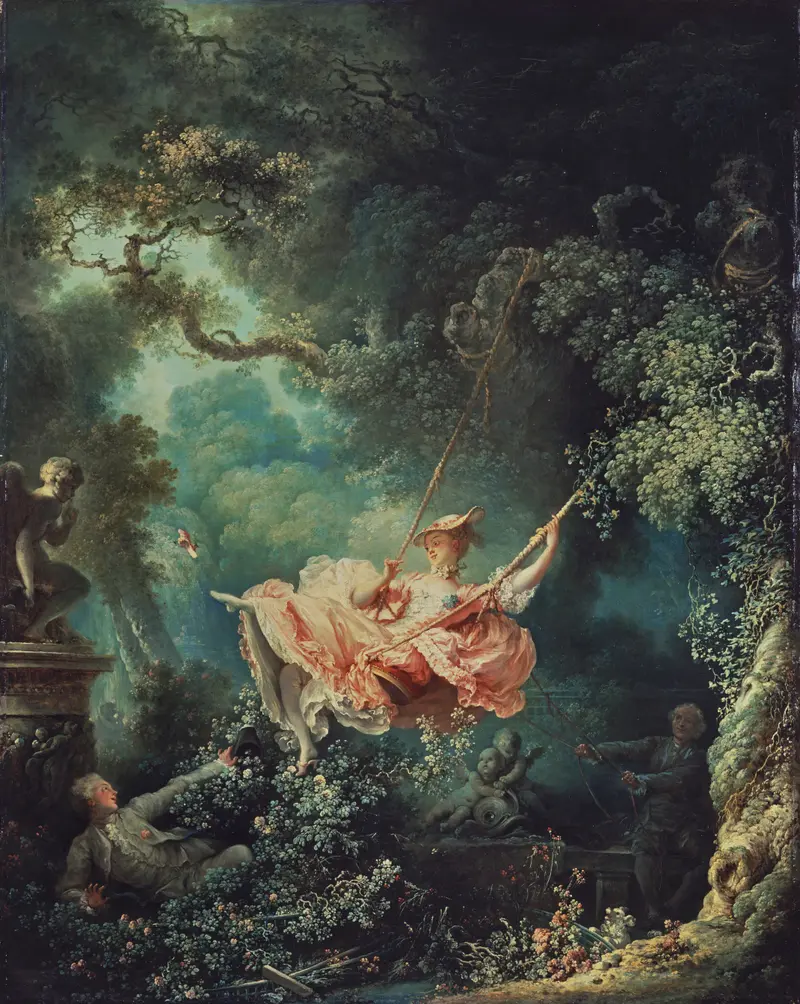
The Swing
Jean-Honoré Fragonard

The Swing
Jean-Honoré Fragonard
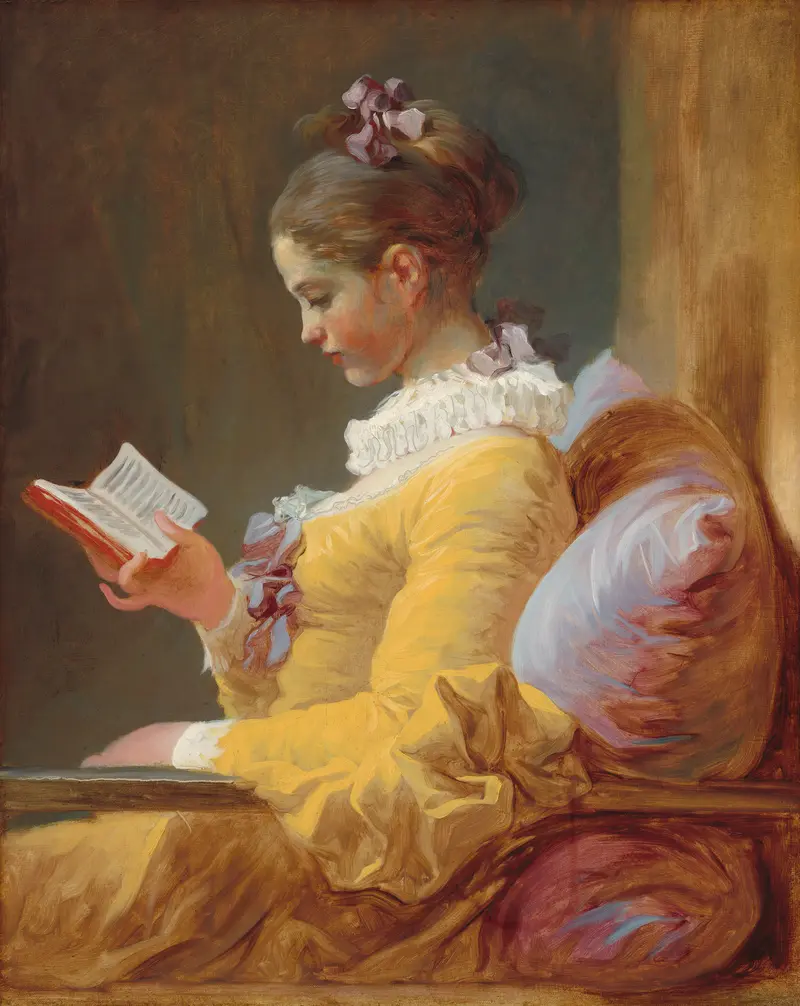
A Young Girl Reading
Jean-Honoré Fragonard
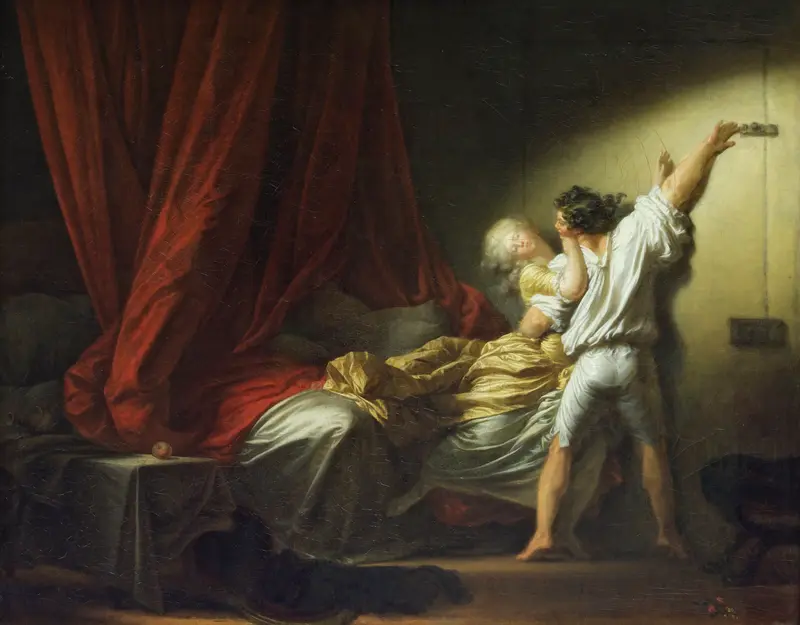
The Lock
Jean-Honoré Fragonard

The Triumph of Venus
Jean-Honoré Fragonard
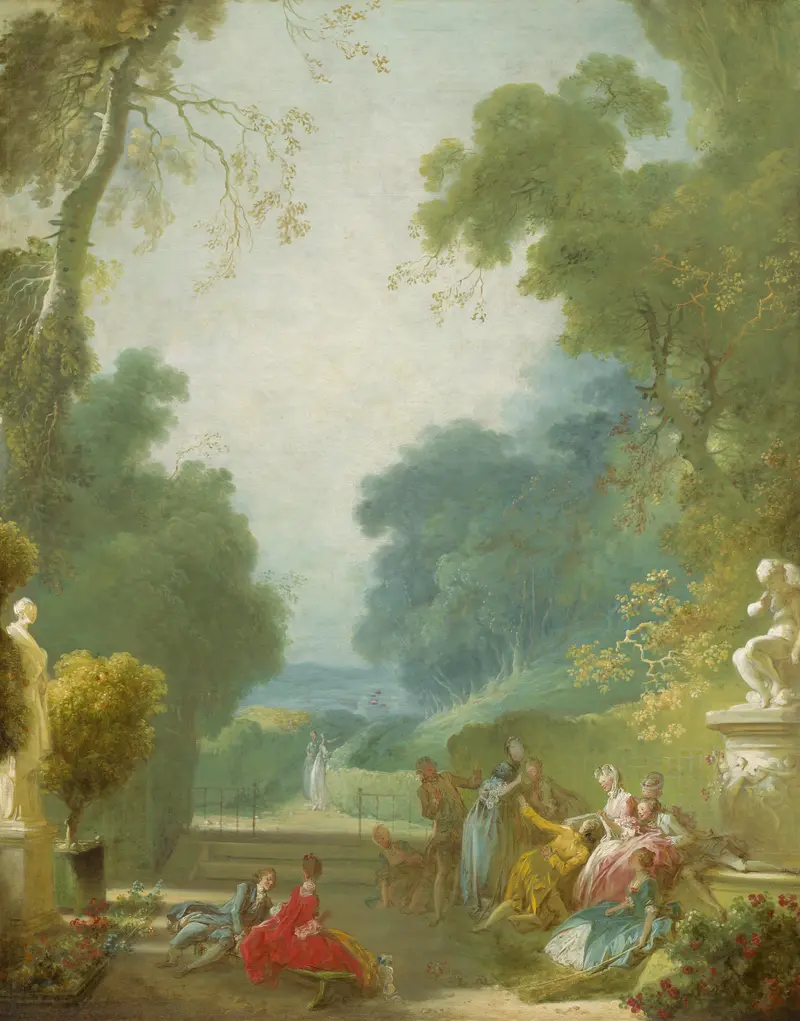
A Game of Hot Cockles
Jean-Honoré Fragonard
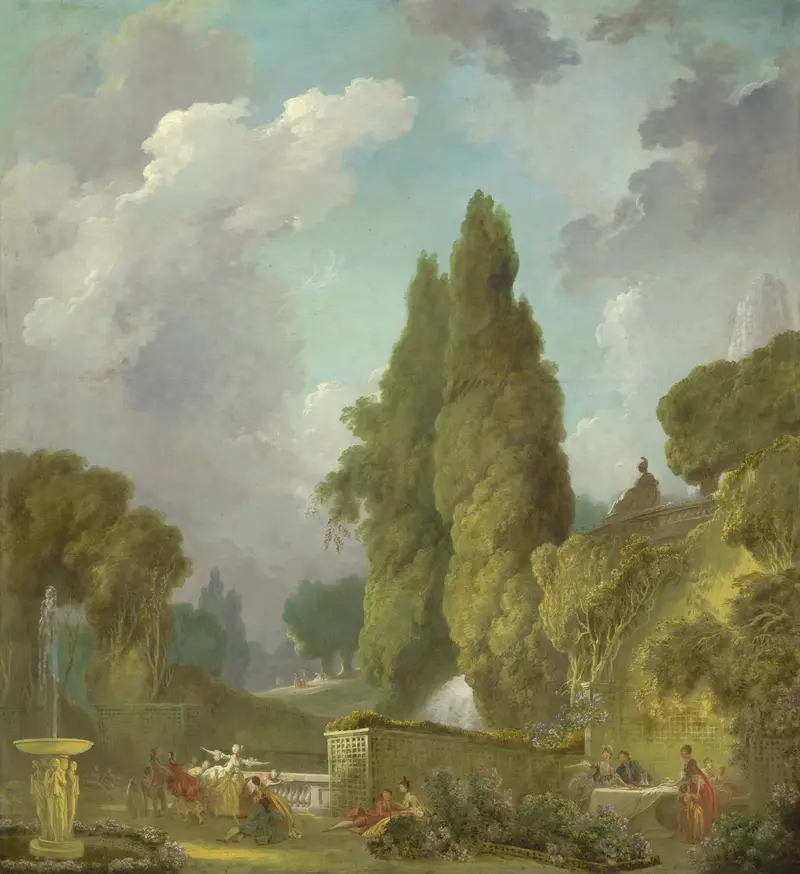
Blindman’s Buff
Jean-Honoré Fragonard
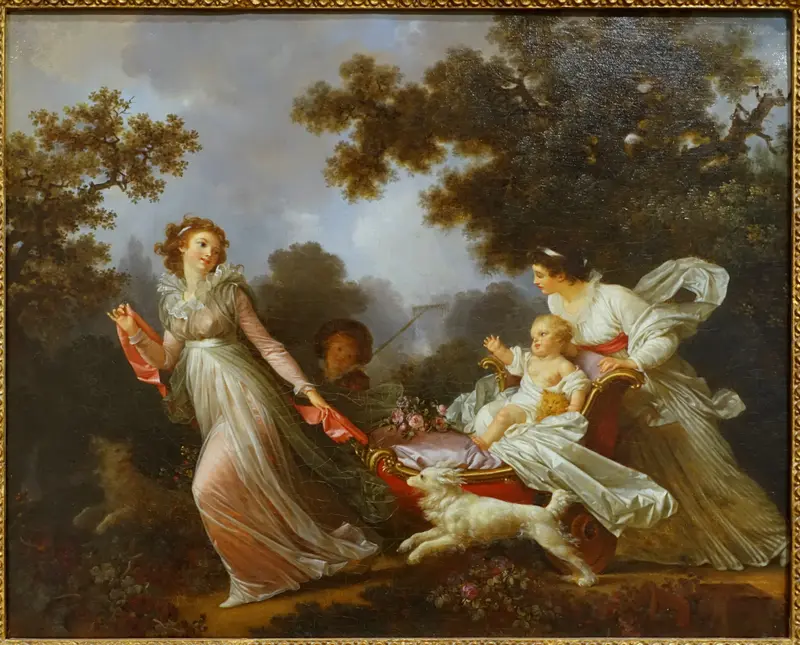
The Beloved Child
Jean-Honoré Fragonard
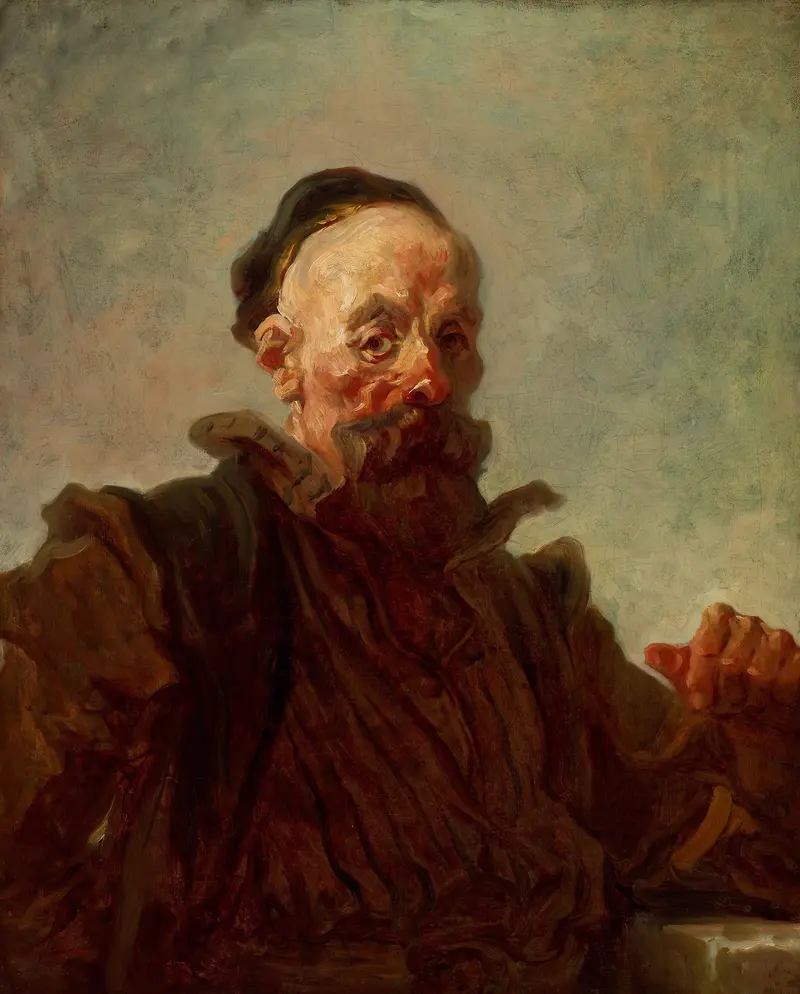
Portrait of a Man in Costume
Jean-Honoré Fragonard
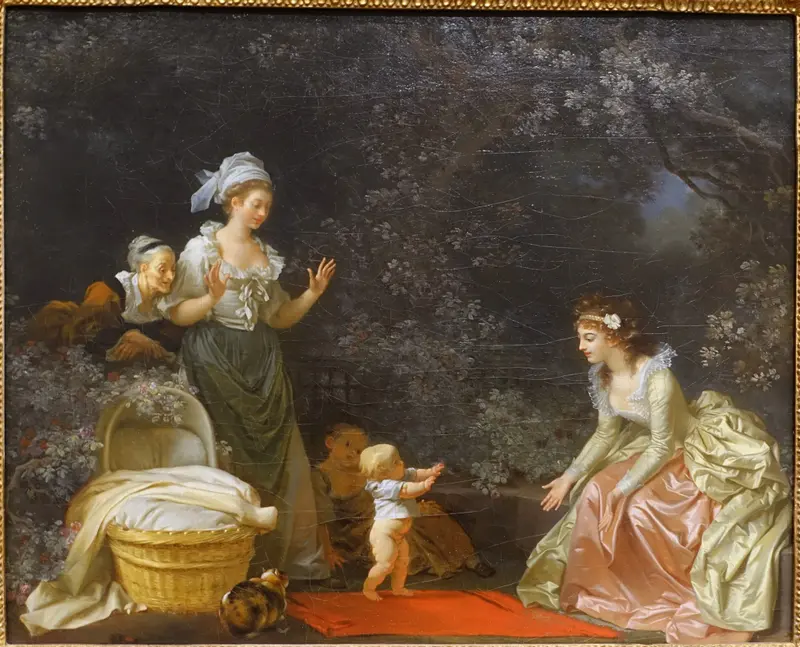
The First Steps
Jean-Honoré Fragonard
More Genre Scene Art

Banquet of the Officers of the St George Civic Guard
Frans Hals

Rembrandt and Saskia in the Scene of the Prodigal Son
Rembrandt van Rijn

Bal du moulin de la Galette
Pierre-Auguste Renoir

Quadrille at the Moulin Rouge
Henri de Toulouse-Lautrec

A Burial at Ornans
Gustave Courbet

When Will You Marry?
Paul Gauguin