
The Gate of Calais — History & Facts
A slab of meat clutched like a treasure, a monk’s eyes wide with anticipation, and a motley crowd at the city gate—The Gate of Calais by William Hogarth seizes the viewer with its theatrical energy and biting humor. The drama unfolds beneath a looming stone arch, where the figures jostle and gesture, each absorbed in their own small drama. The central huddle draws the eye: the monk and his companion, their faces exaggerated in comic greed, seem almost to perform for the viewer, while the rest of the crowd—soldiers, beggars, and onlookers—form a living stage set against the imposing architecture.
The play of light singles out the central action, while shadows at the edges hint at stories untold. Painted in 1748, this work brims with the satirical spirit that defined mid-eighteenth-century British art. In this period, artists like Hogarth turned their gaze on everyday life and social types, using wit and caricature to comment on the world around them. The bustling, chaotic scene at the gate reflects a fascination with the borderlands between nations and classes, as well as the rituals and absurdities of travel and trade.
While little is recorded about the specific journey of this painting, its presence in The Yorck Project’s vast digital collection speaks to the enduring appeal of such scenes—alive with character, detail, and the unmistakable stamp of their era. The longer you linger, the more the painting rewards your curiosity, each face and gesture offering a new thread to follow.
More Artworks by William Hogarth
The Graham Children
William Hogarth
Marriage A-la-Mode: 2. The Tête à Tête
William Hogarth
Marriage A-la-Mode: 4. The Toilette
William Hogarth
Marriage A-la-Mode: 5. The Bagnio
William Hogarth
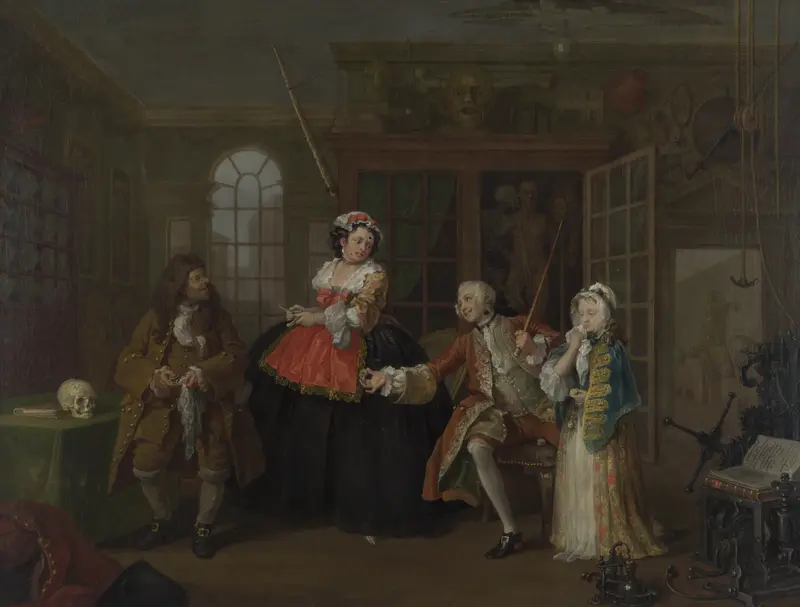
Marriage A-la-Mode: 3. The Inspection
William Hogarth

Miss Mary Edwards
William Hogarth
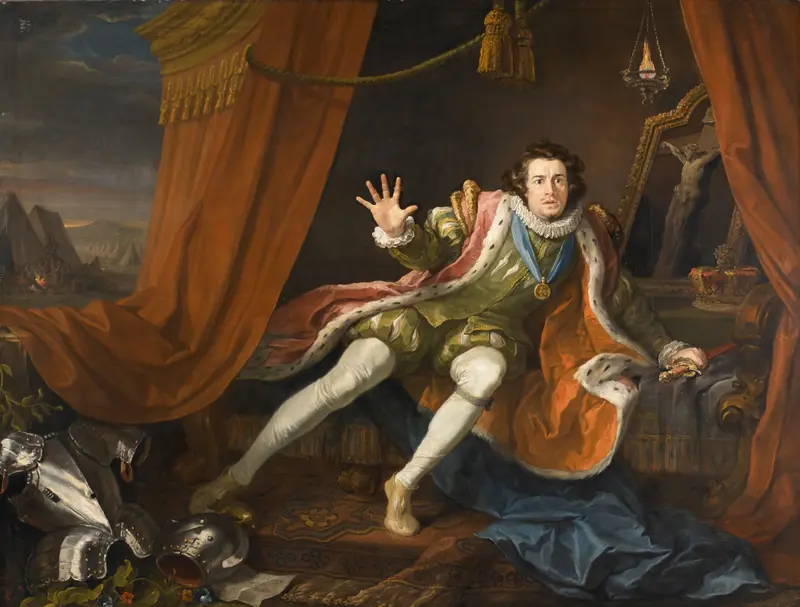
David Garrick as Richard III
William Hogarth
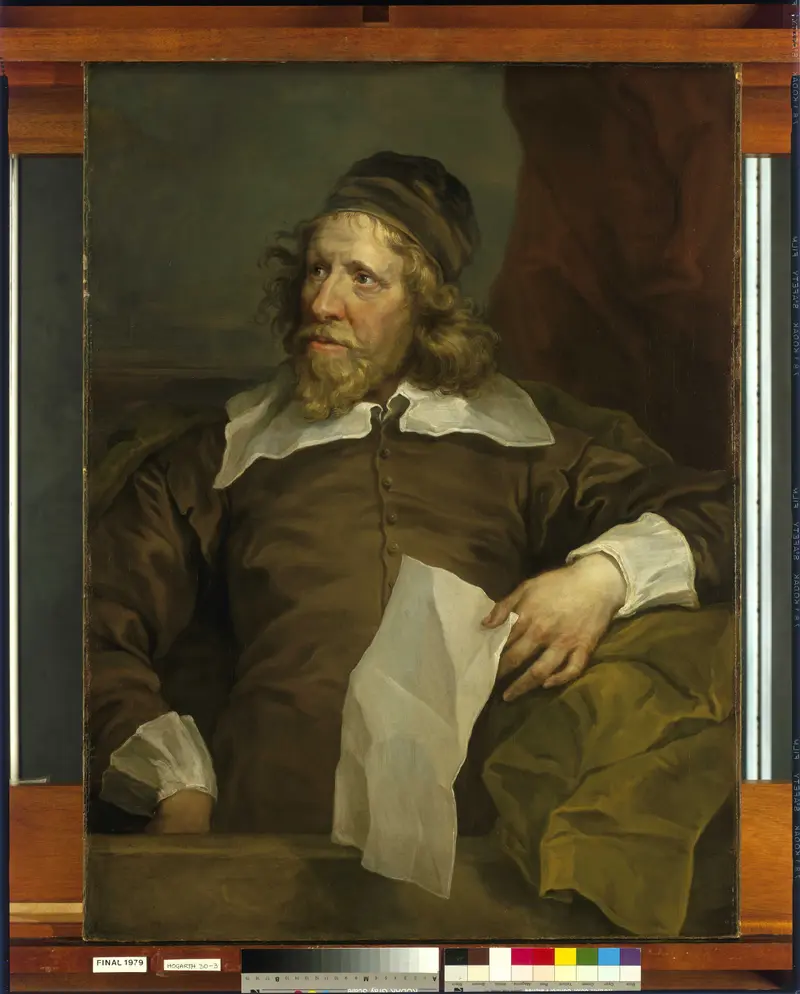
Inigo Jones, 1573-
William Hogarth
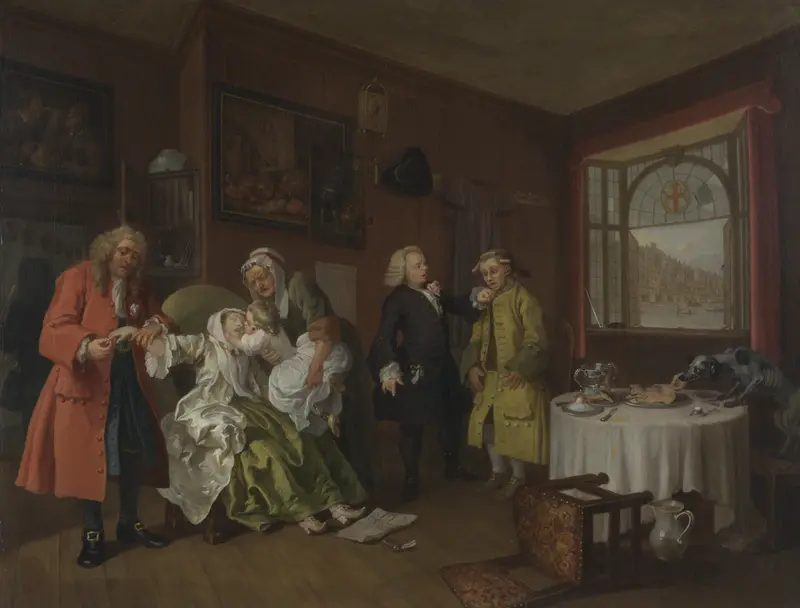
Marriage A-la-Mode: 6. The Lady's Death
William Hogarth
Marriage A-la-Mode: 1. The Marriage Settlement
William Hogarth
More Genre Scene Art

Banquet of the Officers of the St George Civic Guard
Frans Hals

Rembrandt and Saskia in the Scene of the Prodigal Son
Rembrandt van Rijn

Bal du moulin de la Galette
Pierre-Auguste Renoir

Quadrille at the Moulin Rouge
Henri de Toulouse-Lautrec

A Burial at Ornans
Gustave Courbet

When Will You Marry?
Paul Gauguin