
The Goddess Minerva — History & Facts
When Jean-Honoré Fragonard painted The Goddess Minerva in 1772, he was at the height of his fame, yet the work’s origins remain shrouded in mystery. Unlike his more playful and romantic commissions, this painting stands out for its rare foray into the realm of classical mythology—a subject Fragonard seldom tackled. The painting’s whereabouts were unknown for many years, and it is still uncertain for whom it was originally created, adding to its allure among scholars.
Some have speculated it was part of a series on the gods, but no companion works have been definitively linked. Its rediscovery in the twentieth century brought renewed attention to Fragonard’s versatility beyond the boudoir scenes that made his name. Fragonard captures Minerva, the Roman goddess of wisdom and war, at a moment of poised vigilance. Clad in gleaming armor, she holds her spear upright, her gaze directed outward as if anticipating a challenge or bestowing counsel.
The owl at her side, a traditional symbol of wisdom, reinforces her intellectual might, while the olive branch entwined in her helmet hints at her role as a bringer of peace. Light falls dramatically across her figure, picking out the metallic sheen of her breastplate and the rich folds of her cloak, a technique reminiscent of Rubens’s treatment of mythological subjects, yet with Fragonard’s own fluid, quick brushwork. Unlike Poussin’s more austere Minervas, Fragonard’s goddess is both formidable and approachable, her intelligence softened by a hint of humanity. The painting’s early history is still unclear, as no contemporary records of its commission survive.
It entered public view only in the early twentieth century, when it was acquired by a private collector in Paris before making its way to a major museum collection. Its attribution to Fragonard was once questioned due to its unusual subject, but technical analysis and stylistic comparison have since confirmed his hand. Today, The Goddess Minerva is valued as a rare example of the artist’s engagement with mythological themes, offering a glimpse into the broader range of his talents during the late Rococo period.
It stands as a testament to Fragonard’s ability to adapt his lively style to the grandeur of the classical world.
More Artworks by Jean-Honoré Fragonard

The Swing
Jean-Honoré Fragonard

The Swing
Jean-Honoré Fragonard

A Young Girl Reading
Jean-Honoré Fragonard

The Lock
Jean-Honoré Fragonard

The Triumph of Venus
Jean-Honoré Fragonard

A Game of Hot Cockles
Jean-Honoré Fragonard
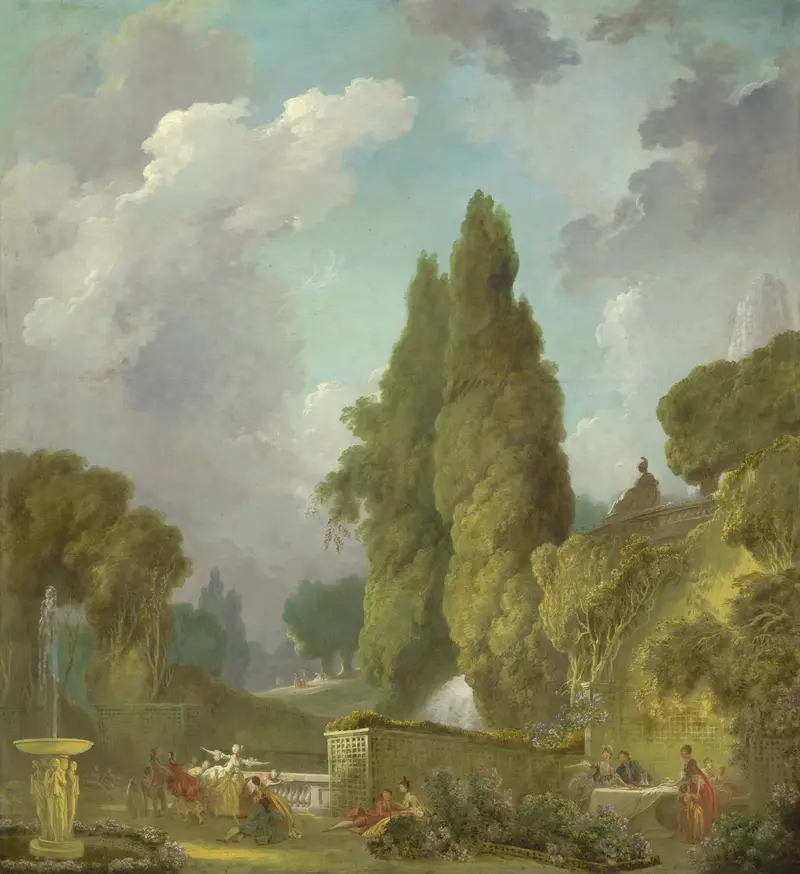
Blindman’s Buff
Jean-Honoré Fragonard
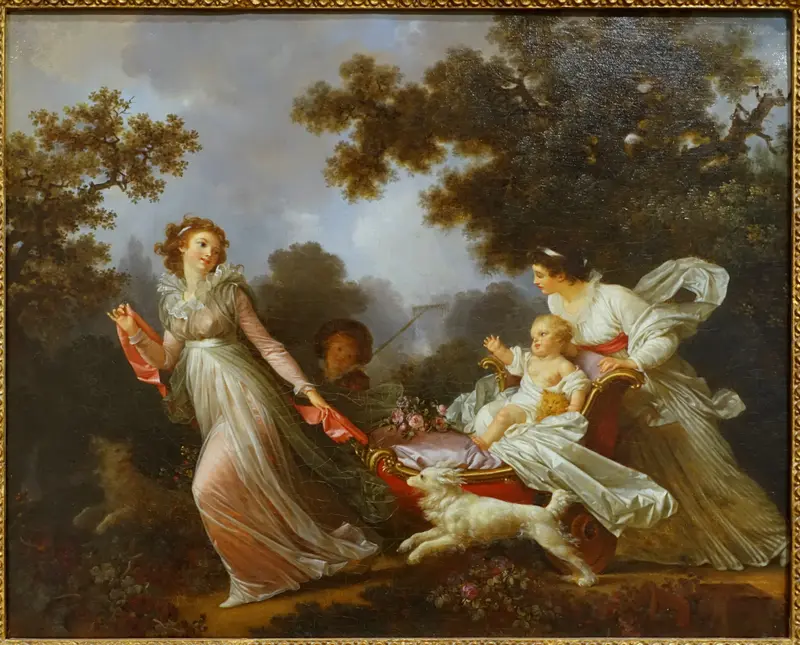
The Beloved Child
Jean-Honoré Fragonard
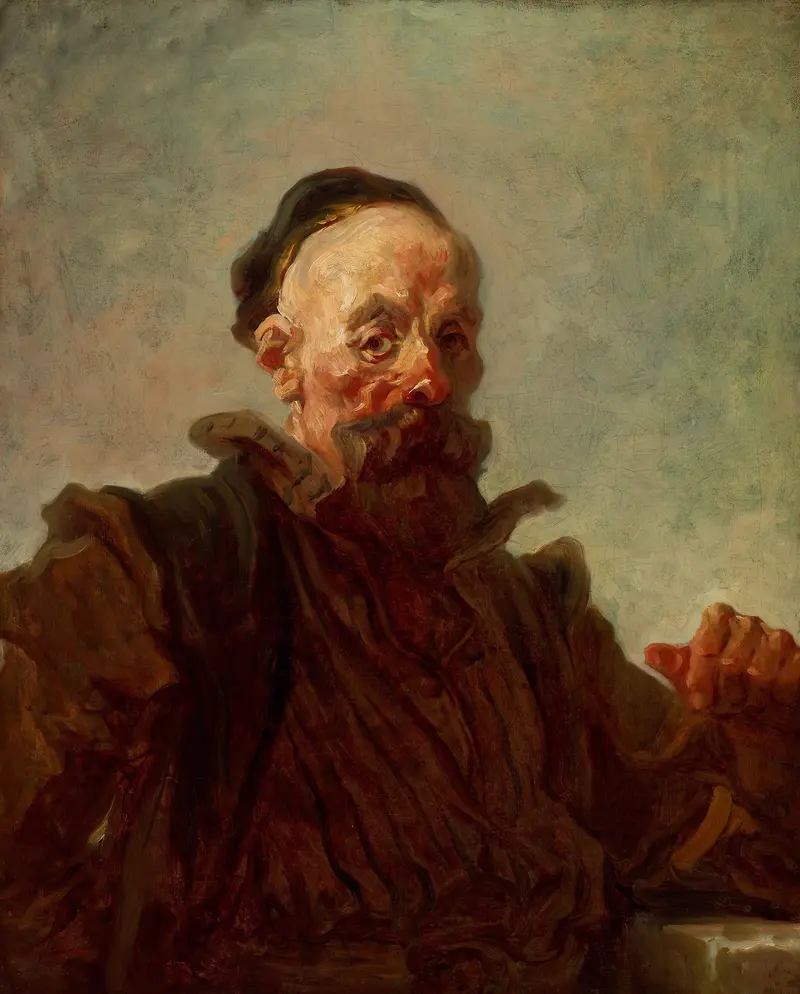
Portrait of a Man in Costume
Jean-Honoré Fragonard
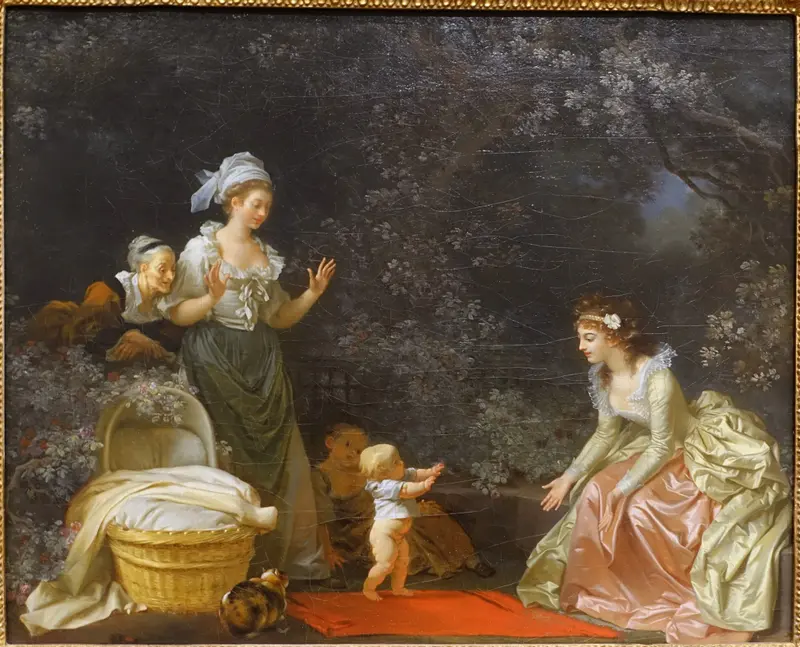
The First Steps
Jean-Honoré Fragonard





