
The Good Mother — History & Facts
When The Good Mother was exhibited at the Salon of 1765, it marked a turning point for the young Jean-Honoré Fragonard, who had just returned from his formative years in Italy. Critics and viewers alike were surprised to see the painter—already known for his exuberant, playful scenes—embrace a subject so rooted in the new ideals of virtue and domesticity. The painting’s title itself nods to the Enlightenment debates of the time, echoing Jean-Jacques Rousseau’s influential writings on natural motherhood and the moral education of children.
In a period when the French elite were fascinated by the concept of the “natural” family, Fragonard’s work became part of a broader cultural conversation. The scene Fragonard selects is intimate and quietly revolutionary: a mother, absorbed in her child, sits in a sunlit interior, her attention wholly given to the small figure at her knee. The mother’s gentle gesture—her hand guiding the child’s—embodies Rousseau’s call for maternal tenderness and active involvement, a marked shift from the distant, formal depictions of parenthood in earlier French painting. The scattered toys, simple furnishings, and warm light all reinforce the sense of a humble, affectionate domestic world.
Unlike Greuze’s more moralizing takes on family life, such as The Village Bride, Fragonard’s approach is softer, less didactic, inviting the viewer to share in a private moment rather than judge it. The precise origins of The Good Mother remain somewhat obscure; while the painting was likely produced for a private patron, its early provenance is not fully documented. Over the centuries, it has passed through several notable Parisian collections, surviving the upheavals of the Revolution and the shifting tastes of the 19th century, when Fragonard’s reputation waned before being revived by later scholars. Today, the painting is celebrated as an early example of the artist’s engagement with Enlightenment themes, standing apart from his more famous rococo fantasies.
Its gentle realism and moral undertones foreshadow the changing ideals of French society on the eve of revolution, and it remains a touchstone for understanding Fragonard’s versatility and sensitivity as a painter.
More Artworks by Jean-Honoré Fragonard
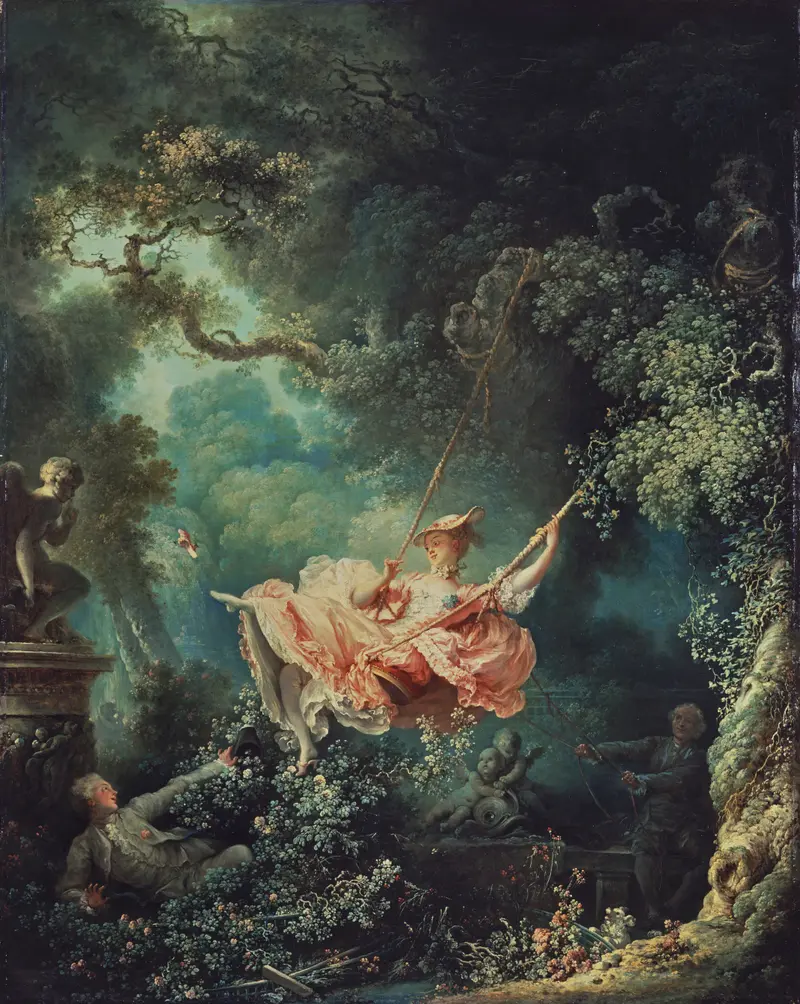
The Swing
Jean-Honoré Fragonard

The Swing
Jean-Honoré Fragonard
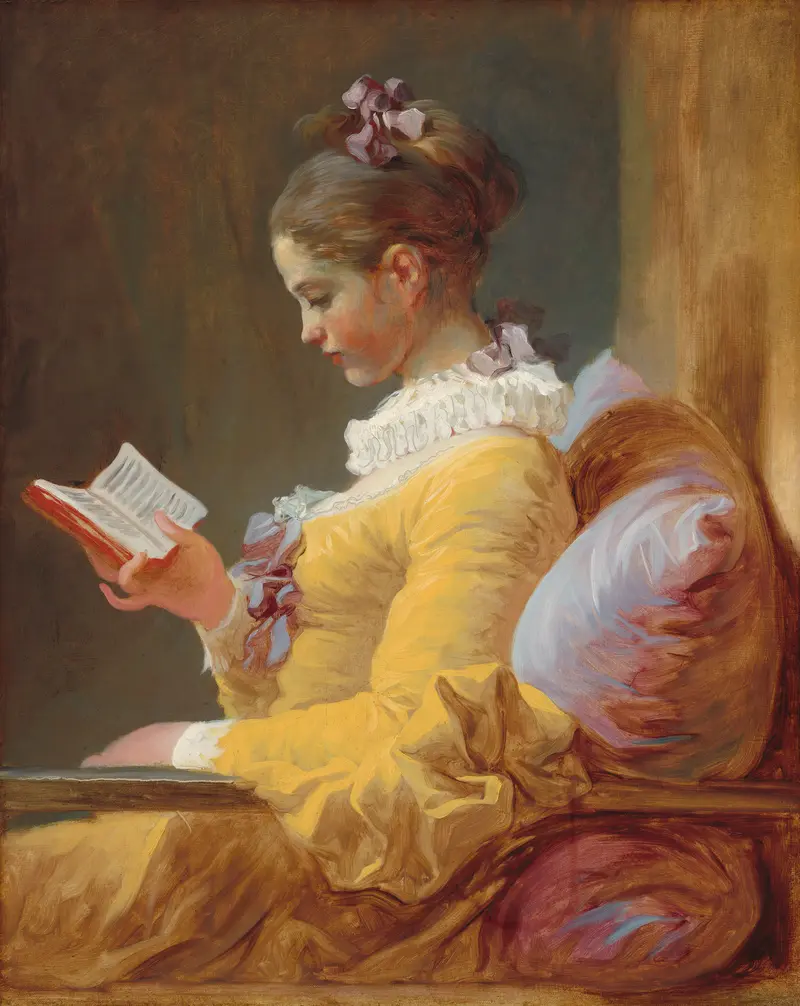
A Young Girl Reading
Jean-Honoré Fragonard
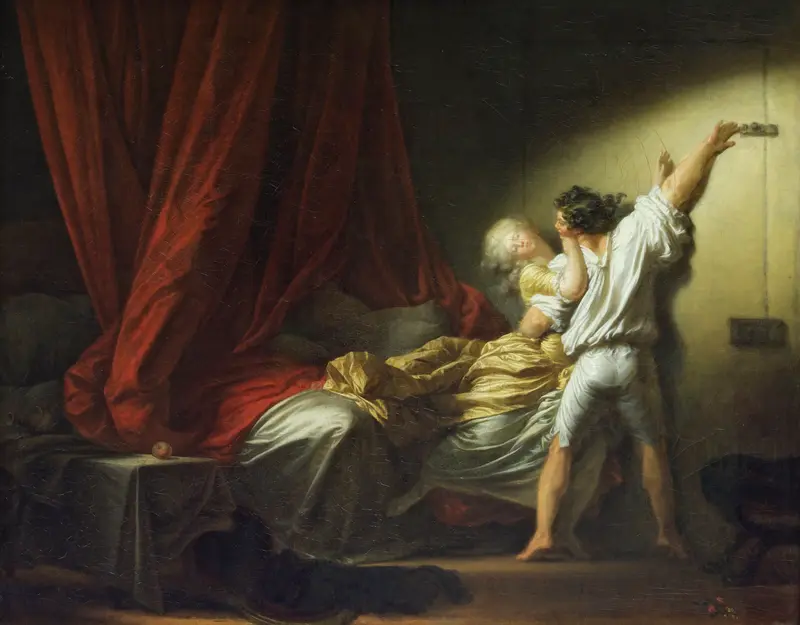
The Lock
Jean-Honoré Fragonard
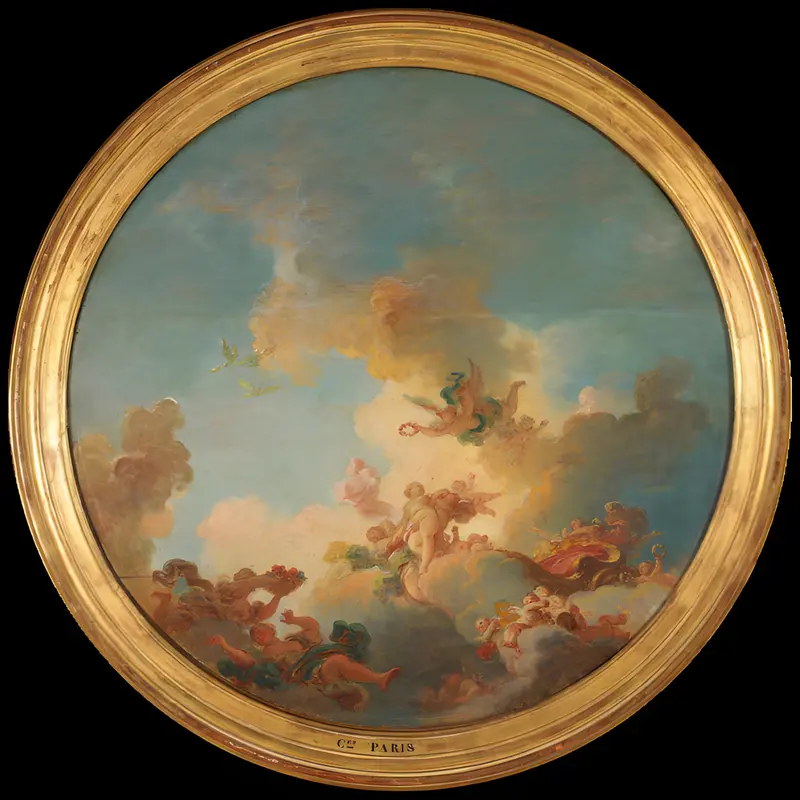
The Triumph of Venus
Jean-Honoré Fragonard
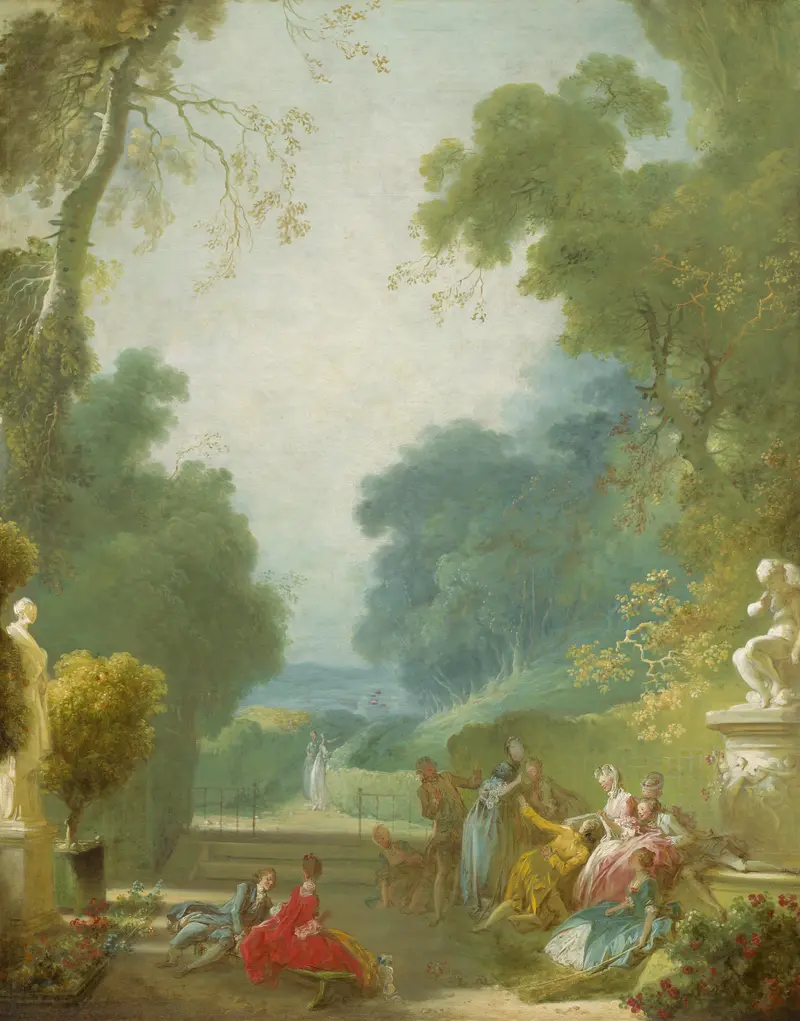
A Game of Hot Cockles
Jean-Honoré Fragonard
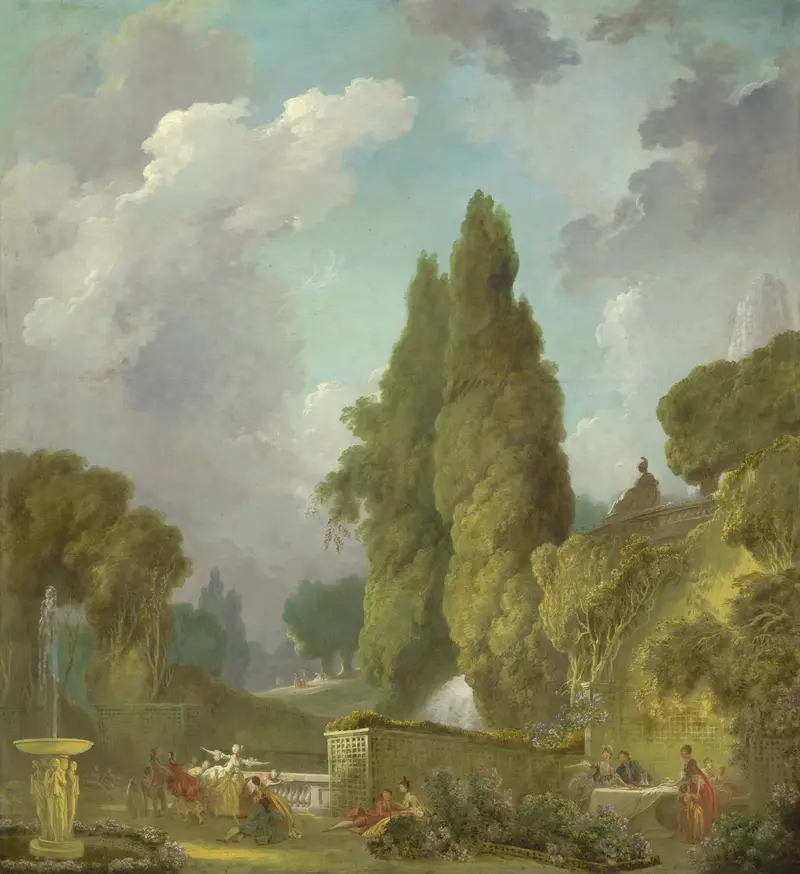
Blindman’s Buff
Jean-Honoré Fragonard
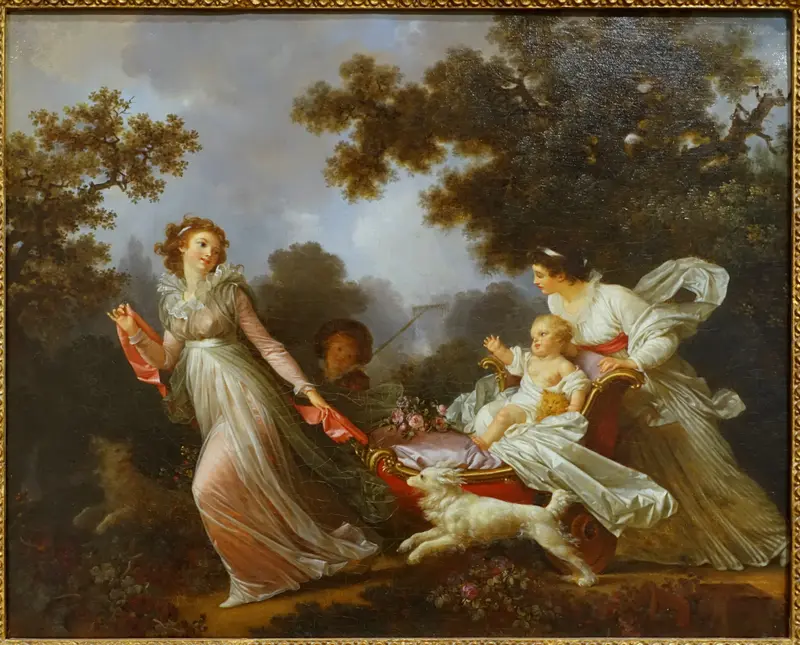
The Beloved Child
Jean-Honoré Fragonard
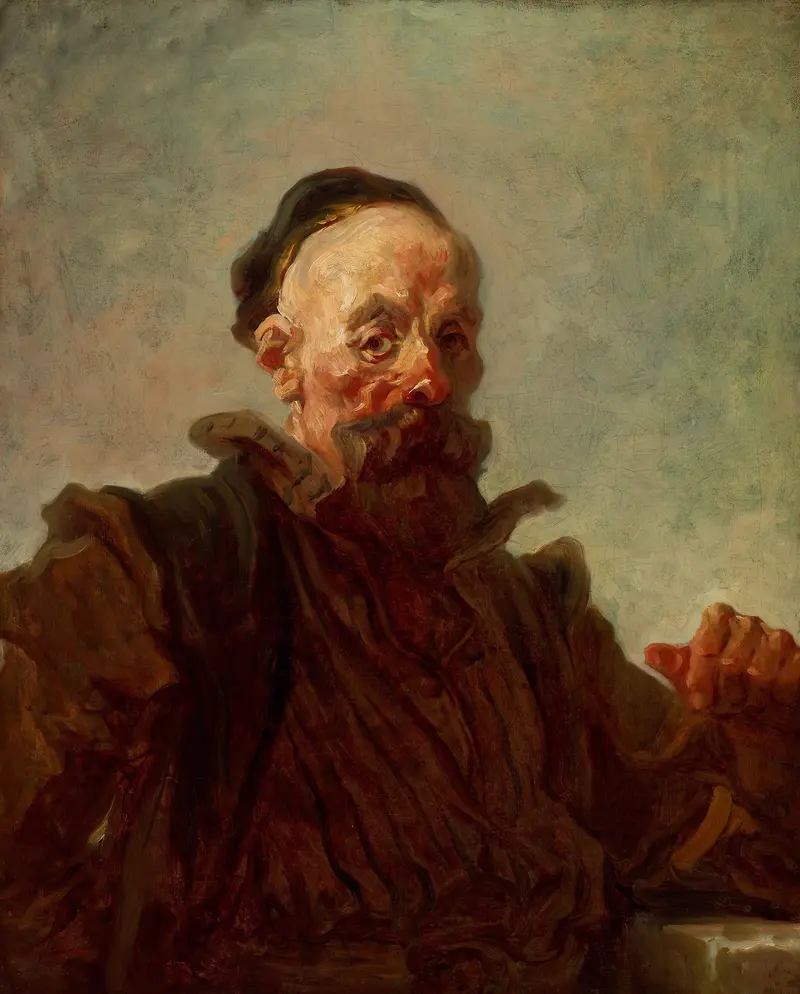
Portrait of a Man in Costume
Jean-Honoré Fragonard
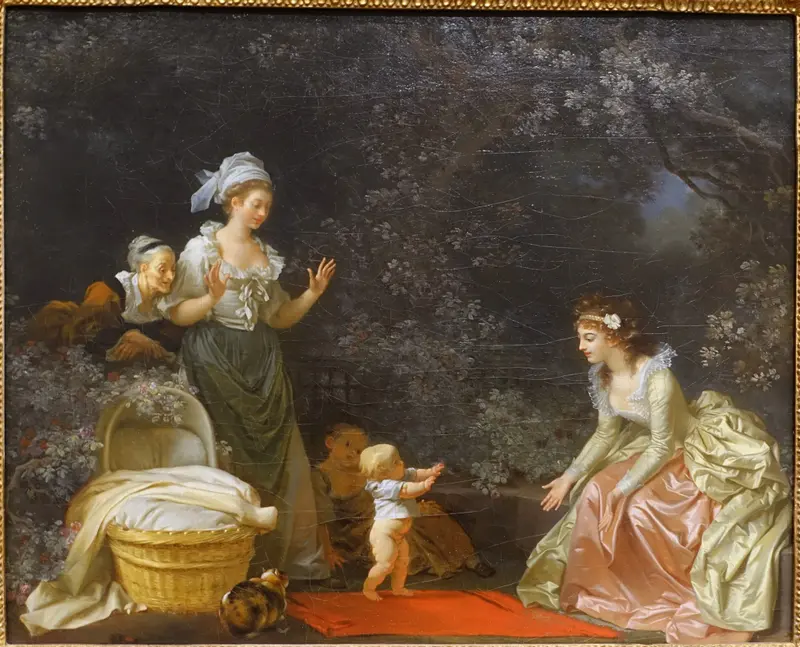
The First Steps
Jean-Honoré Fragonard
More Genre Scene Art

Banquet of the Officers of the St George Civic Guard
Frans Hals

Rembrandt and Saskia in the Scene of the Prodigal Son
Rembrandt van Rijn

Bal du moulin de la Galette
Pierre-Auguste Renoir

Quadrille at the Moulin Rouge
Henri de Toulouse-Lautrec

A Burial at Ornans
Gustave Courbet

When Will You Marry?
Paul Gauguin