
The Great Black Woodpecker — History & Facts
A single red-crowned woodpecker grips the bleached skeleton of a pine, commanding the viewer’s attention before a vast, layered wilderness. The eye is drawn first to that flash of crimson, a living spark against the subdued greens and greys of the forest. From there, the tangled branches lead upward, echoing the bird’s restless energy, while the distant hills and river recede into cool shadow.
The border, patterned with stylized cones and needles, frames the scene like a window into a world both wild and carefully observed. The light falls softly, but the mood is anything but still; there is a sense of watchfulness, of nature poised and alert. Painted in 1893, The Great Black Woodpecker by Akseli Gallen-Kallela stands at the crossroads of Finnish national romanticism and the close study of nature that marked late nineteenth-century northern art. Artists of this era, especially in Scandinavia, often turned to their native landscapes to express identity and longing, capturing the drama of their forests and lakes with new intensity.
While grand historical canvases filled salons elsewhere, works like this—intimate, attentive, and quietly monumental—spoke to a rising sense of place and belonging. History has kept few traces of this particular painting’s early life, but its survival in a digital collection today invites us to look again at the wild world it so patiently records.
More Artworks by Akseli Gallen-Kallela
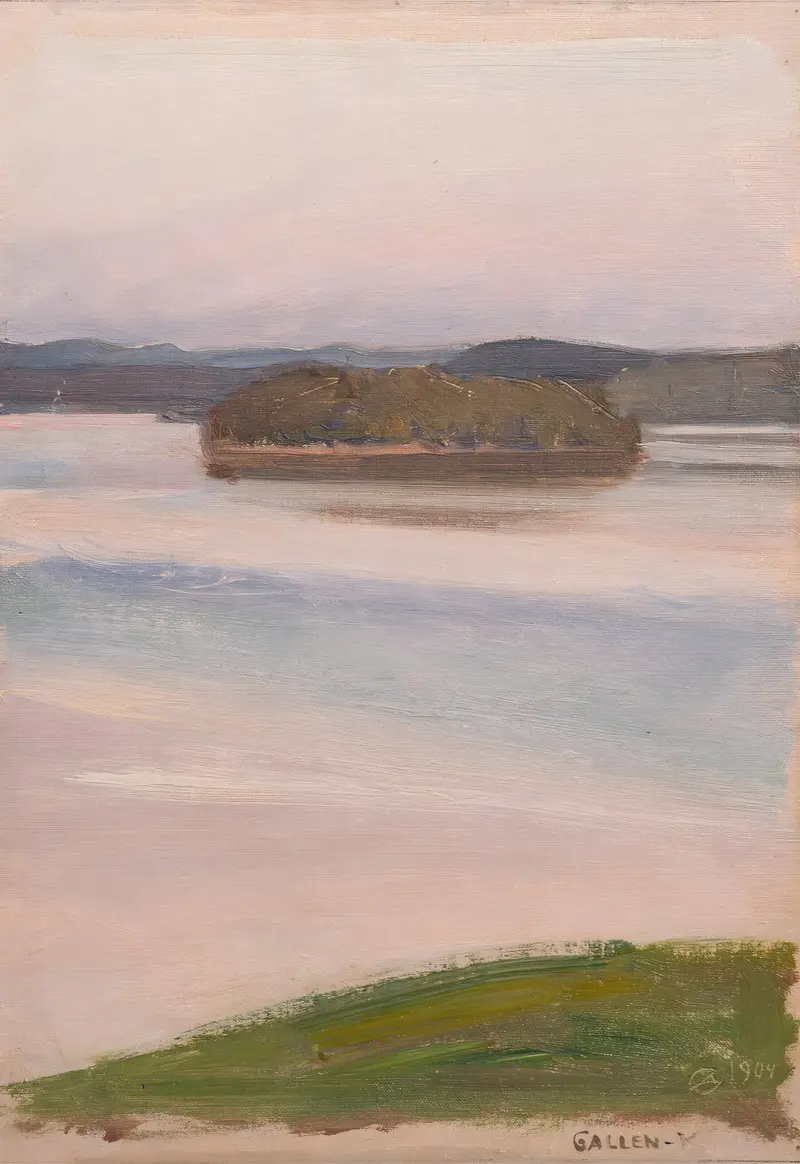
Lake Keitele
Akseli Gallen-Kallela
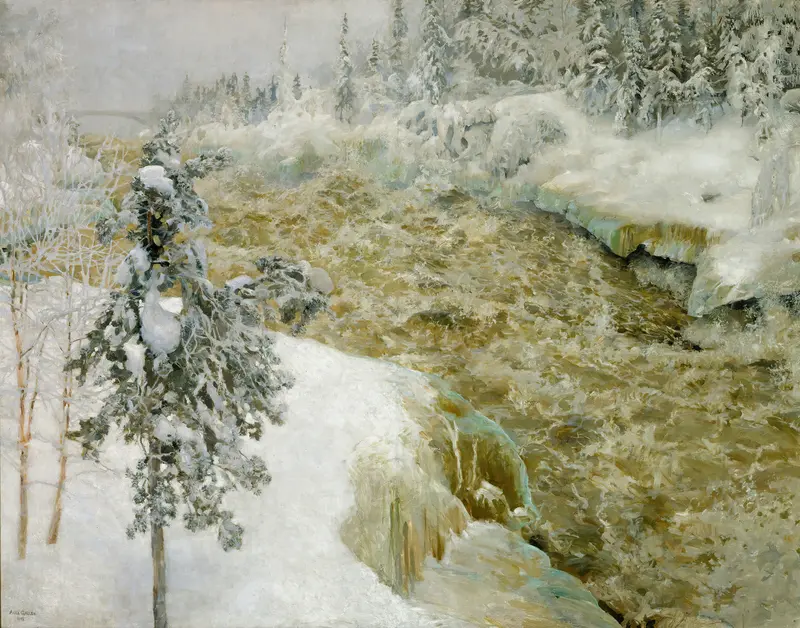
Imatra Falls in Snow ; Imatra in Winter
Akseli Gallen-Kallela
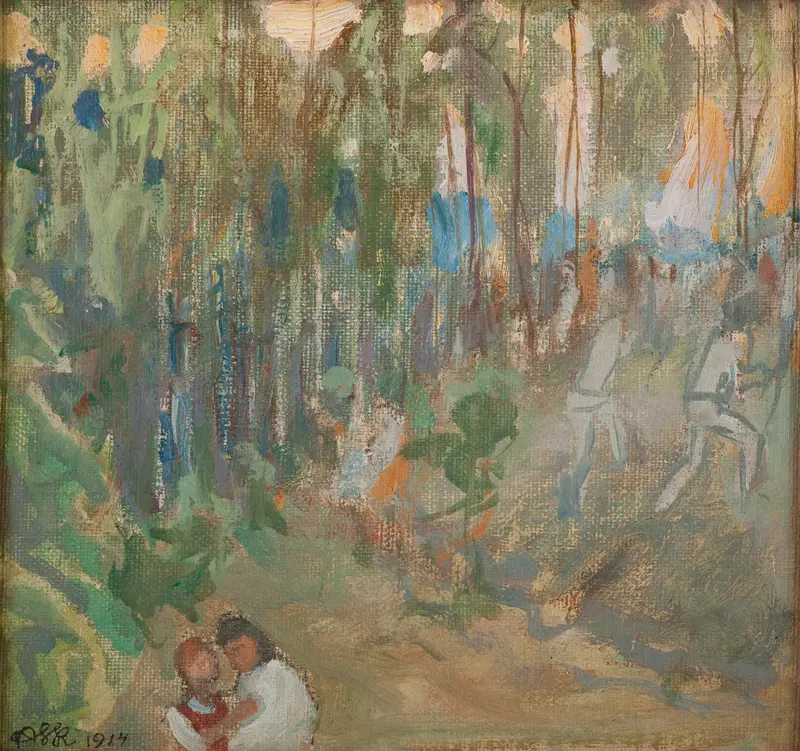
Vainovalkeat
Akseli Gallen-Kallela
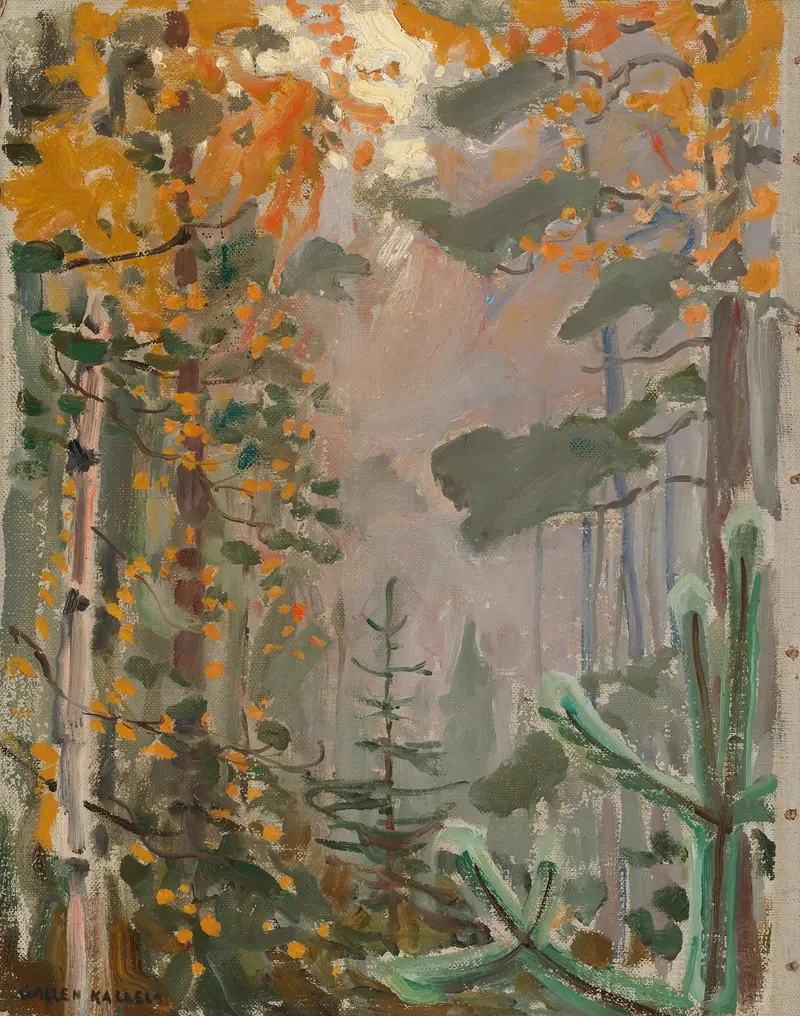
Autumn Landscape
Akseli Gallen-Kallela
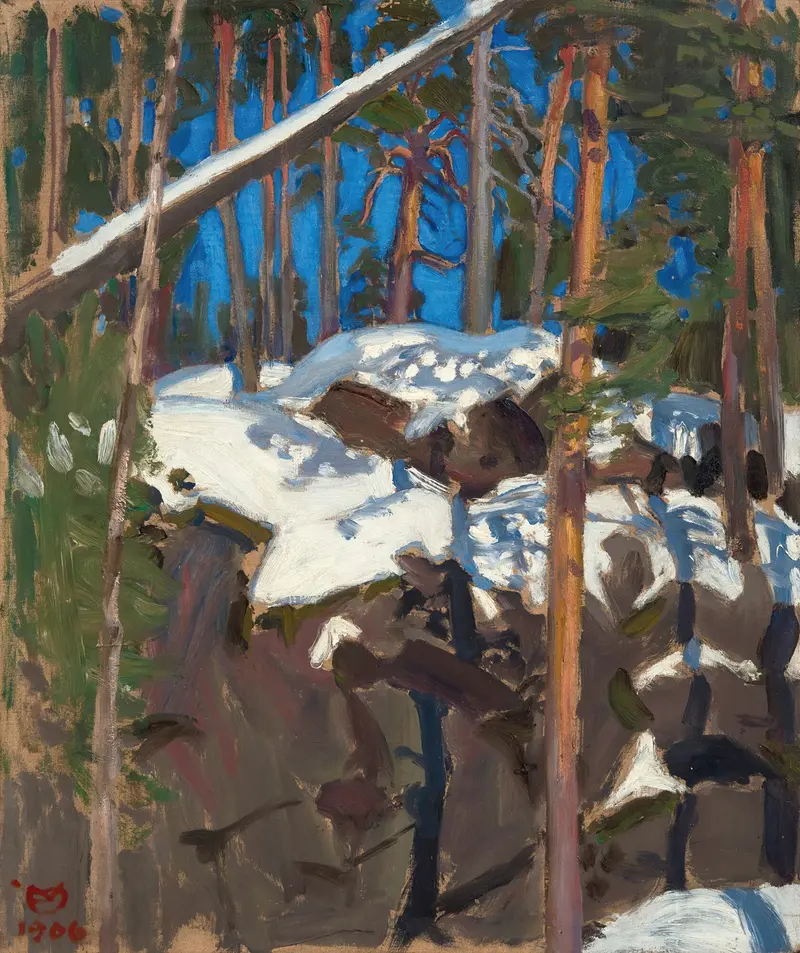
Spring Sun At Konginkangas
Akseli Gallen-Kallela
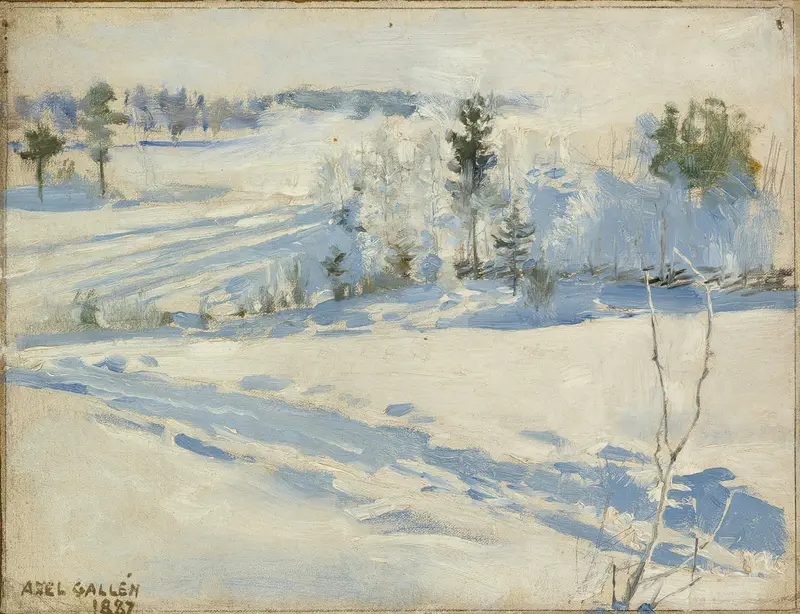
Winter Landscape
Akseli Gallen-Kallela

First Snow
Akseli Gallen-Kallela
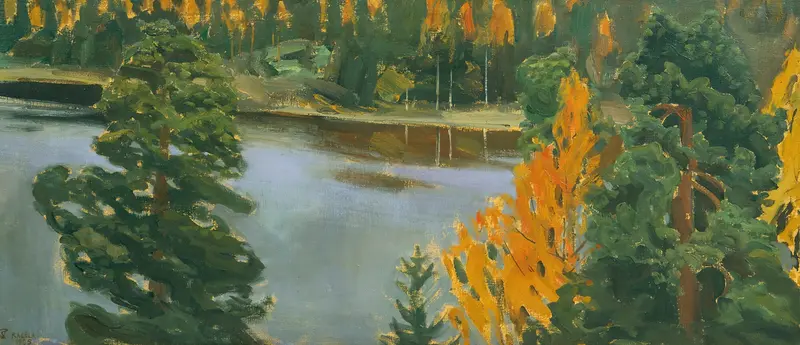
Lake View In Autumn
Akseli Gallen-Kallela
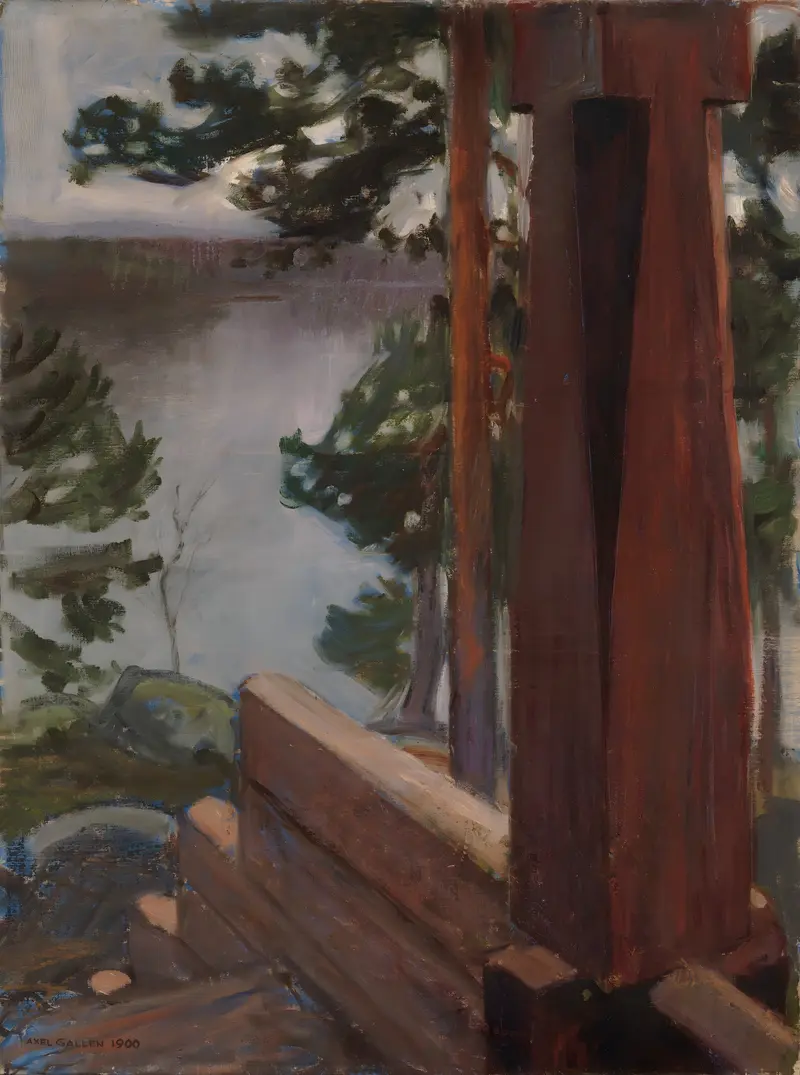
The Kalela Porch
Akseli Gallen-Kallela

Light Behind The Clouds
Akseli Gallen-Kallela





