
The halt at the inn — History & Facts
In the stillness of twilight, shadows dance at the threshold between memory and oblivion, suggesting a story longing to be told. Focus on the darkened doorway, where silhouettes huddle, their forms blurred by the encroaching night. The figures, rendered with a delicate balance of light and shadow, seem to linger in whispered conversation, their expressions obscured yet pregnant with unspoken farewells. Notice the soft golden glow of the lanterns just beyond this threshold, casting an inviting warmth that contrasts dramatically with the cool, deep hues enveloping the scene.
This play of light draws the viewer’s eye, inviting a sense of intimacy within the otherwise somber atmosphere. Yet, beneath the serene exterior lies a poignant tension. The heavy shadows that cloak the figures suggest secrets and unresolved journeys, hinting at the emotional weight each character carries. The stark division between light and dark emphasizes the fleeting nature of this moment—where the warmth of human connection converges with the loneliness of the unknown.
The inn, a refuge for weary travelers, symbolizes both comfort and the inevitable passage of time, evoking a bittersweet nostalgia that lingers long after one has departed. During an undated period in his career, Jacob Salomonsz. van Ruysdael explored the themes of transience and memory in his work while residing in the Netherlands, a time when the Baroque movement was flourishing. The artist was influenced by the dramatic use of light and shadow typical of his contemporaries, yet he infused his paintings with a distinct emotional depth, reflecting the complexities of human experience in a changing world.
More Artworks by Jacob Salomonsz. van Ruysdael
Browse all →
River Landscape With Fishermen And Cattle, The Grote Kerk Of Alkmaar Beyond
Jacob Salomonsz. van Ruysdael
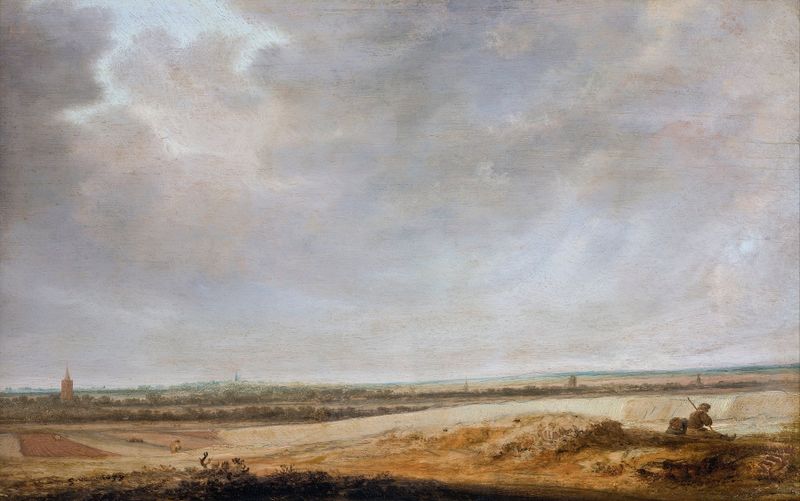
Landscape with Cornfields
Jacob Salomonsz. van Ruysdael

View of Sailing Boats on a Lake
Jacob Salomonsz. van Ruysdael
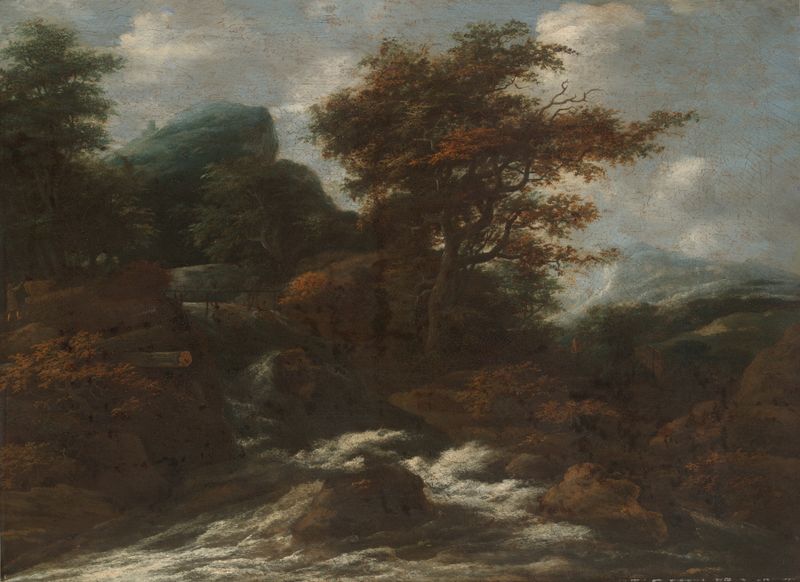
Landscape with Waterfalls
Jacob Salomonsz. van Ruysdael
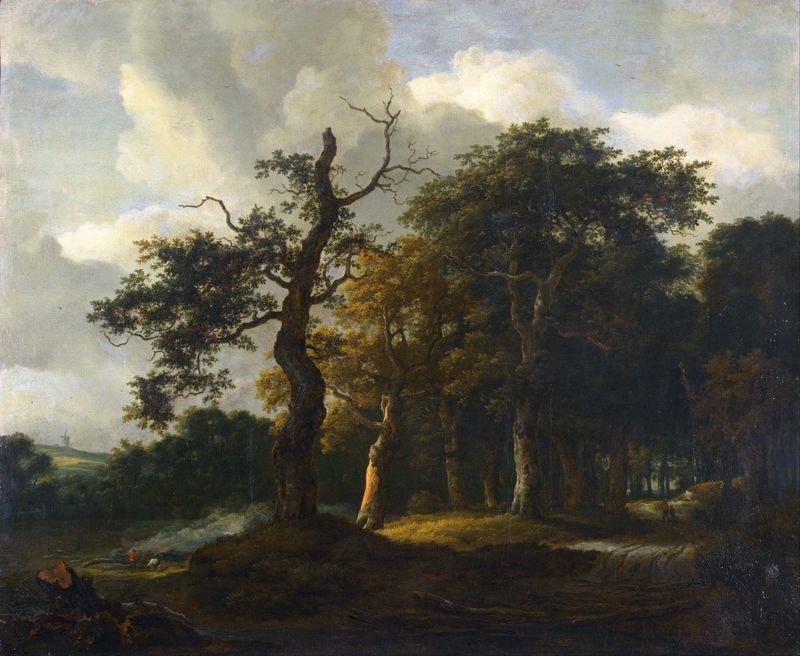
A Road through an Oak Wood
Jacob Salomonsz. van Ruysdael
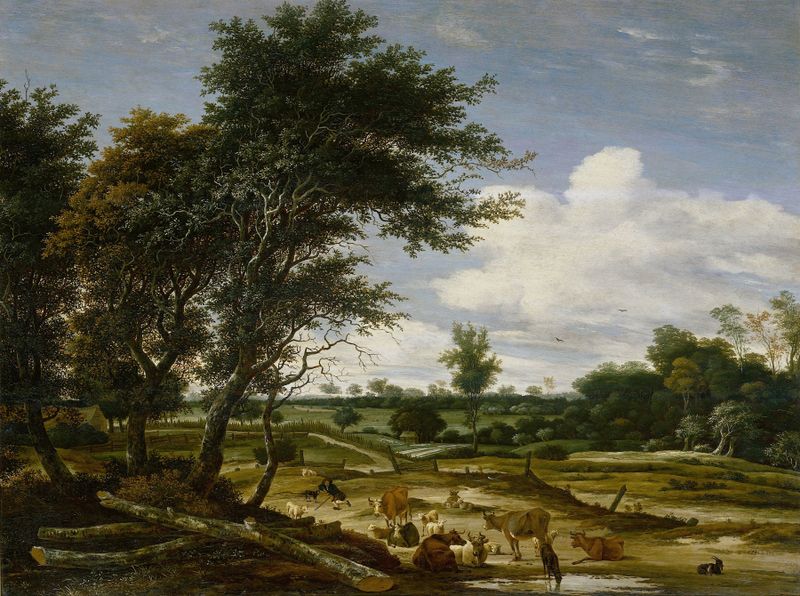
Landscape with herdsmen and cattle
Jacob Salomonsz. van Ruysdael
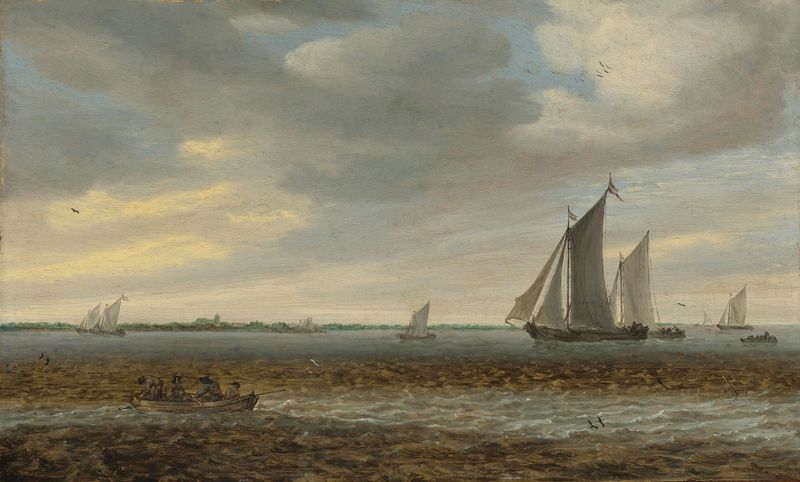
Sailboats And A Rowboat In Coastal Waters
Jacob Salomonsz. van Ruysdael

Marine
Jacob Salomonsz. van Ruysdael

River Landscape
Jacob Salomonsz. van Ruysdael

A Dune Landscape
Jacob Salomonsz. van Ruysdael





