
The Happy Mother — History & Facts
When The Happy Mother first appeared in Paris in 1760, it marked a turning point in Jean-Honoré Fragonard's career, as he began to move away from the grand mythological scenes of his early years toward the intimate, domestic subjects that would define his most beloved works. The painting was celebrated in its day for its fresh approach to motherhood, a theme rarely treated with such warmth in French art of the period. Its popularity was such that Fragonard himself created several variations on the theme, and engravings after the composition circulated widely, spreading its influence beyond the original canvas. At the heart of The Happy Mother is a moment of gentle chaos: a young woman, radiant and smiling, gathers her lively children around her in a sunlit interior.
The youngest child clambers into her lap, while another tugs at her sleeve, eager for attention. Toys and scattered garments hint at the everyday disorder of family life, but the mother's affectionate gaze and open arms create a sense of harmony amid the bustle. Fragonard’s loose, fluid brushwork and soft palette bathe the scene in warmth, inviting the viewer to share in its intimacy.
Unlike the more formal depictions of motherhood by artists such as François Boucher, Fragonard’s approach feels spontaneous and personal, emphasizing emotion over idealization. The precise early history of The Happy Mother is not fully documented, though it is likely that the work was painted for a private patron, in keeping with the tastes of the Rococo elite for scenes of everyday happiness. Over the centuries, the painting has been part of several notable collections, and its attribution has never been seriously questioned, thanks to Fragonard’s distinctive style. Today, it stands as a key example of his shift toward genre painting in the 1760s, a period when he explored themes of family, childhood, and affection with a lightness unmatched by his contemporaries.
The painting remains a favorite among visitors, admired for its lively spirit and its tender vision of domestic life.
More Artworks by Jean-Honoré Fragonard
The Swing
Jean-Honoré Fragonard

The Swing
Jean-Honoré Fragonard
A Young Girl Reading
Jean-Honoré Fragonard
The Lock
Jean-Honoré Fragonard
The Triumph of Venus
Jean-Honoré Fragonard
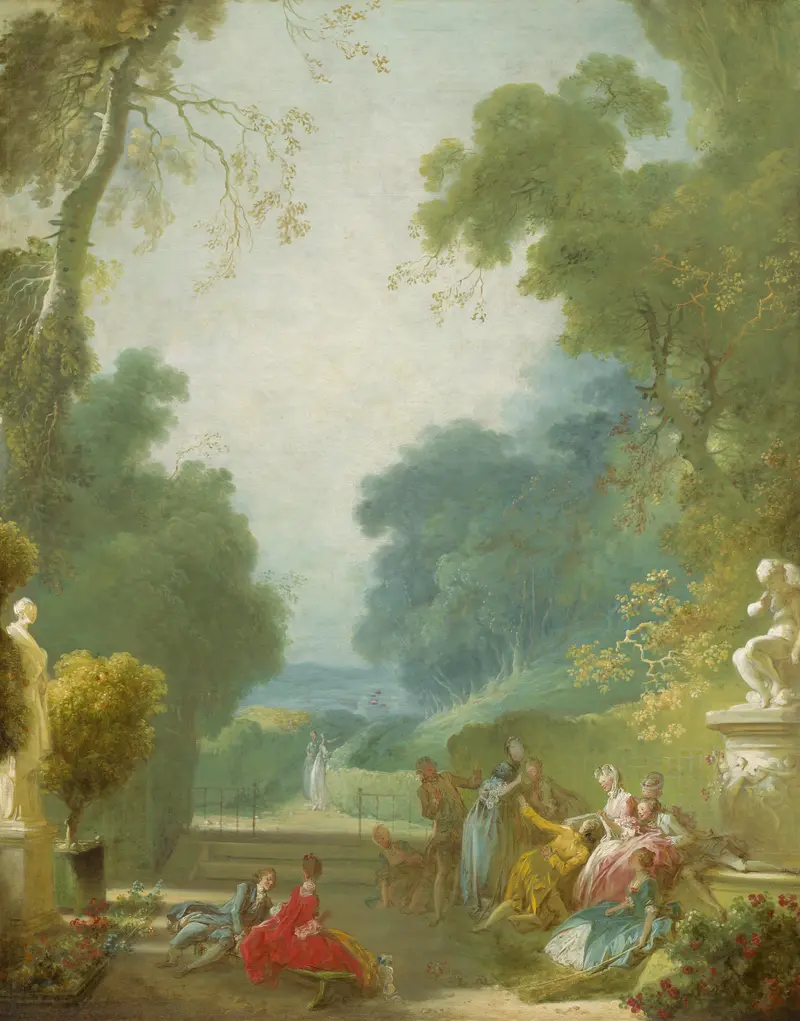
A Game of Hot Cockles
Jean-Honoré Fragonard
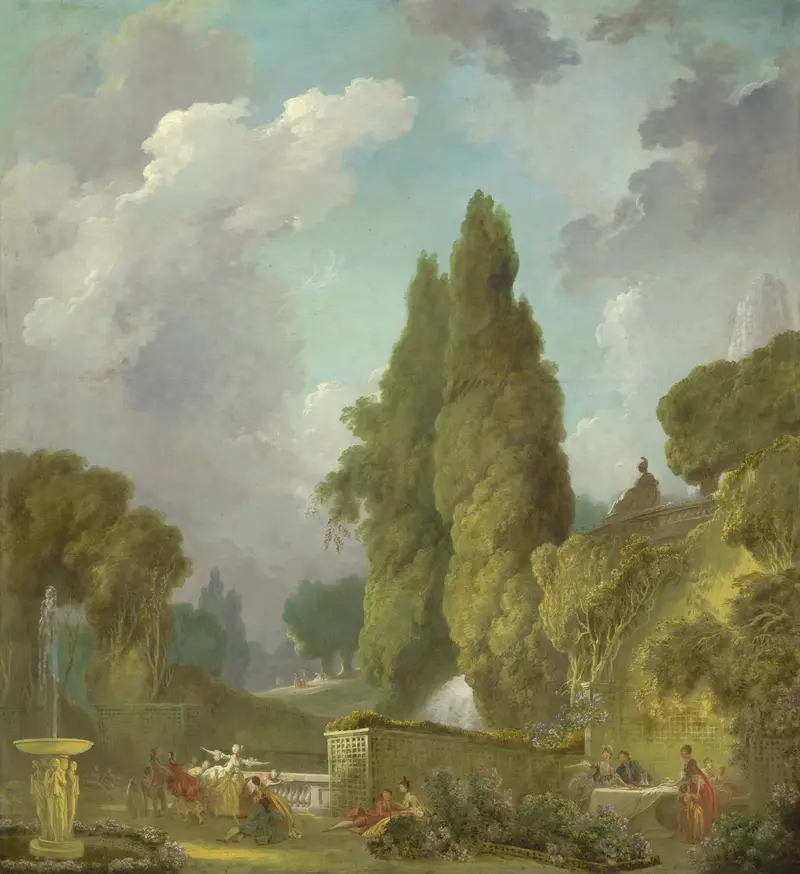
Blindman’s Buff
Jean-Honoré Fragonard
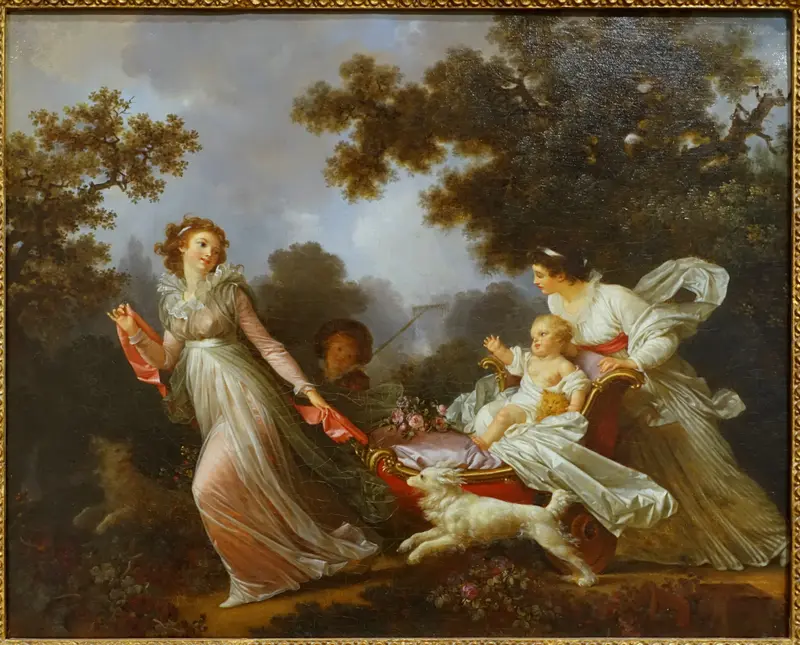
The Beloved Child
Jean-Honoré Fragonard
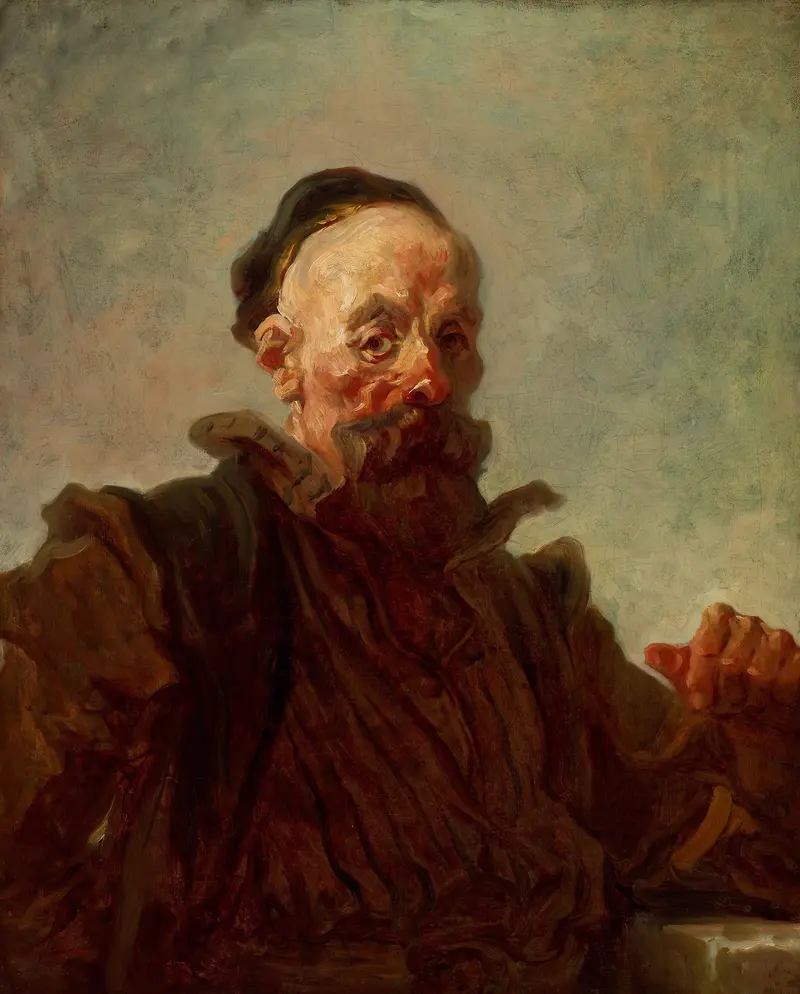
Portrait of a Man in Costume
Jean-Honoré Fragonard
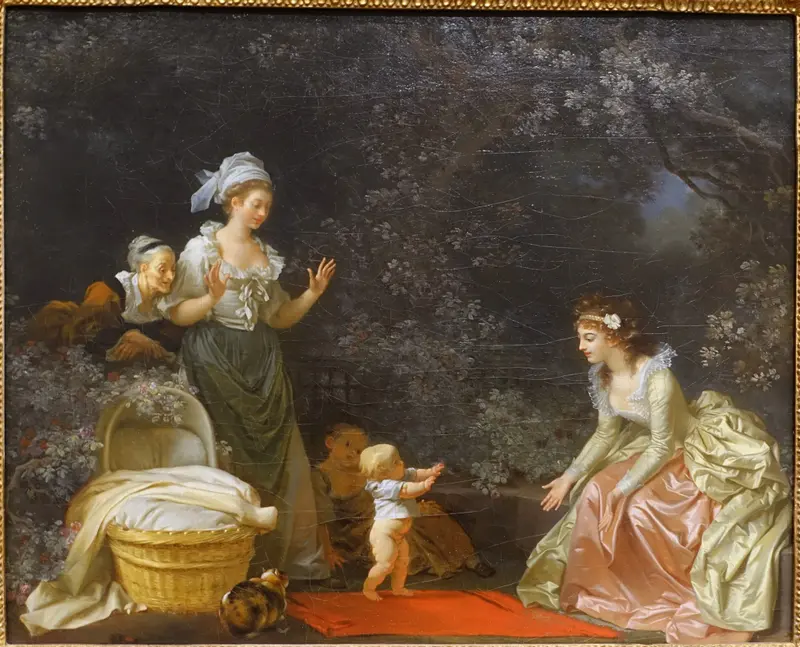
The First Steps
Jean-Honoré Fragonard
More Genre Scene Art

Banquet of the Officers of the St George Civic Guard
Frans Hals

Rembrandt and Saskia in the Scene of the Prodigal Son
Rembrandt van Rijn

Bal du moulin de la Galette
Pierre-Auguste Renoir

Quadrille at the Moulin Rouge
Henri de Toulouse-Lautrec

A Burial at Ornans
Gustave Courbet

When Will You Marry?
Paul Gauguin