
The Head of Christ — History & Facts
Of all the images of Christ painted in Renaissance Venice, none has sparked more debate about its origins and intent than The Head of Christ by Giovanni Bellini. The painting’s date, 1505, places it near the end of Bellini’s long career, a period when he was revered as the city’s leading painter. Yet, the work’s medium remains uncertain—oil or tempera, on panel or canvas—fueling ongoing questions about its place in Bellini’s oeuvre.
Some scholars have even wondered if this serene, haunting face was intended as a devotional object for private contemplation, or as a study for a larger altarpiece now lost. Bellini chooses to isolate Christ’s head, presenting him not in the throes of Passion but in a moment of silent endurance. The eyes, half-lidded and heavy, gaze downward, inviting the viewer into a quiet exchange rather than a dramatic spectacle. The soft modeling of the flesh, the delicate rendering of the beard and hair, and the subtle play of light across the forehead all combine to create a sense of living presence.
Unlike Antonello da Messina’s more analytical Ecce Homo, where Christ’s suffering is explicit, Bellini’s Christ is introspective, his pain internalized. The absence of a crown of thorns or blood leaves the emotional weight to be carried by expression alone. The early history of The Head of Christ is uncertain; no contemporary documents record its commission or original owner. It is typical of the devotional images produced in Venice around 1500, designed for private prayer rather than public display.
Over the centuries, the painting has been attributed to both Bellini and his workshop, reflecting the blurred lines between master and assistants in Venetian studios of the time. Today, the work is recognized as a late product of Bellini’s hand, valued for its psychological depth and quiet innovation, and is held in a private collection, rarely seen by the public.
More Artworks by Giovanni Bellini
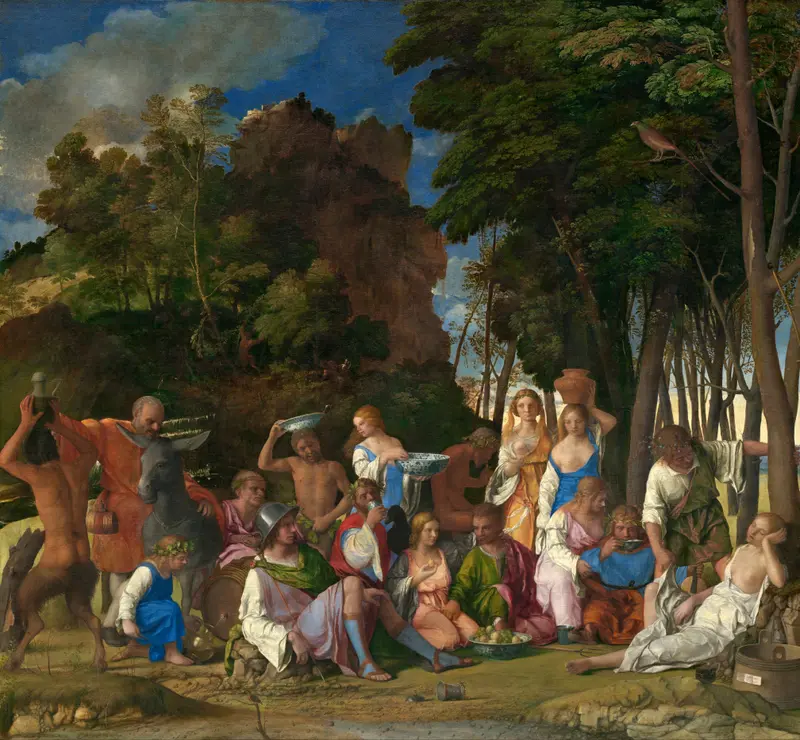
The Feast of the Gods
Giovanni Bellini

Madonna and Child enthroned with Saints and Angels
Giovanni Bellini
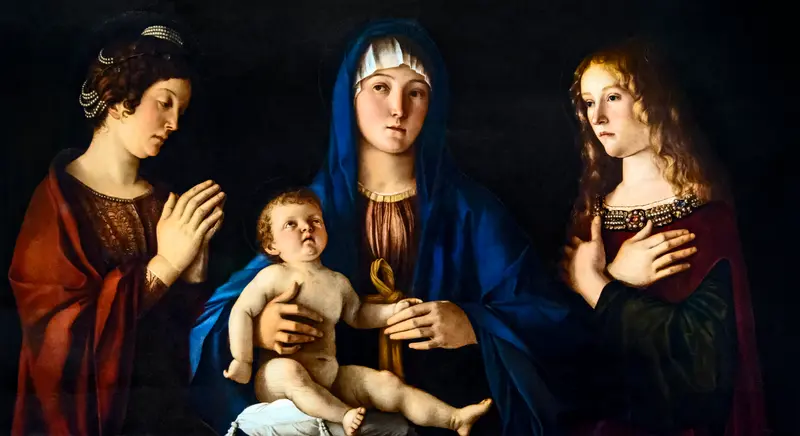
Madonna and Child between Saints Catherine and Mary Magdalene
Giovanni Bellini
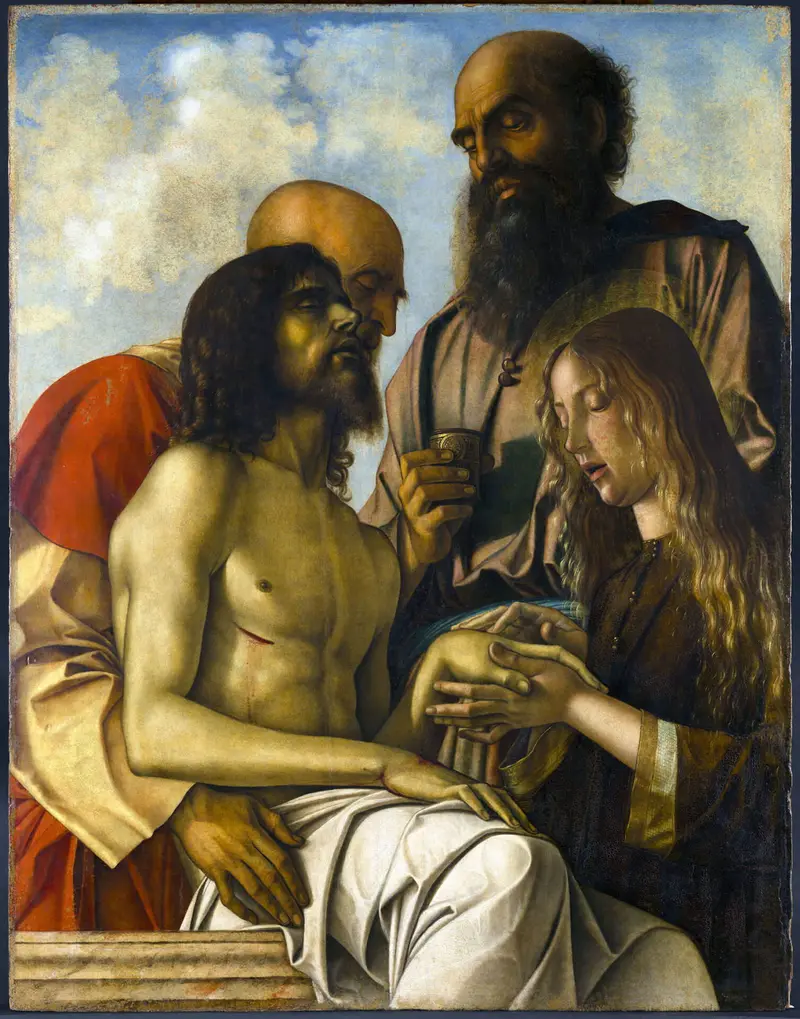
Lamentation over the Dead Christ
Giovanni Bellini
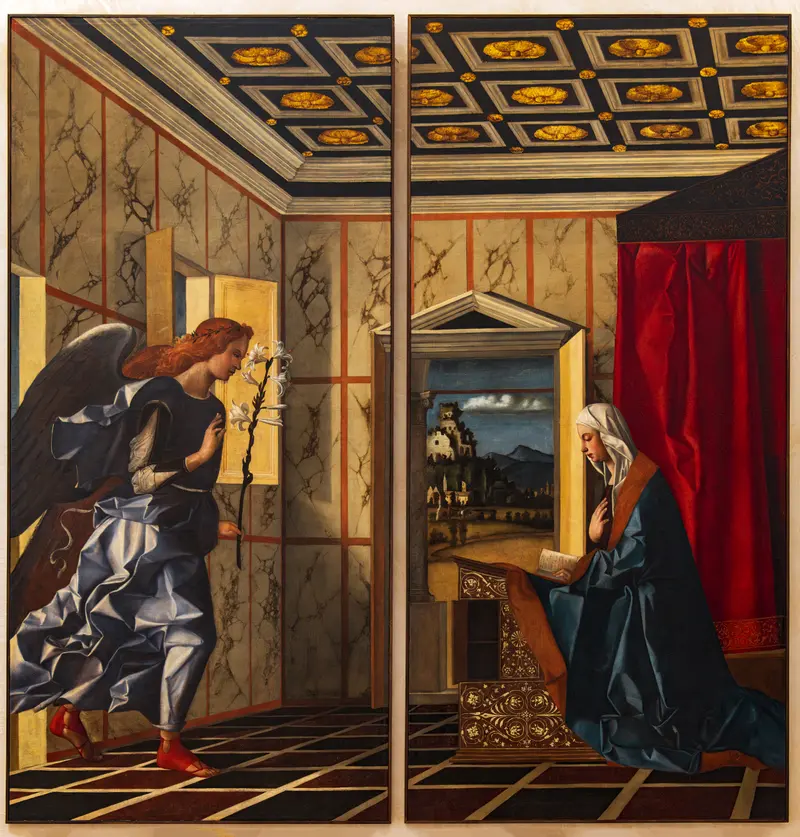
Annunciation
Giovanni Bellini
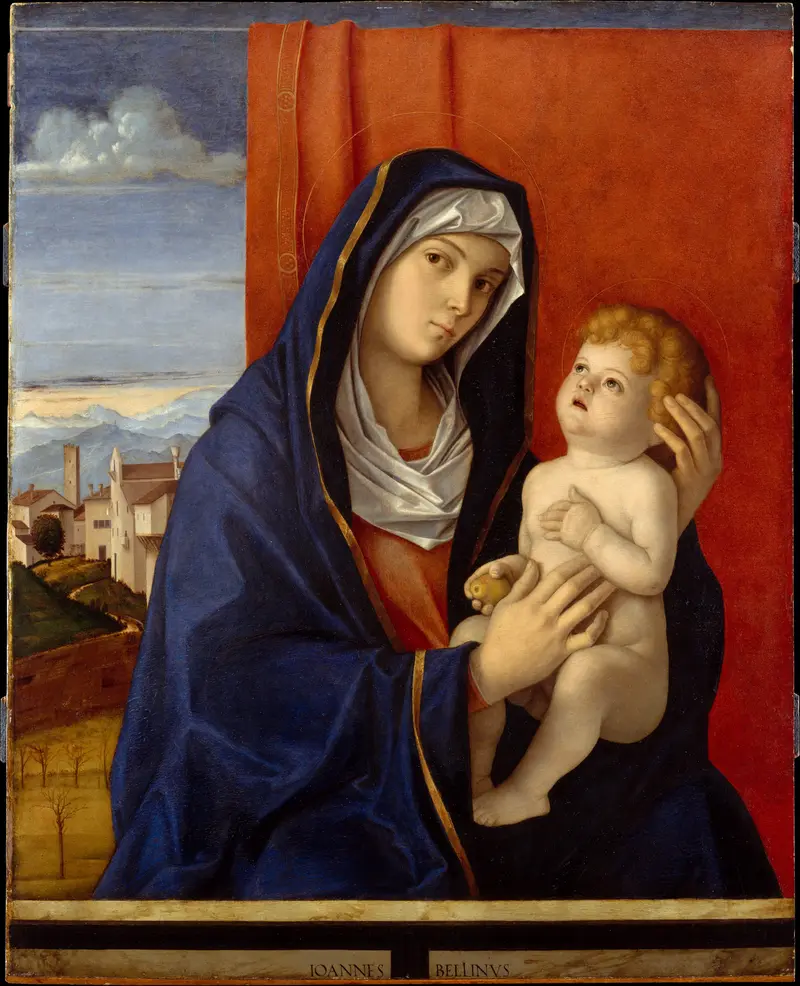
Madonna and Child
Giovanni Bellini
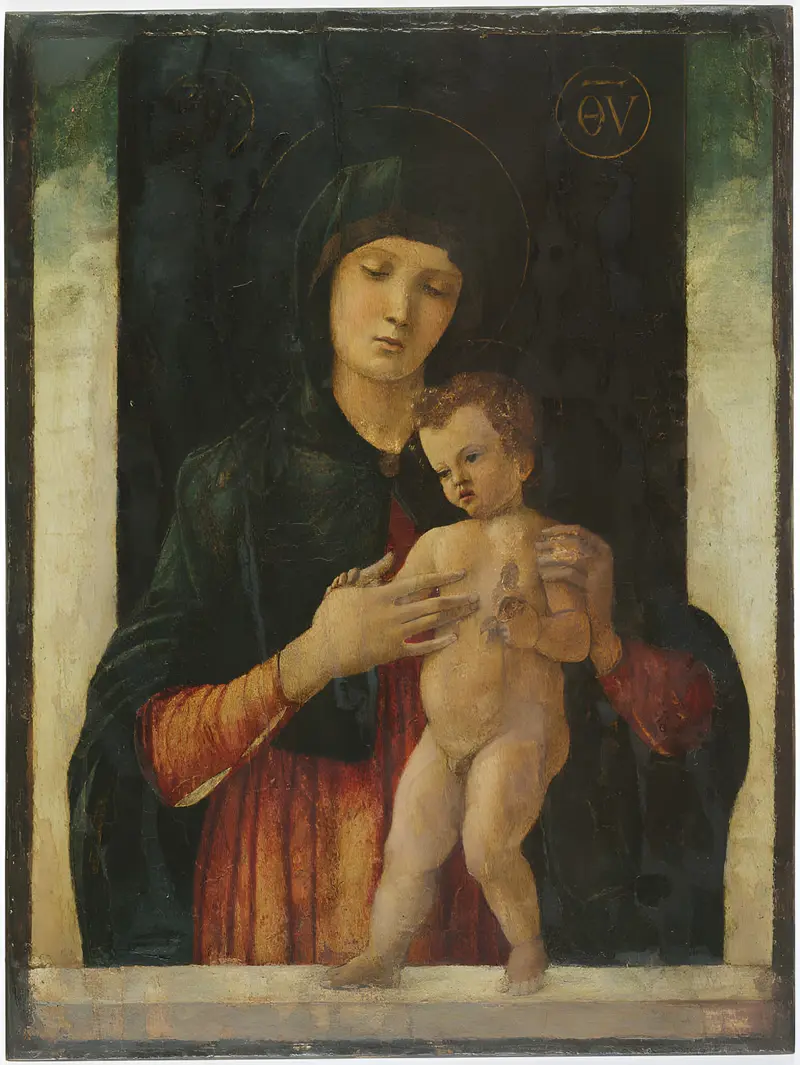
The Virgin and Child
Giovanni Bellini
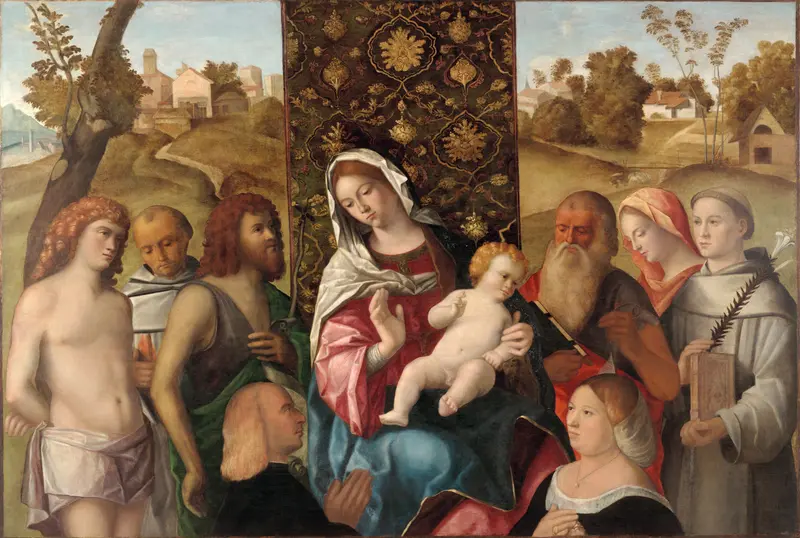
Virgin and Child with Saints Sebastian, Francis, John the Baptist, Jerome, an unidentified female saint, Saint Anthony of Padua and two donors
Giovanni Bellini
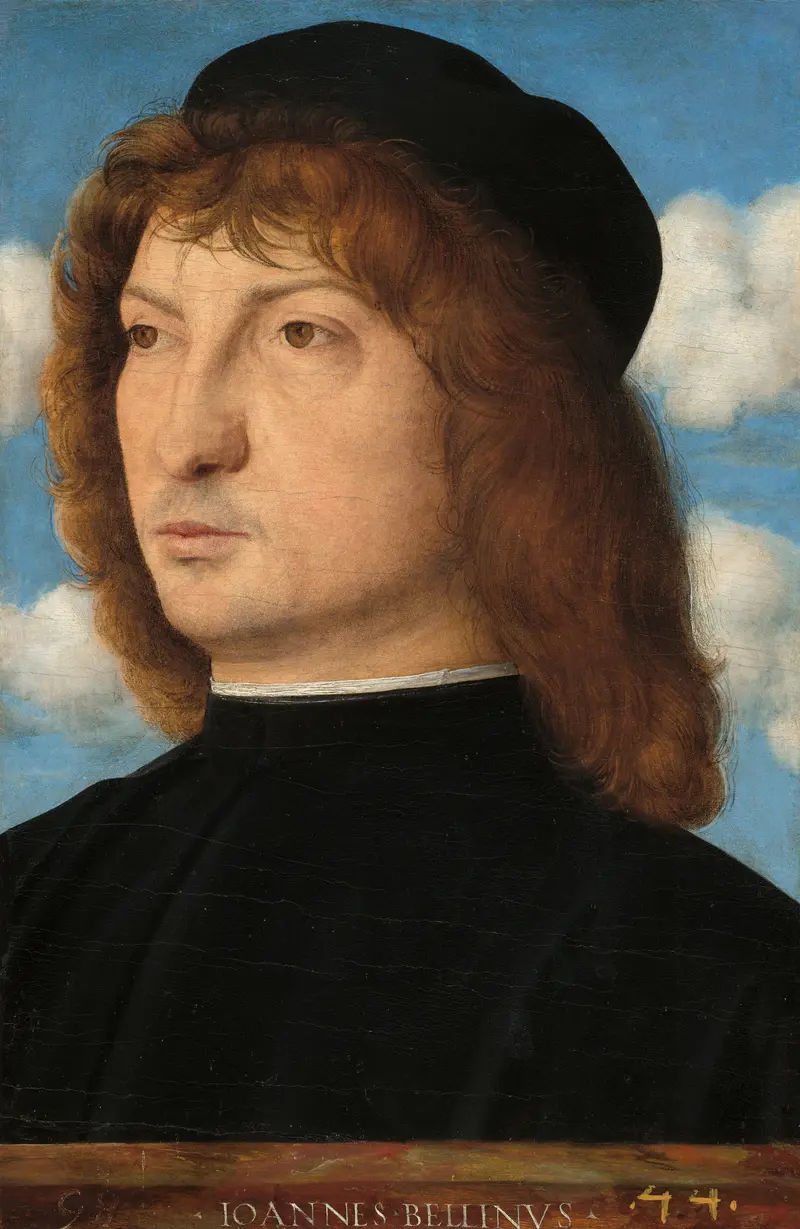
Portrait of a Venetian Gentleman
Giovanni Bellini
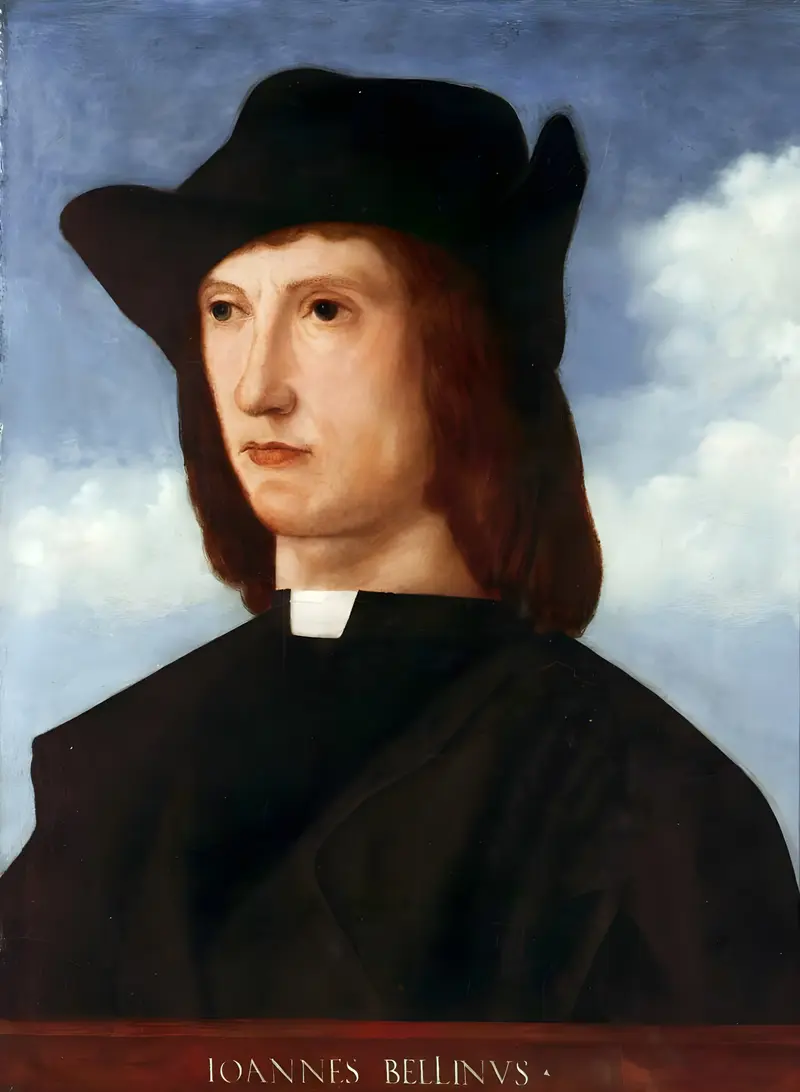
Portrait of a Young Man
Giovanni Bellini





