
The Hermit in front of His Retreat — History & Facts
Who listens when art speaks of silence? In The Hermit in front of His Retreat, a profound emptiness unfolds, inviting introspection amidst the noise of existence. Look to the right at the solitary figure, clad in muted earth tones, seated before his humble abode nestled among verdant hills. The gentle strokes of the artist’s brush render the soft light of evening, casting a serene glow over the scene. Notice how the delicate interplay of shadows emphasizes the hermit's solitude, contrasting with the vibrant greenery that surrounds him, suggesting both the peace of nature and the isolation of his chosen life. Beyond the obvious simplicity lies a rich tapestry of meaning.
The hermit, while physically surrounded by nature, embodies a deeper quest for spiritual fulfillment, a silence that speaks to the soul's yearning. The absence of human interaction in the painting evokes a poignant tension between solitude and the desire for connection, highlighting the paradox of finding oneself in complete emptiness. The quaint cottage, with its inviting warmth, stands as a beacon of safety yet also as a symbol of retreat from the world. In 1844, Carl Spitzweg crafted this piece during a time of great change in Germany, where Romantic ideals were flourishing alongside burgeoning individualism.
The artist, known for his whimsical depictions of everyday life, found inspiration in the Hermit’s lifestyle, reflecting both the societal longing for simplicity and the deeper introspections of the human spirit. This work captures not just a scene, but an ethos, speaking volumes of the era's collective consciousness.
More Artworks by Carl Spitzweg
Browse all →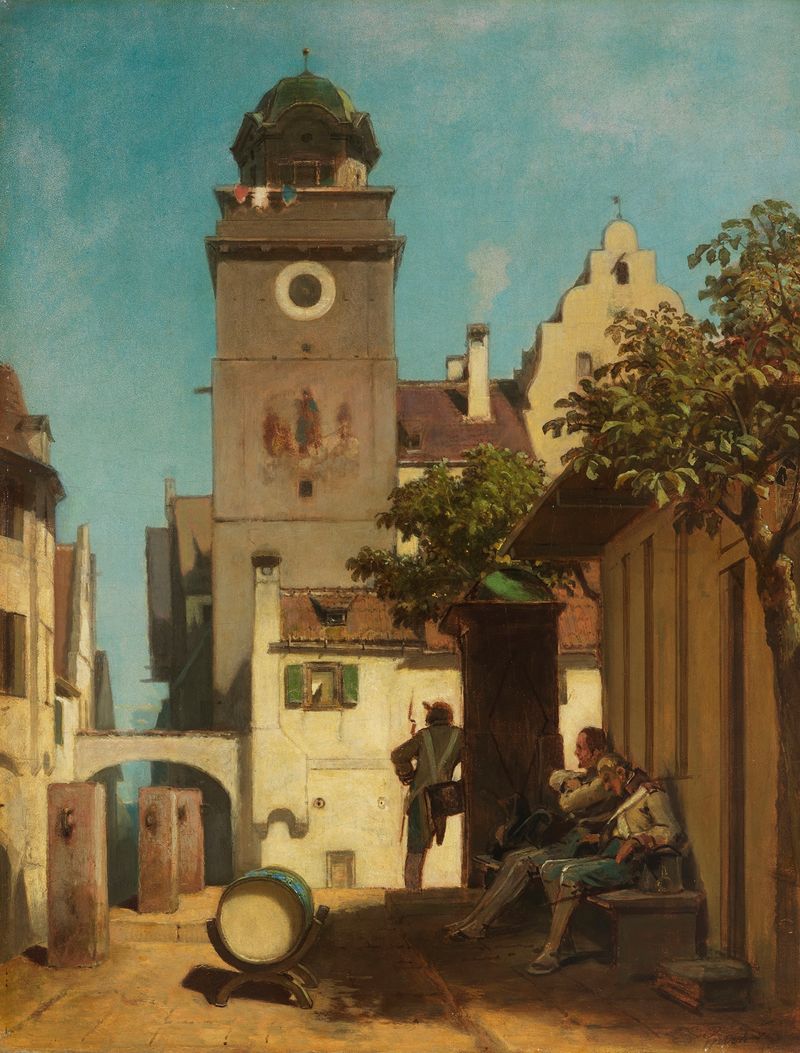
Die Stadtwache
Carl Spitzweg
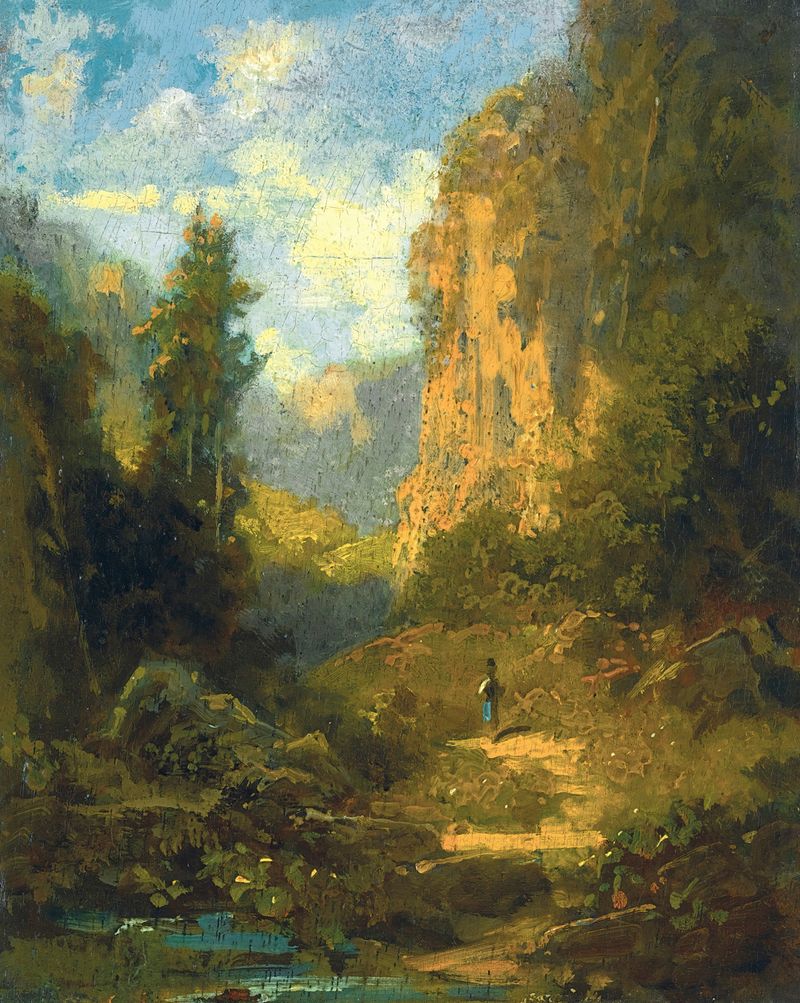
Gebirgslandschaft
Carl Spitzweg

In the Alpine High Valley (Landscape with Mt. Wendelstein)
Carl Spitzweg

Gebirgsmühle
Carl Spitzweg
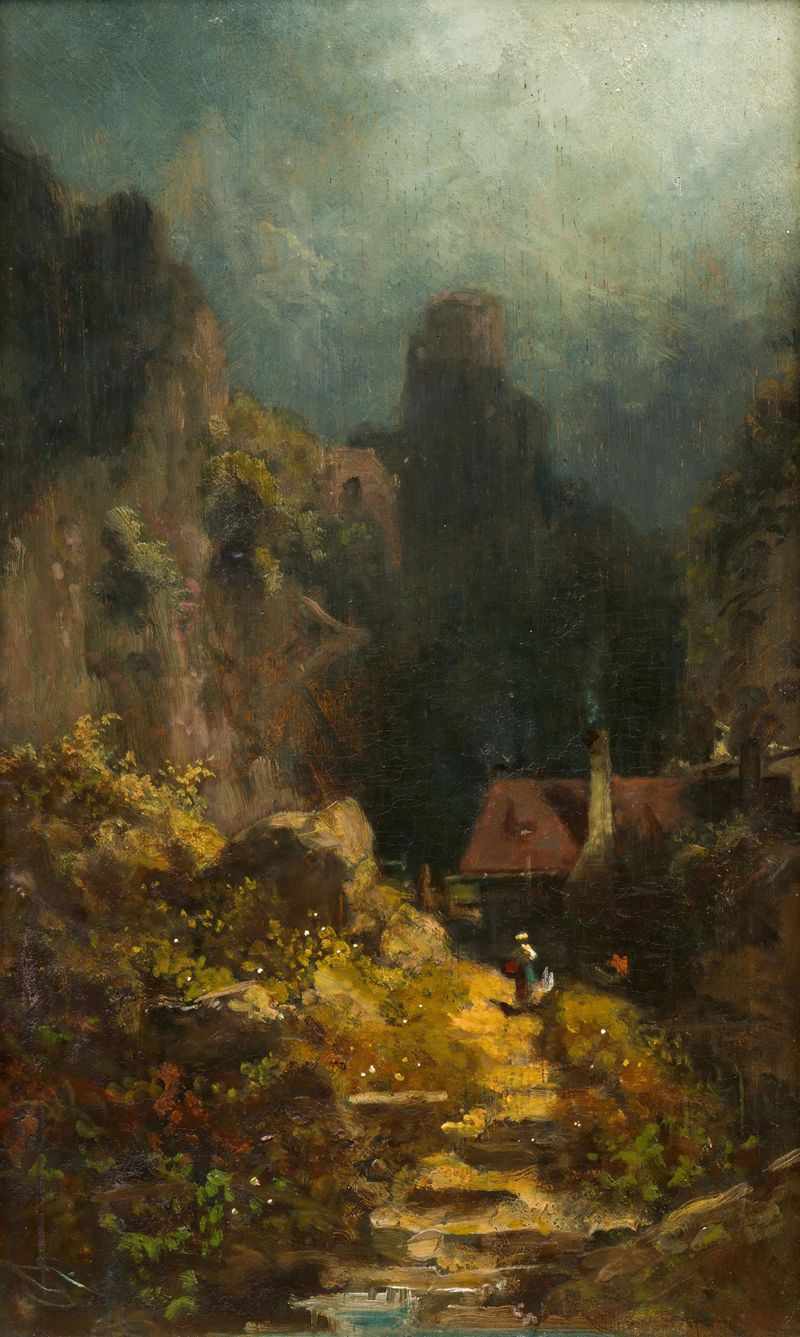
In der Schlucht
Carl Spitzweg
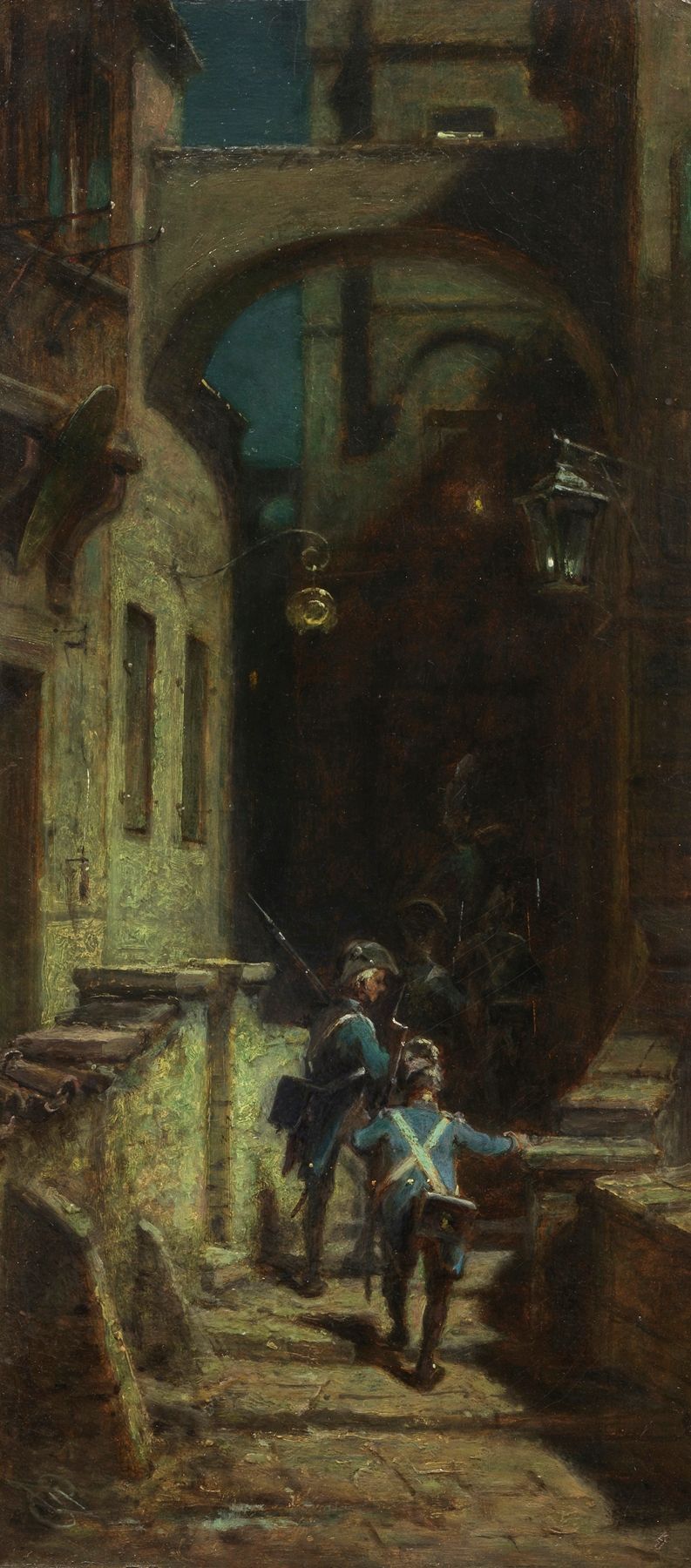
Die Scharwache
Carl Spitzweg

Einsiedler mit Mädchen
Carl Spitzweg

Lagernde Karrner (Rast der Streuner)
Carl Spitzweg
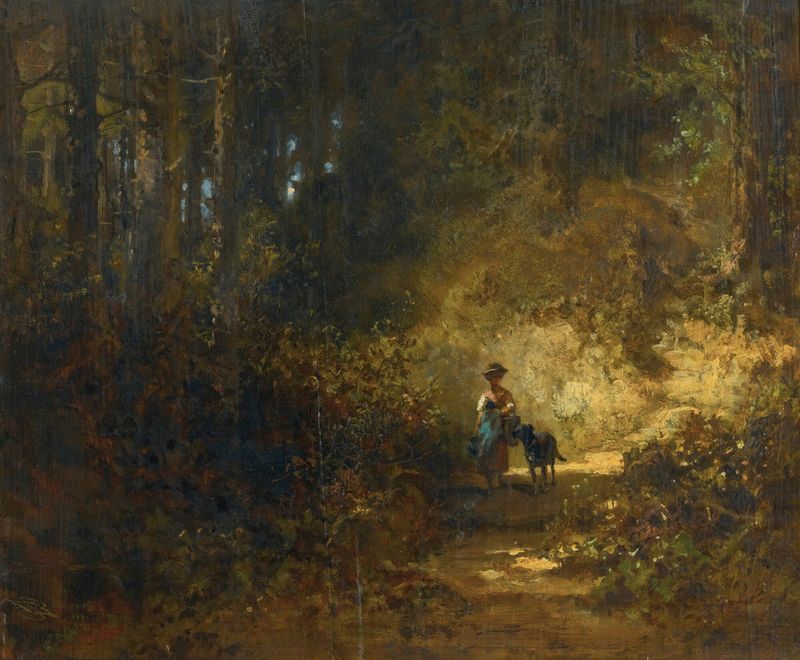
Im Walde
Carl Spitzweg
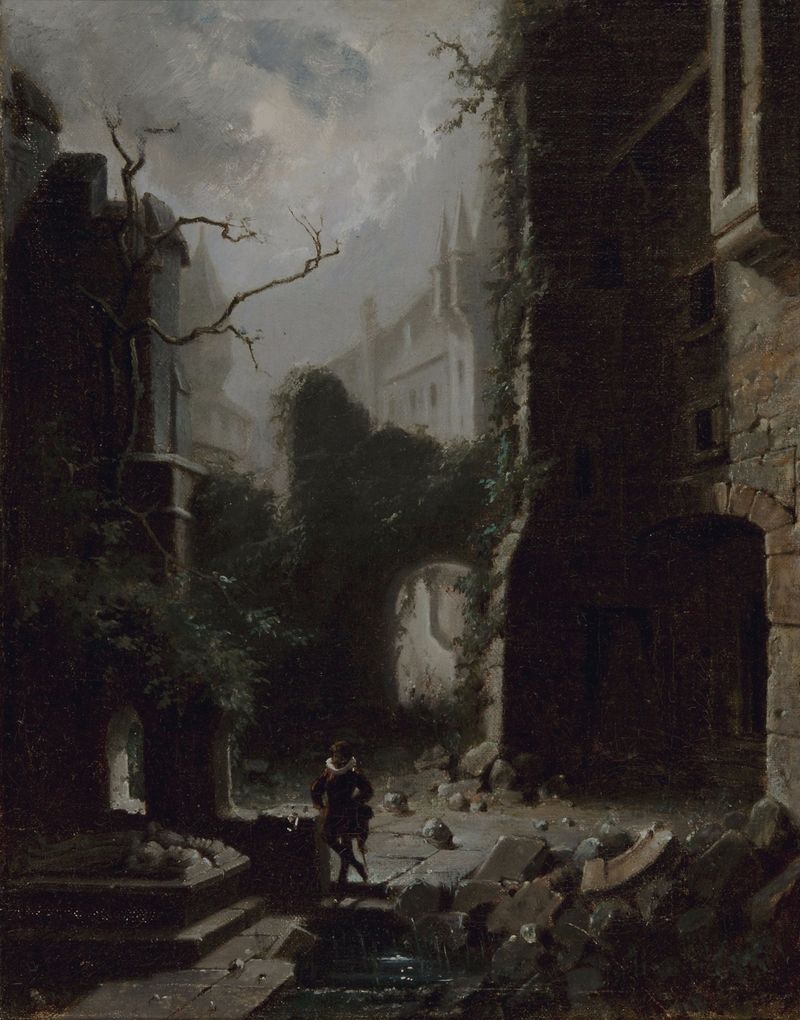
Moonlit Scene with Castle Ruins
Carl Spitzweg





