
The House with the Cracked Walls — History & Facts
The echo of betrayal lingers in the cracked walls of a once-vibrant home, a reminder of stories untold and trust unbroken. Each brushstroke in the painting reflects a fragile truth, revealing the weight of what lies beneath the surface of everyday life. Look to the center of the canvas, where the structure stands defiantly against a tumultuous sky. Shadows dance along the walls, emphasizing the uneven texture and imperfections that define the house.
Notice how Cézanne employs a muted palette—earthy ochres and deep greens—imbuing the scene with an air of melancholy. The fragmented forms, rendered with both precision and abstraction, draw the viewer into an intimate confrontation with the decay of stability. Amidst the stillness, the house becomes a metaphor for human relationships, its cracks symbolizing the fractures that betray loyalty. The juxtaposition of light and shadow suggests a duality, evoking the tension between hope and despair.
The landscape surrounding the structure, though beautiful, feels ominous—a reminder that even the most picturesque settings can harbor secrets and unresolved conflicts. Created between 1892 and 1894, this piece emerged during a transformative period for the artist, who was grappling with his legacy and the evolving art world around him. As Cézanne worked in Aix-en-Provence, he aimed to break free from traditional representation, experimenting with form and color to convey deeper emotional truths. This painting, infused with personal and artistic significance, captures not just a physical structure but the intricate web of human experience.
More Artworks by Paul Cezanne
Browse all →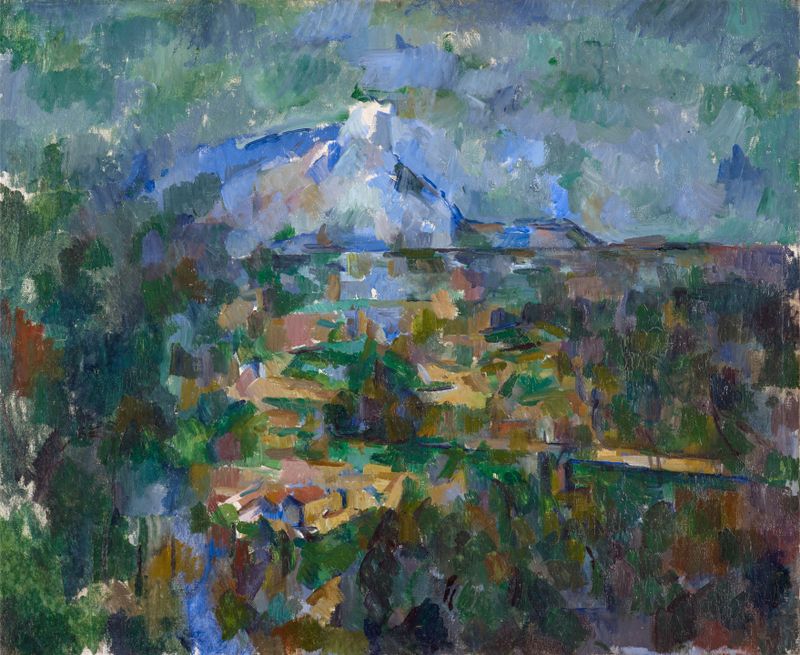
The Mont Sainte-Victoire Seen From Les Lauves
Paul Cezanne
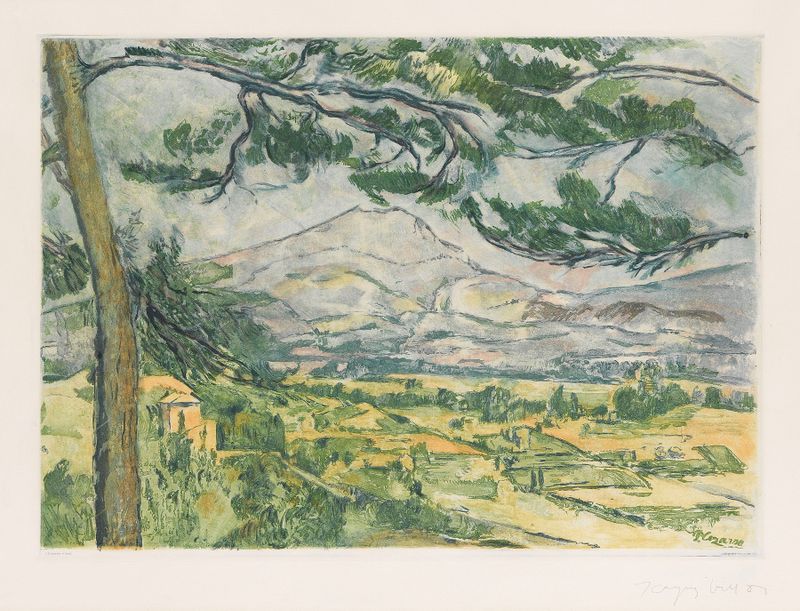
La Montagne Sainte-Victoire
Paul Cezanne
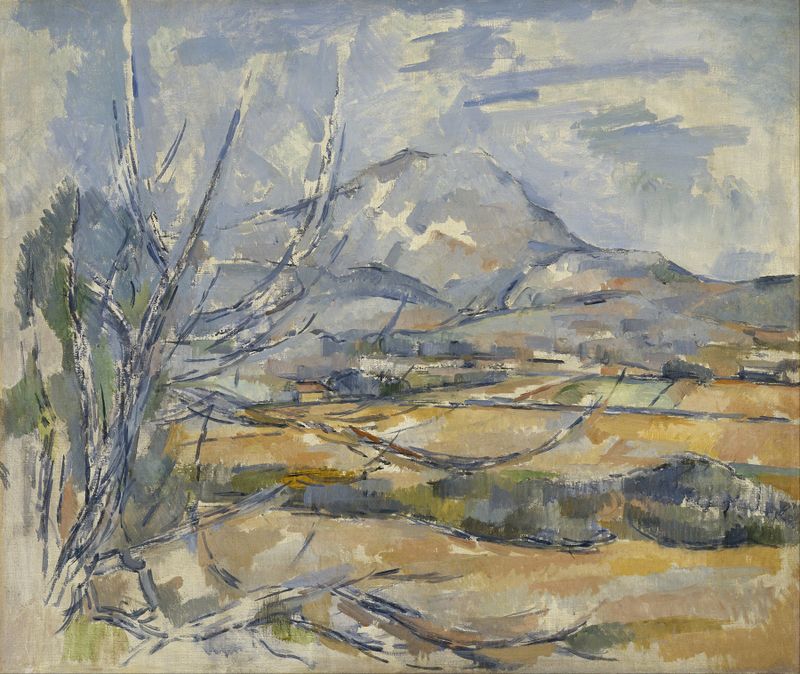
Montagne Sainte-Victoire
Paul Cezanne
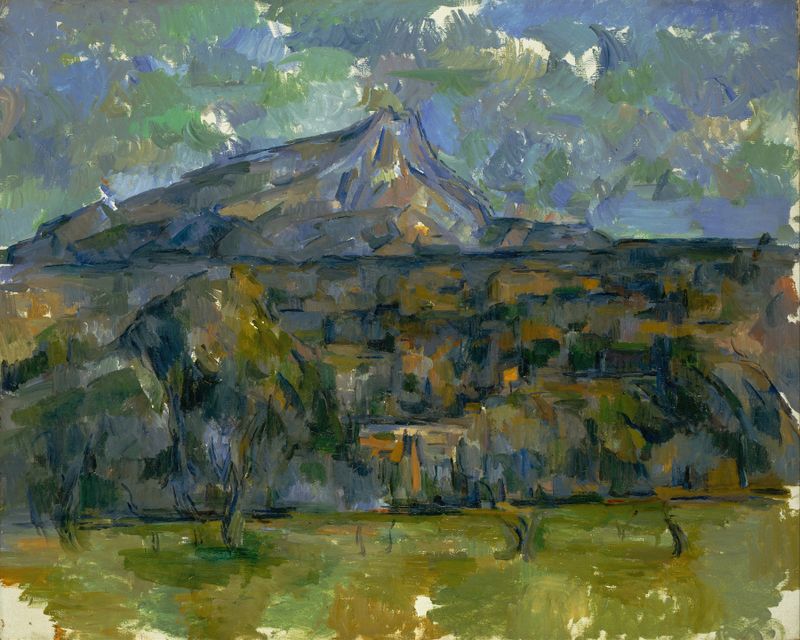
Mont Sainte-Victoire
Paul Cezanne
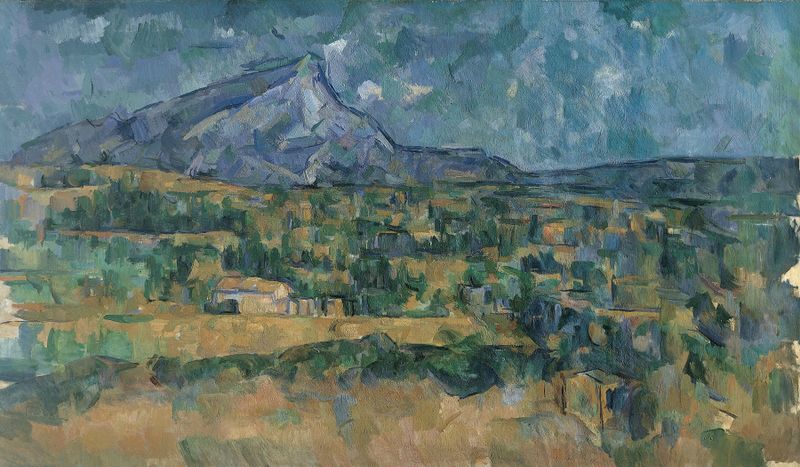
Mont Sainte-Victoire
Paul Cezanne
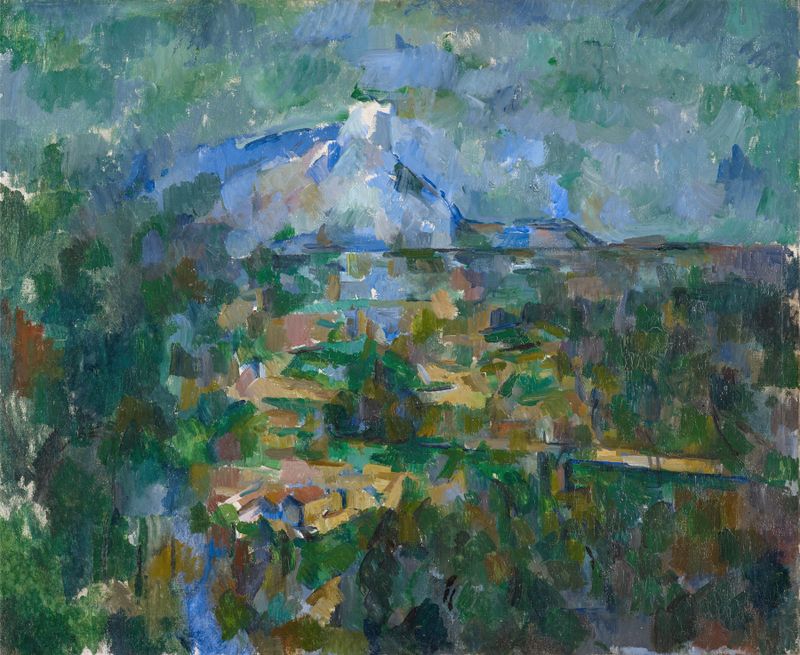
View of Mount Sainte-Victoire from Les Lauves
Paul Cezanne
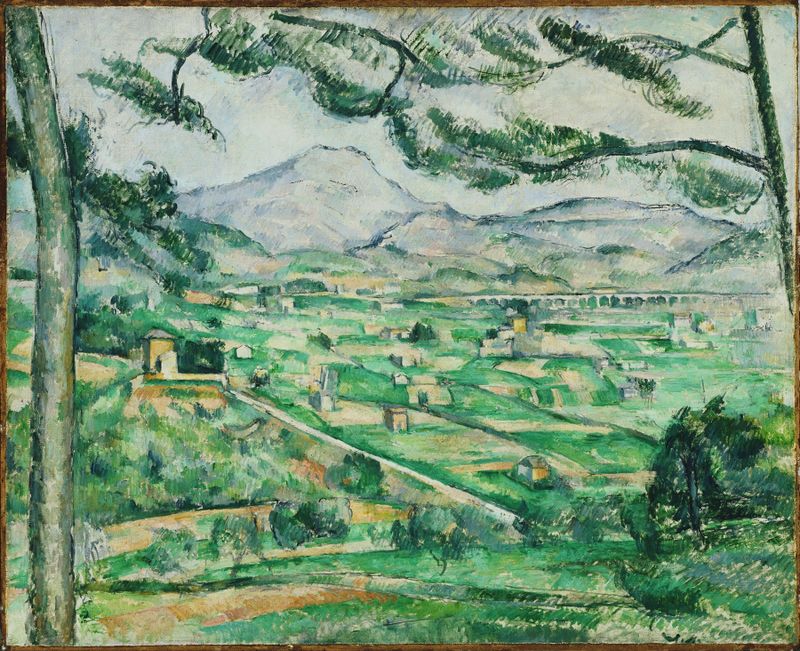
Mont Sainte-Victoire 2
Paul Cezanne

The Basket of Apples
Paul Cezanne

Mount Sainte-Victoire
Paul Cezanne
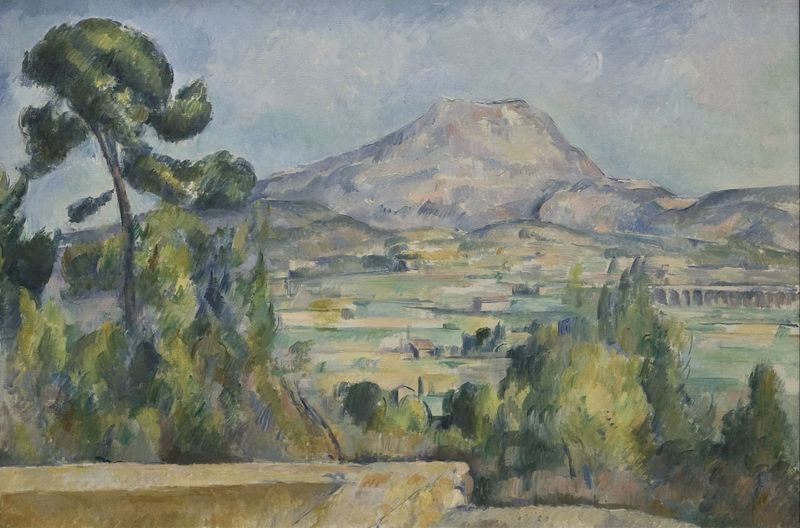
Montagne Saint-Victoire
Paul Cezanne
More Architecture Art
Browse all →
The statue of Liberty
Frédéric Auguste Bartholdi

View of Houses in Delft, Known as ‘The Little Street’
Johannes Vermeer

View of Houses in Delft, Known as ‘The Little Street’
Johannes Vermeer

The Cathedral in Rouen. The portal, Grey Weather
Claude Monet

The yellow house
Vincent van Gogh

The Church in Auvers-sur-Oise, View from the Chevet
Vincent van Gogh