
The hunt of Diana — History & Facts
What first catches the eye in The hunt of Diana is not the goddess herself, but the sweep of wild, tangled landscape that seems to pulse with restless energy. The figures of Diana and her companions, pale and swift, are nearly swallowed by the rolling green hill and the dense shadows of the forest, as if nature itself is both their stage and their adversary. The painter draws you in with a sense of motion: Diana’s followers, bows raised, are caught mid-stride, their forms blurred by the brush as if they might vanish into the undergrowth at any second.
The light slants in from the left, illuminating the delicate blossoms and the rough bark of the trees, then tumbles down to the rocks and the glimmering stream below, guiding the viewer’s gaze through the drama of the chase. Even the sky, heavy with clouds, seems to press down on the scene, heightening the tension between the hunters and their wild domain. Painted in 1896, this work belongs to a moment when mythological subjects were being reimagined for a changing world. Artists like Arnold Böcklin—whose name is signed discreetly in red—often turned to ancient stories not as distant legends, but as living presences woven into the fabric of nature.
The late nineteenth century saw a renewed fascination with myth, yet also a growing uncertainty: the old gods were being summoned into landscapes that felt at once enchanted and uneasy. This piece, now in the Bridgeman Art Library, stands as a testament to that restless spirit, where the boundary between myth and reality blurs and the story is told as much by the land as by its fleeting figures. Let your eye wander, and see how the world of Diana’s hunt still flickers at the edge of the woods.
More Artworks by Arnold Böcklin

Die Toteninsel III
Arnold Böcklin
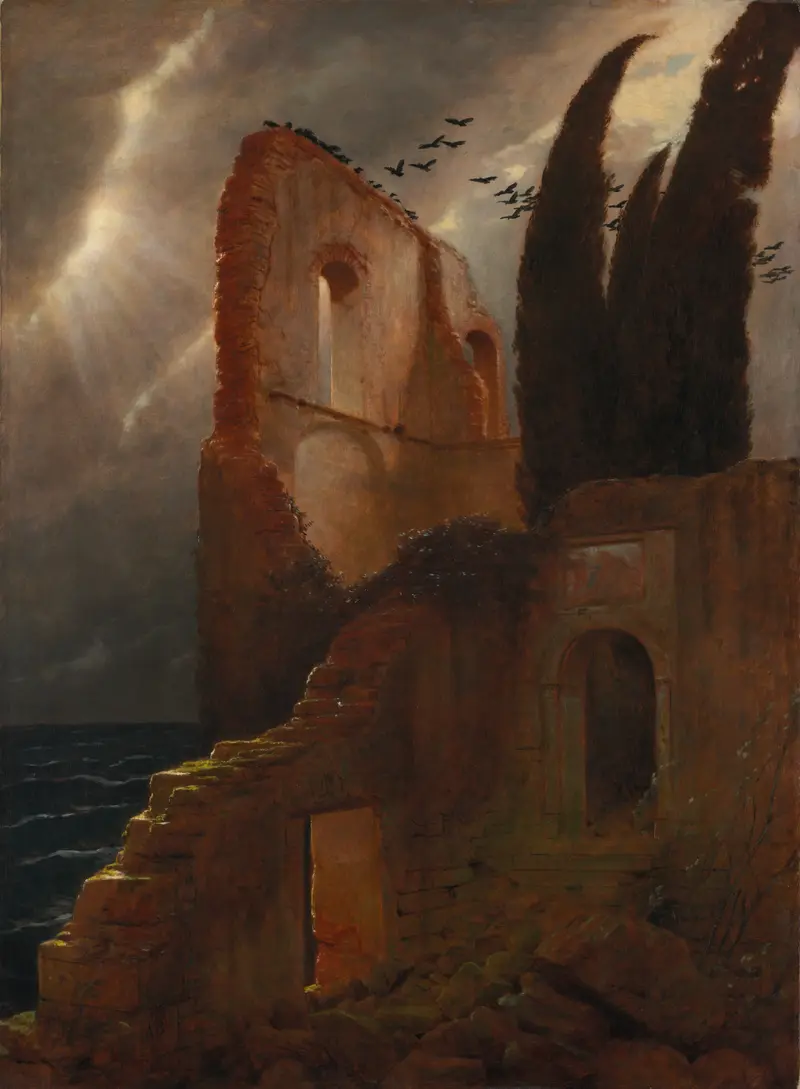
Ruin by the Sea
Arnold Böcklin
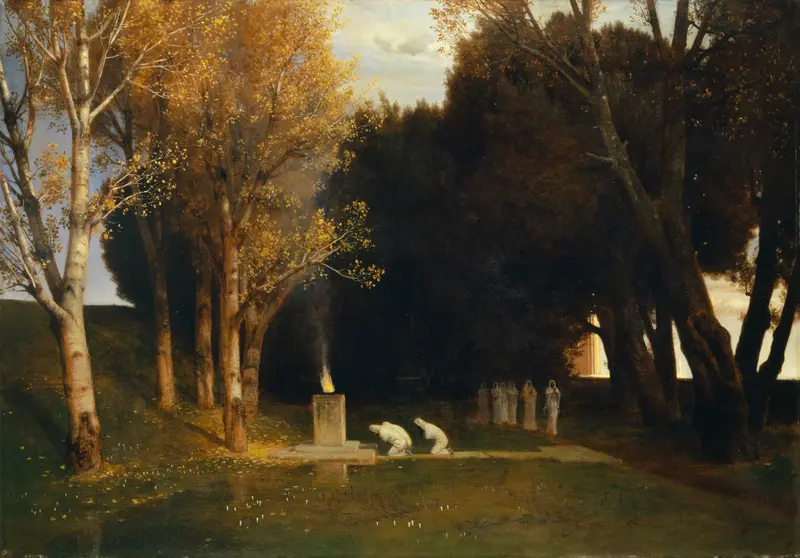
The Sacred Grove
Arnold Böcklin
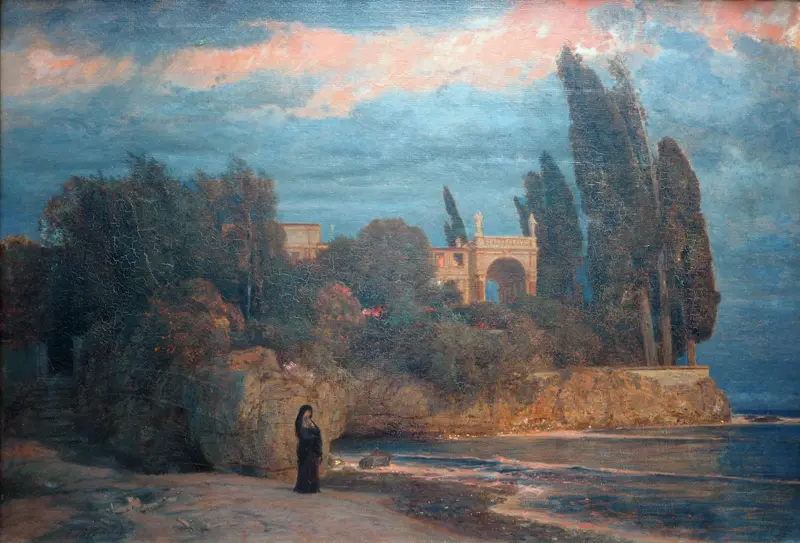
Villa by the Sea
Arnold Böcklin
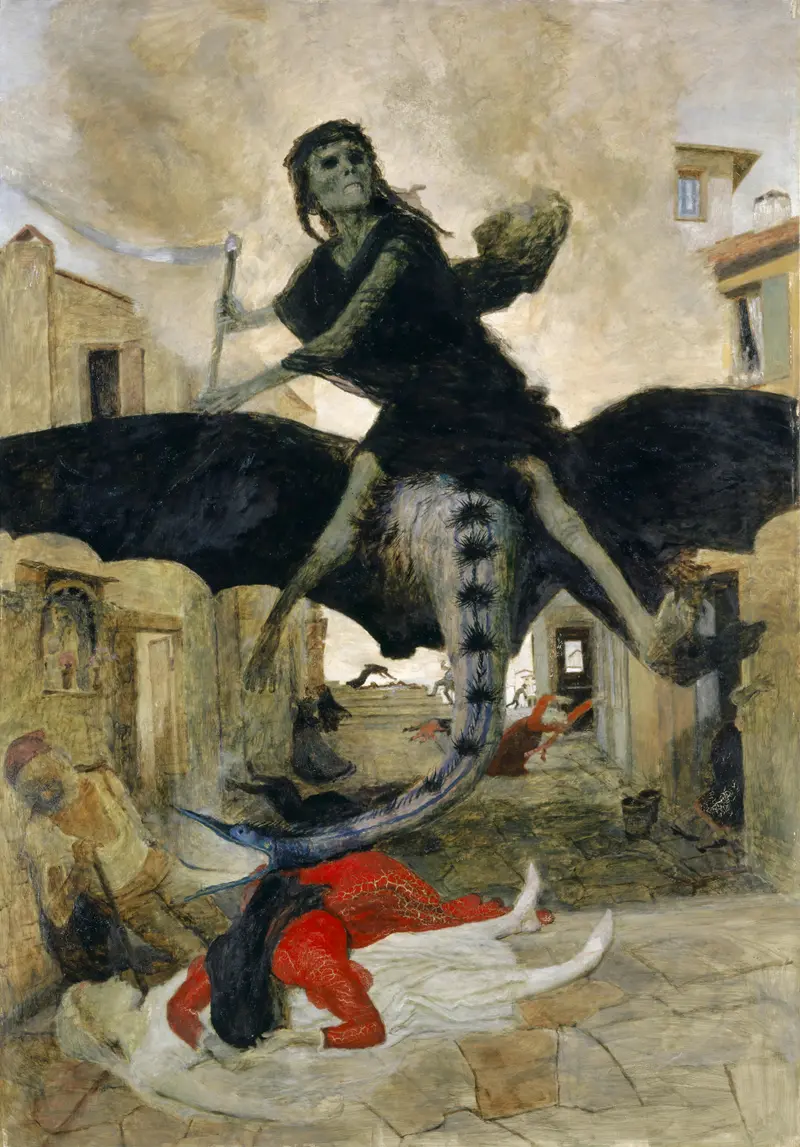
The Plague
Arnold Böcklin
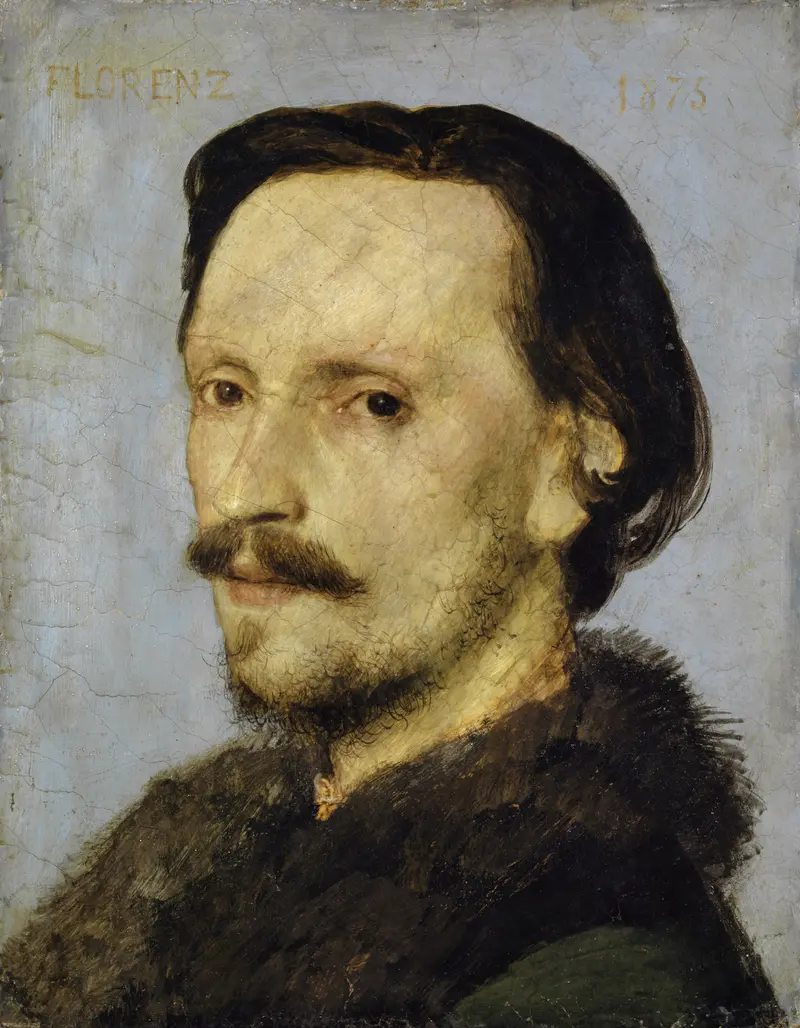
Böcklin Bildnis des Kunsthistorikers Adolph Bayersdorfer, 1875
Arnold Böcklin
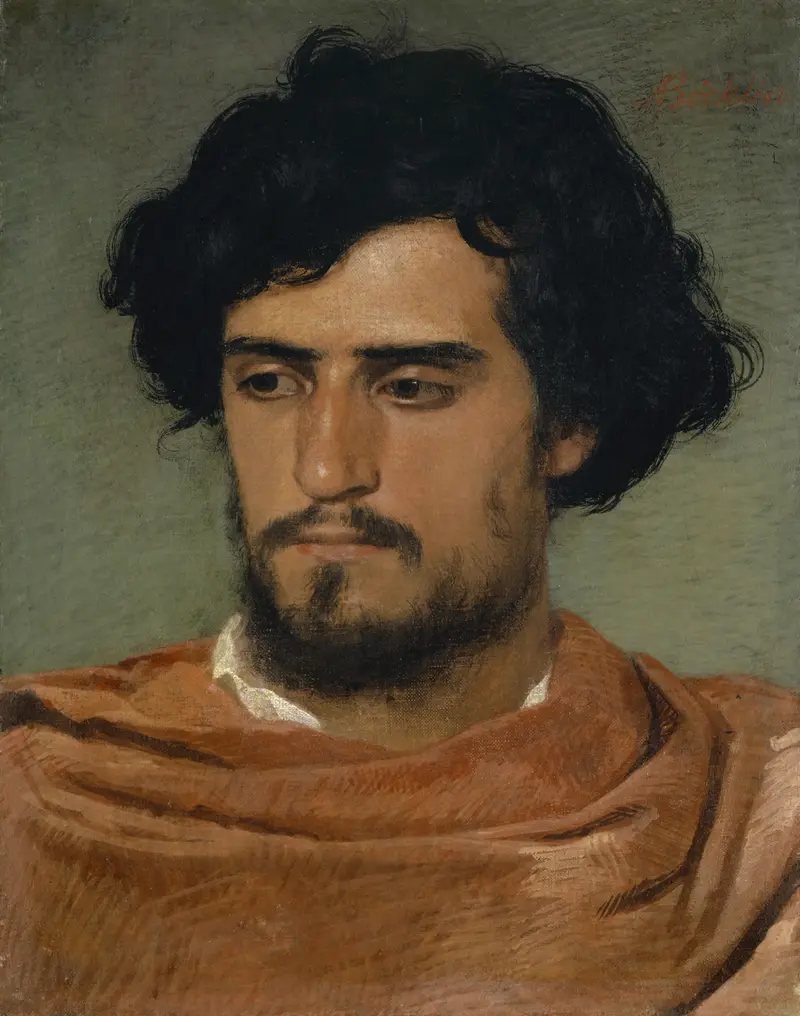
Head of a Roman
Arnold Böcklin
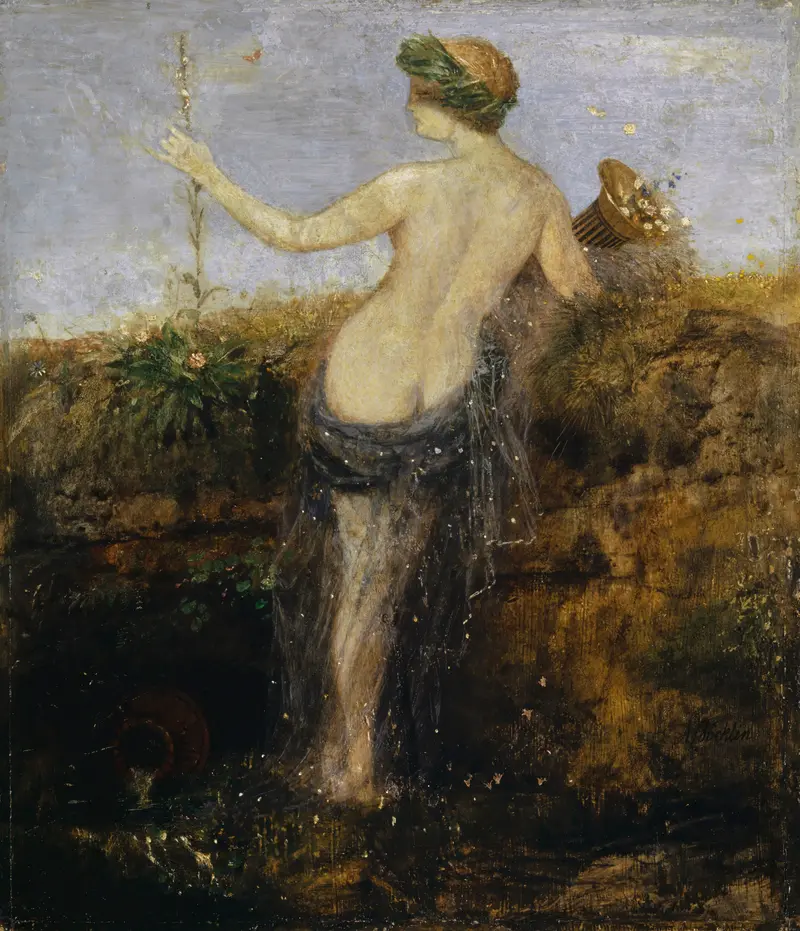
Nymphe with Horn of Plenty
Arnold Böcklin
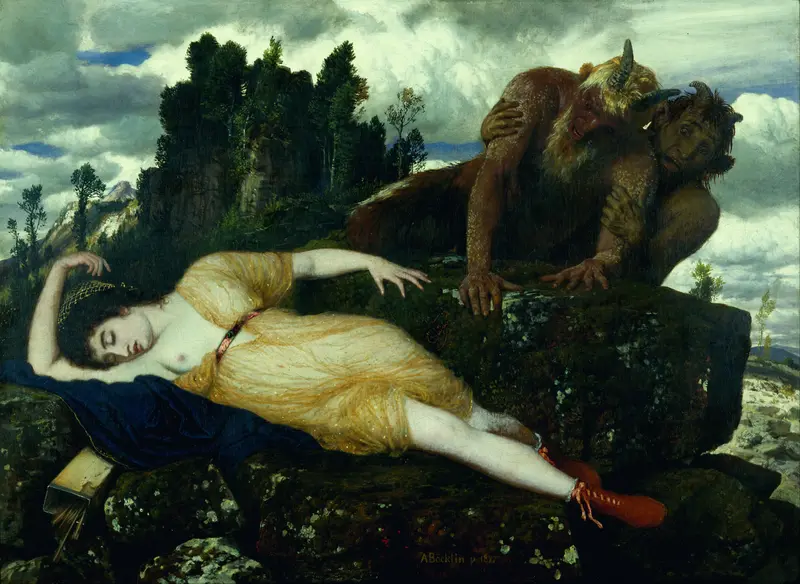
Sleeping Diana Watched by Two Fauns
Arnold Böcklin
Spring (Songs of Spring)
Arnold Böcklin





