
The Jester Barbarroja — History & Facts
When Diego Velázquez painted The Jester Barbarroja in 1633, he was working within the walls of the Spanish royal court, where jesters were not merely entertainers but keen observers of power. This portrait is one of several that Velázquez created of the court’s fools, a unique genre in Spanish art that offered a rare, unfiltered look at individuals otherwise marginalized in society. The sitter, known as Barbarroja or “Red Beard,” was a familiar figure at Philip IV’s court, his role both comic and complex.
Unlike the grand portraits of royalty, these images were not meant for public display but for the private amusement of the king and his closest circle. The painting’s existence is a testament to the peculiar intimacy and status that jesters held within the Habsburg household. Barbarroja sits alone, his gaze direct yet tinged with a quiet melancholy, a sharp contrast to the laughter his profession demanded. Velázquez captures him at rest, not performing, his red beard and simple costume rendered with the same attention to detail the artist gave to kings.
The muted background and soft light draw the viewer’s eye to the jester’s face, where intelligence and weariness mingle. A staff or bauble may rest in his hand—a traditional symbol of the jester’s office—yet here it feels more like a prop set aside than a badge of honor. Unlike the theatricality of Frans Hals’s fools, Velázquez’s approach is sober and humane, inviting us to see Barbarroja as a person first, performer second. The precise details of the painting’s commission remain unclear, but it was almost certainly created for the royal palace, joining a series of portraits of jesters and dwarfs that Velázquez painted throughout his career.
Over the centuries, The Jester Barbarroja has remained in Spain, passing through royal collections and surviving the upheavals that scattered so much court art across Europe. Today, it hangs in the Museo del Prado, a testament to Velázquez’s ability to dignify even those on society’s margins. These portraits of jesters mark a turning point in his work, reflecting a deepening psychological insight that would culminate in masterpieces like Las Meninas.
More Artworks by Diego Velázquez

Las Meninas
Diego Velázquez
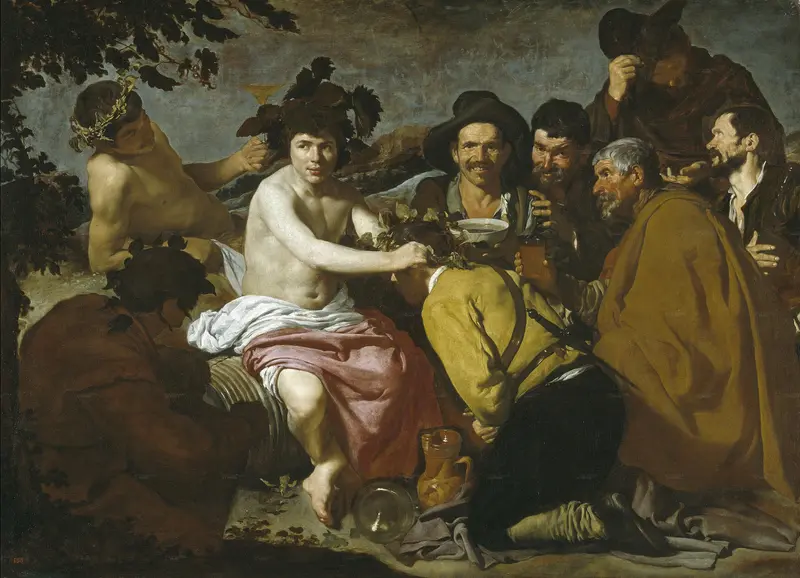
The Triumph of Bacchus
Diego Velázquez
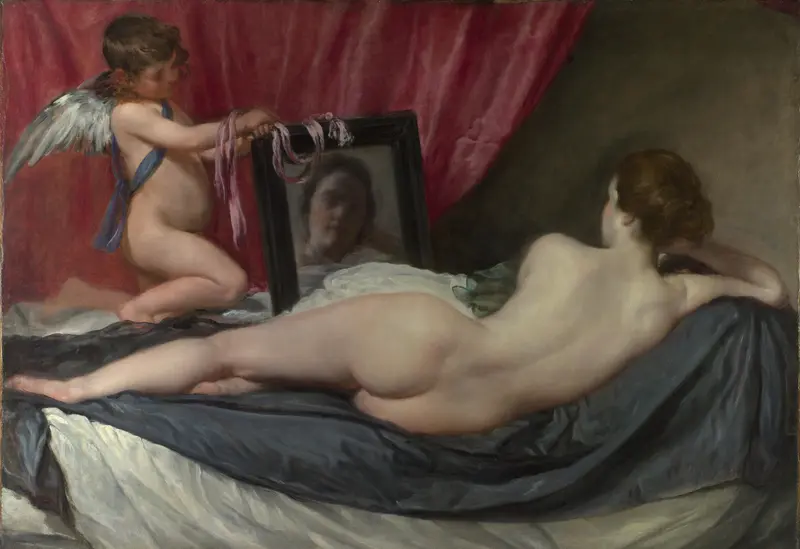
Rokeby Venus
Diego Velázquez
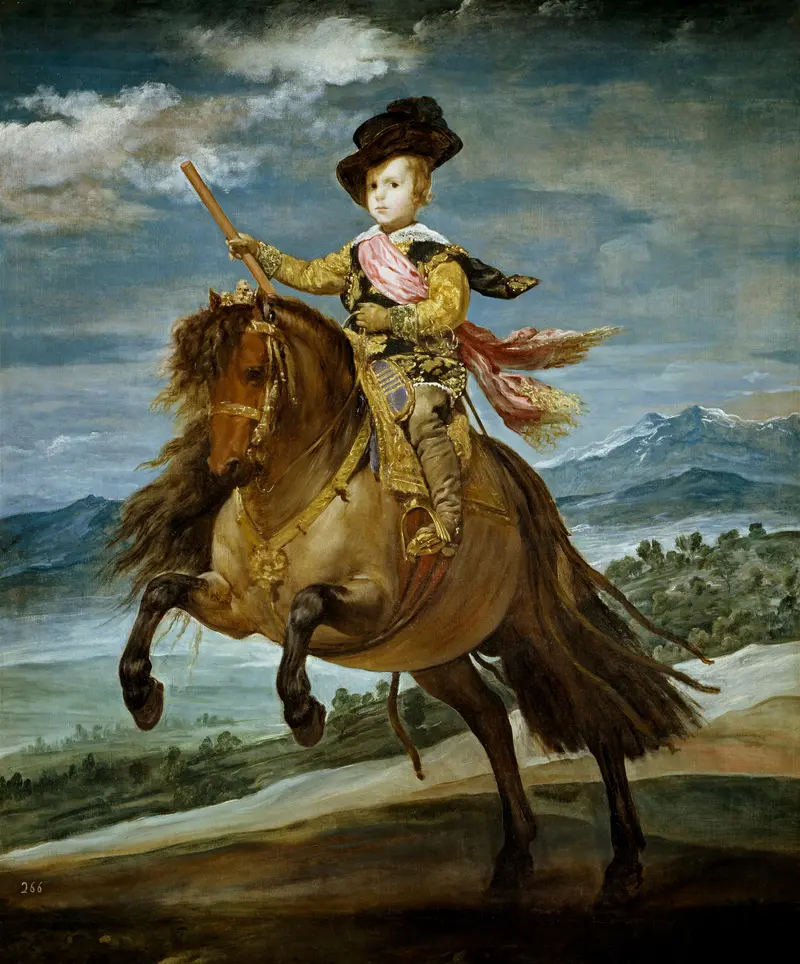
Equestrian Portrait of Prince Balthasar Charles
Diego Velázquez
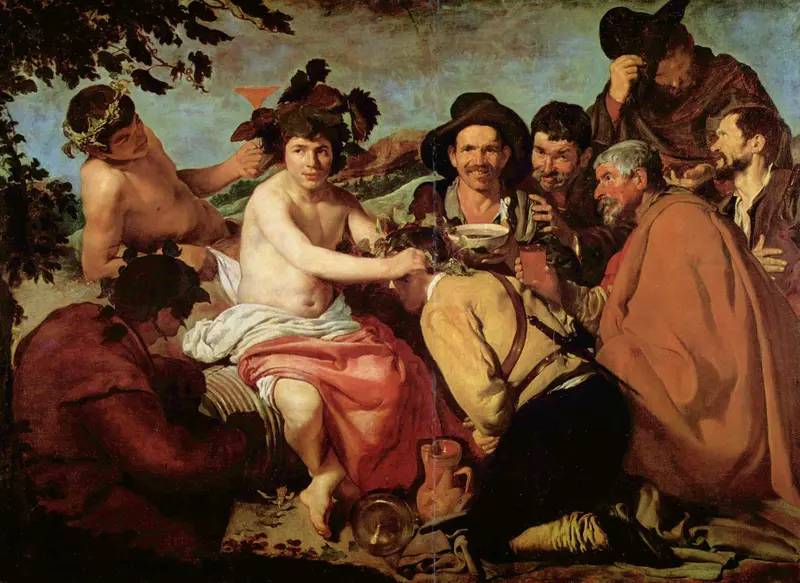
Bacchus
Diego Velázquez
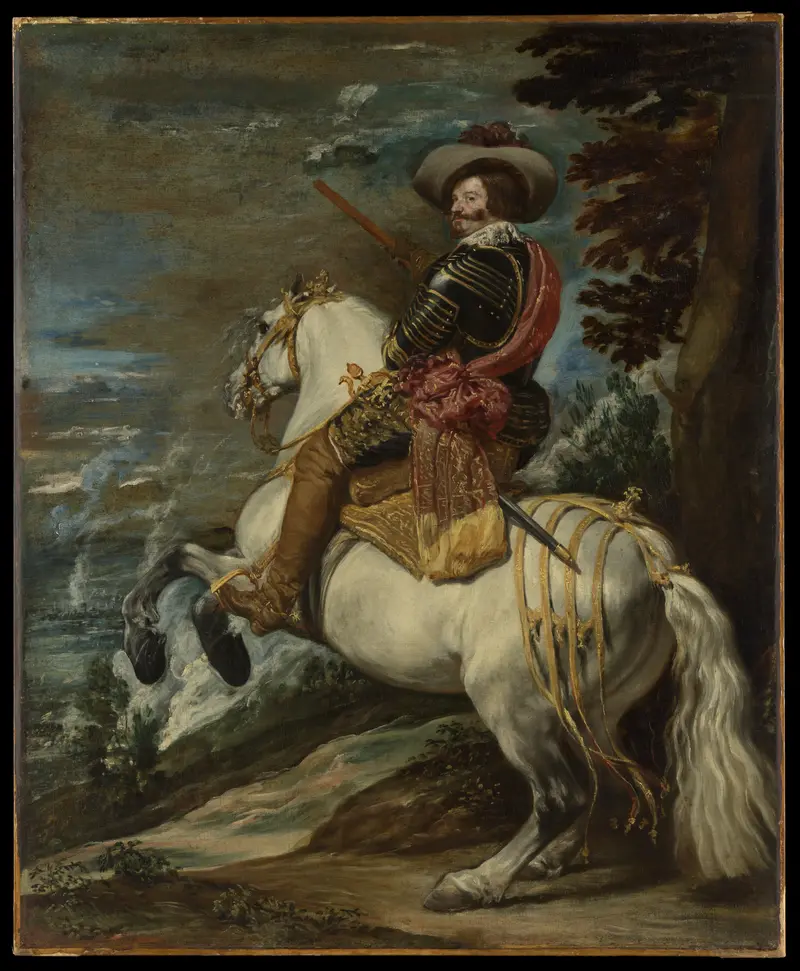
Don Gaspar de Guzmán (1587–1645), Count-Duke of Olivares
Diego Velázquez
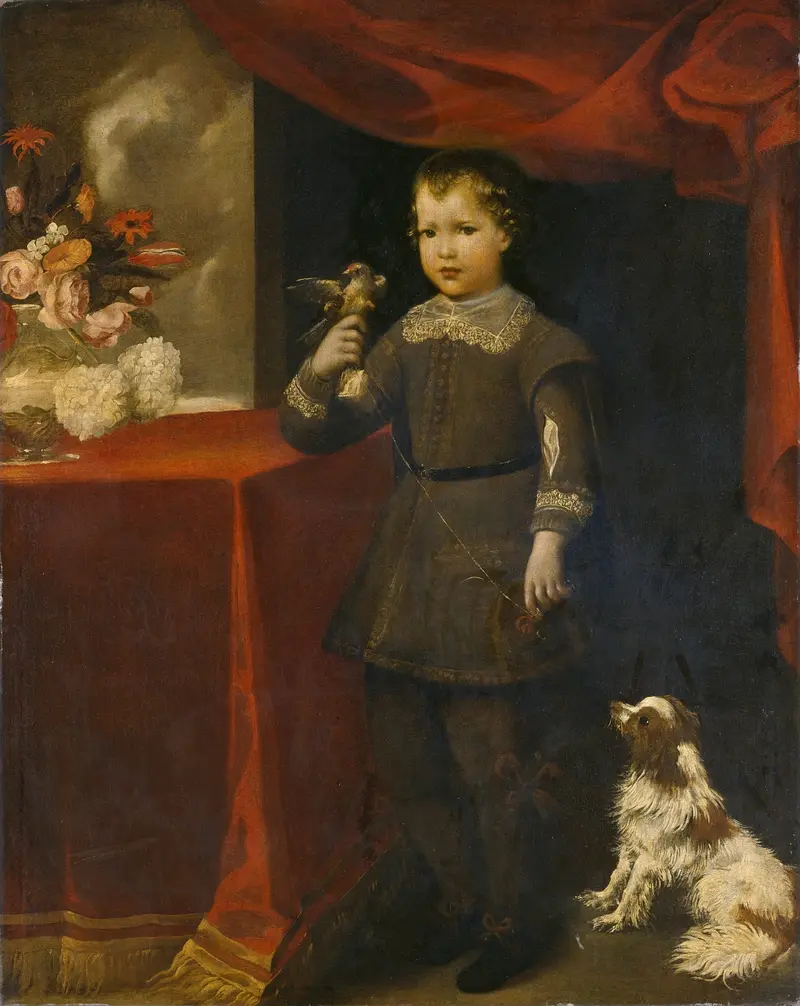
El príncipe Baltasar Carlos de Austria
Diego Velázquez
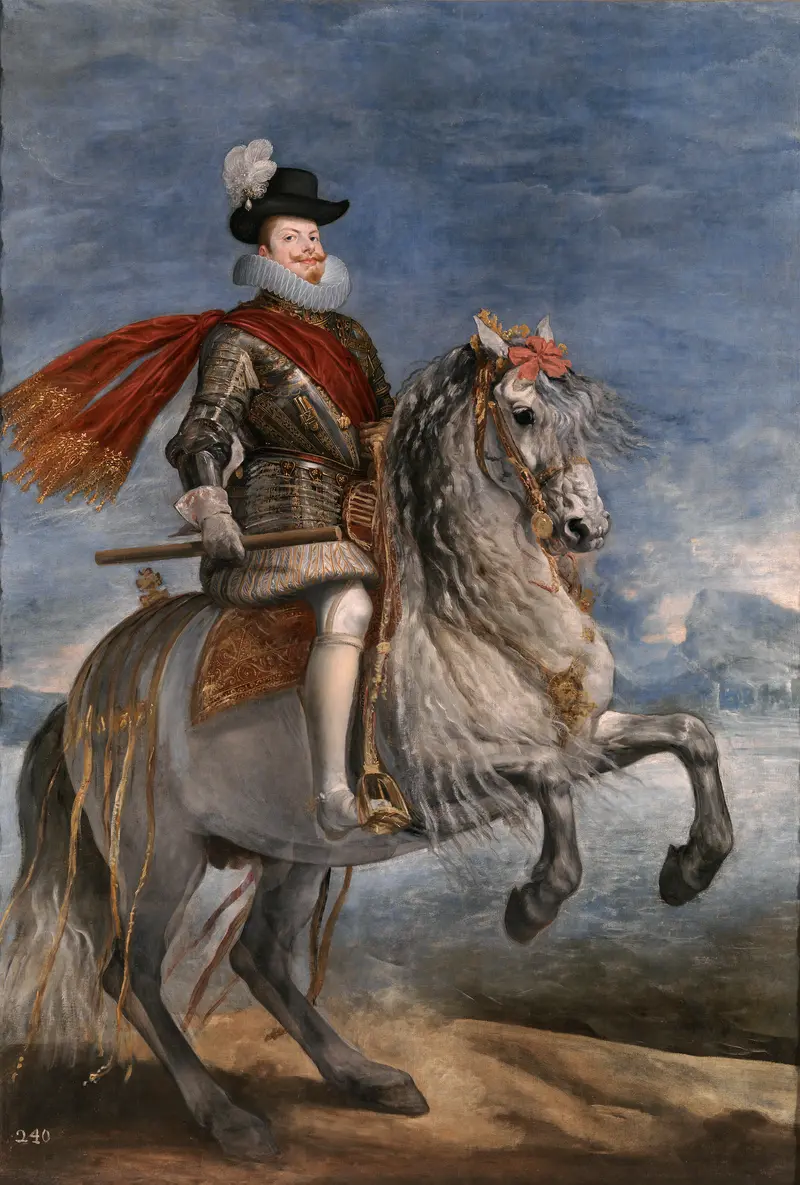
Equestrian Portrait of Philip III
Diego Velázquez
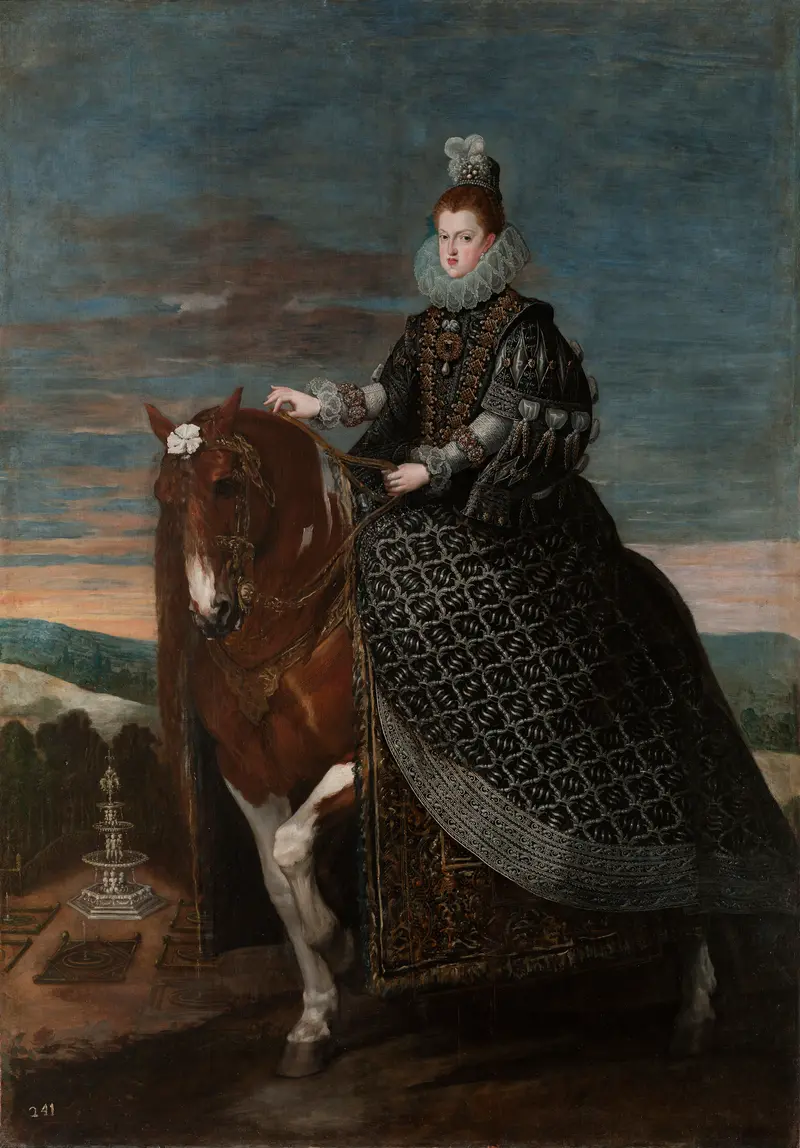
Equestrian Portrait of Margarita of Austria
Diego Velázquez
Las Hilanderas
Diego Velázquez




