
The Jester Calabacillas — History & Facts
When The Jester Calabacillas entered the royal collections, it was not as a portrait of a nobleman or a king, but as a study of one of Philip IV’s court jesters—Juan de Calabazas, known as “Calabacillas” for his habit of playing with imaginary gourds. Unlike the grand portraits of monarchs, Diego Velázquez here gives the jester a dignity and psychological depth that was rare for people of his station. The painting stands out among Velázquez’s court portraits for its humanity, and for the way it quietly challenged the boundaries of who was considered worthy of such careful attention. The jester sits in a simple chair, his hands folded in his lap, his gaze directed slightly away from the viewer.
His clothes are plain, and the background is dark and unadorned, focusing all attention on his face—marked by a gentle, almost melancholic expression. The absence of theatrical costume or comic props is striking; instead, Velázquez paints Calabacillas as a person rather than a caricature. The soft modeling of the face, the careful rendering of the hands, and the subtle play of light across his features invite comparison with Velázquez’s Portrait of Pablo de Valladolid, another court fool, but here the mood is quieter, more introspective.
The jester’s slight smile and calm demeanor hint at an inner life, defying the expectations of ridicule or buffoonery. Painted around 1635, likely for the Buen Retiro Palace, The Jester Calabacillas reflects the Spanish court’s fascination with its jesters, who were both entertainers and, at times, social commentators. The painting has remained in Spanish royal collections since its creation and is now housed in the Museo del Prado. Over the centuries, it has been admired for its psychological insight and technical brilliance, marking a key moment in Velázquez’s career as he moved toward ever greater realism and empathy in portraiture.
The work stands as a testament to the artist’s ability to see—and show—humanity in every subject, regardless of rank or fortune.
More Artworks by Diego Velázquez

Las Meninas
Diego Velázquez
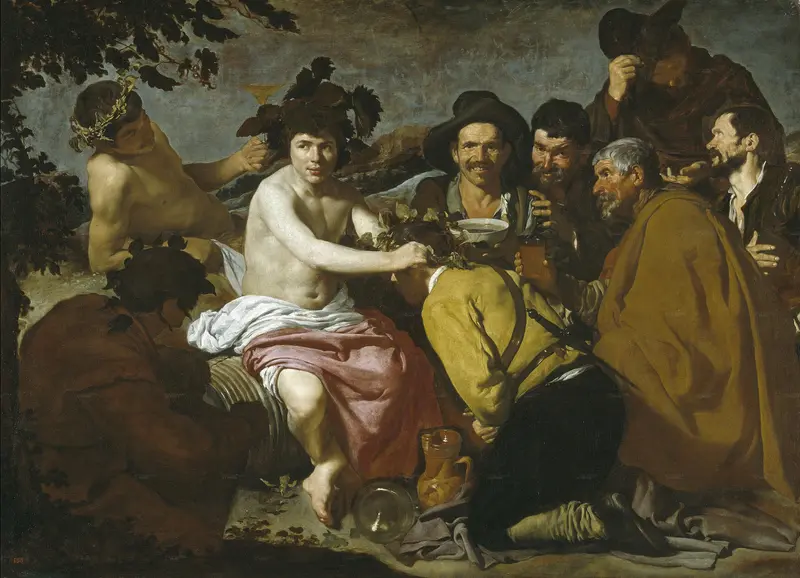
The Triumph of Bacchus
Diego Velázquez
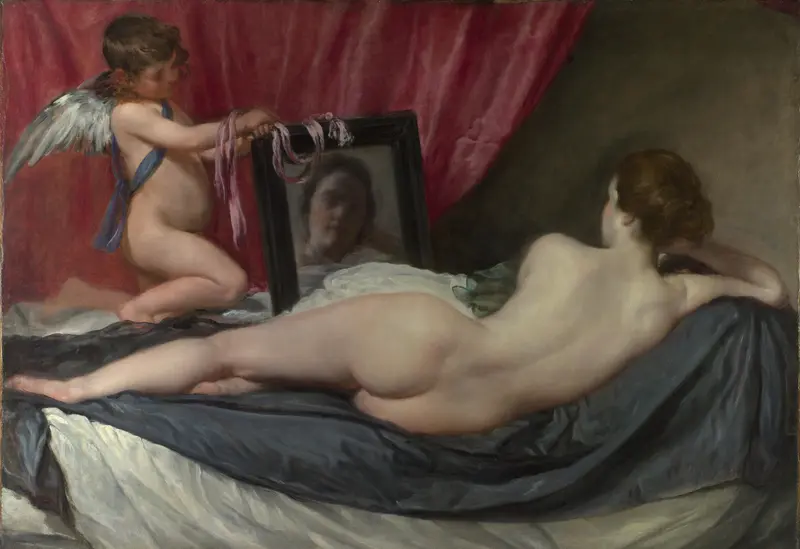
Rokeby Venus
Diego Velázquez
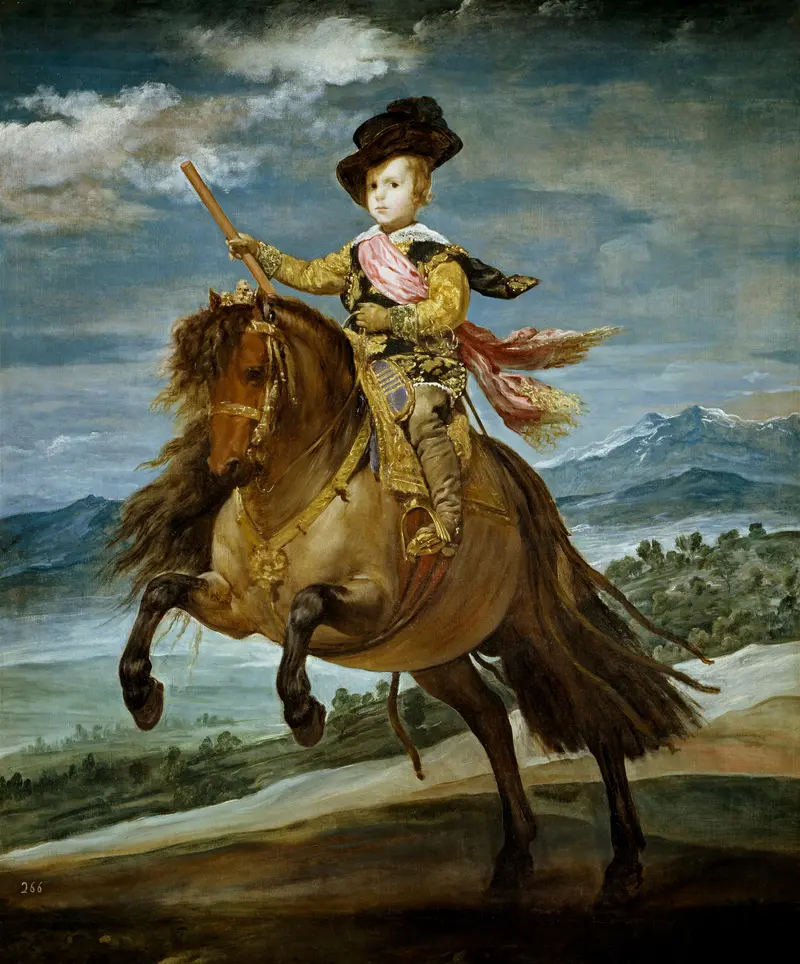
Equestrian Portrait of Prince Balthasar Charles
Diego Velázquez
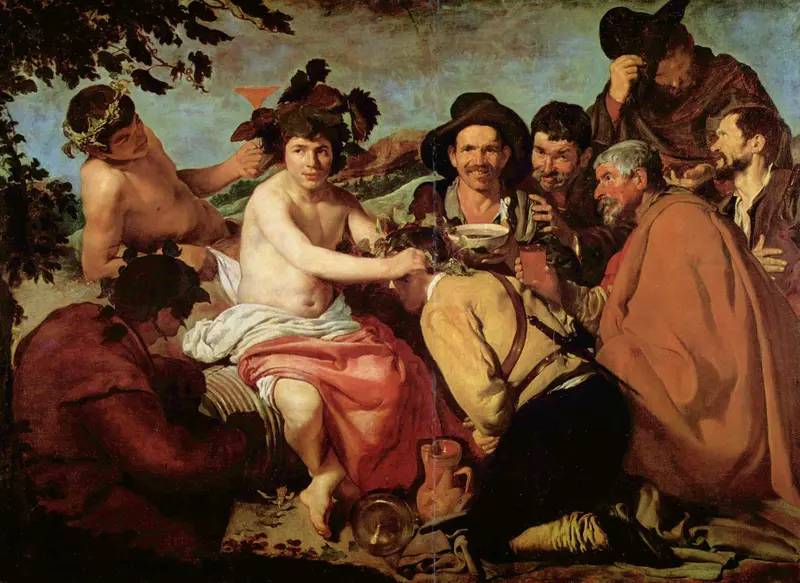
Bacchus
Diego Velázquez
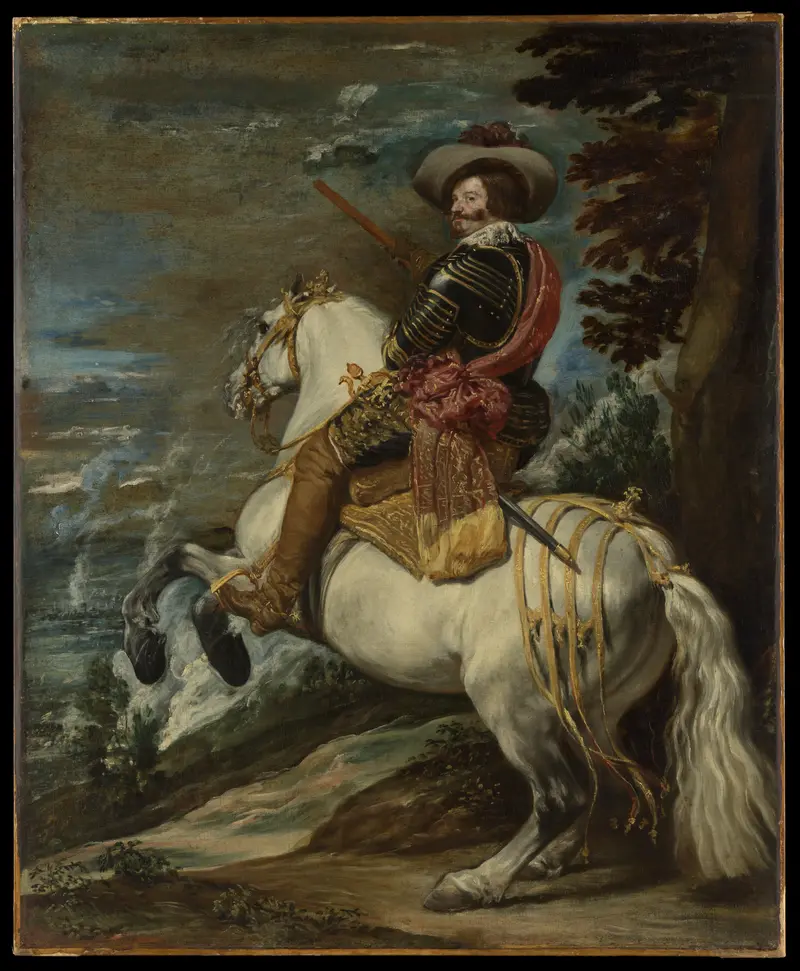
Don Gaspar de Guzmán (1587–1645), Count-Duke of Olivares
Diego Velázquez
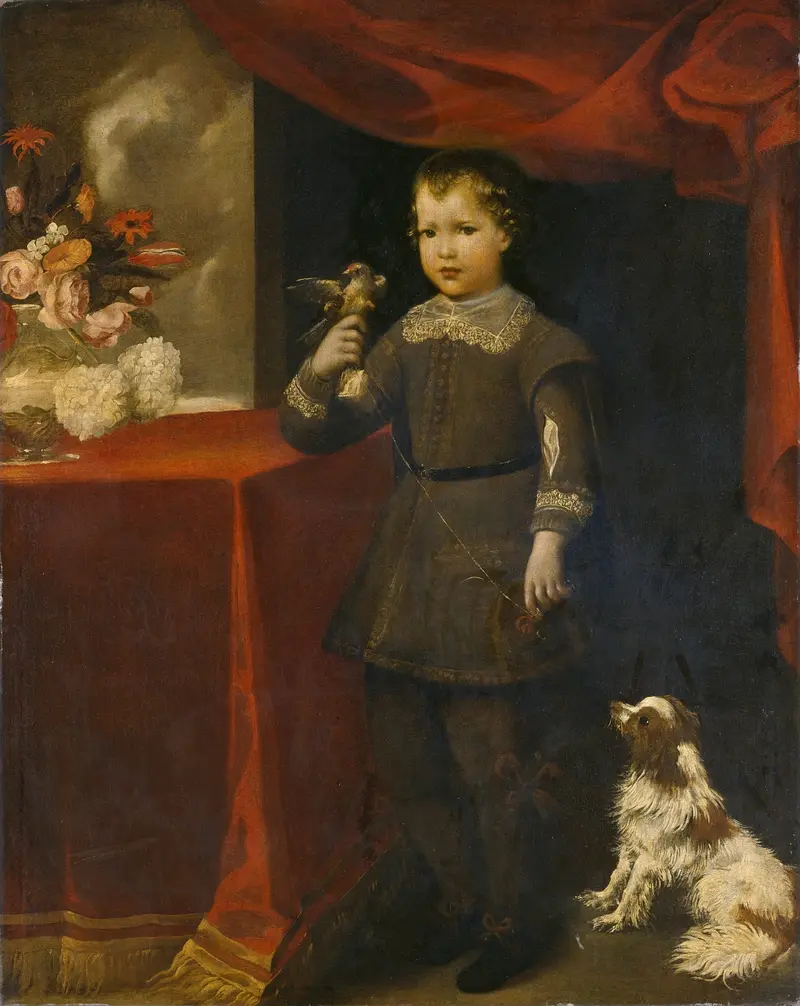
El príncipe Baltasar Carlos de Austria
Diego Velázquez
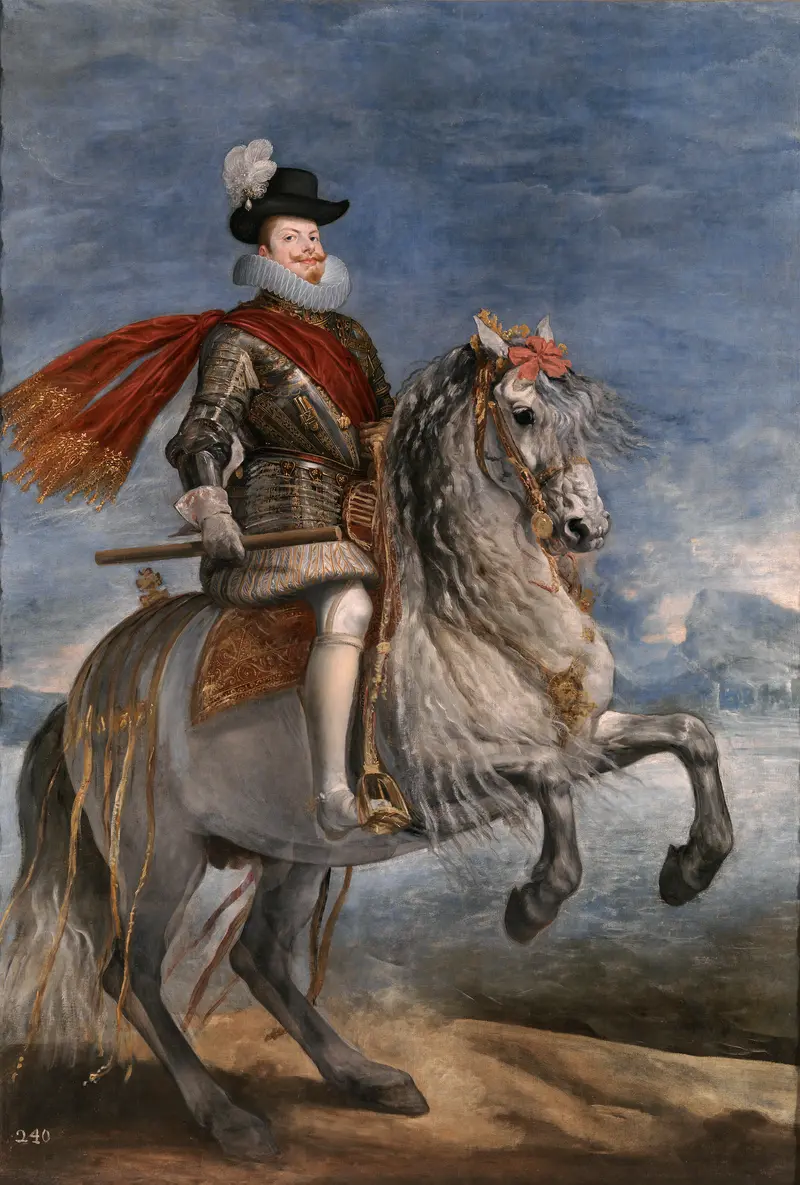
Equestrian Portrait of Philip III
Diego Velázquez
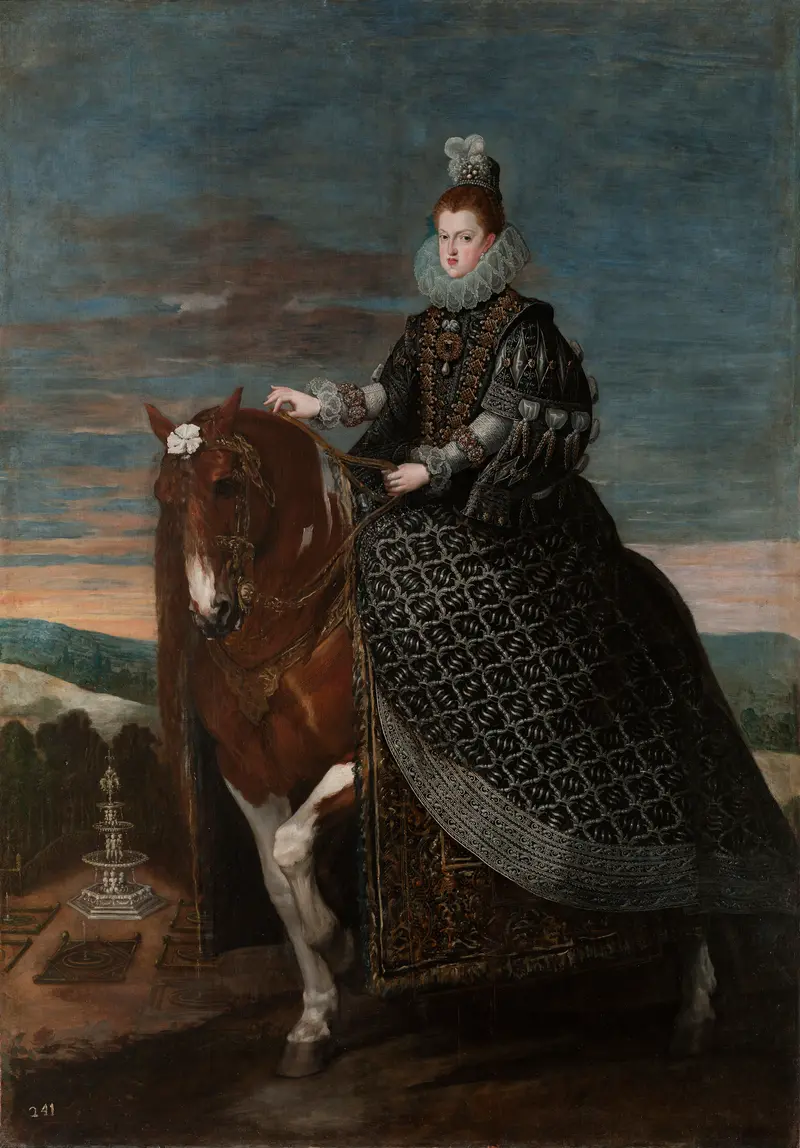
Equestrian Portrait of Margarita of Austria
Diego Velázquez
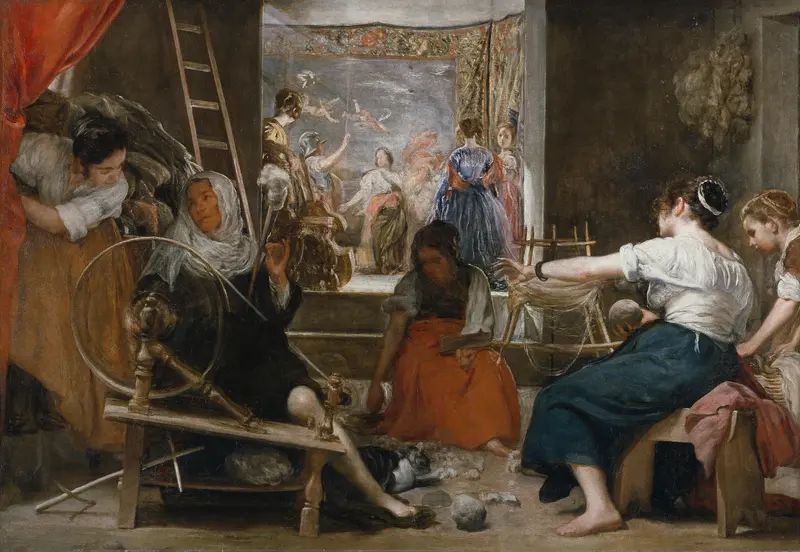
Las Hilanderas
Diego Velázquez




