
The Judgement of Cambyses — History & Facts
In the stillness of the moment captured, a powerful obsession for justice unfolds, layered within each brushstroke. The chilling tableau invites the viewer to confront not only the moral failings of Cambyses but the very essence of tyranny itself. Look to the left where Cambyses looms, his figure imposing and rigid, as he observes the punishment of the judge. The artist employs stark contrasts between the vibrant reds and deep blacks, evoking both a sense of drama and impending doom.
Notice how the harsh light casts sharp shadows that dance across the faces of the onlookers, their expressions a mix of horror and fascination, encapsulating the tension of the scene. The meticulous detail in the garments and the expressions brings a palpable reality to this moment of tragic justice. Deeper still, the work resonates with themes of obsession and power. The judge’s punishment reflects not only Cambyses's wrath but also his fragile hold on authority, suggesting that tyranny often breeds its own downfall.
Each gaze in the painting tells a story; the crowd’s mix of admiration and fear highlights the complexities of human nature, where obedience and horror coexist. The vivid colors and striking composition reinforce the relentless grip of ambition that can lead to ruin. Dirck Vellert created this piece in 1542, amidst a burgeoning interest in moral storytelling through art during the Northern Renaissance. Living in the midst of political intrigue and religious upheaval, Vellert was influenced by the growing emphasis on humanism.
This atmosphere shaped not only his artistic choices but also the cultural desire for introspection, pushing the boundaries of how power and justice could be depicted on canvas.
More Artworks by Dirck Vellert
Browse all →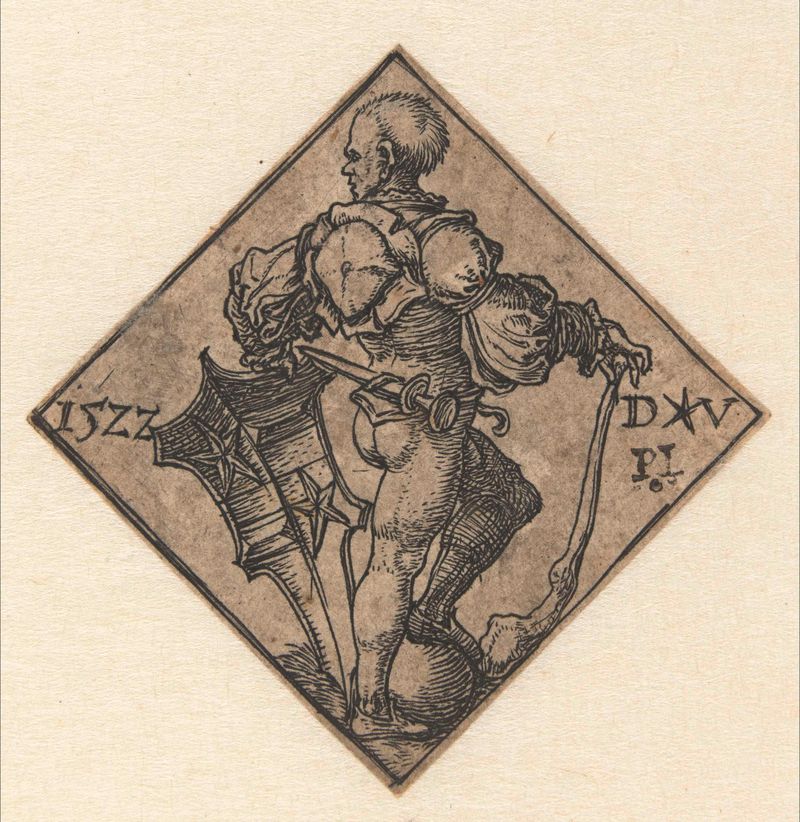
Soldaat met wapenschild
Dirck Vellert

Christus en de Samaritaanse vrouw
Dirck Vellert
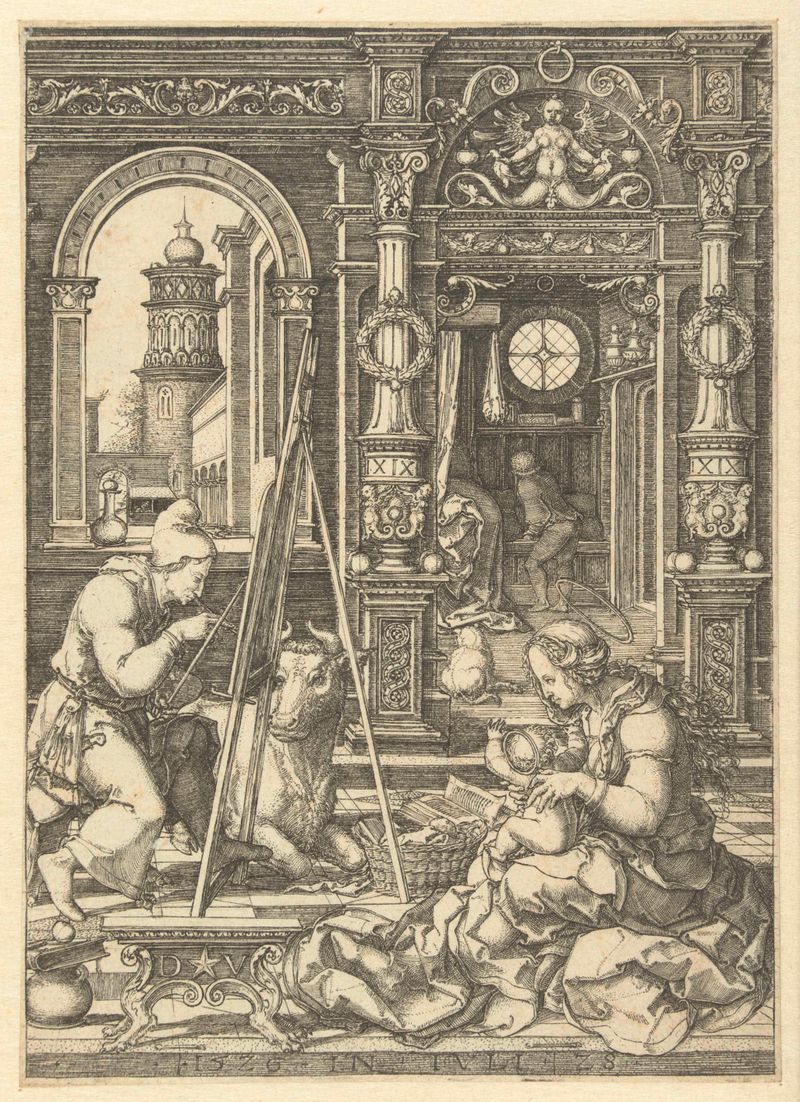
Heilige Lucas schildert Madonna met kind
Dirck Vellert

The Flight into Egypt
Dirck Vellert

Faun
Dirck Vellert
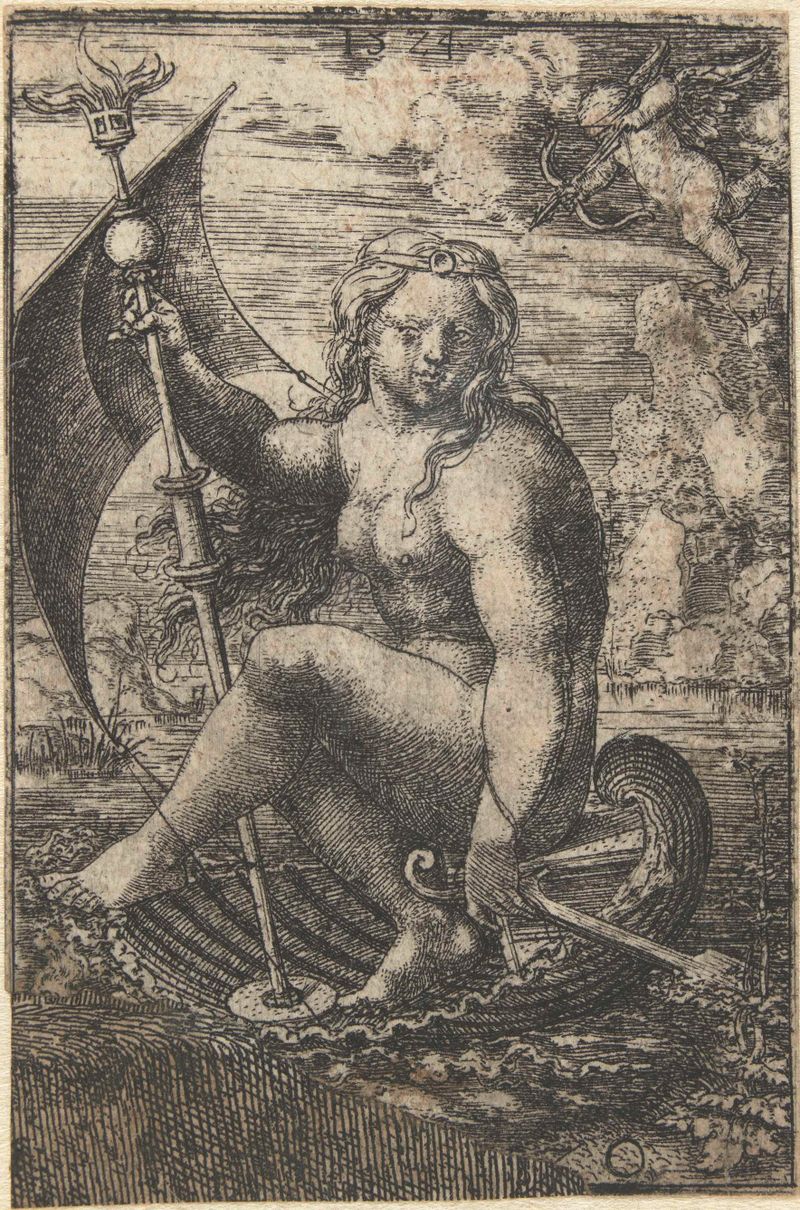
Venus zeilend in een schelp
Dirck Vellert
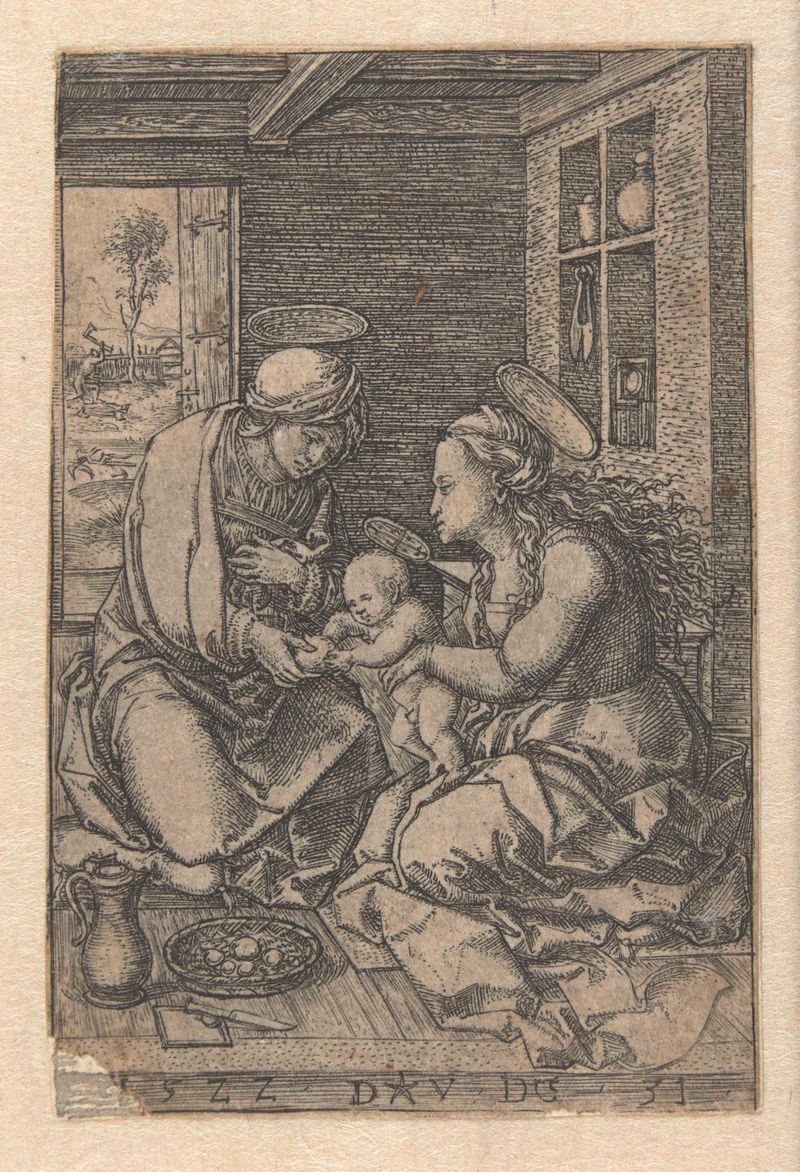
Maria met kind en heilige Anna
Dirck Vellert
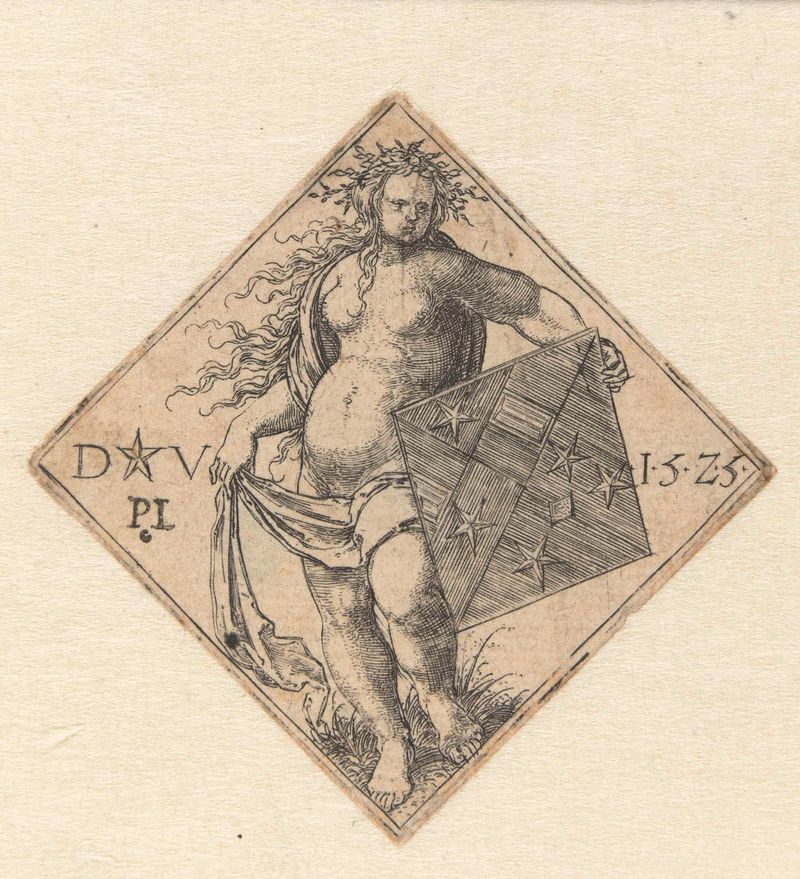
Naakte vrouw met wapenschild
Dirck Vellert
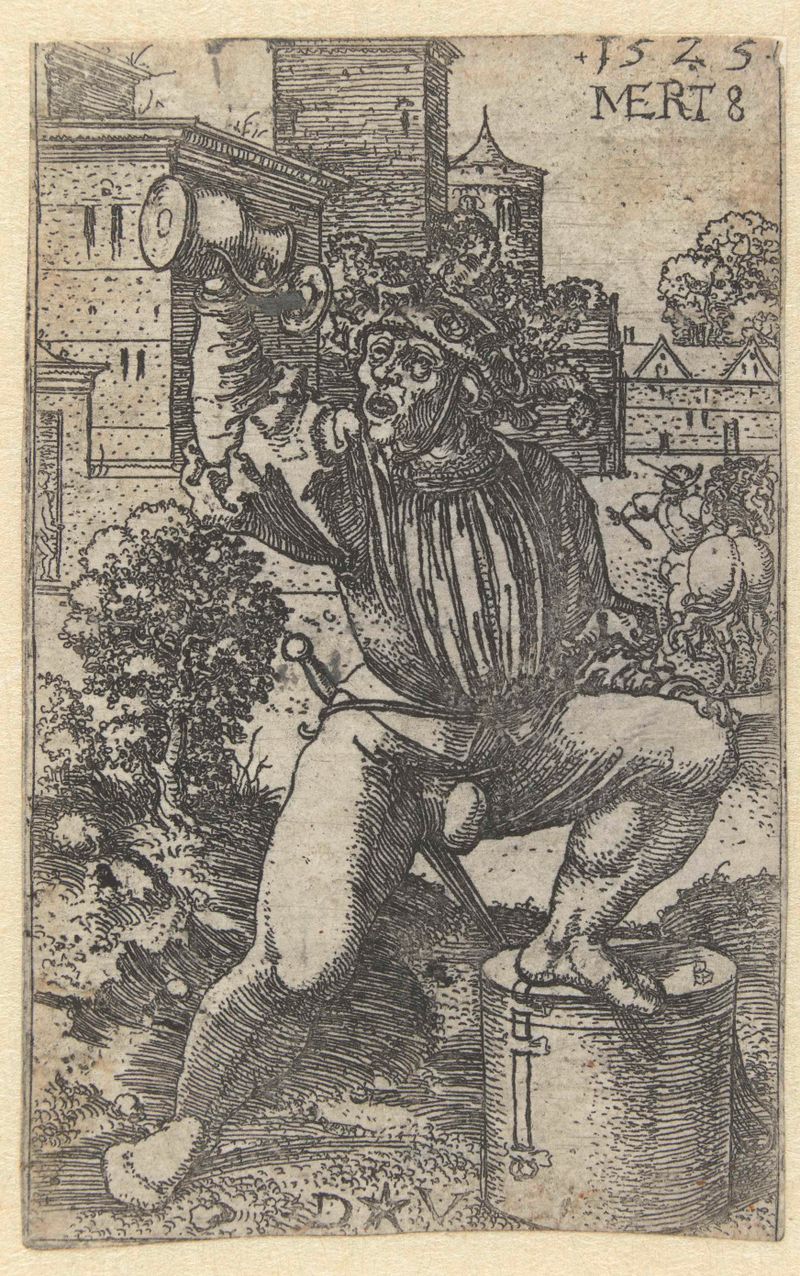
De dronken tamboer
Dirck Vellert

Eva en Kaïn
Dirck Vellert
More Historical Art
Browse all →
The Night Watch Militia Company of District II under the Command of Captain Frans Banninck Cocq
Rembrandt van Rijn

Lincoln Memorial
Henry Bacon

The Third of May 1808
Francisco de Goya

Isaac and Rebecca, Known as ‘The Jewish Bride’
Rembrandt van Rijn

The Charge of the Mamelukes (1814)
Francisco de Goya

De vier ruiters van de apocalyps
Albrecht Dürer