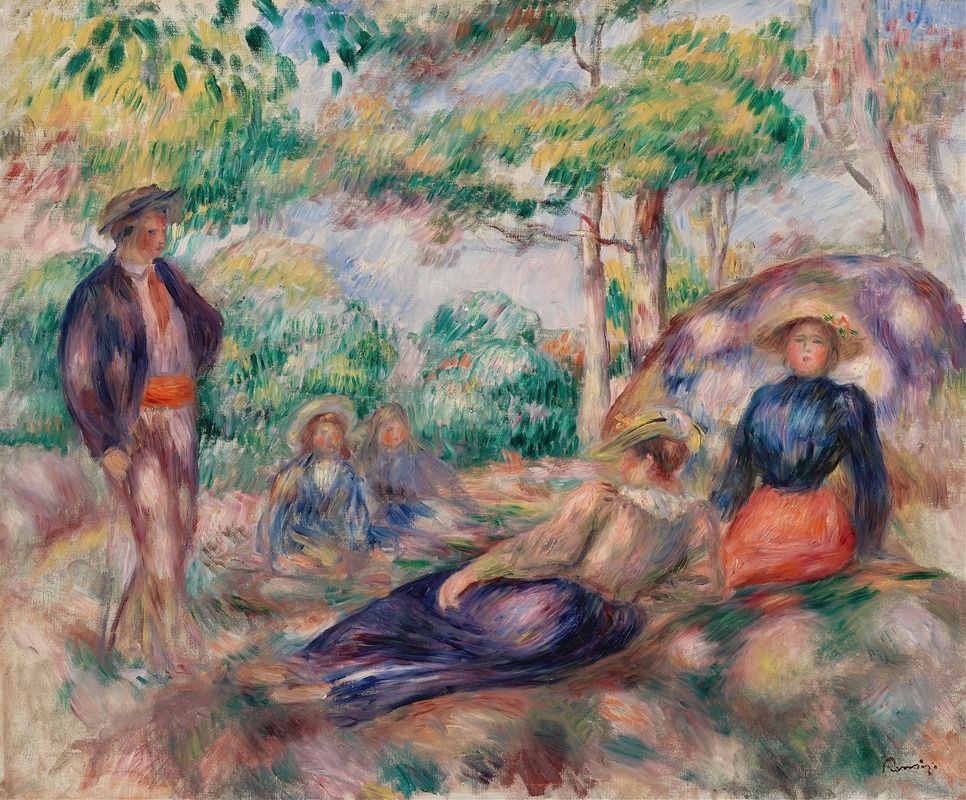
Discover insights about this artwork
The Knitting Shepherdess — History & Facts
In The Knitting Shepherdess, we see a young woman seated in a lush green landscape, engaged in knitting. The colors are soft and earthy, with greens, browns, and hints of blue in the sky. The shepherdess wears a simple dress, reflecting her humble lifestyle, while her surroundings are filled with gentle light.
The scene captures a peaceful moment in rural life, emphasizing the connection between the figure and nature. The painting is executed in oil on canvas, showcasing Millet's characteristic attention to detail and texture. The brushwork is loose yet deliberate, allowing the viewer to appreciate the natural forms of the landscape and the fabric of the shepherdess's clothing. The composition is balanced, with the figure placed slightly off-center, drawing the eye across the canvas.
This technique enhances the sense of tranquility and harmony in the scene. Jean-François Millet was a key figure in the Realism movement, focusing on the lives of peasants and rural laborers. The Knitting Shepherdess reflects his interest in depicting everyday activities and the dignity of labor. An interesting fact about this work is that it exemplifies Millet's ability to elevate simple subjects into profound statements about life and work.
This painting, created in the 1860s, remains a significant representation of 19th-century French art.
More Artworks by Jean-François Millet

Gleaners
Jean-François Millet

Starry Night
Jean-François Millet
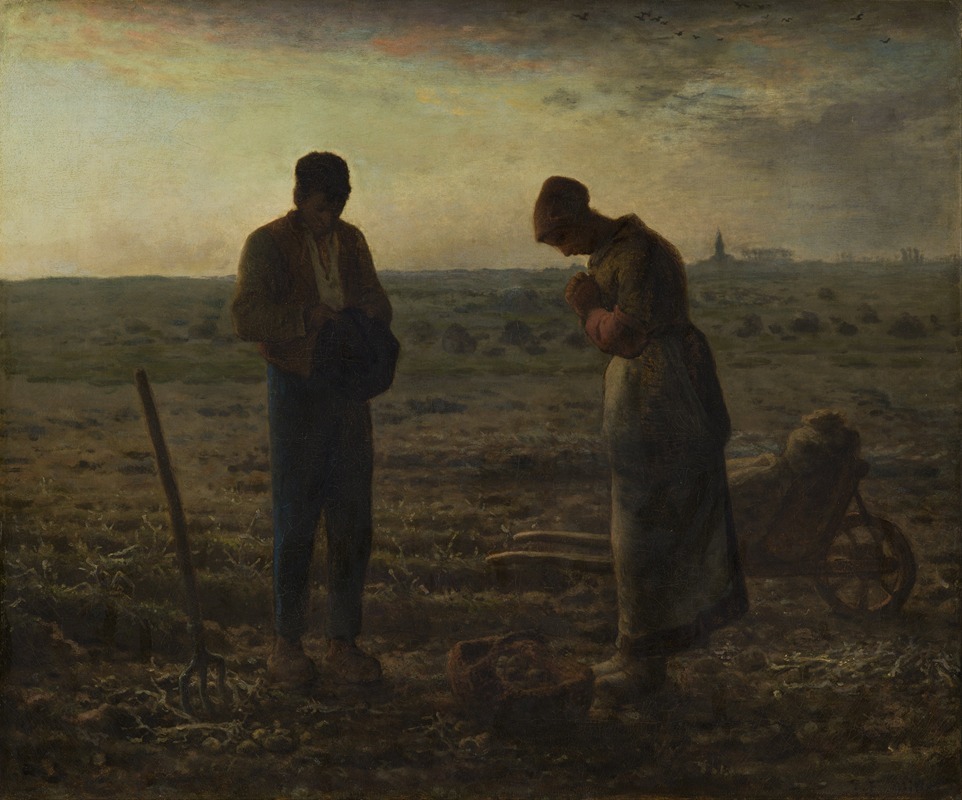
The Angelus
Jean-François Millet
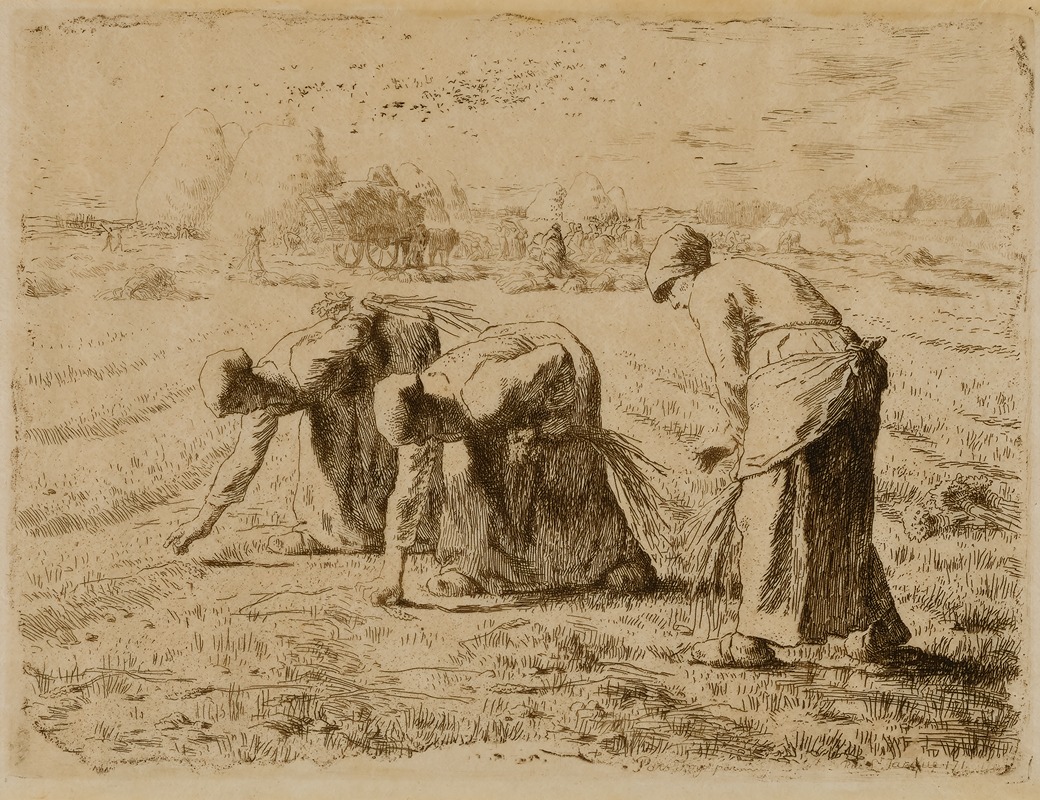
The Gleaners
Jean-François Millet
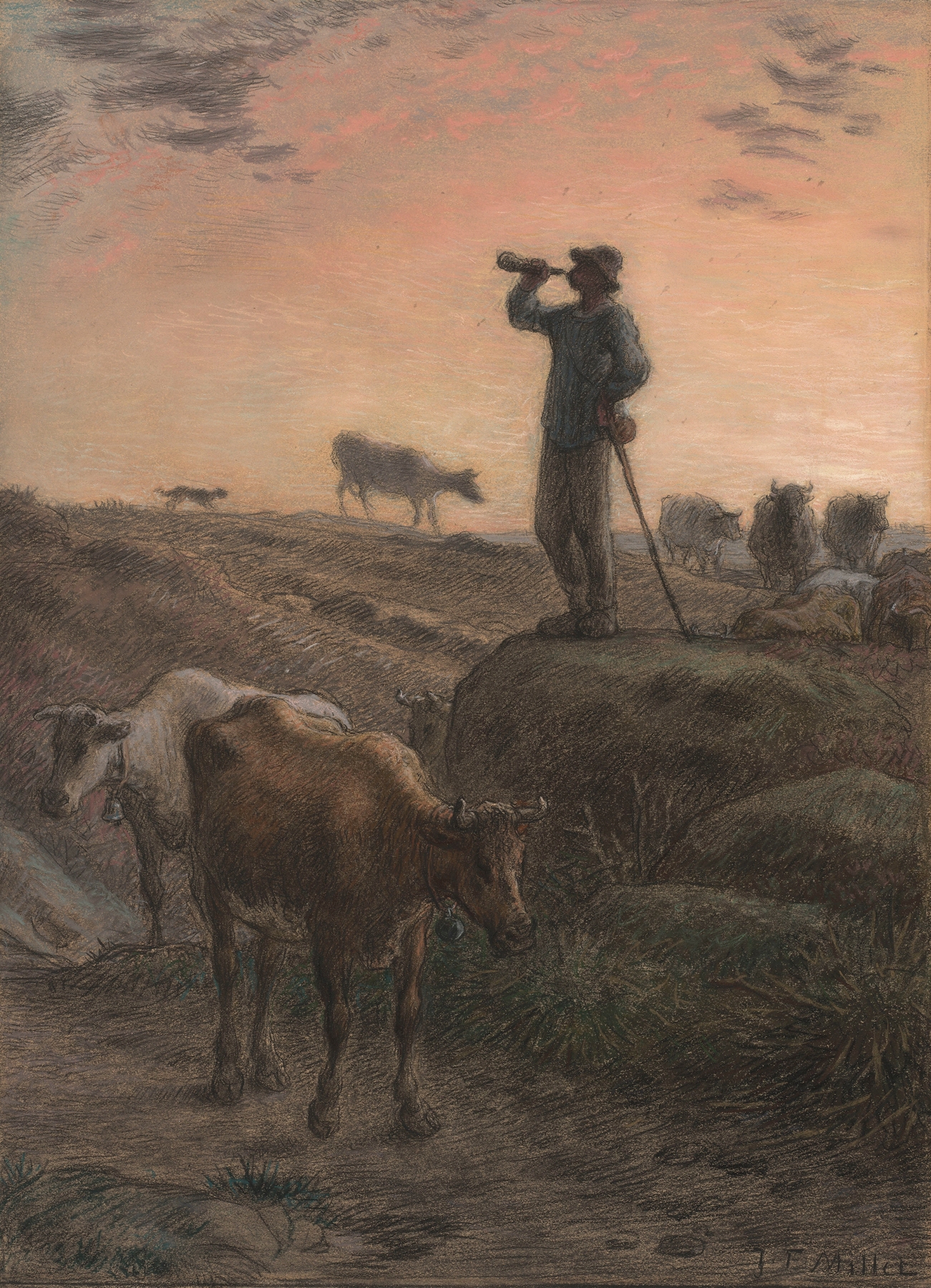
Calling Home the Cows
Jean-François Millet
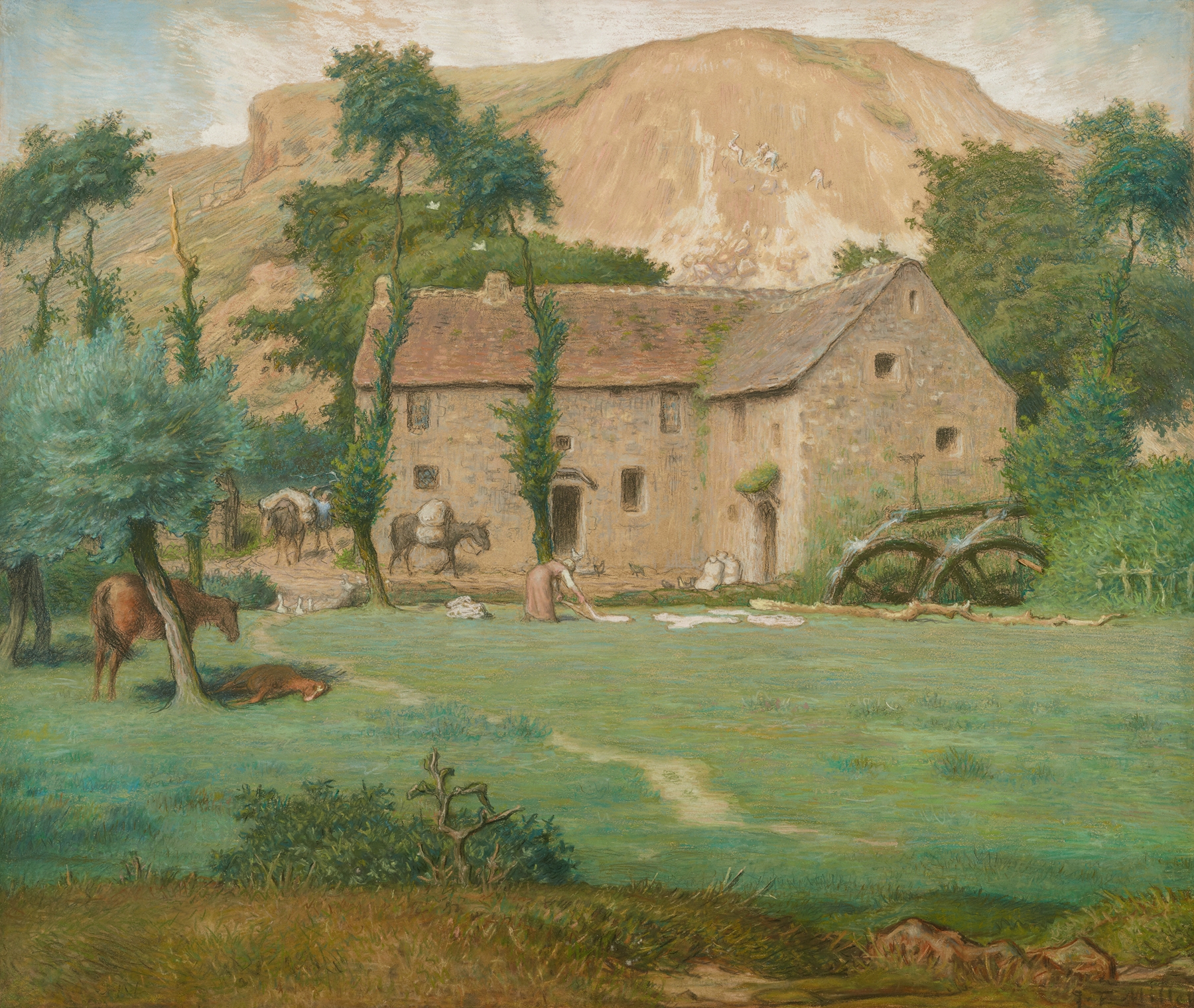
Watermill at the Foot of a Mountain, Allier
Jean-François Millet
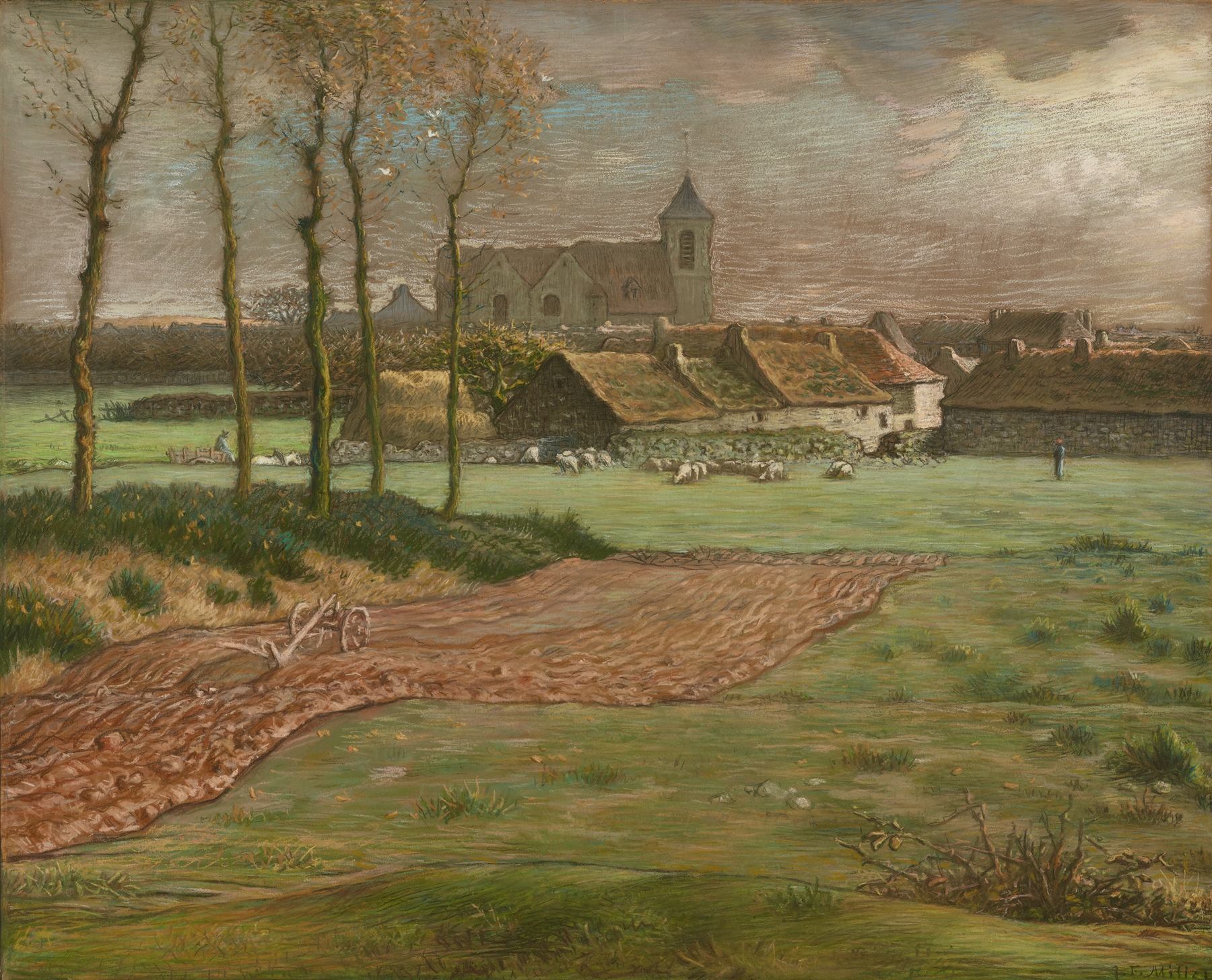
The Church at Chailly
Jean-François Millet
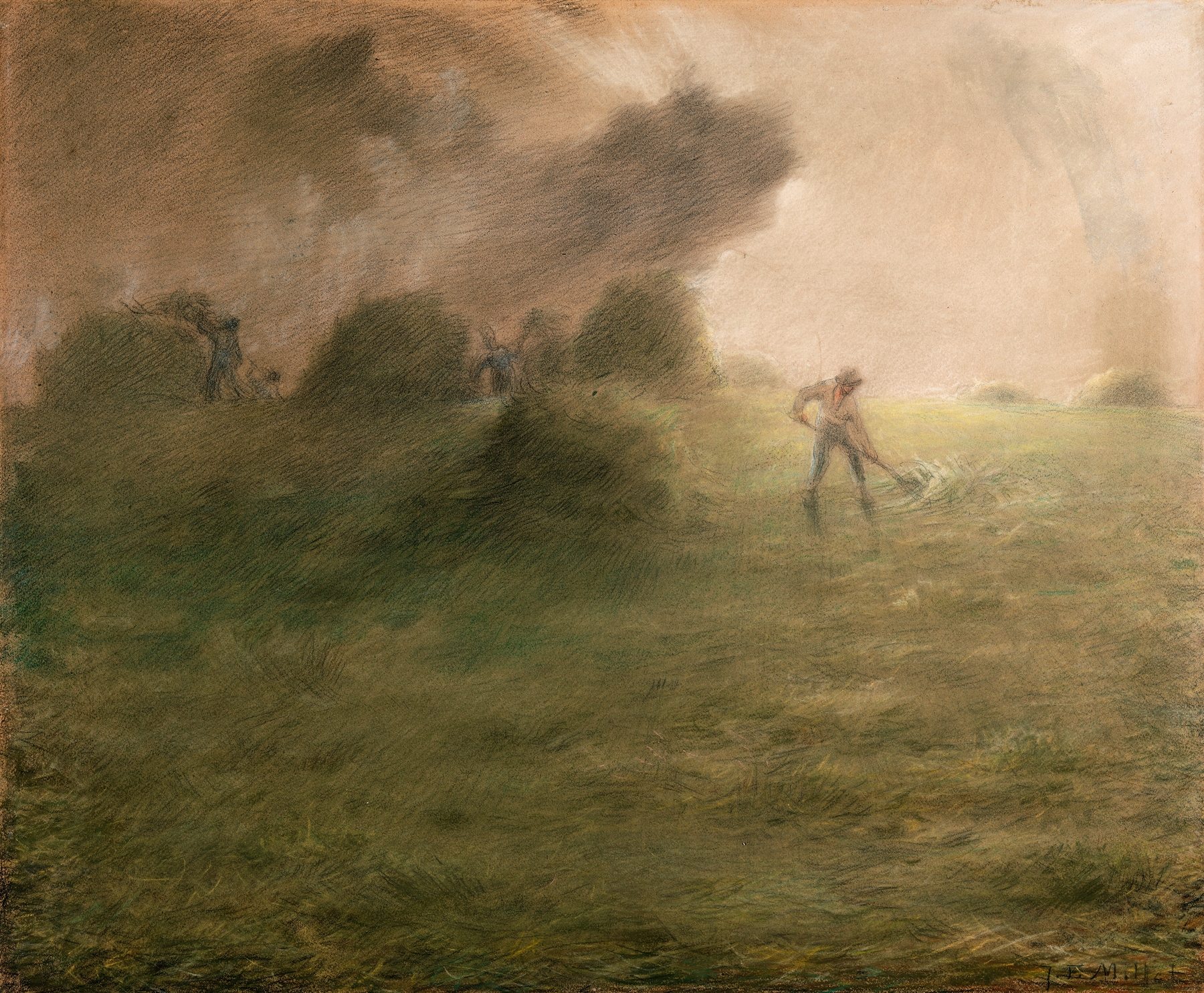
A Storm during Haymaking
Jean-François Millet
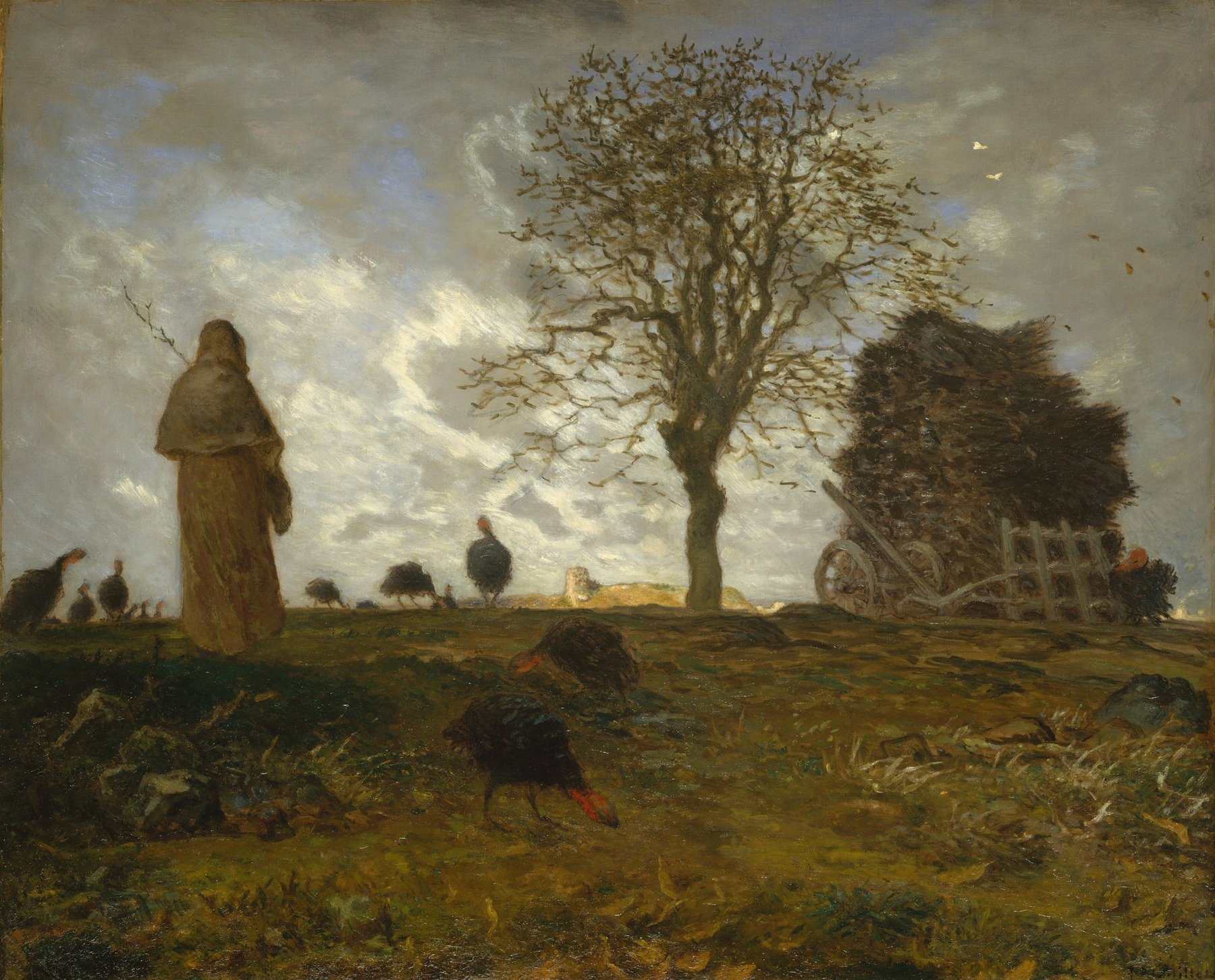
Autumn Landscape with a Flock of Turkeys
Jean-François Millet
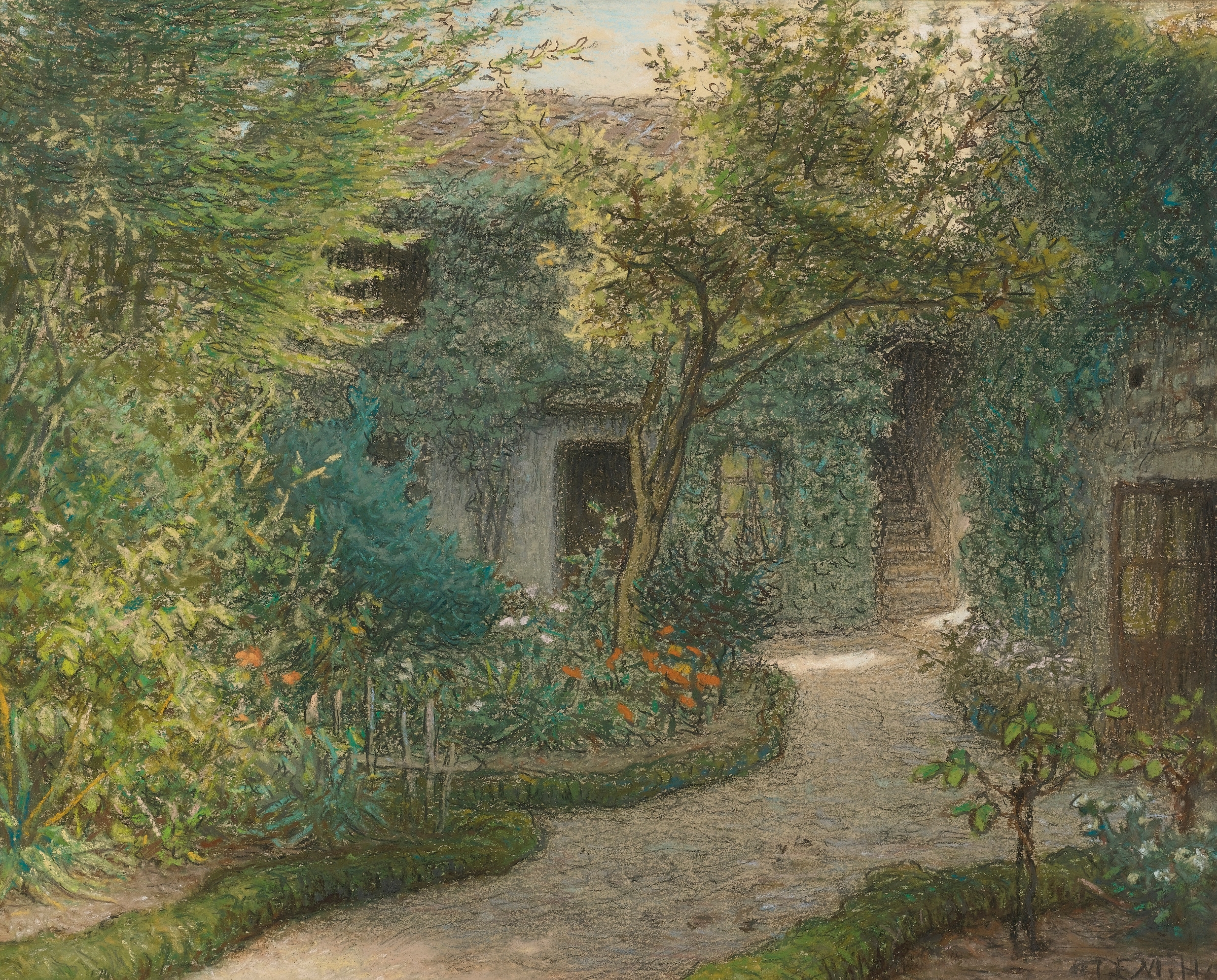
Théodore Rousseau’s House In Barbizon
Jean-François Millet