
The Lamentation of Christ — History & Facts
What draws the eye first in The Lamentation of Christ is not the lifeless body at the center, but the hush that settles over the mourners. Their grief is palpable, yet contained, as if the silence of the moment has weight. The painter gathers the figures close, their hands clasped or gently touching Christ, creating a circle of intimacy that holds the viewer in its orbit.
The light, falling from the left, picks out the pale flesh of Christ and the golden hair of the kneeling woman, while the rest recedes into a shadow that feels both protective and mournful. Each object—the crown of thorns, the ointment jar, the linen—serves as a silent witness, tokens of suffering and care. Painted in 1625, this work belongs to a world where religious images were charged with emotion and meaning, intended to draw the viewer into the drama of faith. In the early seventeenth century, such scenes were often commissioned for private devotion or church altars, inviting contemplation of sacrifice and compassion.
Abraham Bloemaert, active in the Dutch Republic, was known for his ability to blend Italianate grace with northern detail, and here he weaves both into a scene that is at once theatrical and deeply human. The painting now rests in the collection of Museum Boijmans Van Beuningen, a quiet testament to a period when art was both a window and a mirror for spiritual longing. Let your gaze linger on the faces and hands, and consider what it means to mourn with hope.
More Artworks by Abraham Bloemaert

Adam and Eve
Abraham Bloemaert
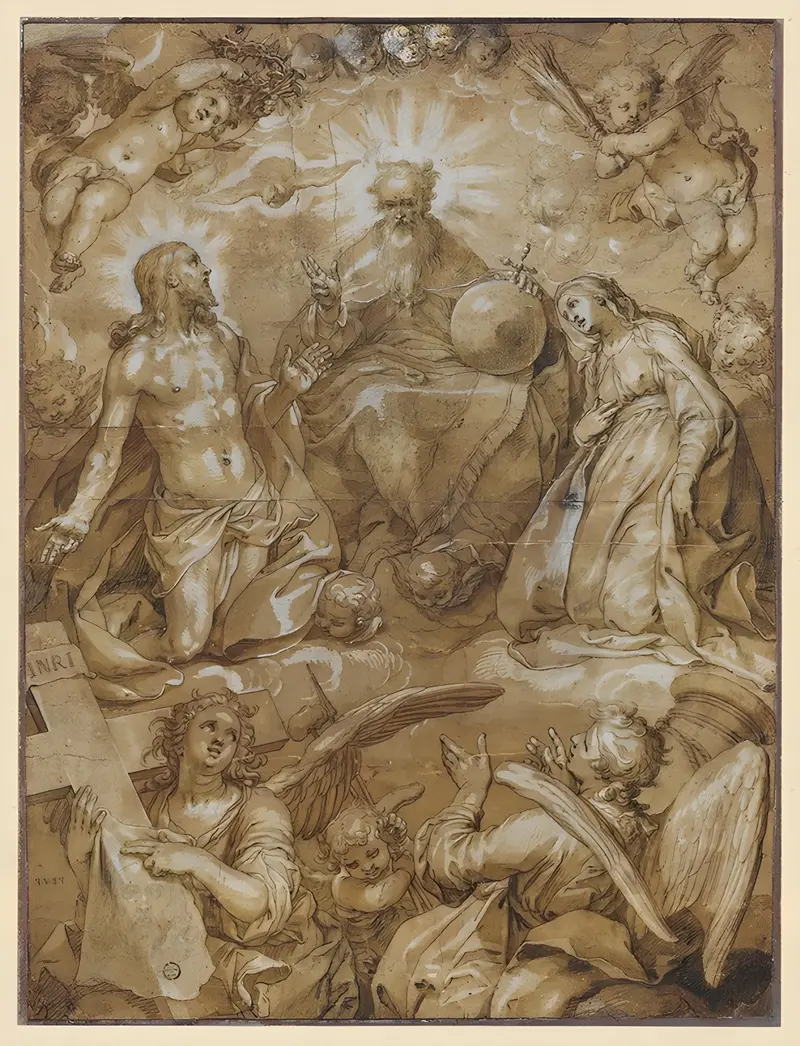
Intercession of Christ and Mary before God the Father
Abraham Bloemaert

Joseph and his Brothers
Abraham Bloemaert
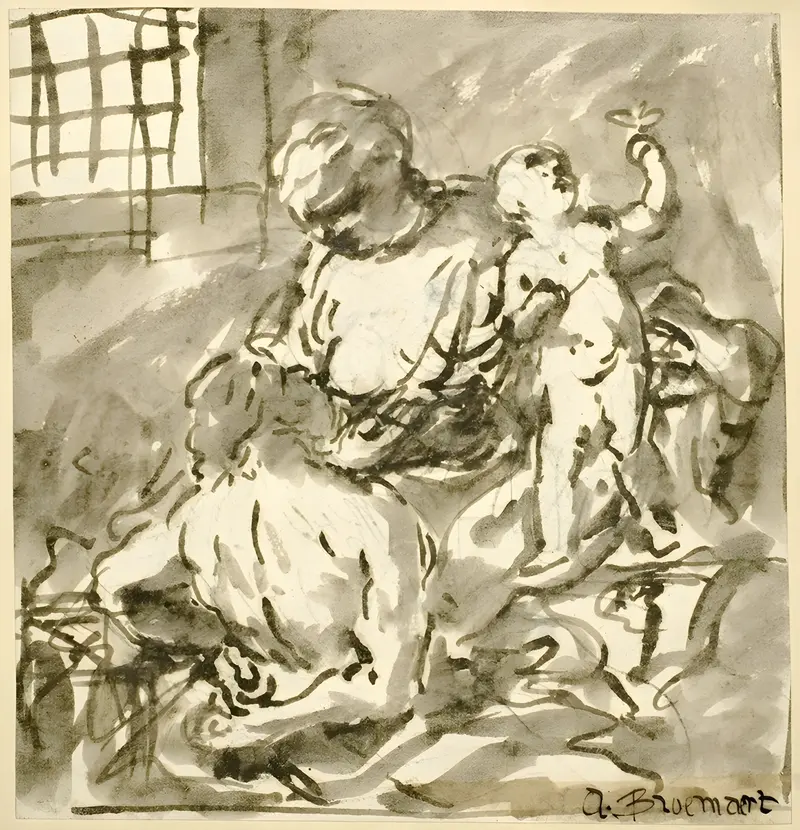
Caritas Romana
Abraham Bloemaert
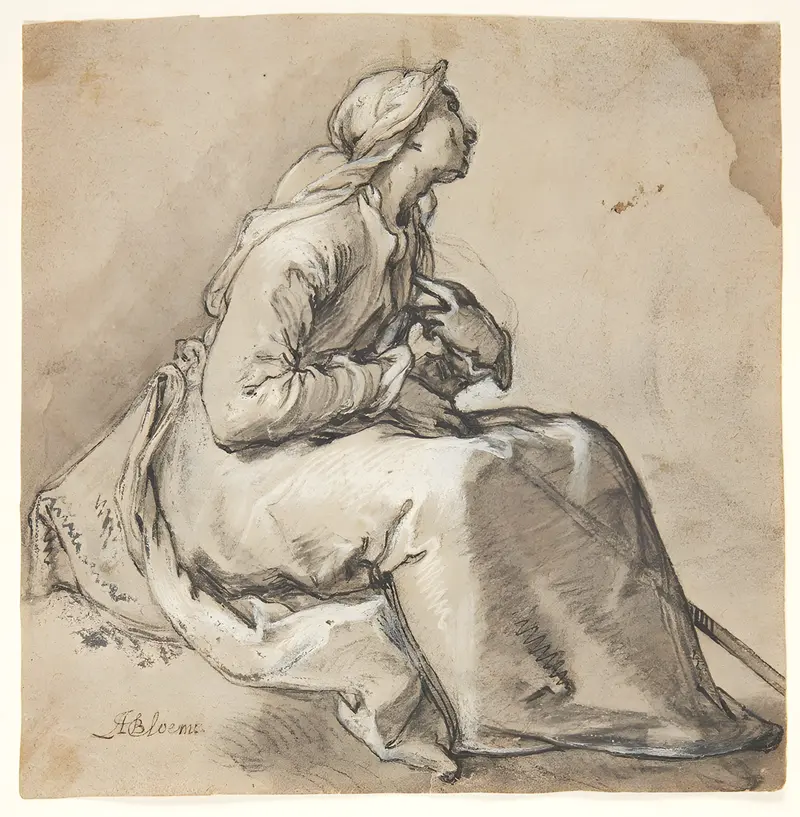
A seated woman facing right
Abraham Bloemaert
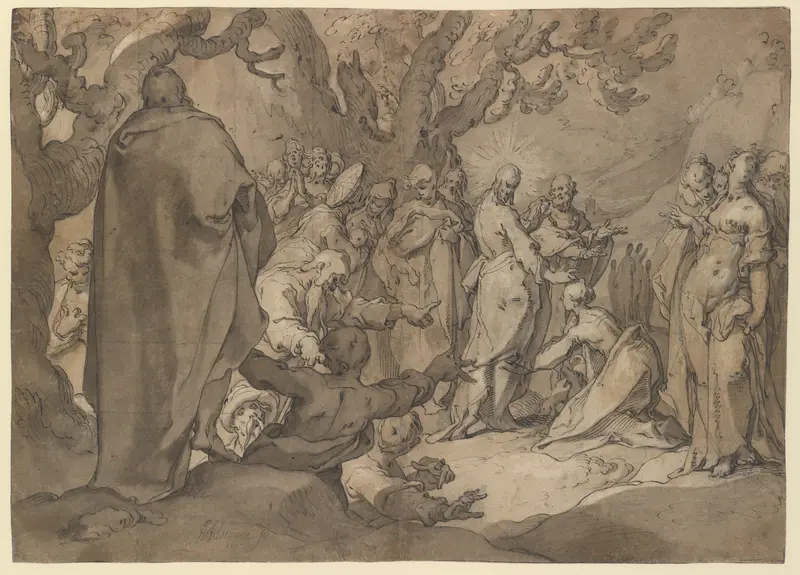
Christ and the Canaanite Women
Abraham Bloemaert
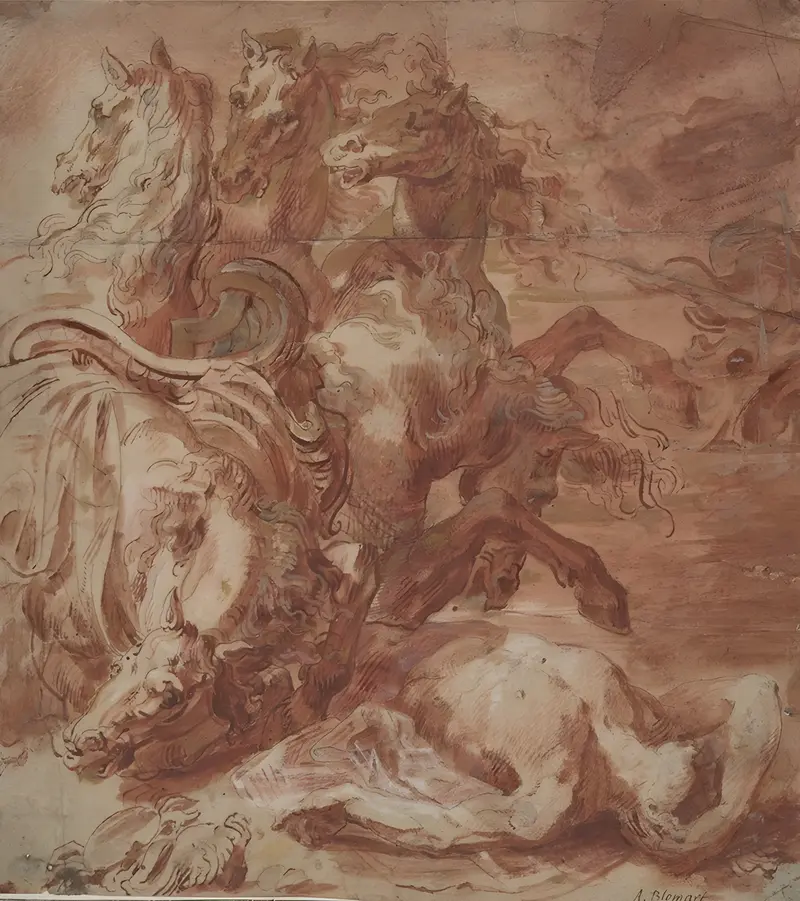
Hippolytus
Abraham Bloemaert
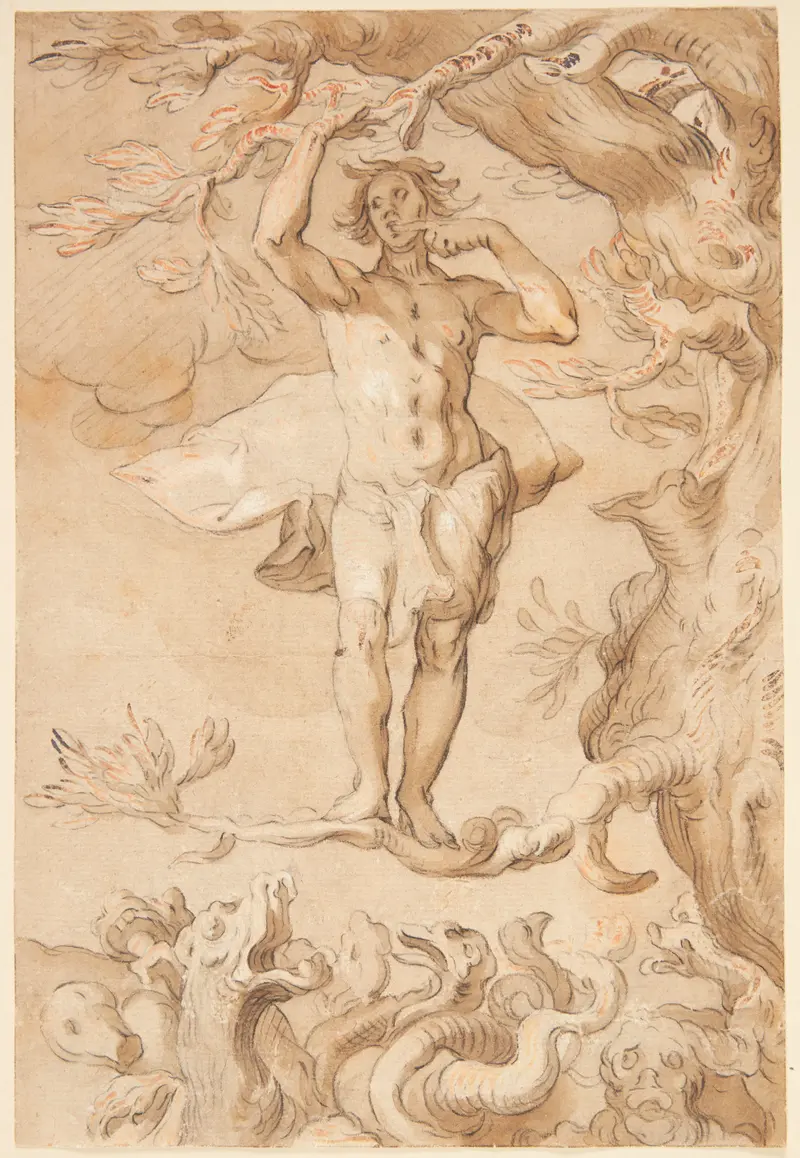
Den menneskelige glædes skrøbelighed En mand, der jages af en drage, klynger sig til en gren, mens han slikker honning af sin finger
Abraham Bloemaert

Moses Striking the Rock
Abraham Bloemaert
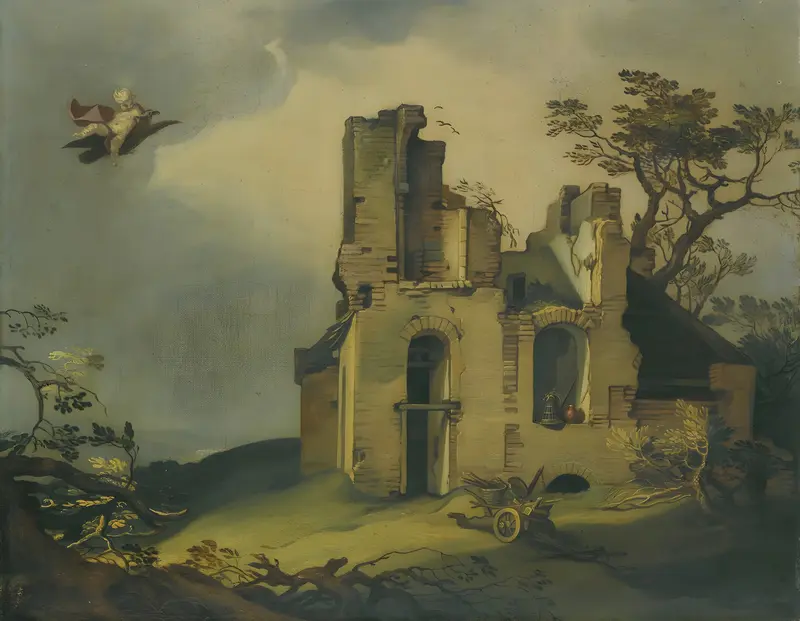
A Landscape With Ruins, With The Rape Of Ganymede
Abraham Bloemaert





