
The Landslip — History & Facts
The first thing to catch the eye in The Landslip by Arthur Hughes is the dazzling sweep of sea, its surface broken into a thousand points of light by the sun. The painter leads us along a cliff edge, where the land drops away steeply toward turquoise water, and the wildflowers—yellow and pink—cluster along the verge as if clinging to the last hold of earth. A tiny boat, almost lost in the expanse, hints at human presence but never disturbs the quiet grandeur of the scene.
The path winding down the slope invites the viewer to imagine the feel of chalk and heather underfoot, the salt in the air, the sense of standing at the brink between land and sea. The palette is clear and fresh, with the cool blues of the water balanced by the warmth of the flowers, creating a mood of both solitude and invitation. Painted before 1916 and possibly set near Ventnor on the Isle of Wight, this landscape belongs to a period when British artists were turning their gaze toward the native countryside, capturing its shifting light and untamed edges. Works like this were often made for collectors who sought a sense of place and memory, at a time when the world beyond England’s shores was in turmoil.
The Isle of Wight, with its dramatic cliffs and storied coastline, had long been a favored subject for painters seeking to balance natural beauty with a hint of the wild. Little is recorded about the journey of this particular painting, now in a private collection, but its quiet persistence on canvas offers a window into a world both familiar and just out of reach—one that rewards every return glance.
More Artworks by Arthur Hughes

Cecily Ursula, aged three years
Arthur Hughes

April Love
Arthur Hughes
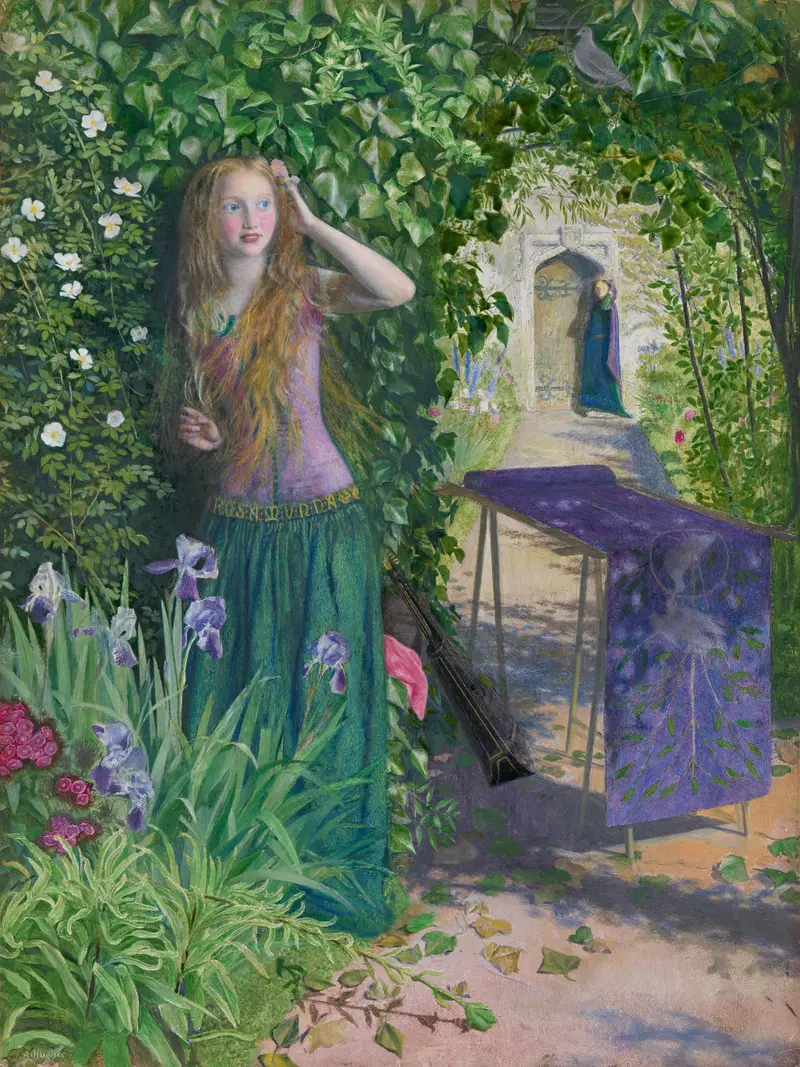
Fair Rosamund
Arthur Hughes
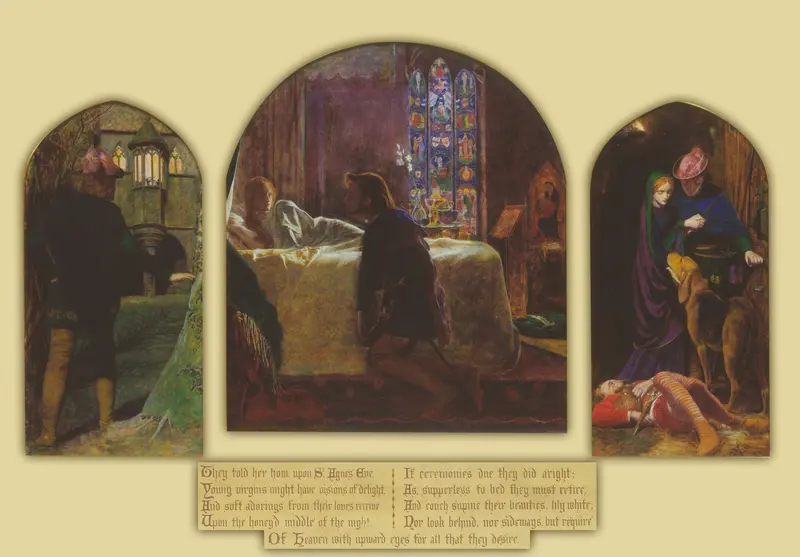
The Eve of St Agnes
Arthur Hughes
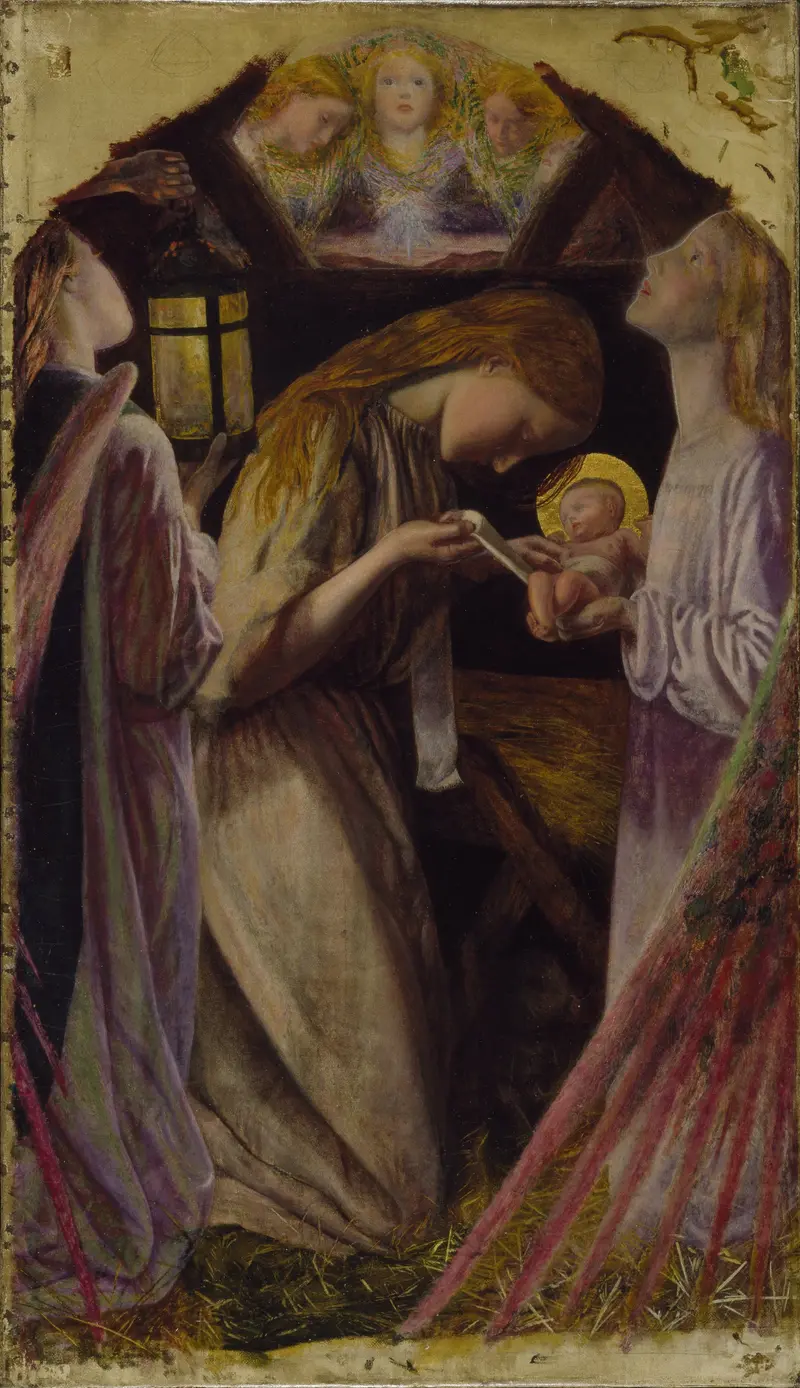
The Nativity
Arthur Hughes
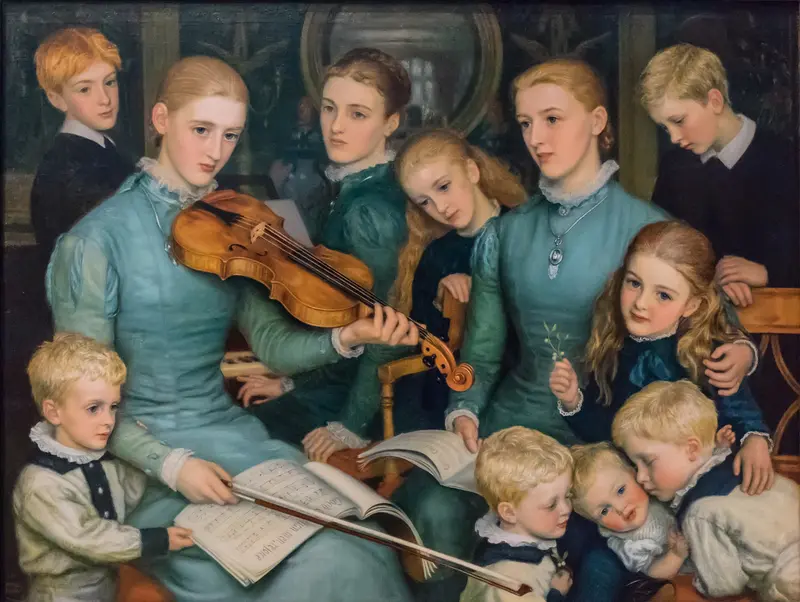
A Christmas Carol at Bracken Dene
Arthur Hughes
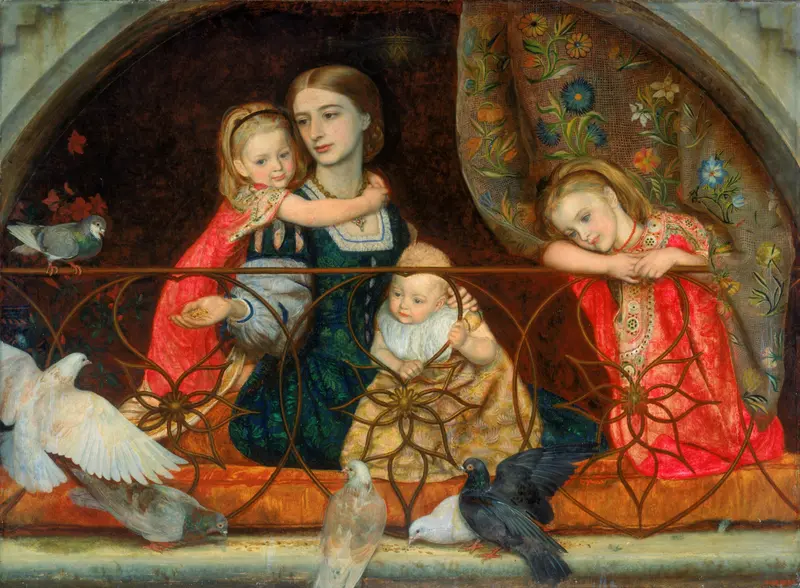
Mrs Leathart and Her Three Children
Arthur Hughes
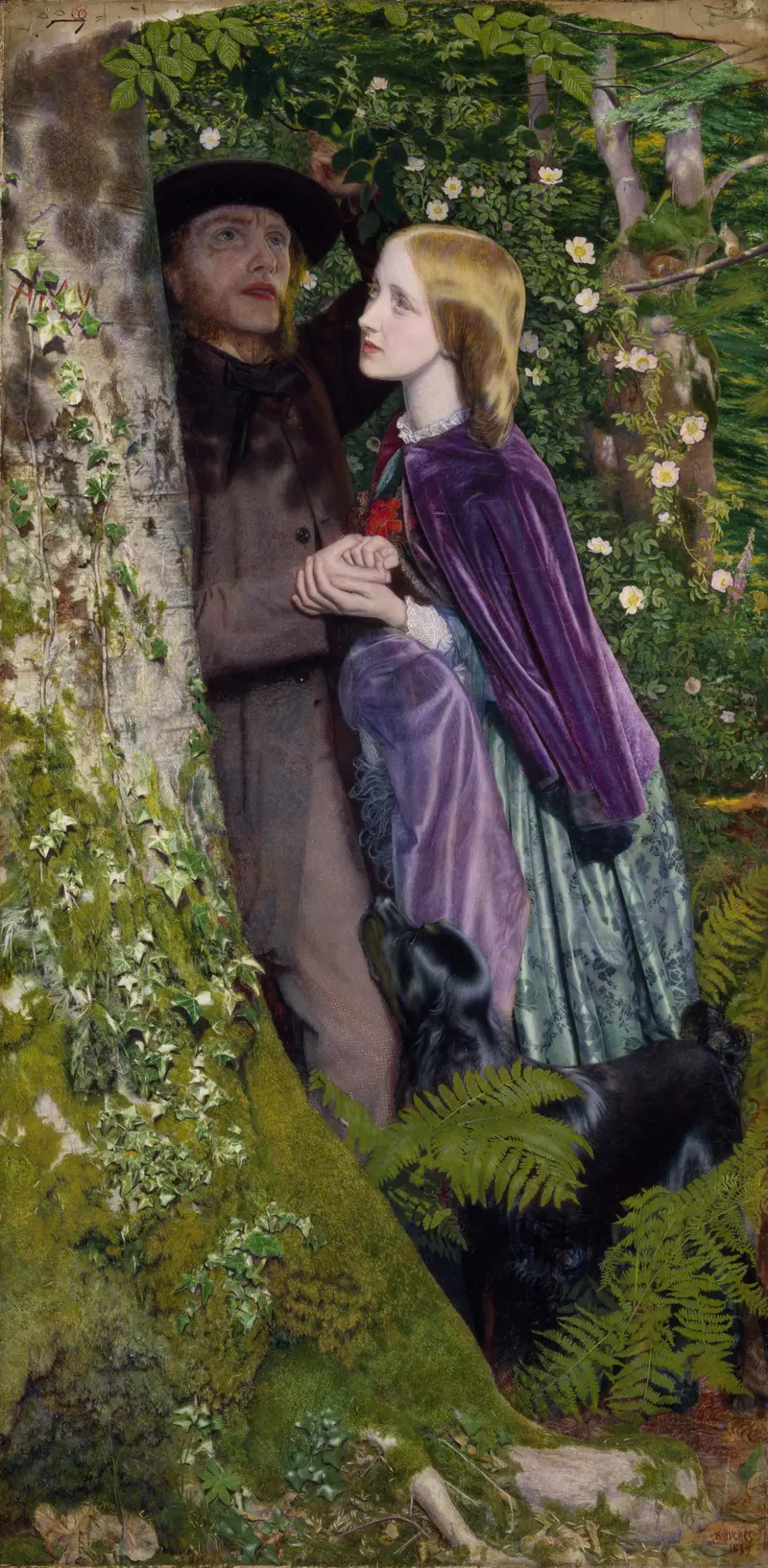
The Long Engagement
Arthur Hughes
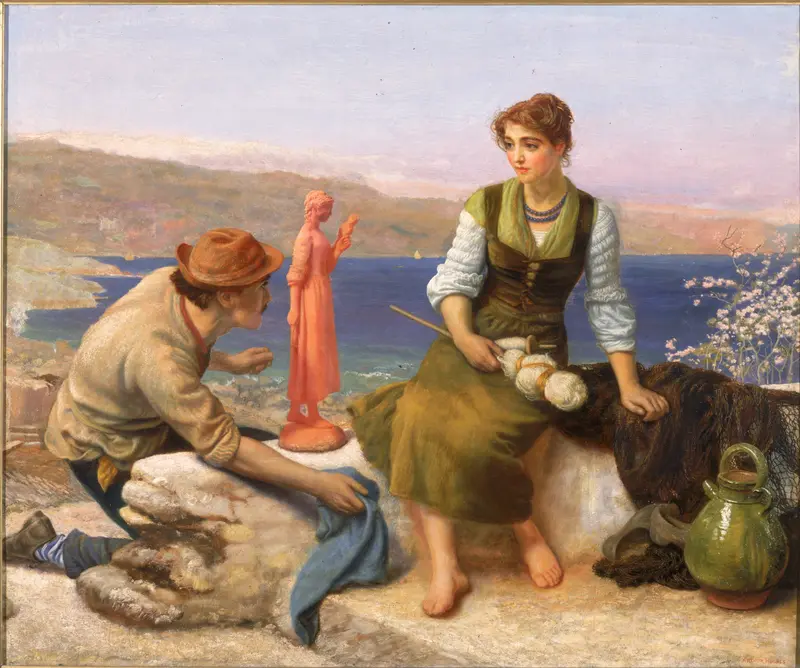
The Potter's Courtship
Arthur Hughes
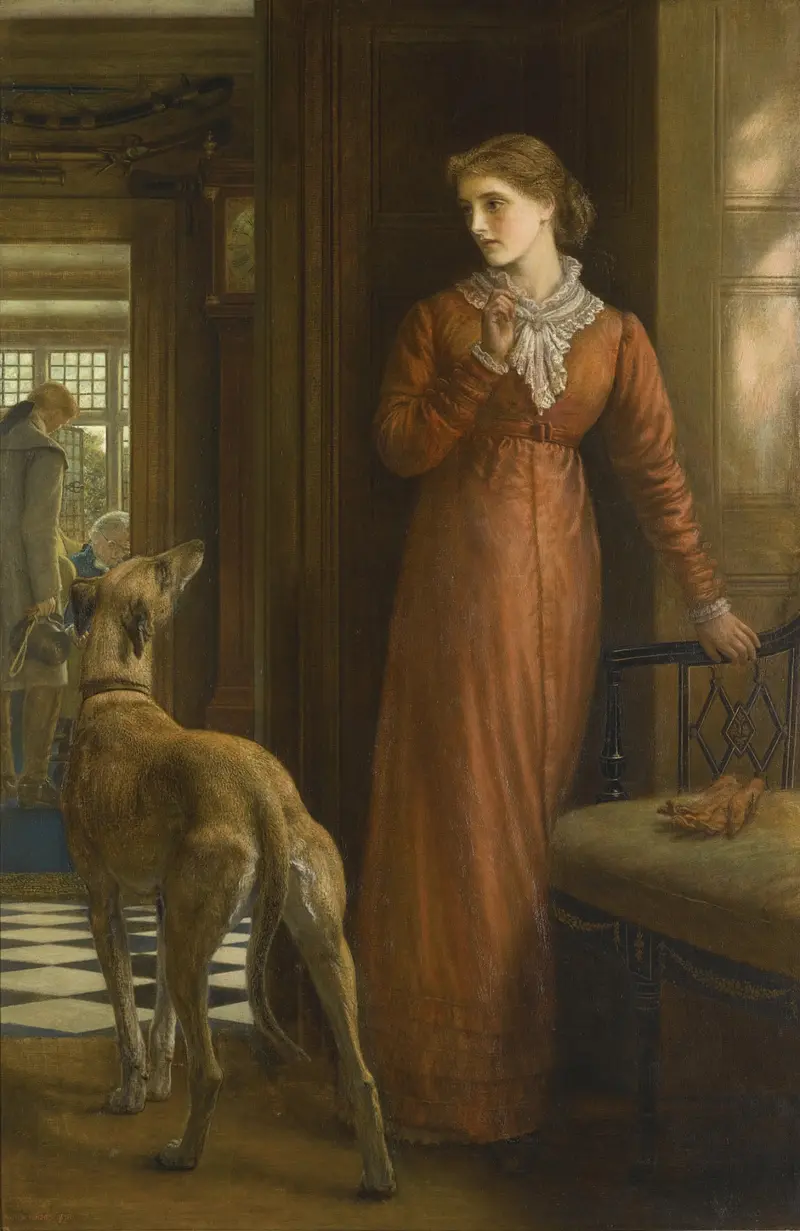
Uncertainty
Arthur Hughes
More Landscape Art

The Starry Night
Vincent van Gogh

View of Delft
Johannes Vermeer

Water Lilies
Claude Monet

The Grand Canal, Venice, looking north-west from the Ca' Corner to the Ca' Contarini degli Scrigni, with the campanile of Santa Maria della Carità
Canaletto

Windsor Castle
Canaletto

The Grand Canal looking North-East from the Palazzo Dolfin-Manin to the Rialto Bridge
Canaletto