
The Last Moments of Saint Mary Magdalene — History & Facts
Few paintings by Sandro Botticelli have inspired as much speculation as The Last Moments of Saint Mary Magdalene, completed in 1491. Unlike his celebrated mythologies, this work delves into the final hours of a saint whose life was a subject of fascination and controversy in Renaissance Florence. The painting’s medium remains a mystery, as no surviving documentation records whether Botticelli worked in tempera or oil—an unusual uncertainty for a work of this period.
Scholars have long debated whether the painting was commissioned for a private chapel or a lay confraternity, but no definitive patron has been identified. At the heart of the scene, Mary Magdalene reclines on a simple bed, her hands clasped in prayer, eyes lifted toward a shaft of golden light breaking through the darkened room. Around her, three women—often interpreted as penitents or angels—offer comfort, their gestures gentle but urgent. The Magdalene’s loose hair, a symbol of her repentance, spills across the linen, while a skull at the bedside reminds viewers of mortality.
Botticelli’s use of light isolates the saint from her companions, suggesting her imminent passage from earthly suffering to spiritual peace. This intimate, almost theatrical staging contrasts with the more public, narrative approach seen in Titian’s later depictions of the Magdalene, where the saint’s penitence is displayed in wild landscapes rather than a hushed interior. The painting’s early history is obscure, with no mention in Medici inventories or Florentine church records. It surfaced in the 19th century in a private Italian collection, attributed variously to Botticelli and his workshop before consensus settled on the master’s hand, based on stylistic parallels with his late religious works.
Today, The Last Moments of Saint Mary Magdalene remains in private hands, rarely exhibited, and its uncertain provenance continues to intrigue art historians. Within Botticelli’s career, the work stands apart for its somber mood and psychological depth, marking a departure from the decorative elegance of his mythological scenes and reflecting the shifting spiritual climate of late 15th-century Florence.
More Artworks by Sandro Botticelli
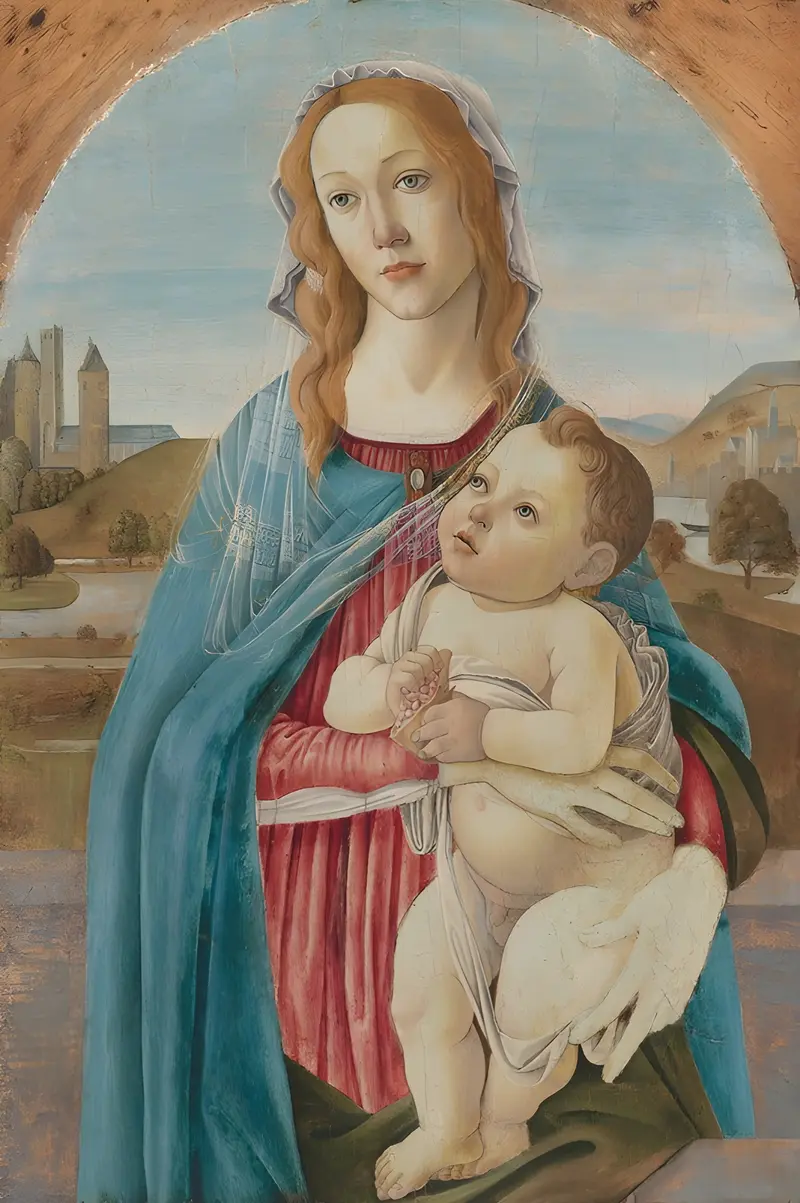
Virgin and Child
Sandro Botticelli
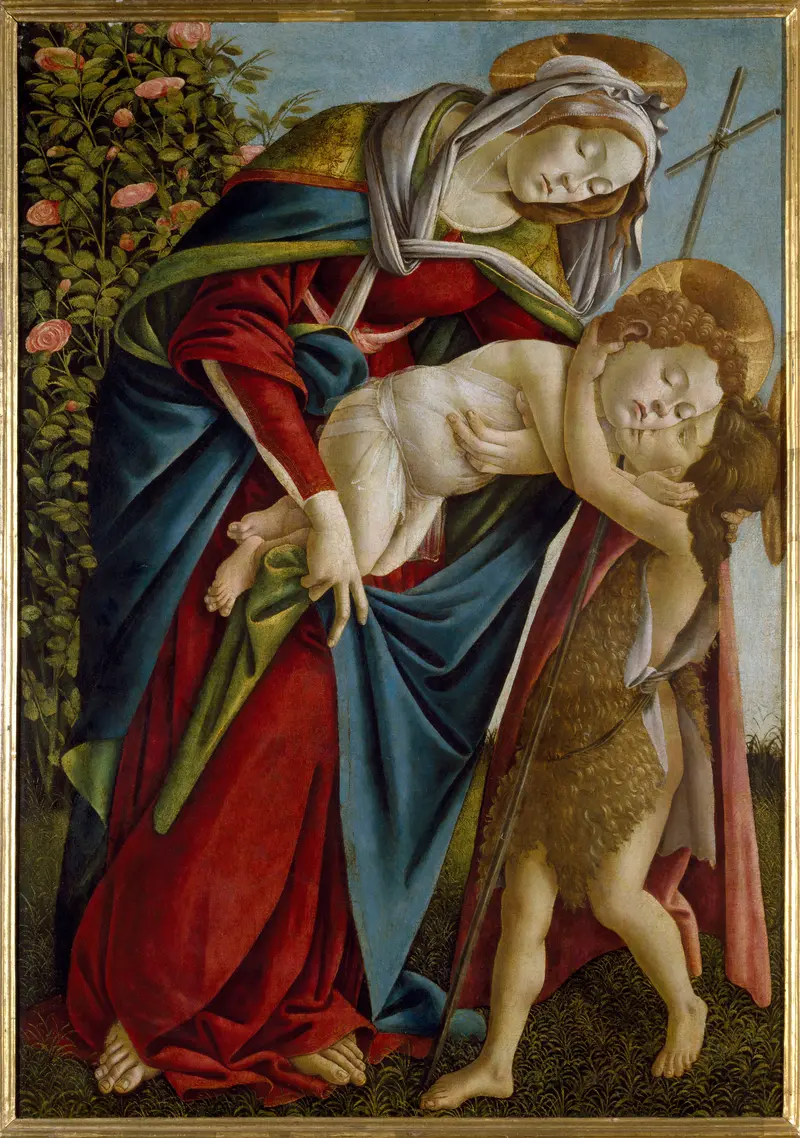
Madonna and Child and the Young St John the Baptist
Sandro Botticelli
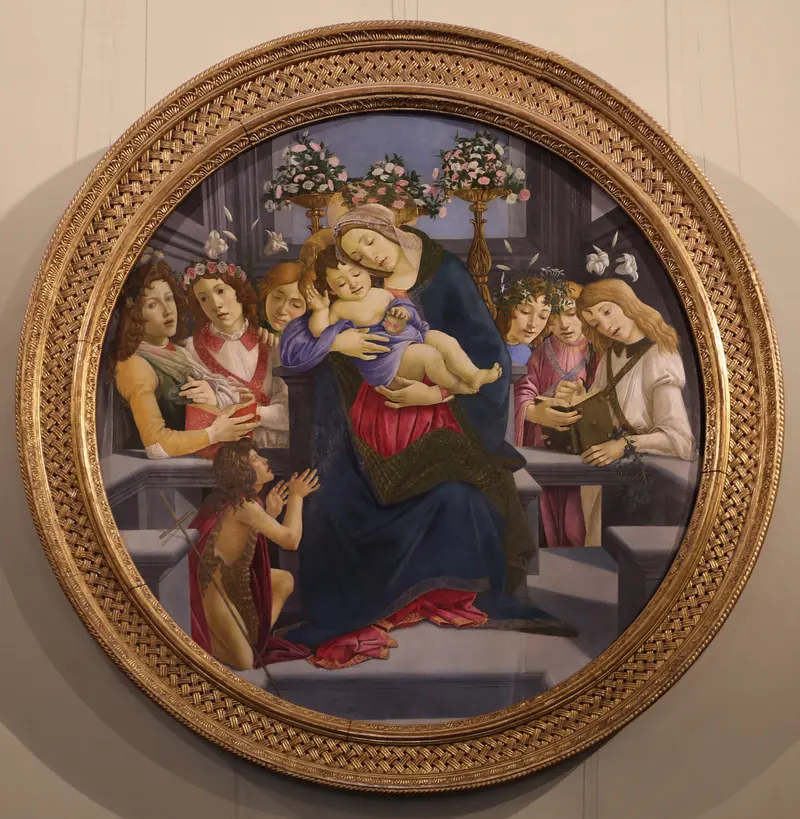
Madonna and Child with six angels and Saint John the Baptist as Child
Sandro Botticelli
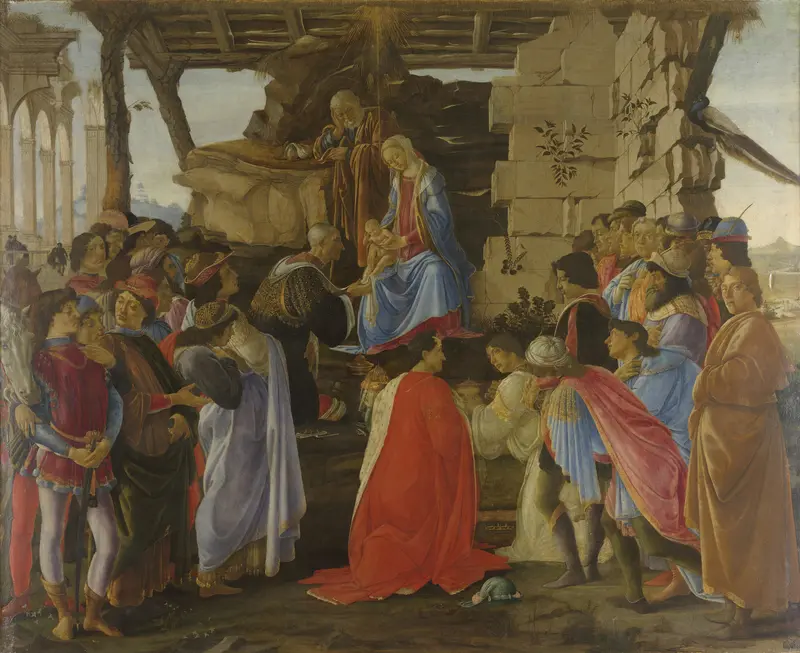
Adoration of the Magi
Sandro Botticelli

Virgin and Child with the Young Saint John the Baptist
Sandro Botticelli
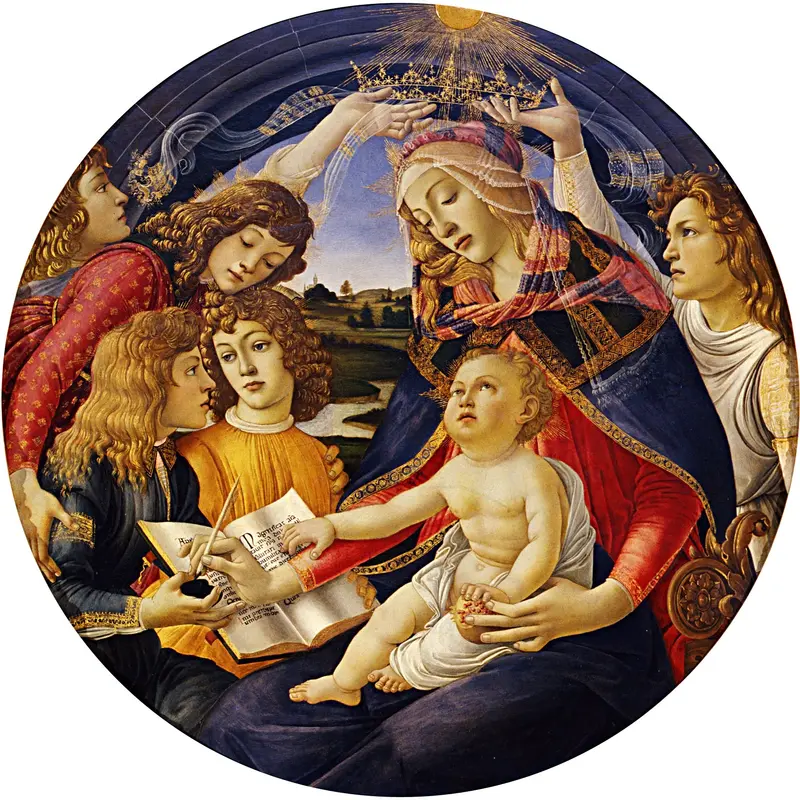
Madonna of the Magnificat
Sandro Botticelli
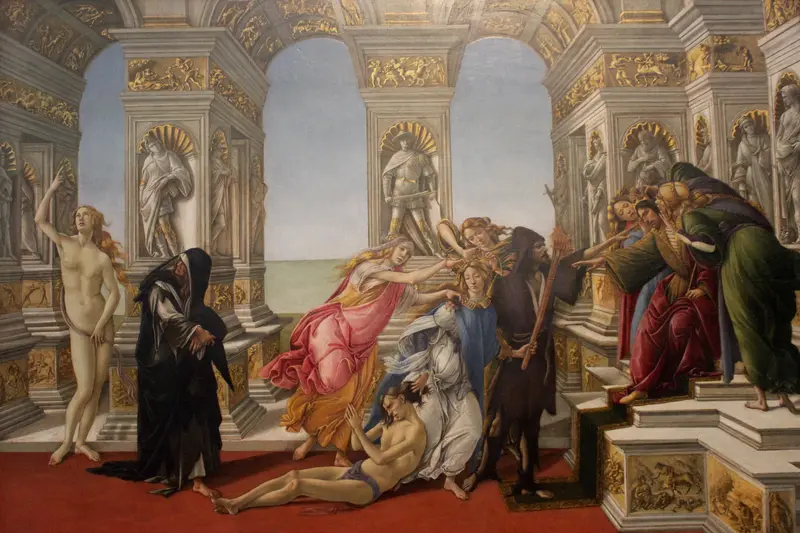
Calumny of Apelles
Sandro Botticelli
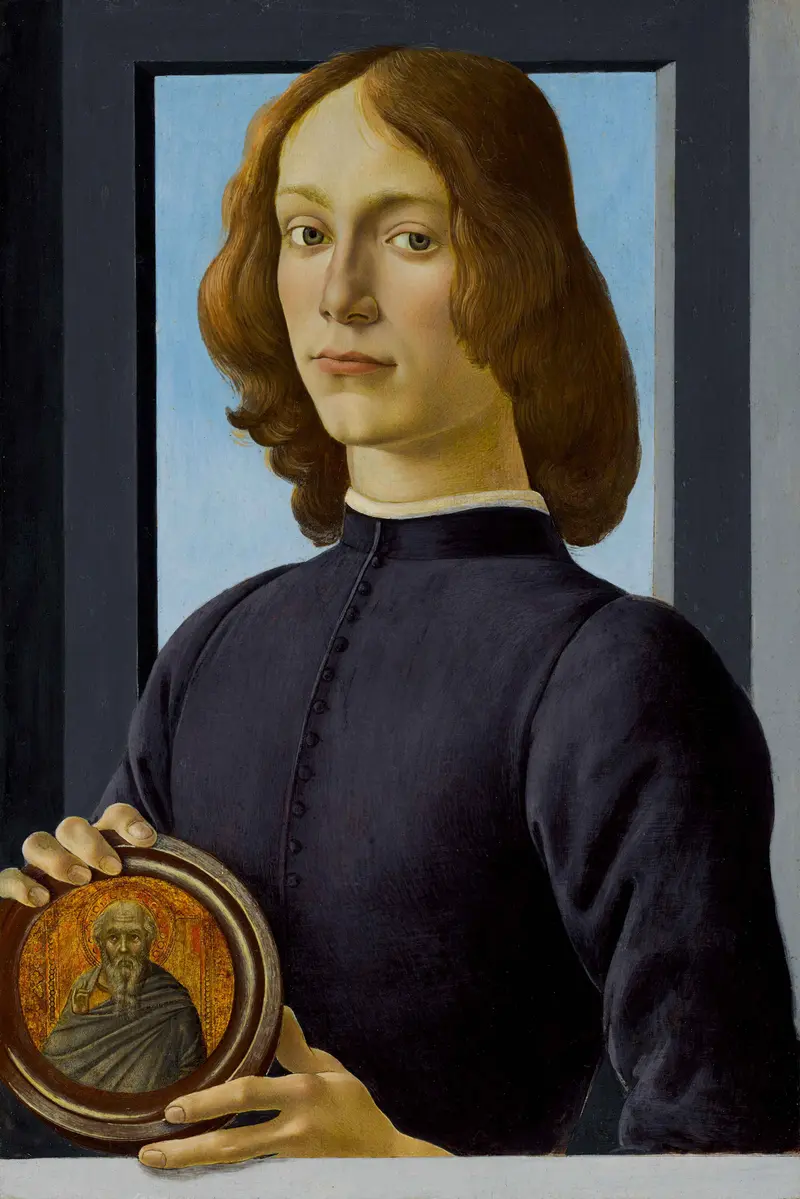
Portrait of a young man holding a roundel
Sandro Botticelli

The Trinity with Saint Mary Magdalene and Saint John the Baptist, the Archangel Raphael and Tobias
Sandro Botticelli
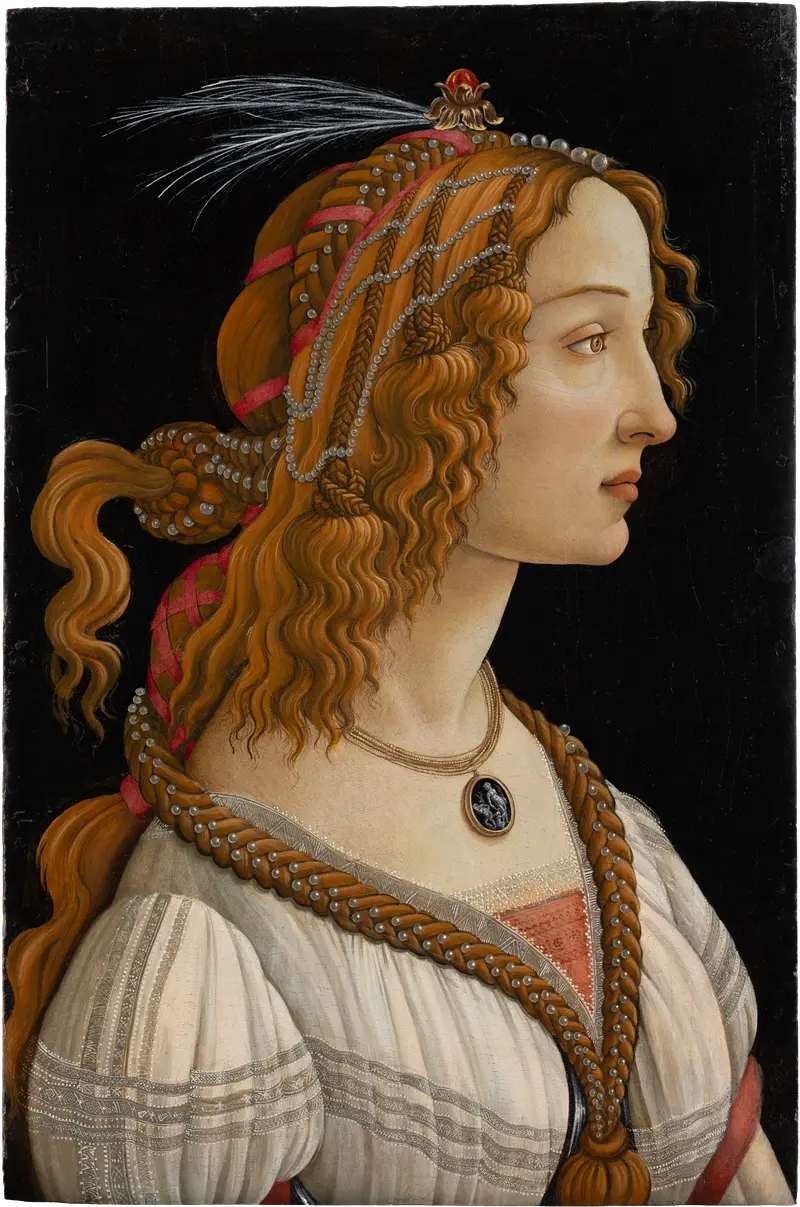
Idealized Portrait of a Lady (Portrait of Simonetta Vespucci as Nymph)
Sandro Botticelli





