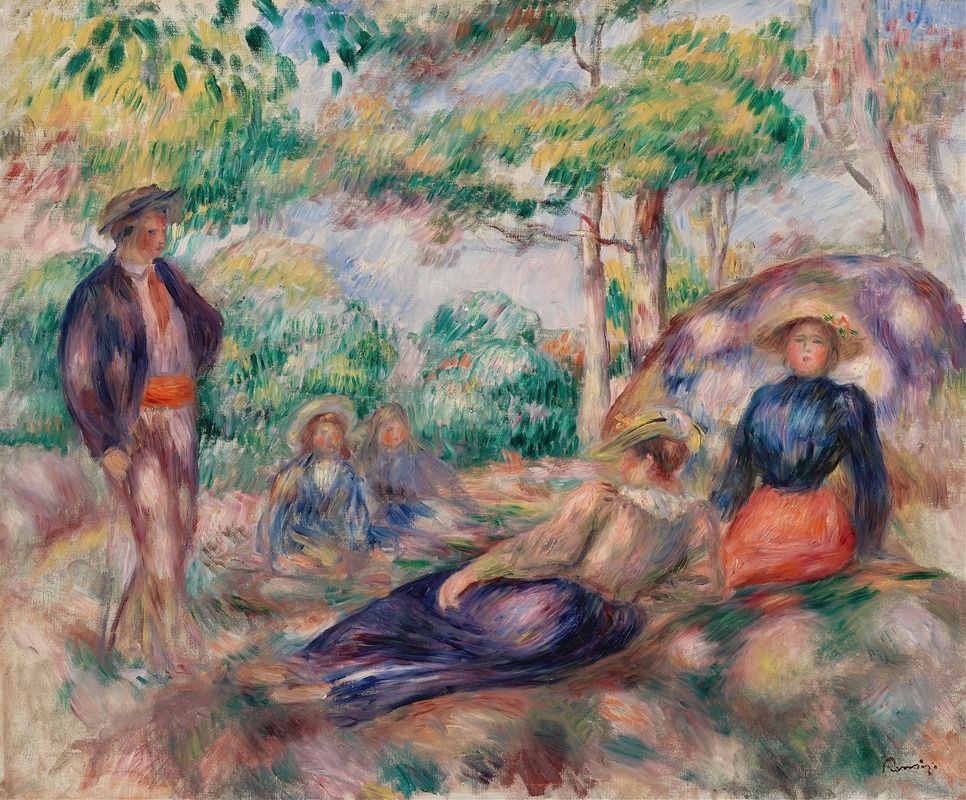
Discover insights about this artwork
The Little Shepherdess — History & Facts
In The Little Shepherdess, Jean-François Millet presents a young girl tending to her flock of sheep. The colors are soft and earthy, dominated by greens and browns that evoke a sense of tranquility. The setting is a rural landscape, with gentle hills and a clear sky, suggesting a peaceful day in the countryside.
The shepherdess, dressed in simple clothing, embodies the spirit of rural life. The painting is created using oil on canvas, a common medium for Millet. The brushwork is loose yet deliberate, capturing the texture of the girl's clothing and the wool of the sheep. The composition is balanced, with the shepherdess positioned slightly off-center, drawing the viewer's eye through the scene.
The dimensions are approximately 60 x 80 cm, making it a medium-sized work. Jean-François Millet was a key figure in the Realism movement, focusing on the lives of peasants and rural workers. The Little Shepherdess reflects his commitment to portraying the dignity of labor and the beauty of everyday life. Interestingly, this work was created during a time when industrialization was rapidly changing the landscape of France, highlighting the contrast between urban and rural life.
Millet's focus on pastoral themes remains influential in art history.
More Artworks by Jean-François Millet

Gleaners
Jean-François Millet

Starry Night
Jean-François Millet
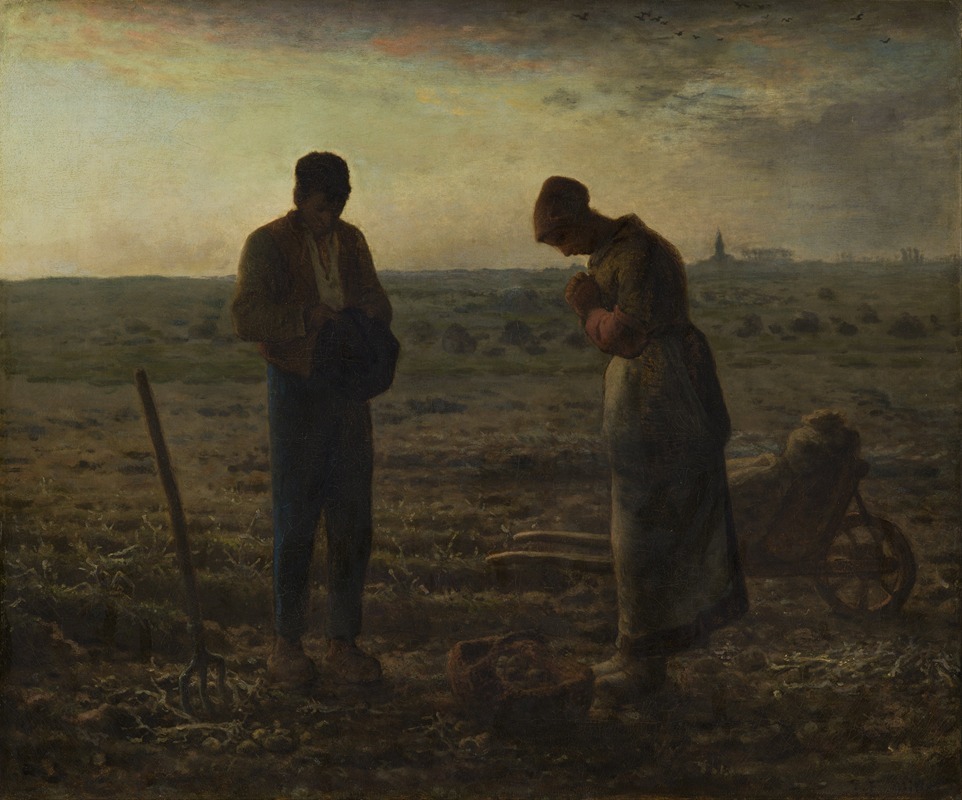
The Angelus
Jean-François Millet
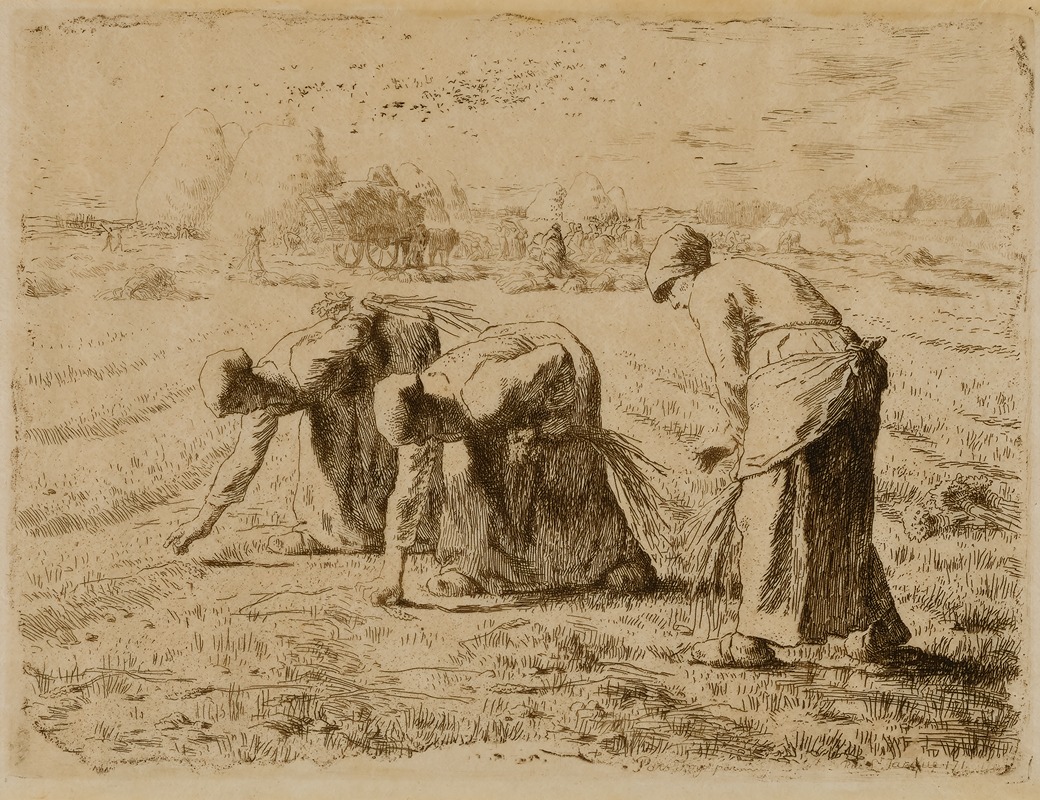
The Gleaners
Jean-François Millet
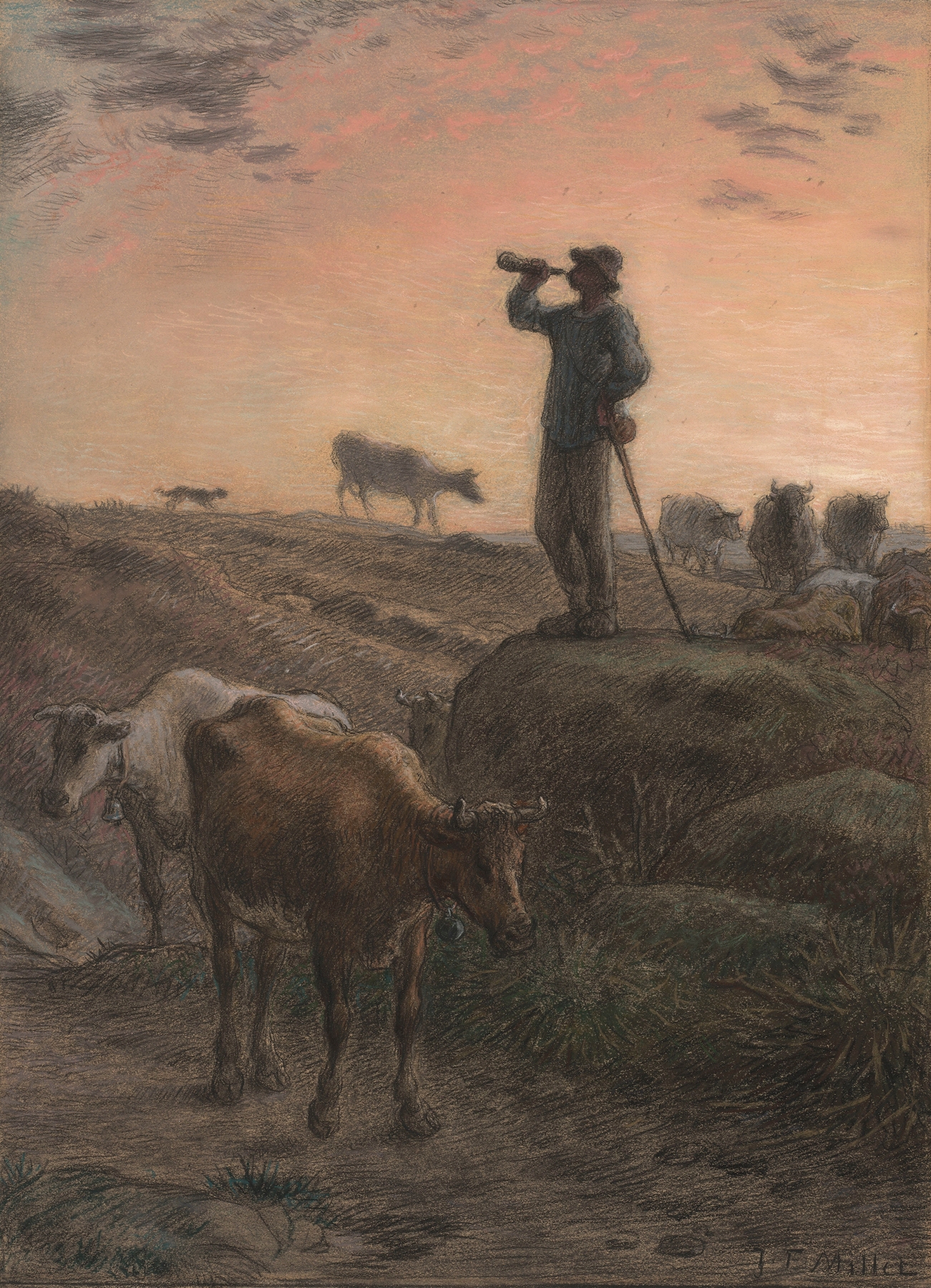
Calling Home the Cows
Jean-François Millet
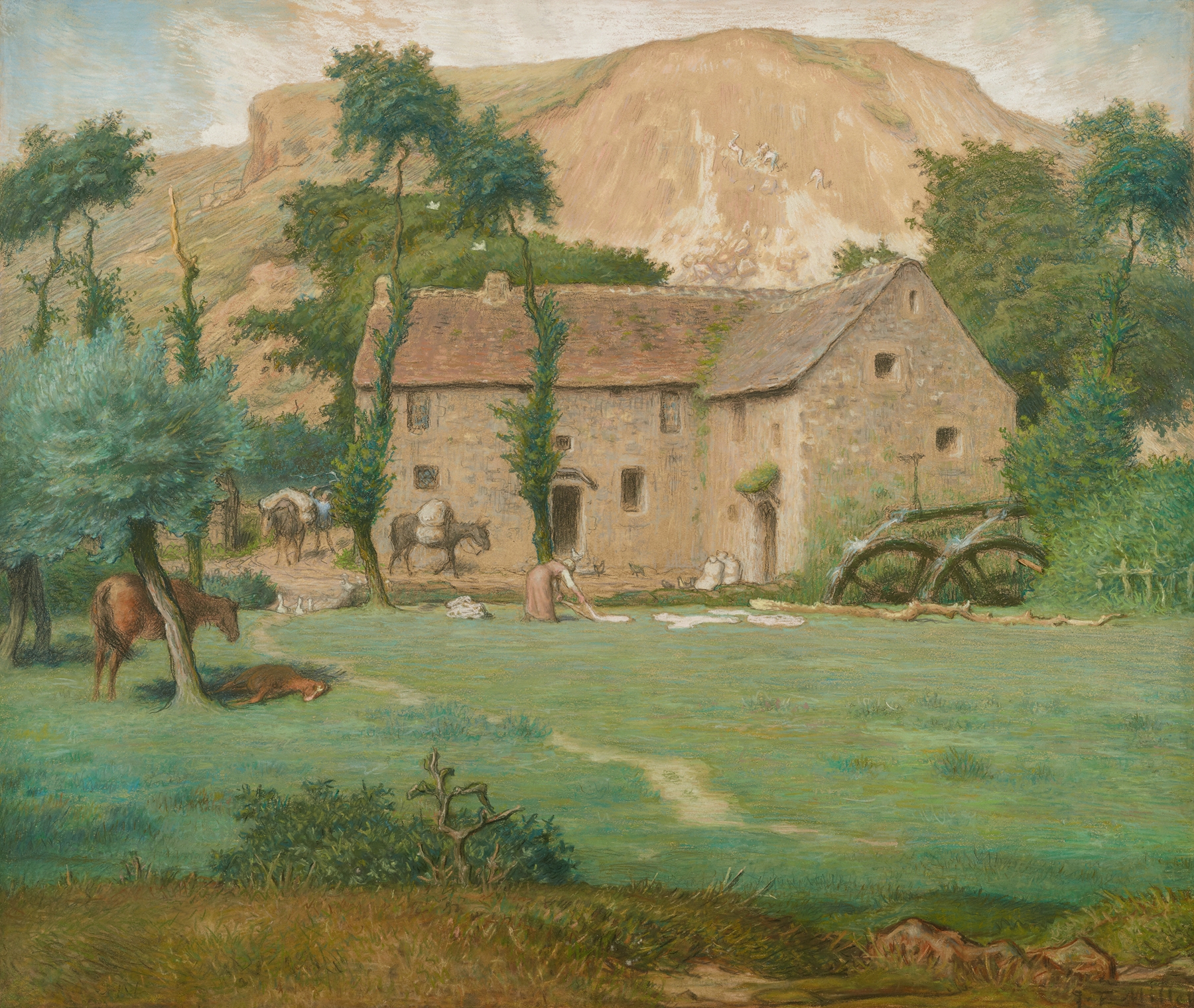
Watermill at the Foot of a Mountain, Allier
Jean-François Millet
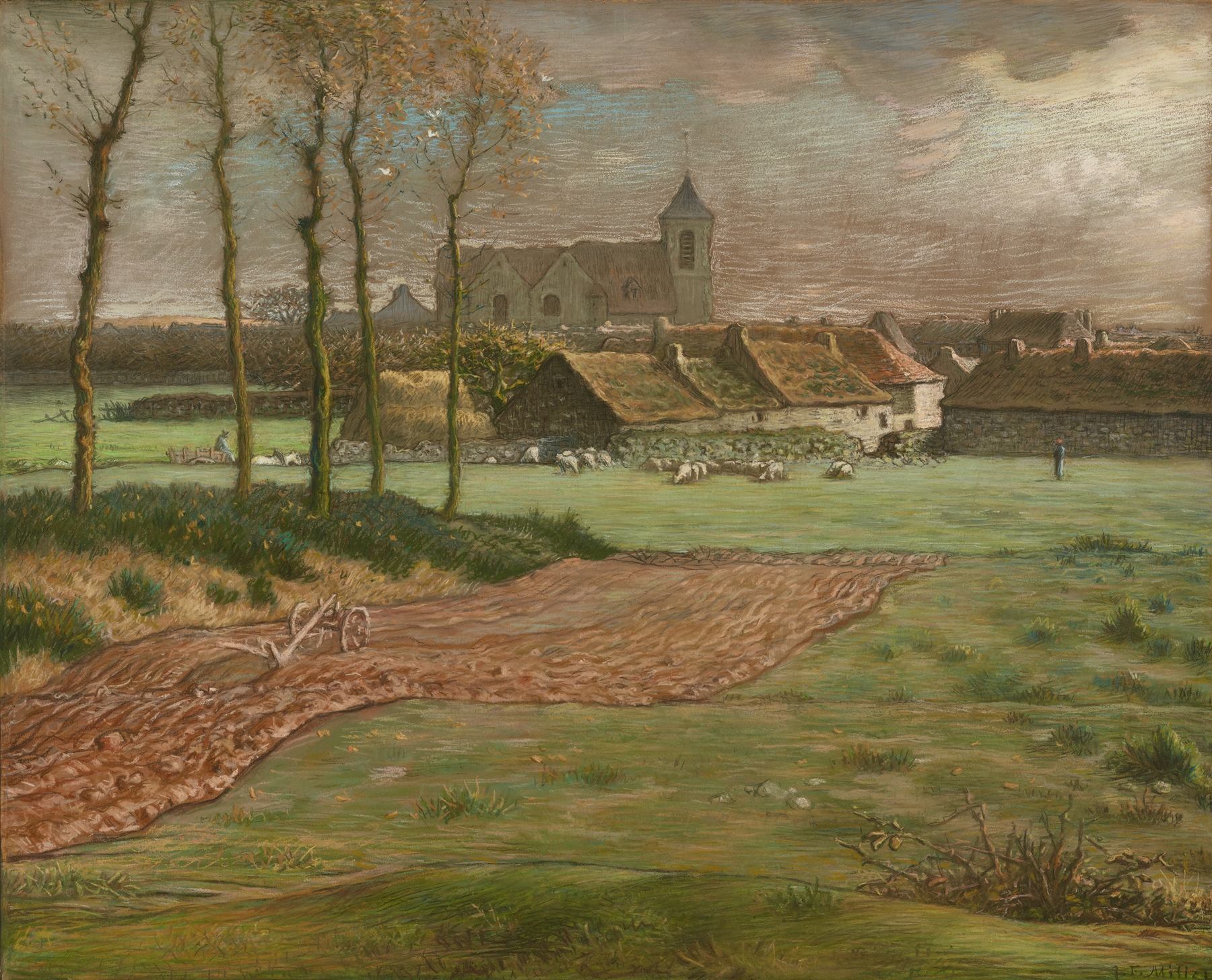
The Church at Chailly
Jean-François Millet
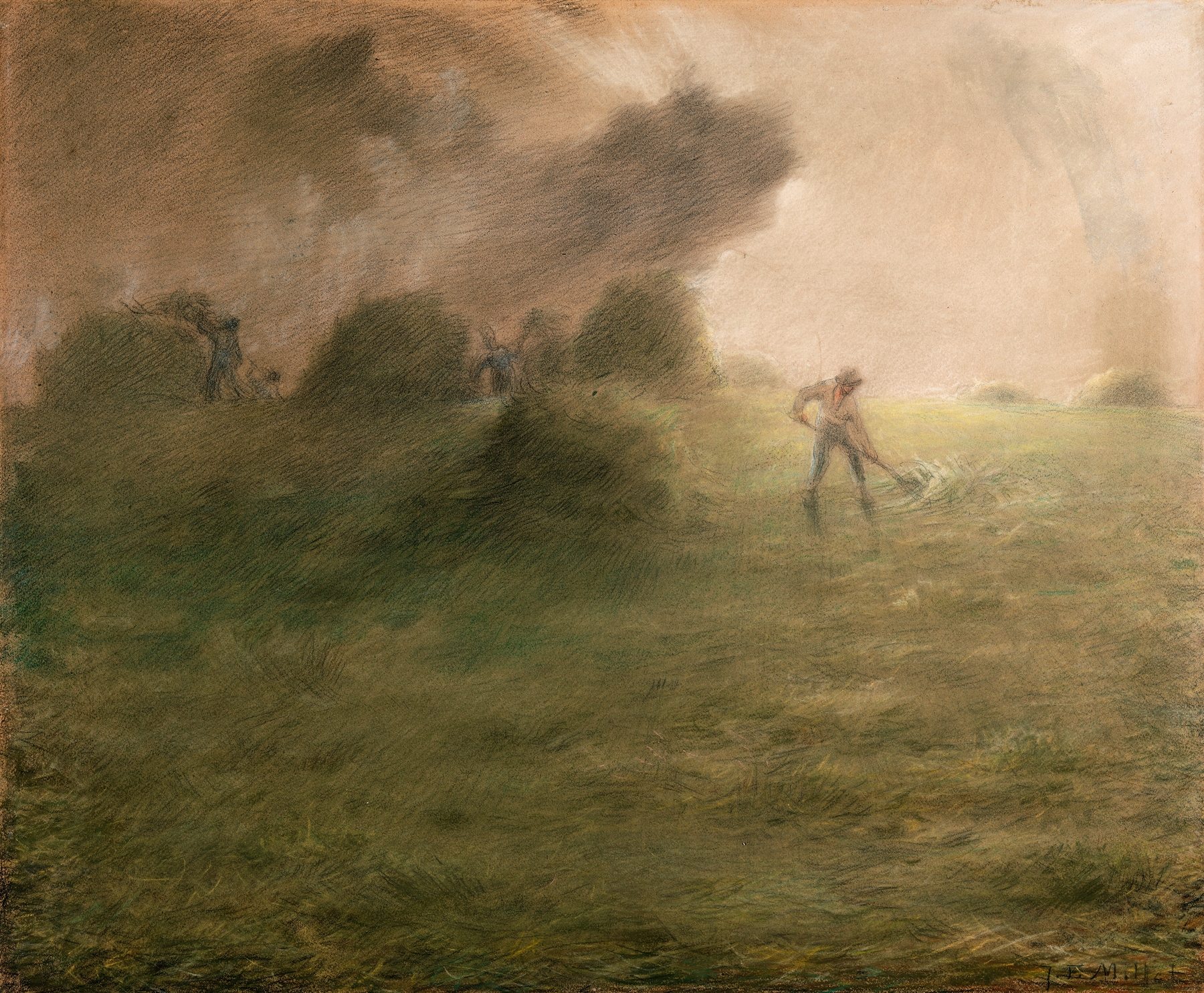
A Storm during Haymaking
Jean-François Millet
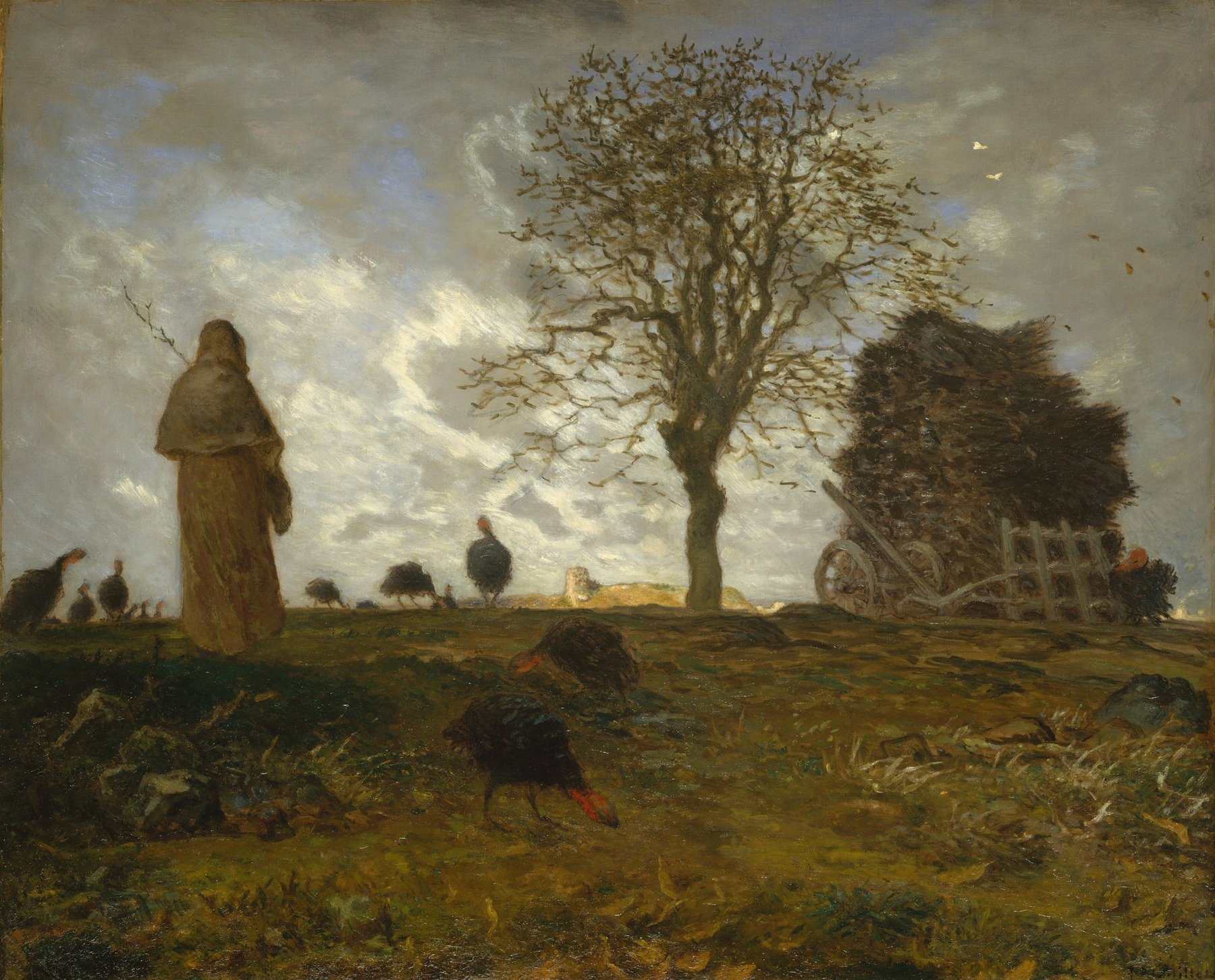
Autumn Landscape with a Flock of Turkeys
Jean-François Millet
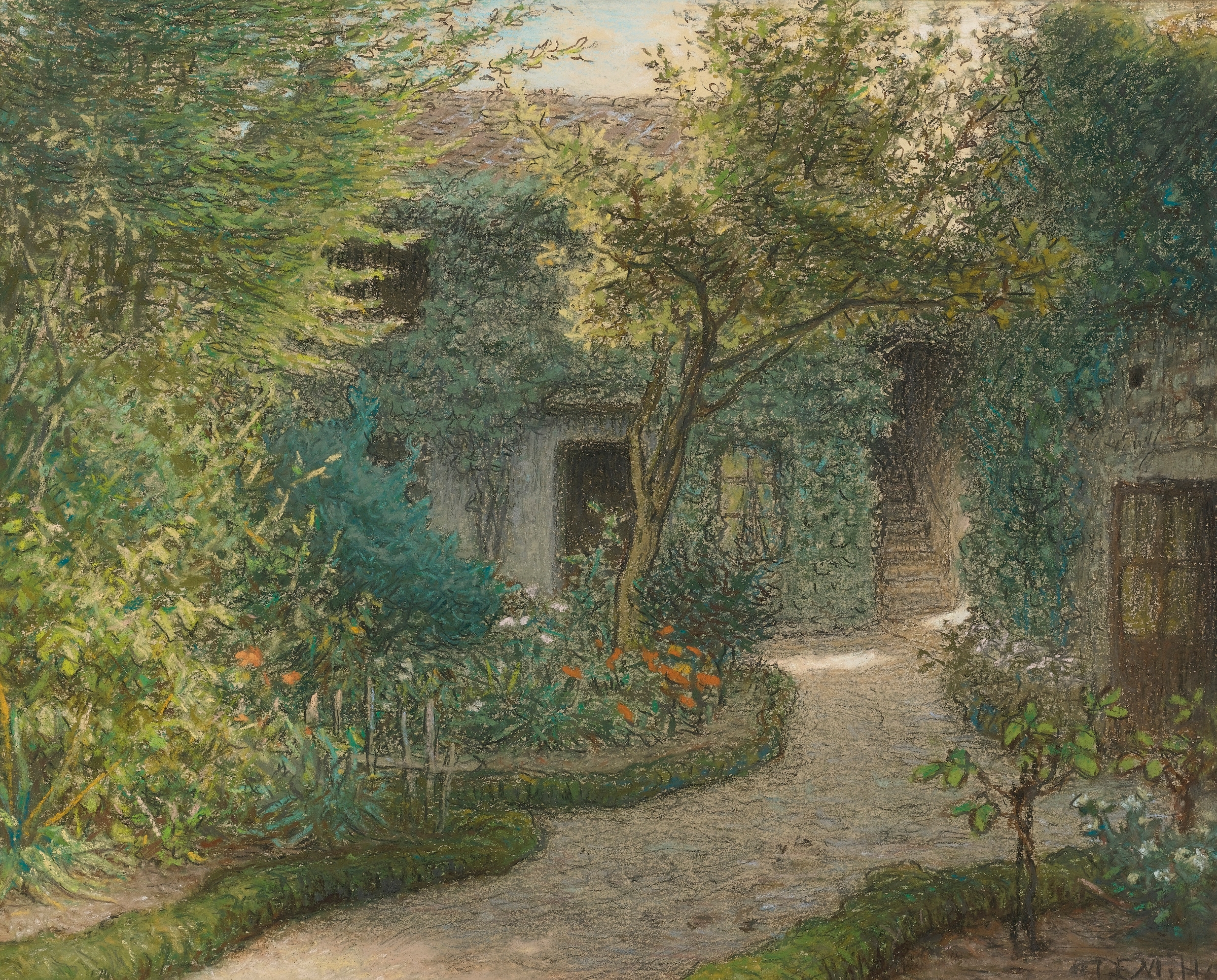
Théodore Rousseau’s House In Barbizon
Jean-François Millet