
The Lonely Farm, Nantucket — History & Facts
In the quiet embrace of an open landscape, the echoes of solitude unveil whispers of rebirth. In The Lonely Farm, Nantucket, an artist captures the essence of renewal and introspection, urging us to reflect on the profound stillness that accompanies the cycle of life. Focus first on the vast expanse of the softly painted field, where muted greens and browns blend harmoniously under a dimming sky. The gentle strokes depict a weathered farmhouse nestled against the horizon, drawing your gaze to the interplay between structure and nature.
Notice how the light filters through the clouds, casting delicate shadows that dance across the land, evoking a sense of time suspended. Each brushstroke conveys a harmony of texture, suggesting both decay and the promise of new beginnings. Amidst the silence, deeper emotions unfold—a tension between isolation and the hopeful anticipation of growth. The dilapidated farmhouse stands as a symbol of resilience, its crumbling walls inviting contemplation about the passage of time.
The surrounding fields, though barren, teem with potential; they hold within them the secrets of rebirth, a reminder that even in solitude, life’s cycles continue. This interplay between neglect and rejuvenation resonates with a universal truth: from the remnants of the past, new life can emerge. In 1892, George Inness painted this evocative scene during a period marked by his deepening spiritual exploration. Living in the United States, he was influenced by the transcendental movement, seeking to capture the sublime essence of nature.
This artwork reflects his commitment to portraying the emotional landscape, drawing viewers into a contemplative dialogue about existence and renewal at a time when industrialization threatened the pastoral ideal.
More Artworks by George Inness
Browse all →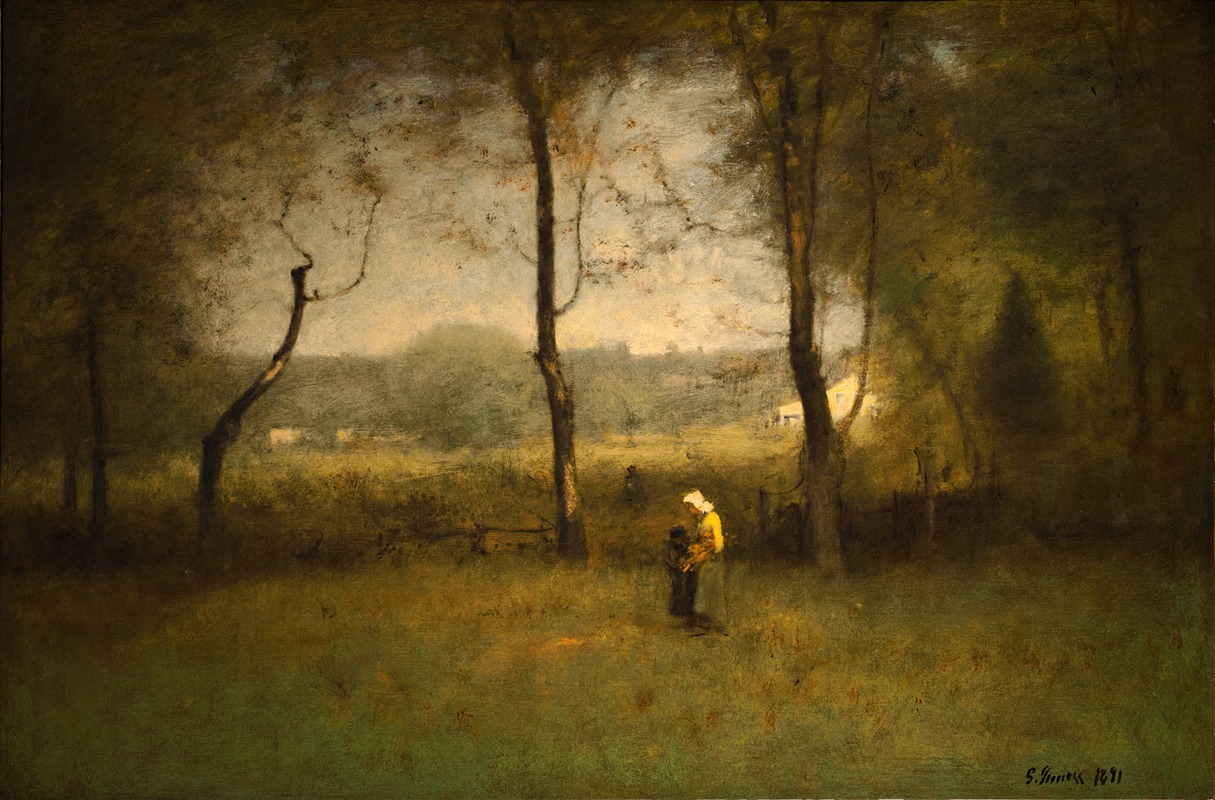
Autumn Woods
George Inness
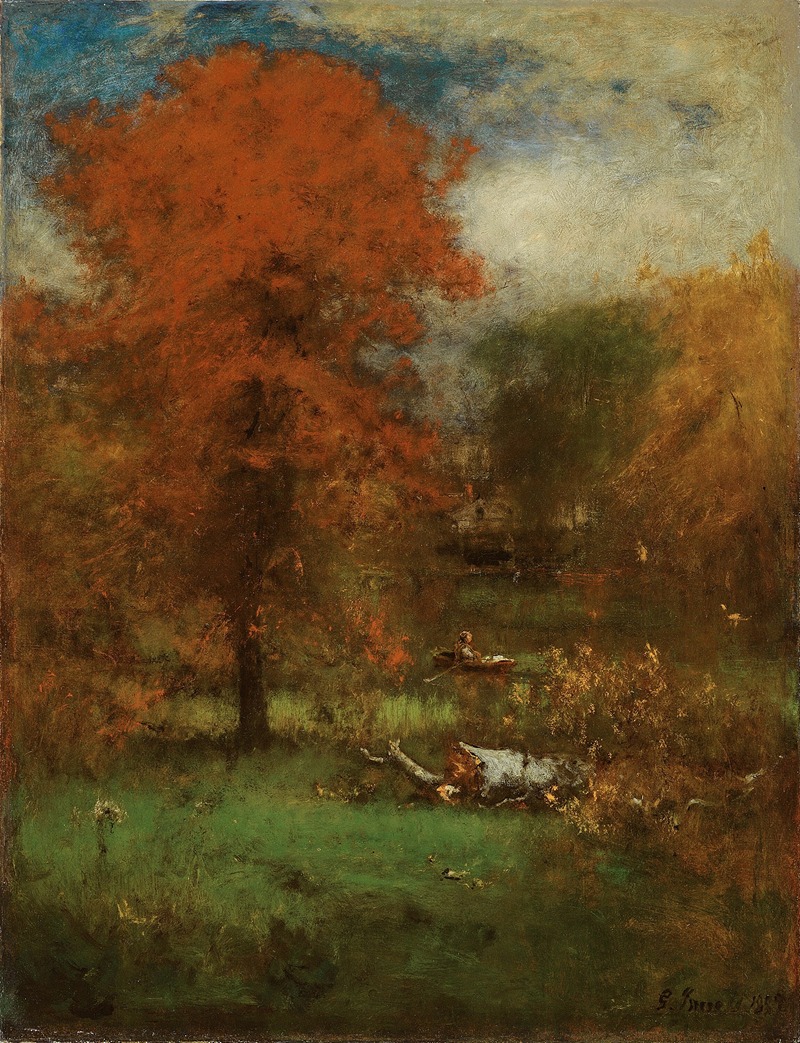
The Mill Pond
George Inness
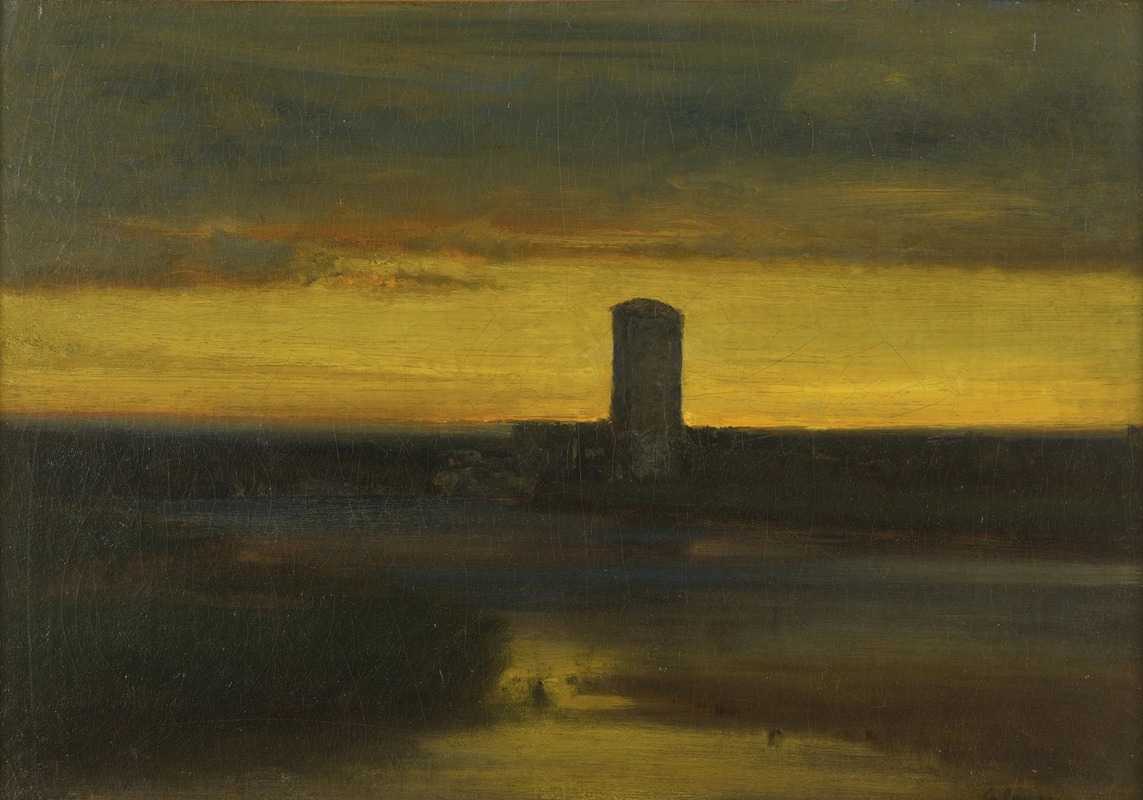
Afterglow
George Inness
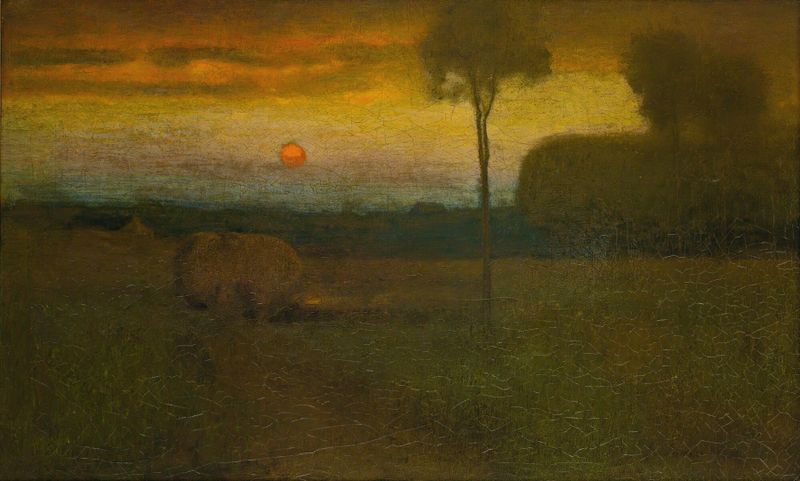
Landscape (Evening Landscape)
George Inness

Montclair
George Inness

View in Berkshire County, Massachusetts, Clearing Off after a September Storm
George Inness

October
George Inness
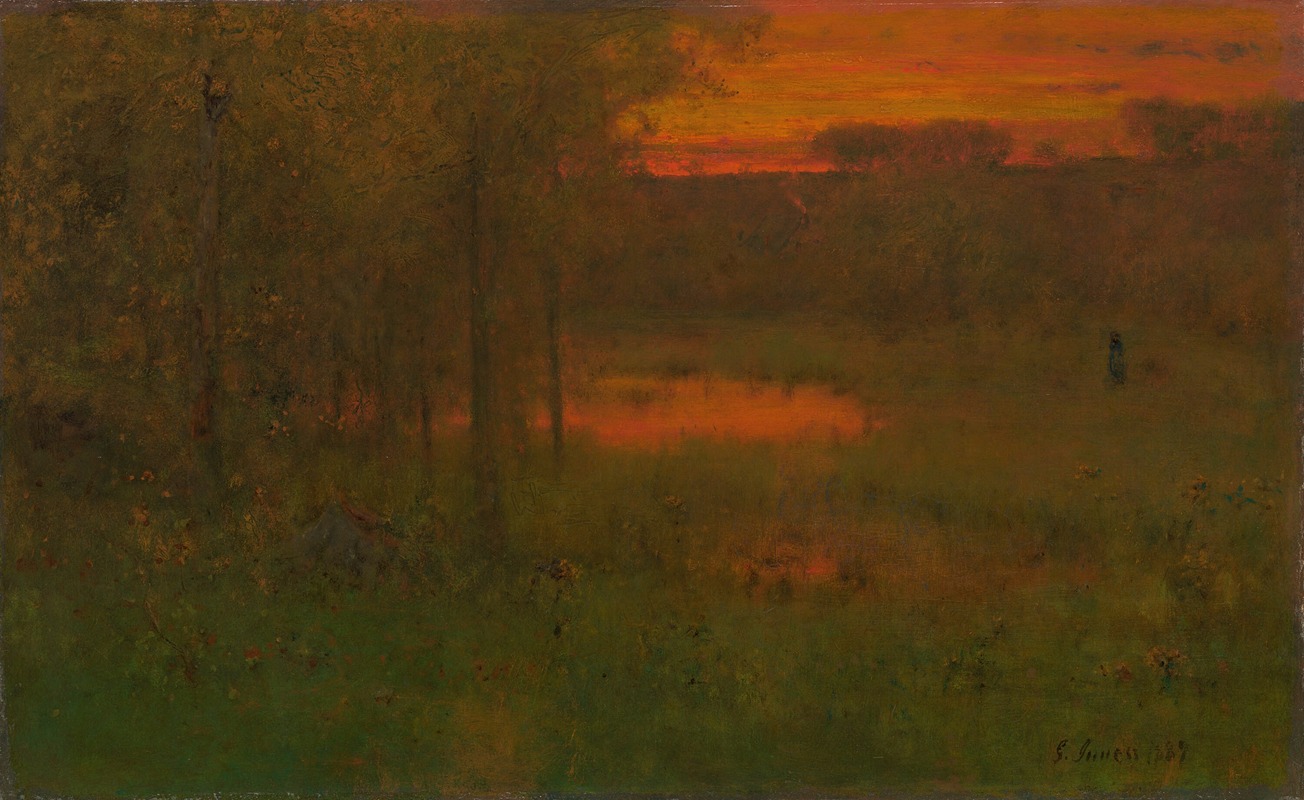
Landscape, Sunset
George Inness
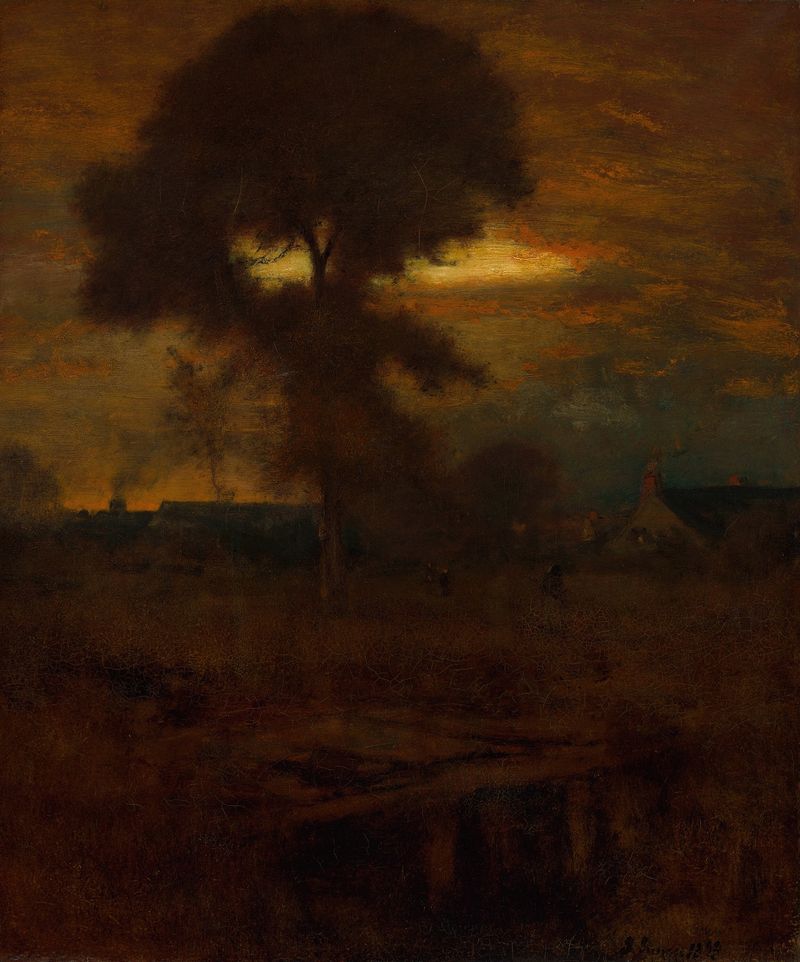
Afterglow
George Inness
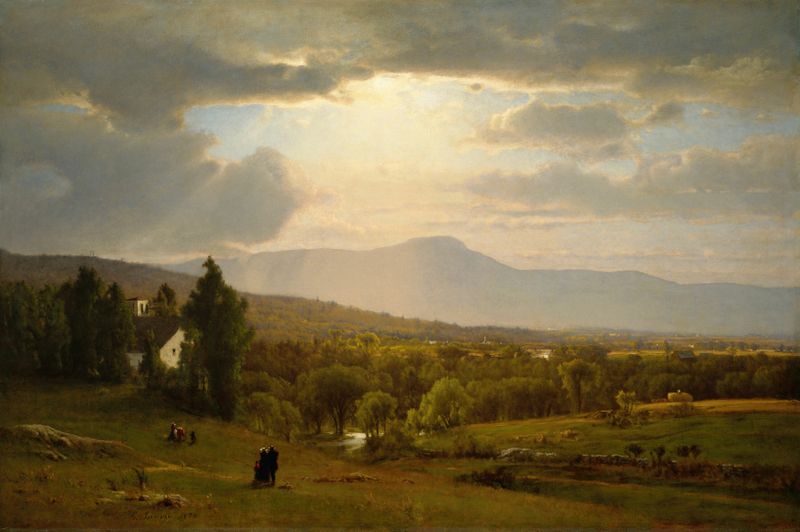
Catskill Mountains
George Inness





