
The Lonely Farm, Nantucket — History & Facts
Could beauty survive in a century of chaos? The question lingers in the air as we gaze upon the tranquil landscape framed by the gentle brushstrokes of a master. Look to the soft blues and greens that dominate the canvas, guiding your eyes toward the distant horizon where sky meets land. The serene farmhouse, nestled amidst lush grasses, stands as a testament to solitude, while pools of light dance across the surface of the landscape. Notice how Inness employs a delicate interplay of shadow and light, with the muted tones evoking a sense of calm, yet hinting at an emotional weight beneath the surface. In this painting, the stillness belies the tension of longing and abandonment.
The farmhouse, though picturesque, appears isolated, evoking a sense of yearning for connection amid the wild beauty of nature. The contrast between the vibrant greens and the subdued palette creates a sense of nostalgia, suggesting a world in transition — one that carries both desire and melancholy, reflecting the artist's own contemplative spirit. In 1892, The Lonely Farm emerged from George Inness's brush during a time when American art was grappling with its identity and place in the world. Living in Montclair, New Jersey, he was deeply influenced by the Transcendentalist movement, which emphasized the spiritual connection between nature and humanity.
This painting epitomizes the culmination of his journey through landscape painting, merging realism with an emotional intensity that resonated with the turbulent changes of the era.
More Artworks by George Inness
Browse all →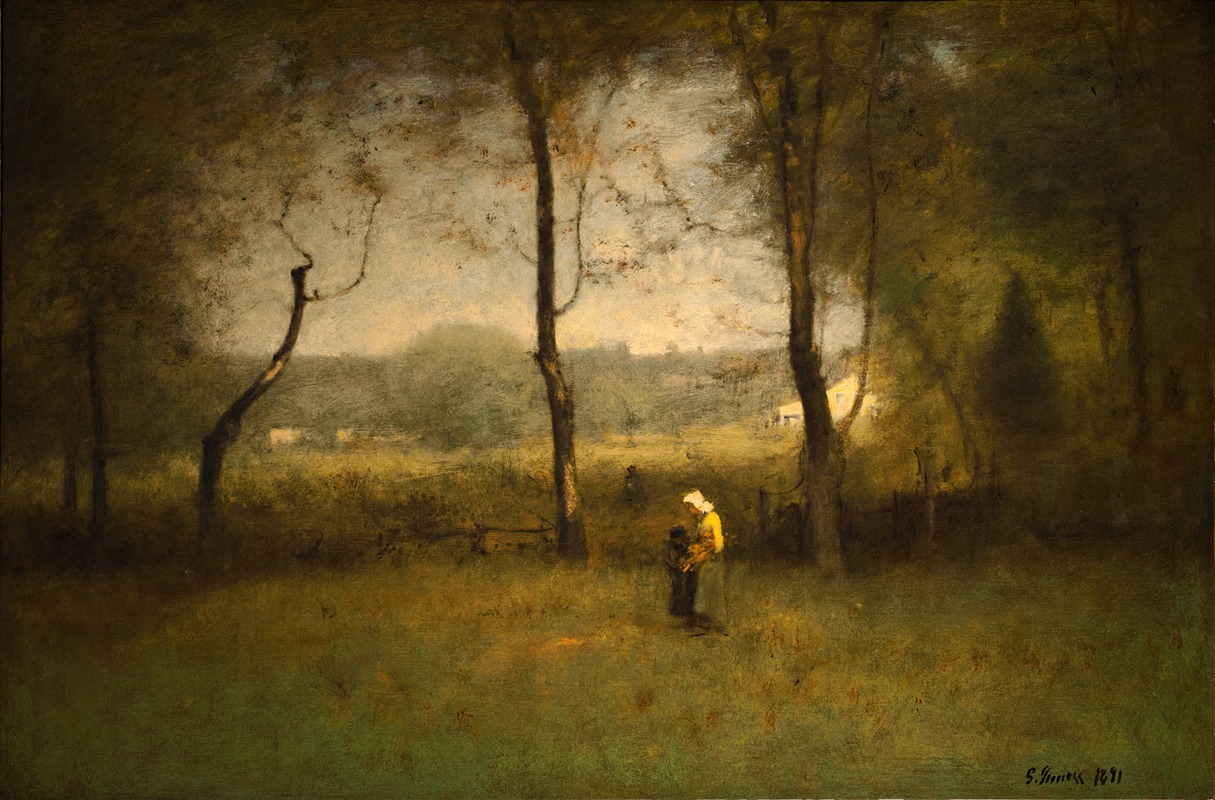
Autumn Woods
George Inness
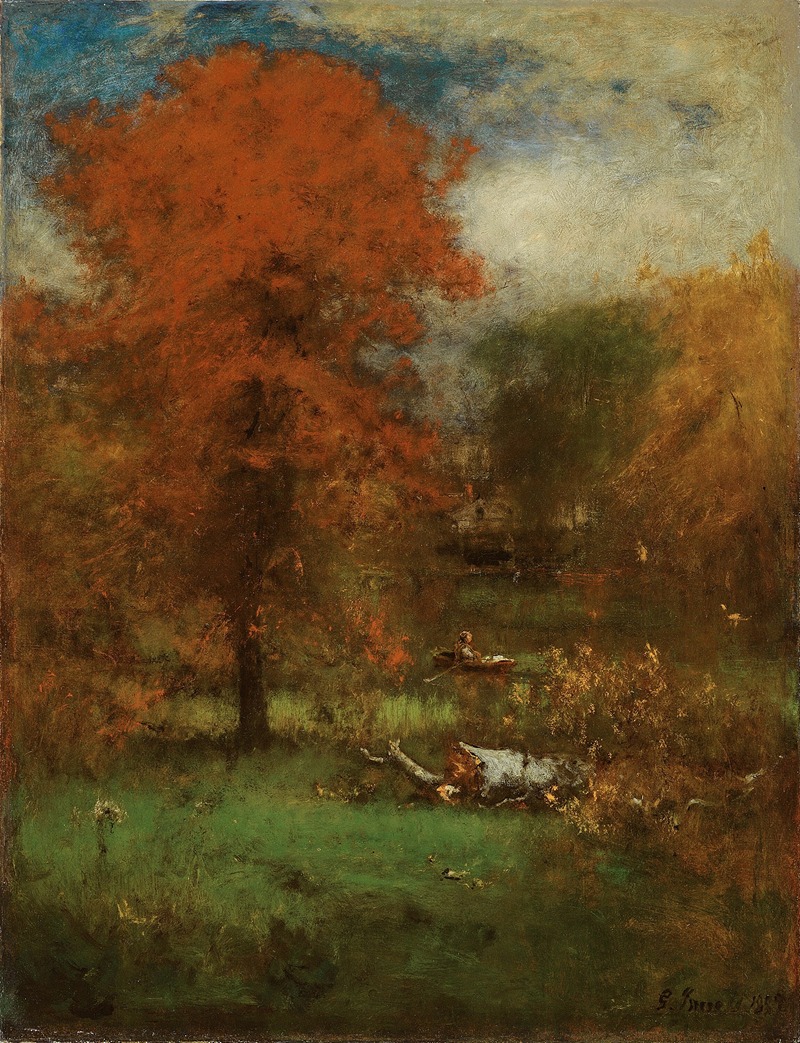
The Mill Pond
George Inness
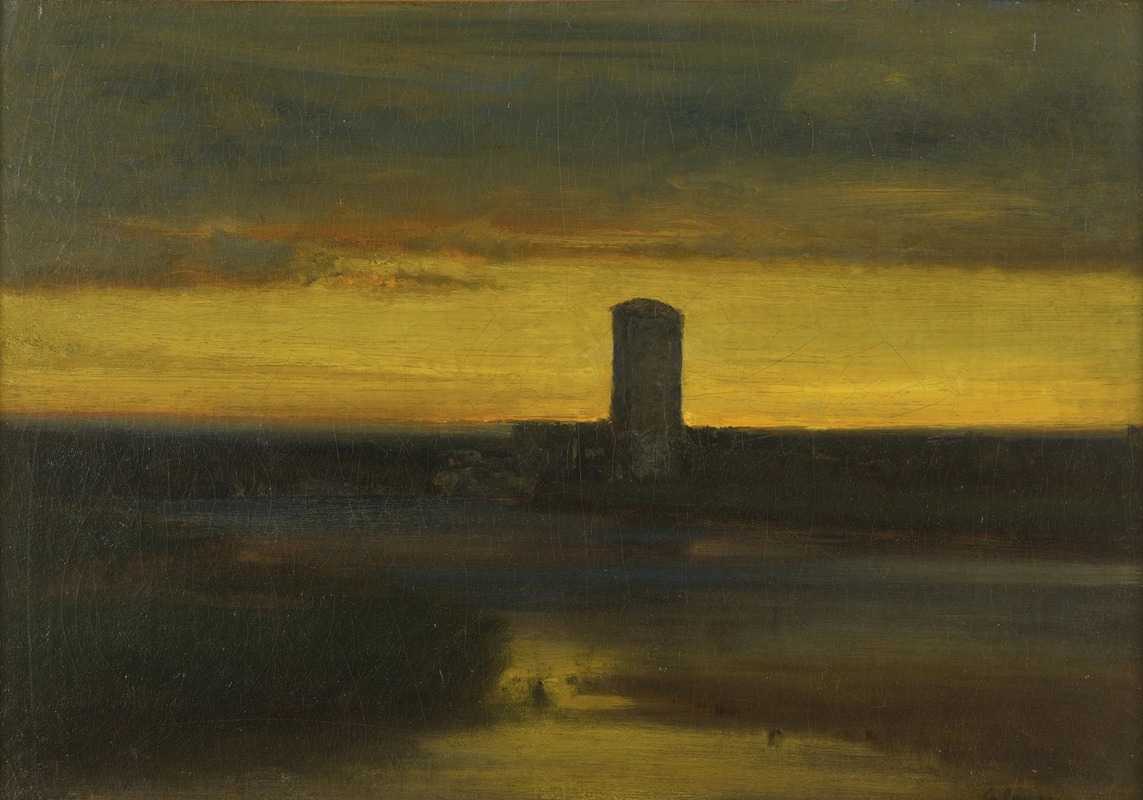
Afterglow
George Inness
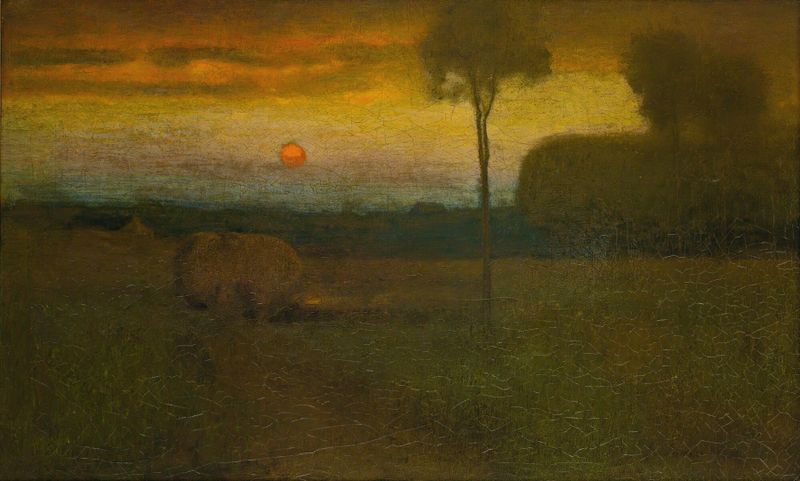
Landscape (Evening Landscape)
George Inness

Montclair
George Inness

View in Berkshire County, Massachusetts, Clearing Off after a September Storm
George Inness

October
George Inness
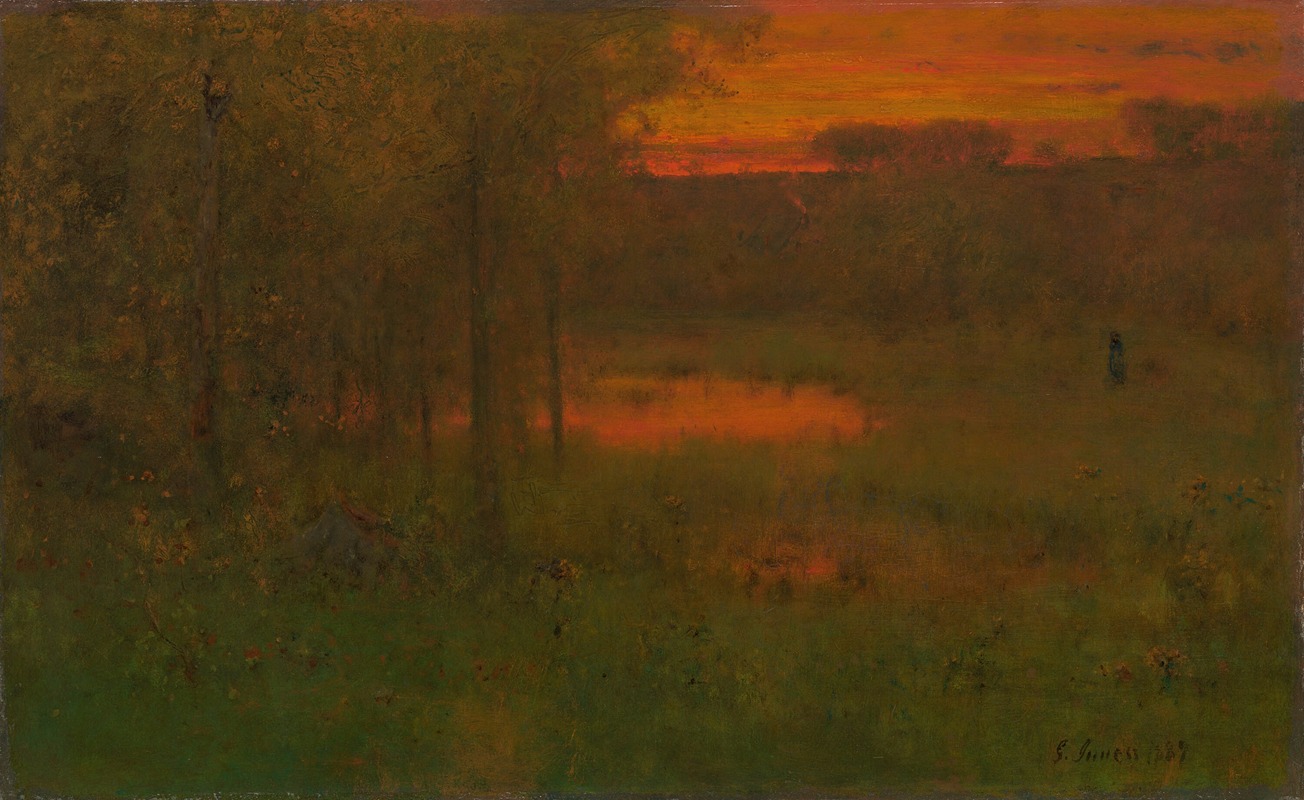
Landscape, Sunset
George Inness
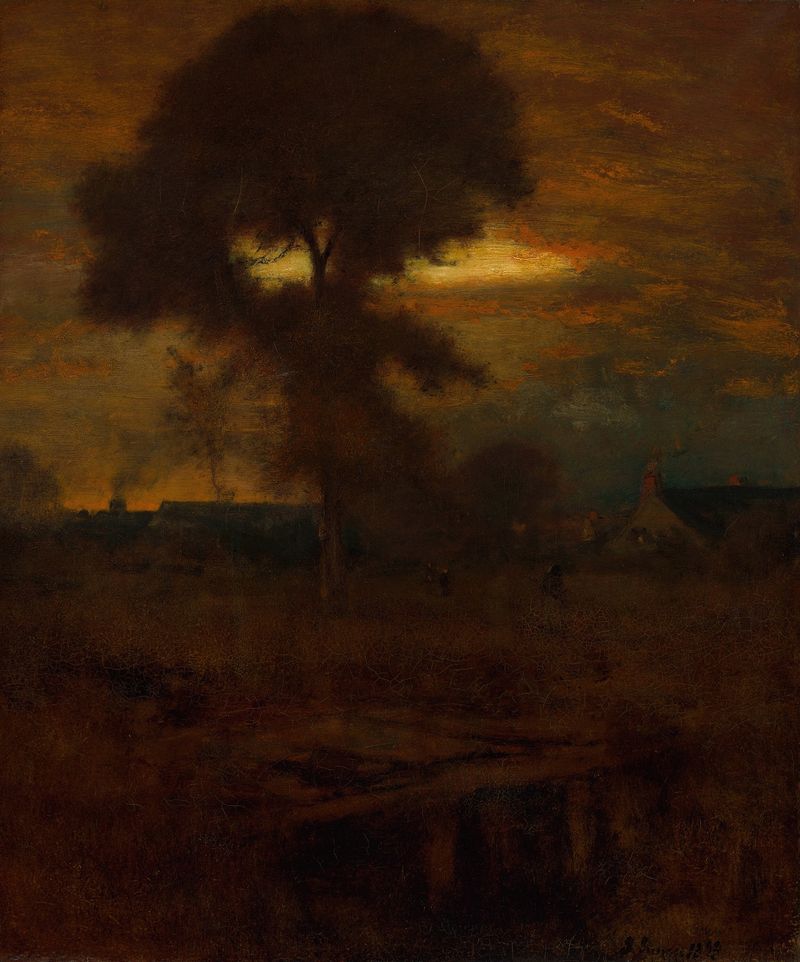
Afterglow
George Inness
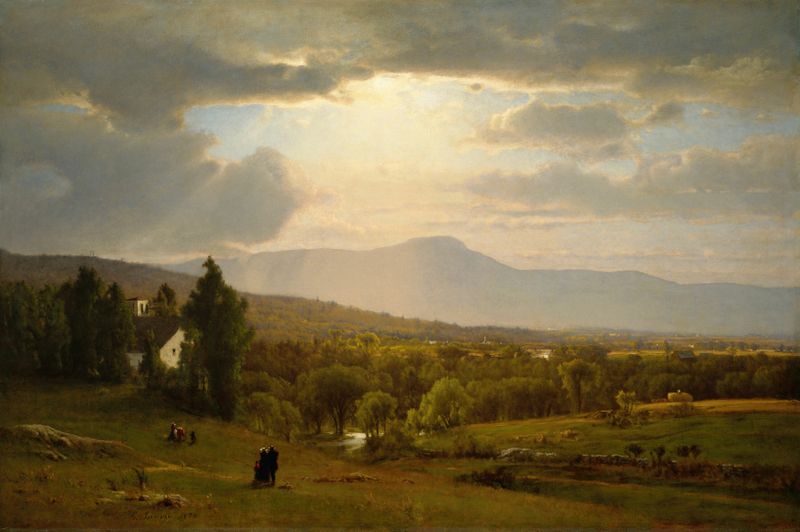
Catskill Mountains
George Inness





