
The Loving — History & Facts
The first thing that catches the eye in The Loving is the unabashed intimacy between the two figures, their bodies angled toward each other in a private world of flirtation and delight. The young man, his cheeks flushed and his attire just slightly disheveled, pours wine with a flourish, his gaze fixed on the woman beside him. She, in turn, meets his look with a knowing smile, her hand gently entwined with his, her dress artfully slipping from her shoulder to reveal the soft glow of skin.
The table beside them is a riot of abundance—grapes, peaches, and a glass already toppled—while the background dissolves into a leafy, dreamlike landscape. Light pools on their faces and hands, guiding the viewer’s attention to the charged space between them, while the lush blue of her gown sets a mood of playful seduction. Painted in 1744, this work springs from the heart of the French Rococo, an era when artists like Jean-Marc Nattier delighted in scenes of pleasure and courtly romance for a clientele eager to celebrate life’s fleeting joys. Such paintings were often destined for private chambers, where their themes of love and indulgence would be most at home.
The style is unmistakable: soft, swirling brushwork, a palette of creams and pastels, and a sense of theatrical ease in the figures’ poses. While history has kept few traces of this particular painting’s journey, its spirit is unmistakable—an invitation to linger in a world where pleasure and beauty reign, if only for a moment. Let your eye wander back to the entwined hands, and imagine the laughter that might have filled the room.
More Artworks by Jean-Marc Nattier

Madame Crozat de Thiers and Her Daughter
Jean-Marc Nattier
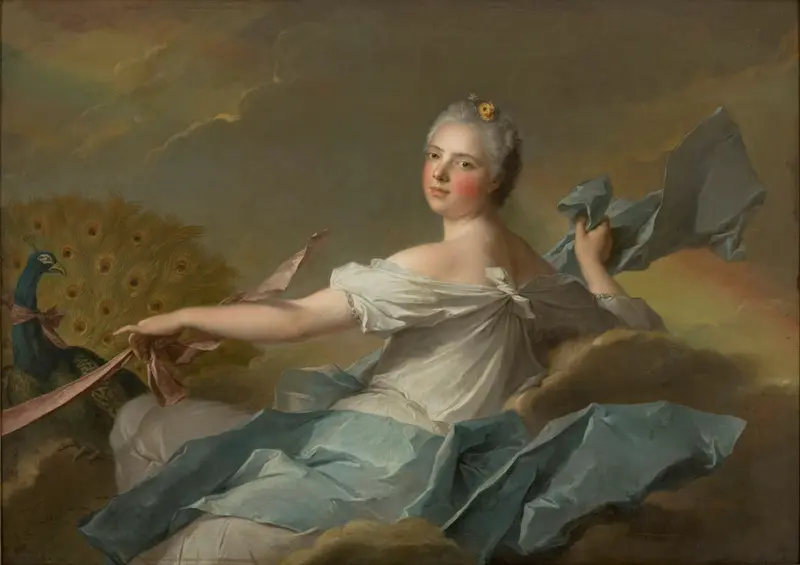
Princess Marie Adélaïde of France - The Air
Jean-Marc Nattier
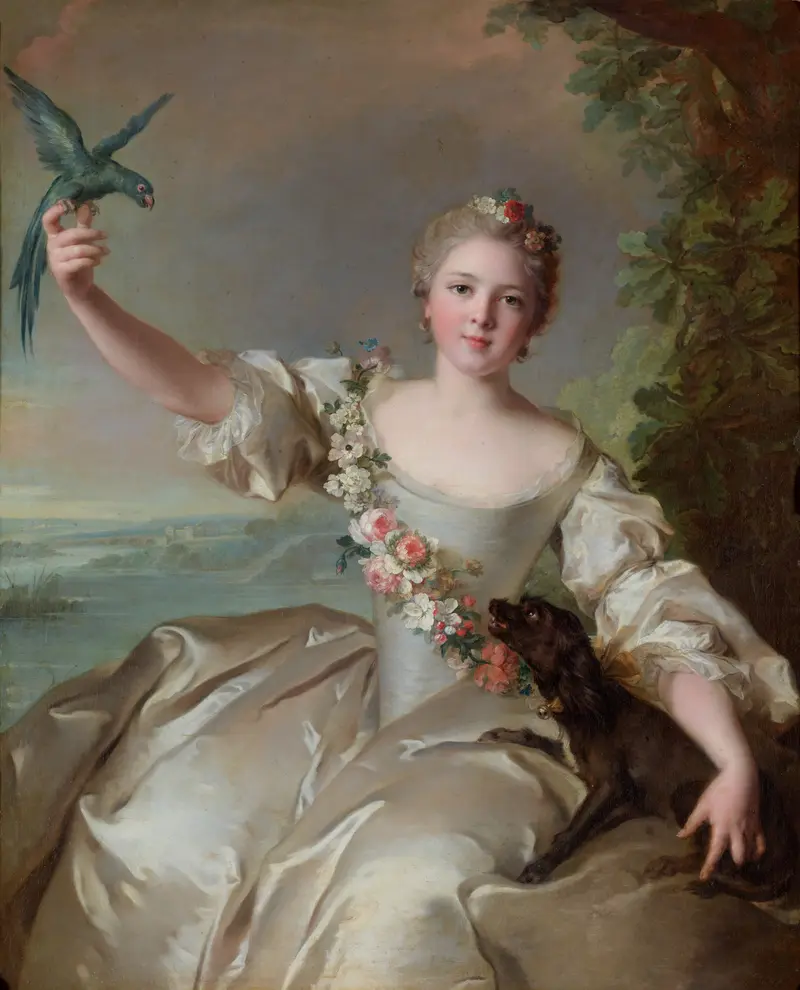
Portrait de Mathilde de Canisy, marquise d'Antin
Jean-Marc Nattier
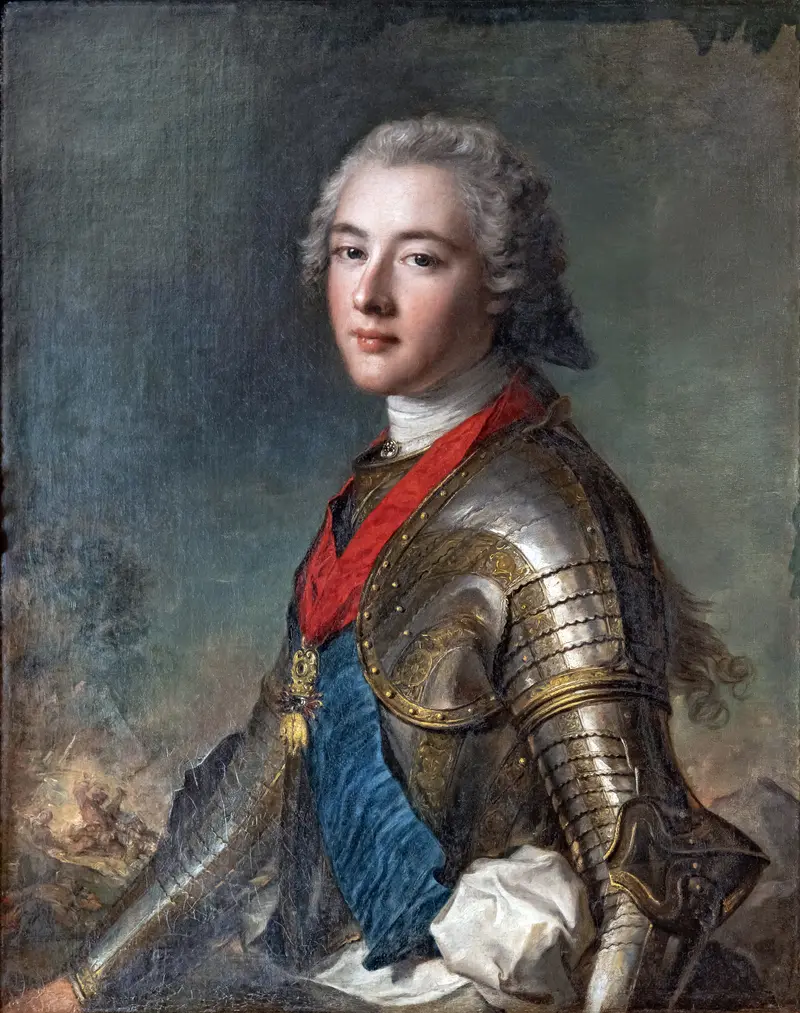
Bemberg Fondation Toulouse - Portrait de Louis Jean Marie de Bourbon, Duc de Penthièvre - Jean Marc Nattier inv.1158 82x65.4
Jean-Marc Nattier
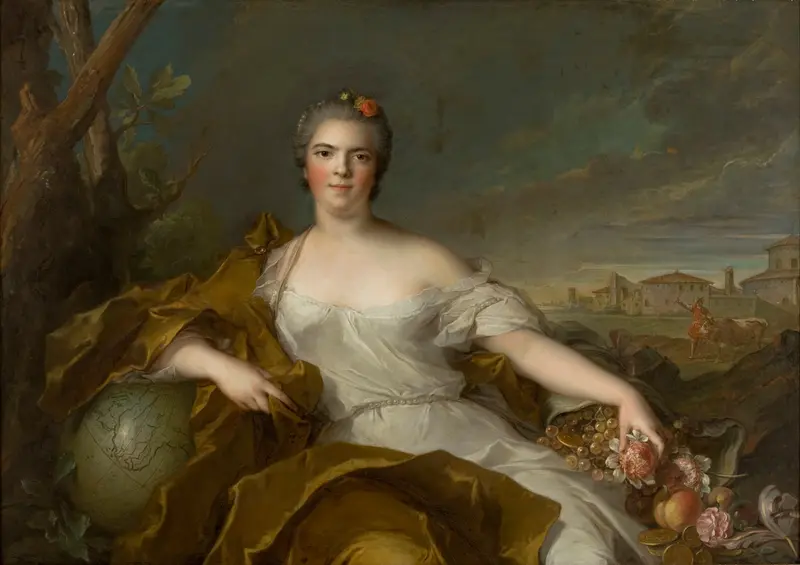
Princess Louise-Élisabeth of France - The Earth
Jean-Marc Nattier
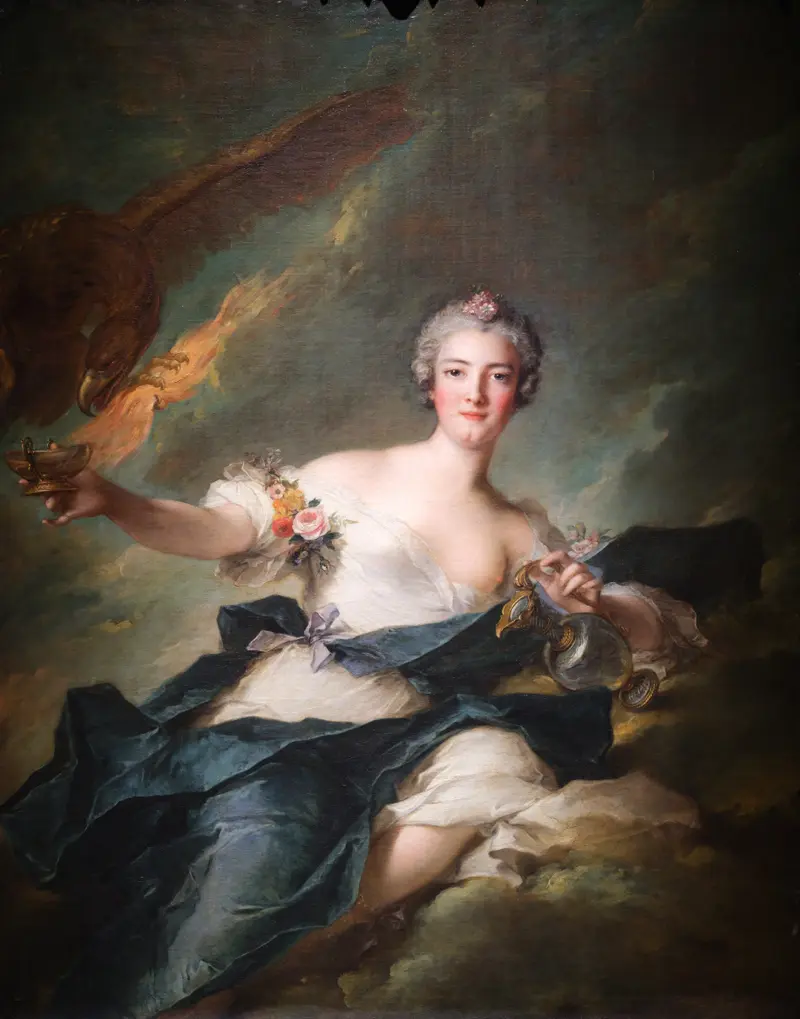
The Duchess of Chaulnes Represented as Hebe
Jean-Marc Nattier
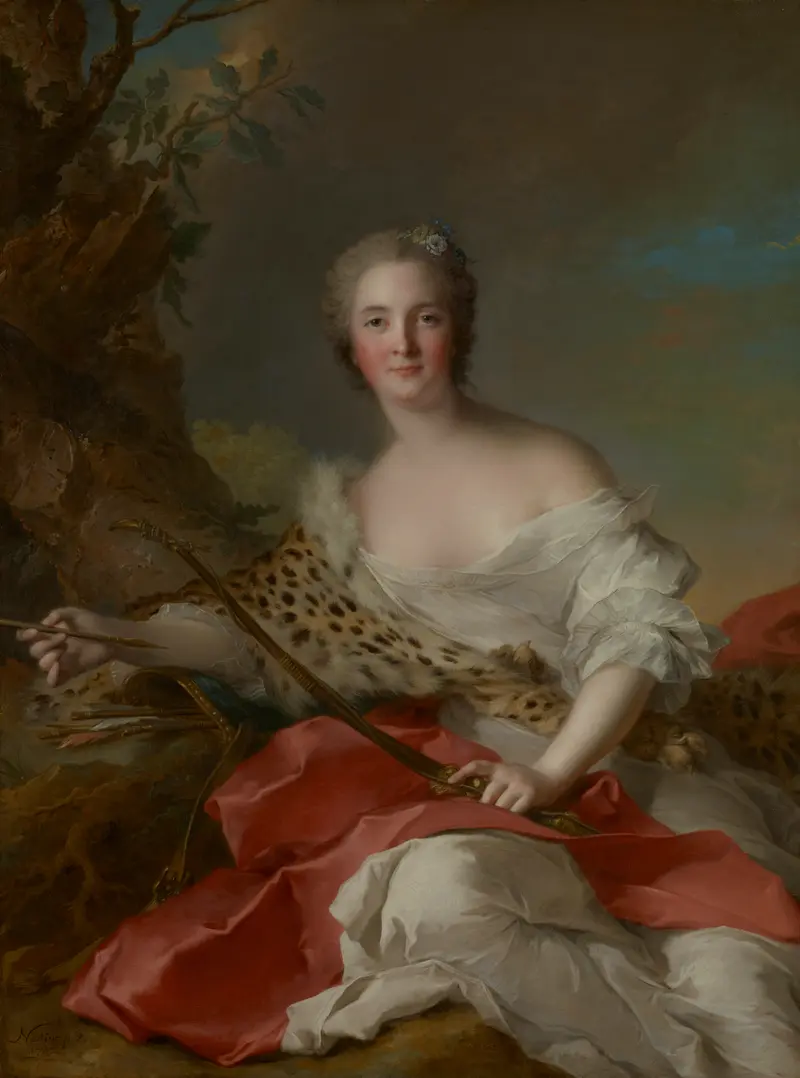
Portrait of Madame Bonnier de la Mosson as Diana (Constance-Gabrielle-Magdeleine du Monciel de Lauraille
Jean-Marc Nattier
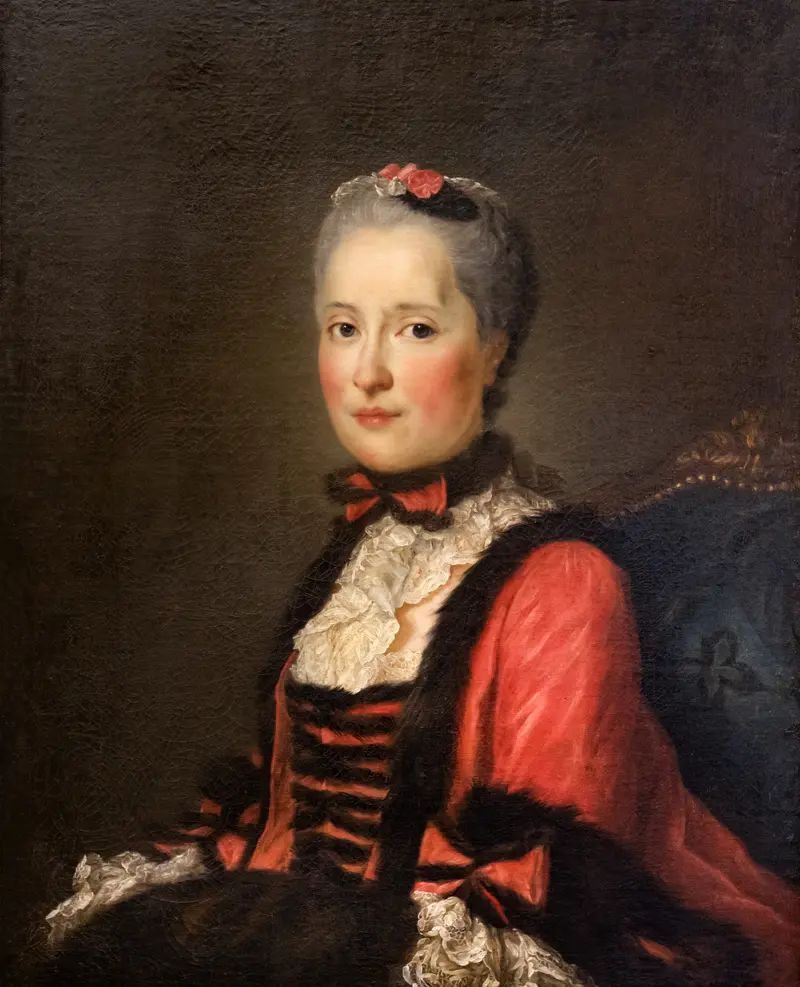
Portrait of Marie-Josephe of Saxony, Dauphine of France
Jean-Marc Nattier
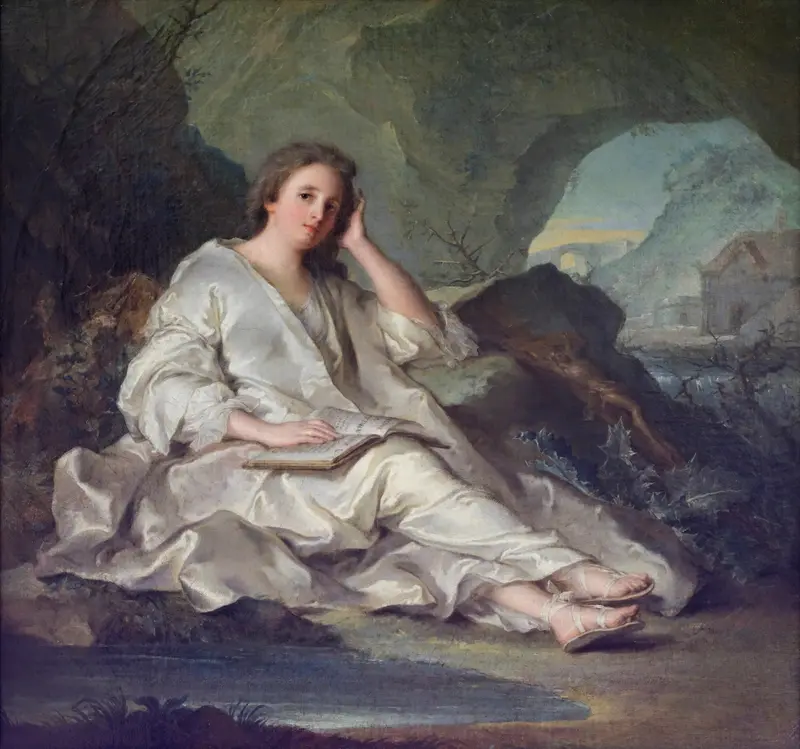
La Madeleine, ou Une Pénitente dans le désert Musée du Louvre Peintures INV 6880 ; MR
Jean-Marc Nattier
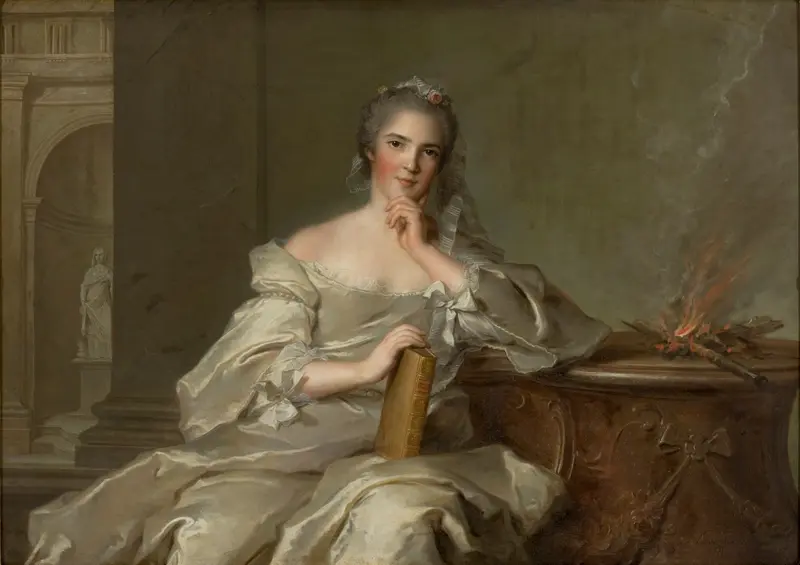
Princess Anne-Henriette of France - The Fire
Jean-Marc Nattier
More Genre Scene Art

Banquet of the Officers of the St George Civic Guard
Frans Hals

Rembrandt and Saskia in the Scene of the Prodigal Son
Rembrandt van Rijn

Bal du moulin de la Galette
Pierre-Auguste Renoir

Quadrille at the Moulin Rouge
Henri de Toulouse-Lautrec

A Burial at Ornans
Gustave Courbet

When Will You Marry?
Paul Gauguin