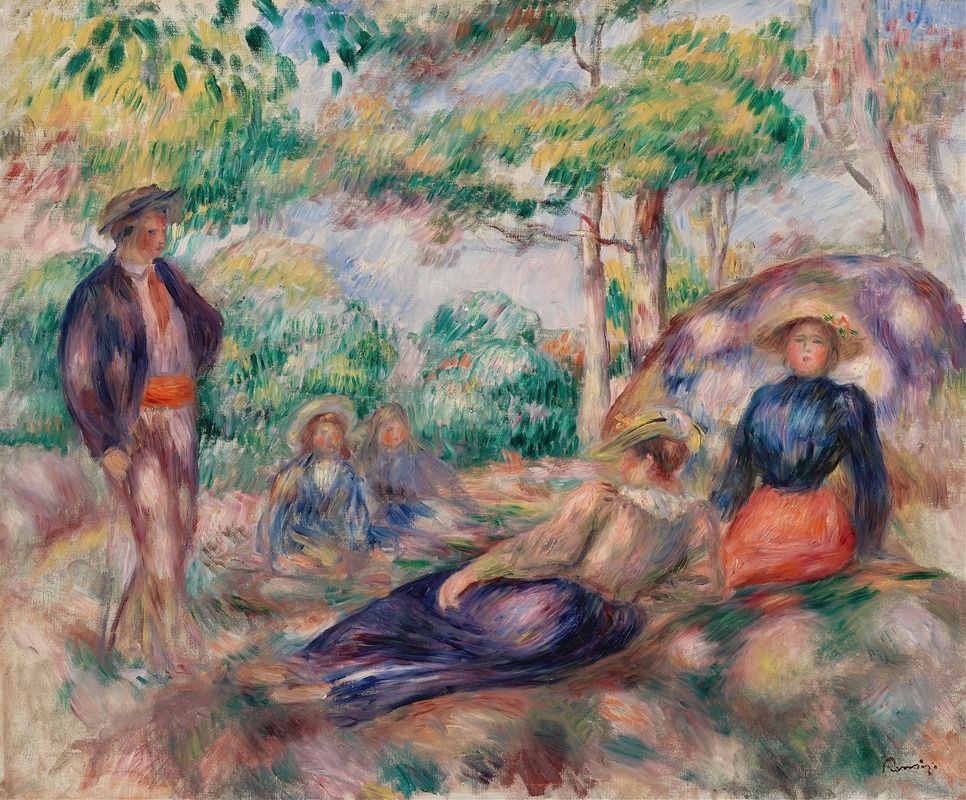
Discover insights about this artwork
The Lute Player — History & Facts
In The Lute Player, Caravaggio presents a young man seated in a dimly lit room, focused intently on his instrument. The warm tones of the painting, dominated by rich browns and deep reds, create an intimate atmosphere. The figure is dressed in simple clothing, emphasizing the act of music-making rather than the status of the player.
The light falls dramatically on the face and hands, highlighting the emotional connection between the musician and his lute. The painting is an oil on canvas, showcasing Caravaggio's signature use of chiaroscuro, where light and shadow are used to create depth and volume. The composition is tight, with the figure occupying most of the canvas, drawing the viewer's attention directly to the act of playing. The details in the lute and the musician's expression are finely rendered, showcasing the artist's technical skill.
This work exemplifies the Baroque style, characterized by its dramatic contrasts and emotional intensity. Caravaggio was known for his revolutionary approach to painting, often using real people as models and incorporating everyday life into his works. The Lute Player is a notable example of his genre scenes, where he captures a moment of personal expression through music. Interestingly, this painting reflects the artist's interest in the themes of youth and the fleeting nature of life, which are prevalent in many of his works.
The painting is housed in the Galleria Borghese in Rome, a fitting location for such a significant piece.
More Artworks by Caravaggio
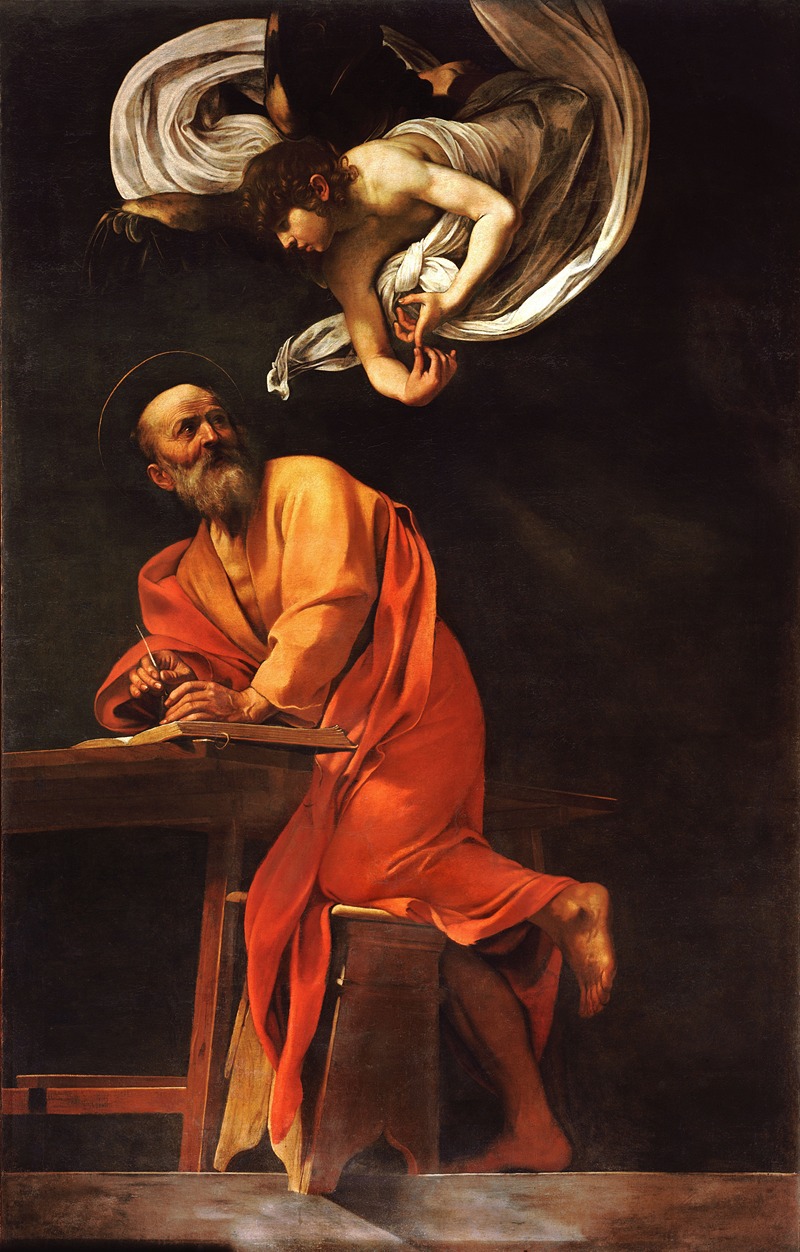
Saint Matthew and the angel
Caravaggio

Medusa
Caravaggio
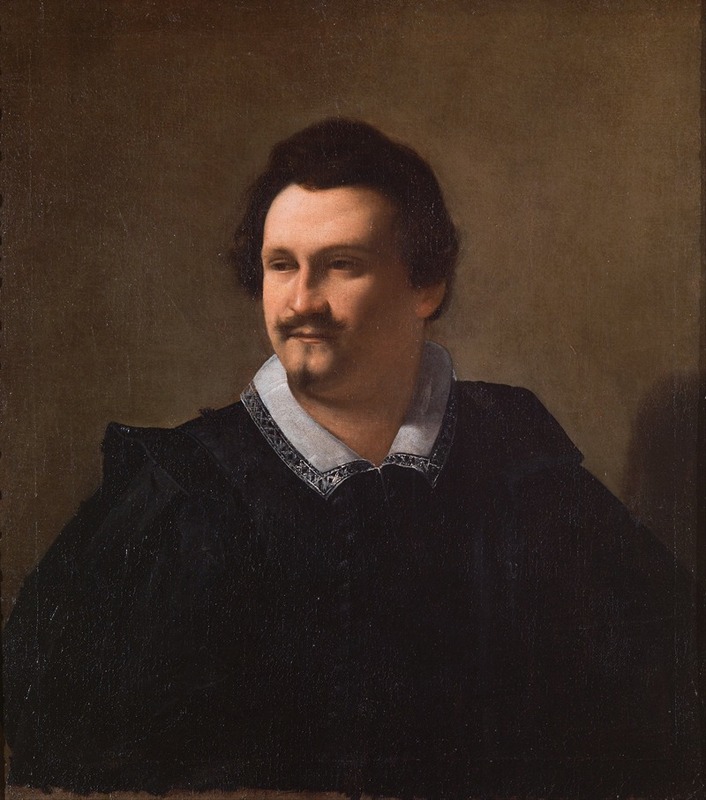
Portrait of a gentleman (Scipione Borghese)
Caravaggio
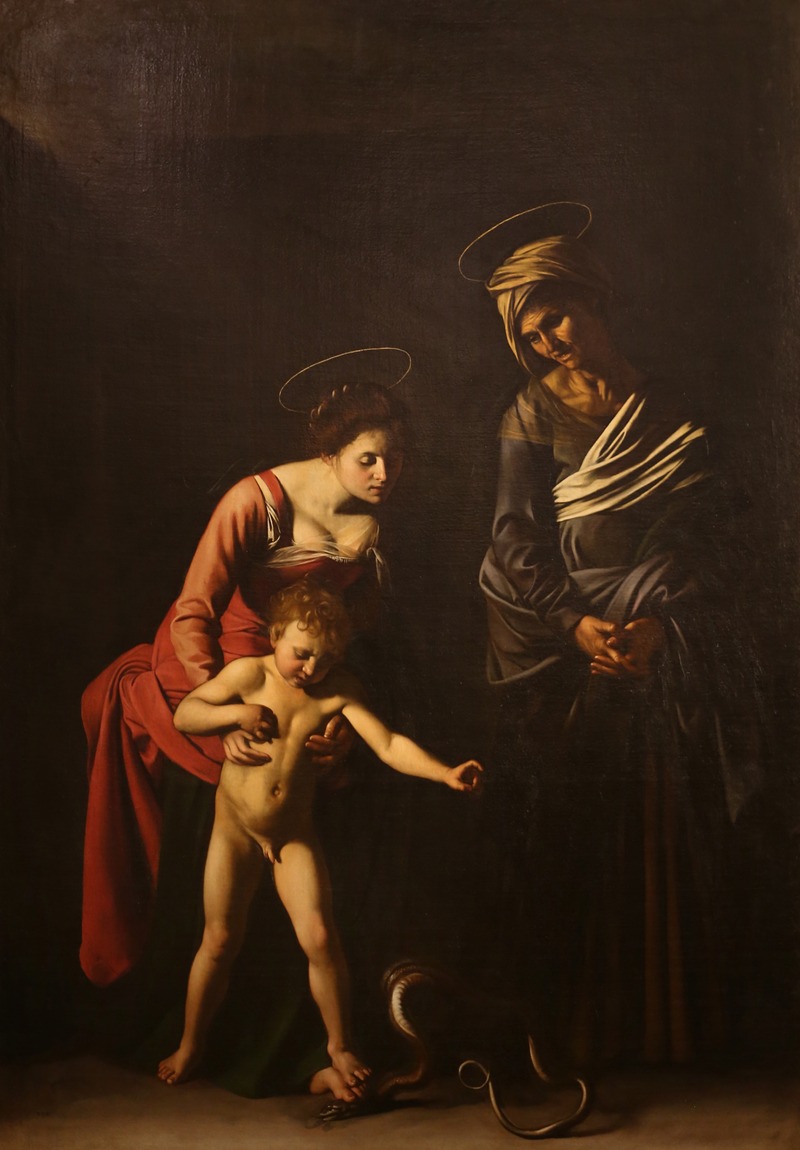
Madonna and Child with Saint Anne
Caravaggio
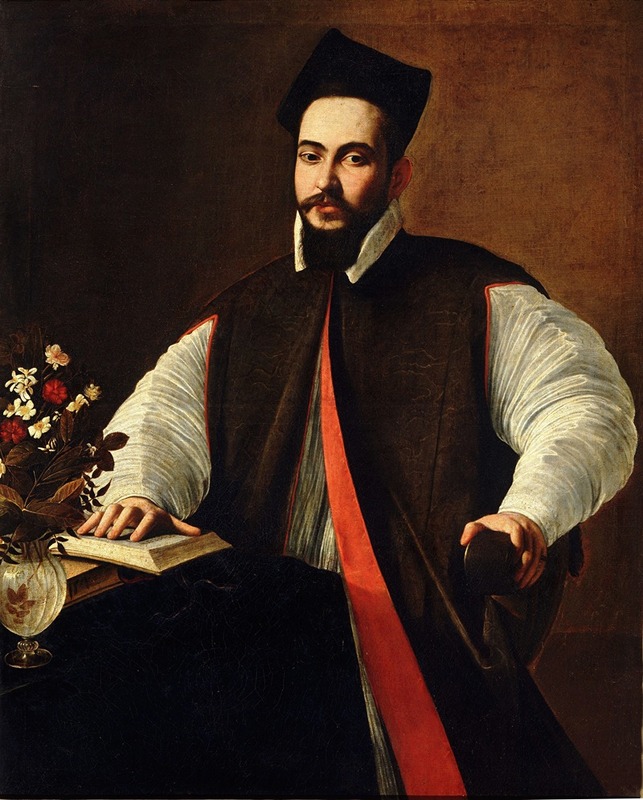
Portrait of Pope Urban VIII
Caravaggio
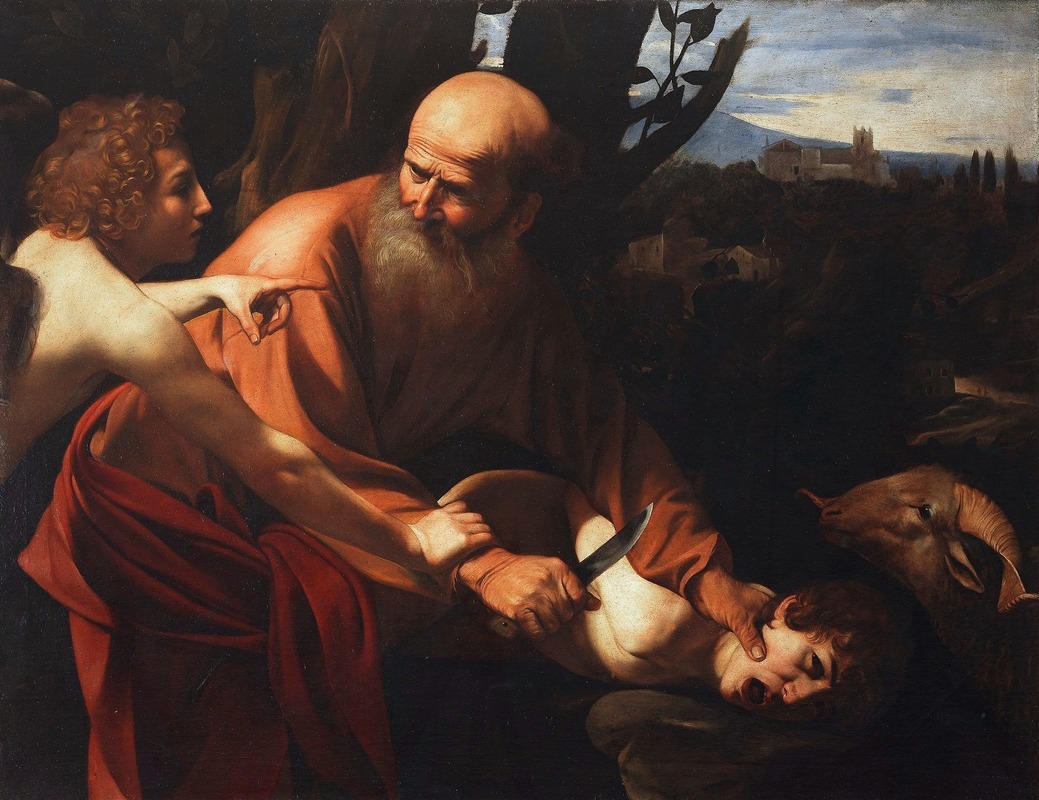
Sacrifice of Isaac
Caravaggio
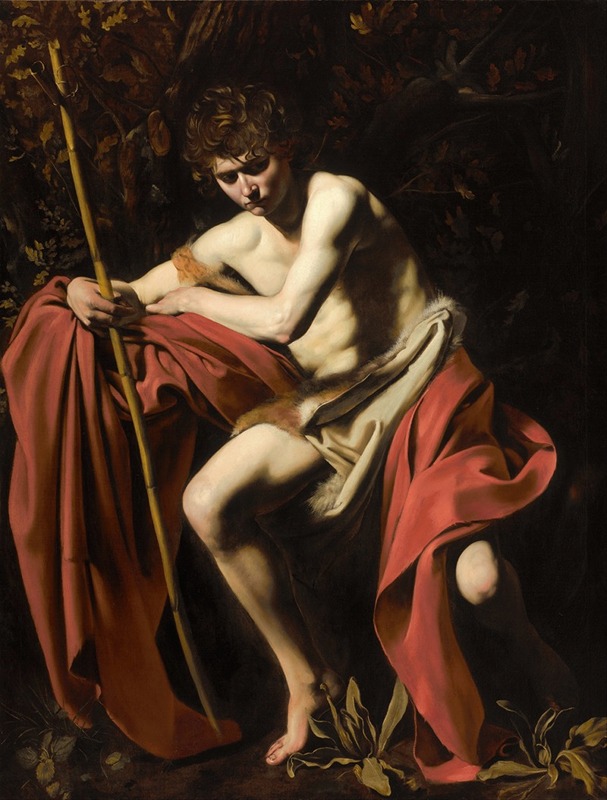
Saint John The Baptist In The Wilderness
Caravaggio
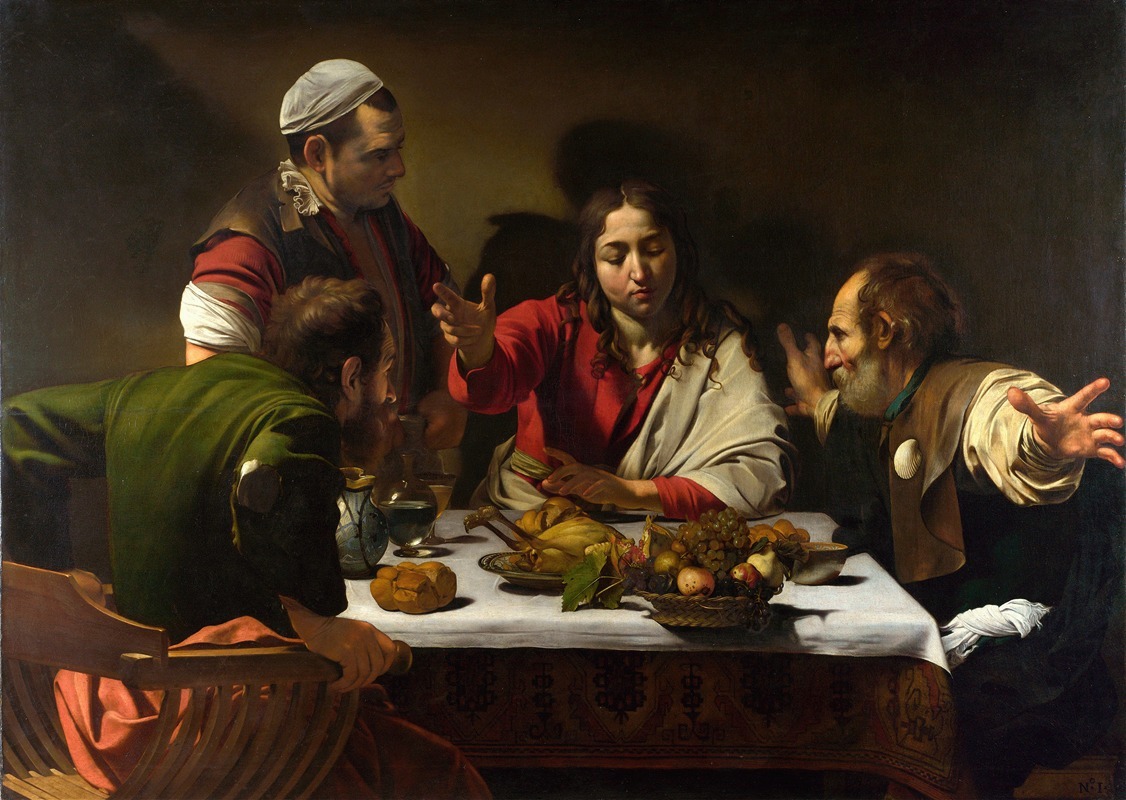
Supper at Emmaus
Caravaggio
The Conversion of Saint Paul
Caravaggio
The Denial of Saint Peter
Caravaggio