
The Maid of Orléans — History & Facts
In 1886, Jan Matejko—Poland’s great painter of national history—turned his gaze to France and its most legendary heroine, Joan of Arc. The painting’s debut in Kraków sparked immediate fascination, as Matejko, known for his vast canvases of Polish kings and battles, now tackled the story of a young peasant girl who, in 1429, led French troops to lift the siege of Orléans. The artist’s choice was timely: Europe was in the grip of nationalist fervor, and the tale of Joan’s courage and martyrdom resonated far beyond French borders.
Critics at the time marveled at how Matejko, a chronicler of Polish identity, found kinship in Joan’s struggle for her nation’s freedom. Matejko selects the moment when Joan, clad in improvised armor, raises her banner before the battered walls of Orléans, her gaze fixed not on the enemy, but heavenward. Around her, soldiers and townsfolk press close, their faces a tapestry of hope, doubt, and awe. The white standard she holds, inscribed with religious symbols, becomes the painting’s axis—both a literal rallying point and a sign of her divine mission.
The light pours over Joan, isolating her from the gloom of war and the confusion of the crowd, a device reminiscent of how Jean-Auguste-Dominique Ingres bathed his own Joan of Arc at the Coronation of Charles VII in a similar, almost theatrical radiance. Every detail—the battered armor, the muddy ground, the anxious faces—grounds the miracle in the grit of reality. The present whereabouts of The Maid of Orléans are less celebrated than Matejko’s grand Polish canvases, and the painting is not as widely reproduced or exhibited. Its medium is not definitively recorded, though Matejko typically worked in oil on canvas.
The work marks a rare moment in his career when he stepped outside Polish history, yet the painting’s spirit of resistance and faith links it unmistakably to his national themes. While not the subject of major restoration campaigns or high-profile sales, it remains a testament to Matejko’s belief in the power of history painting to inspire and unite. Today, it is primarily known through reproductions and scholarship, a fascinating outlier in the oeuvre of a painter otherwise devoted to his homeland’s past.
More Artworks by Jan Matejko
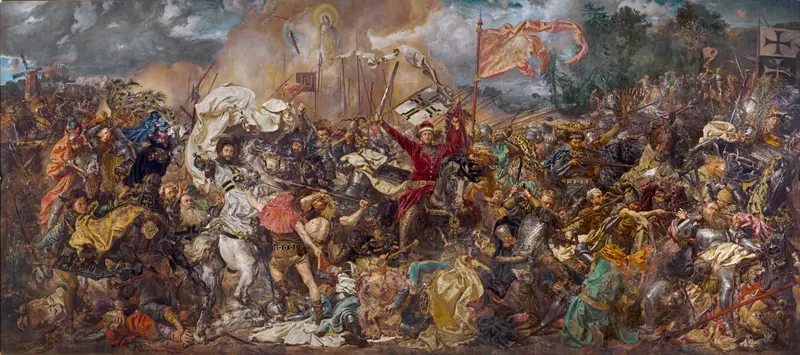
Battle of Grunwald
Jan Matejko

Stańczyk
Jan Matejko

Battle of Raclawice
Jan Matejko
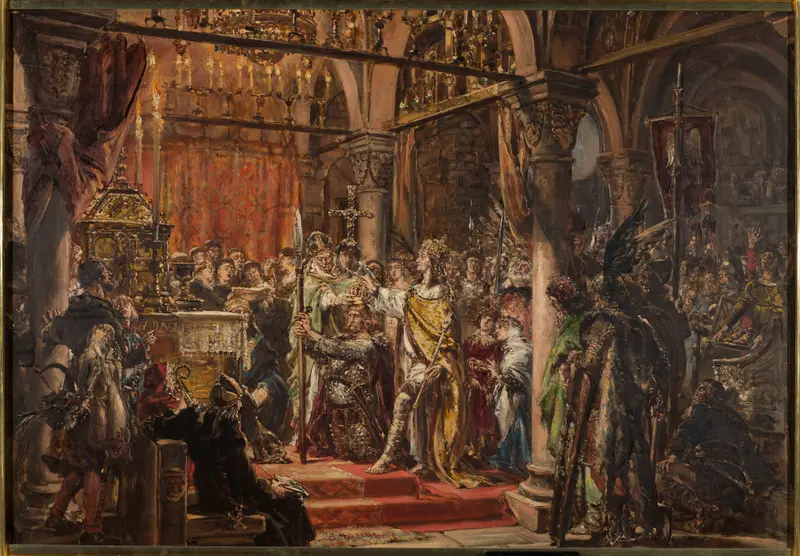
Coronation of the First King, 1001 AD, from the series “History of Civilization in Poland”
Jan Matejko
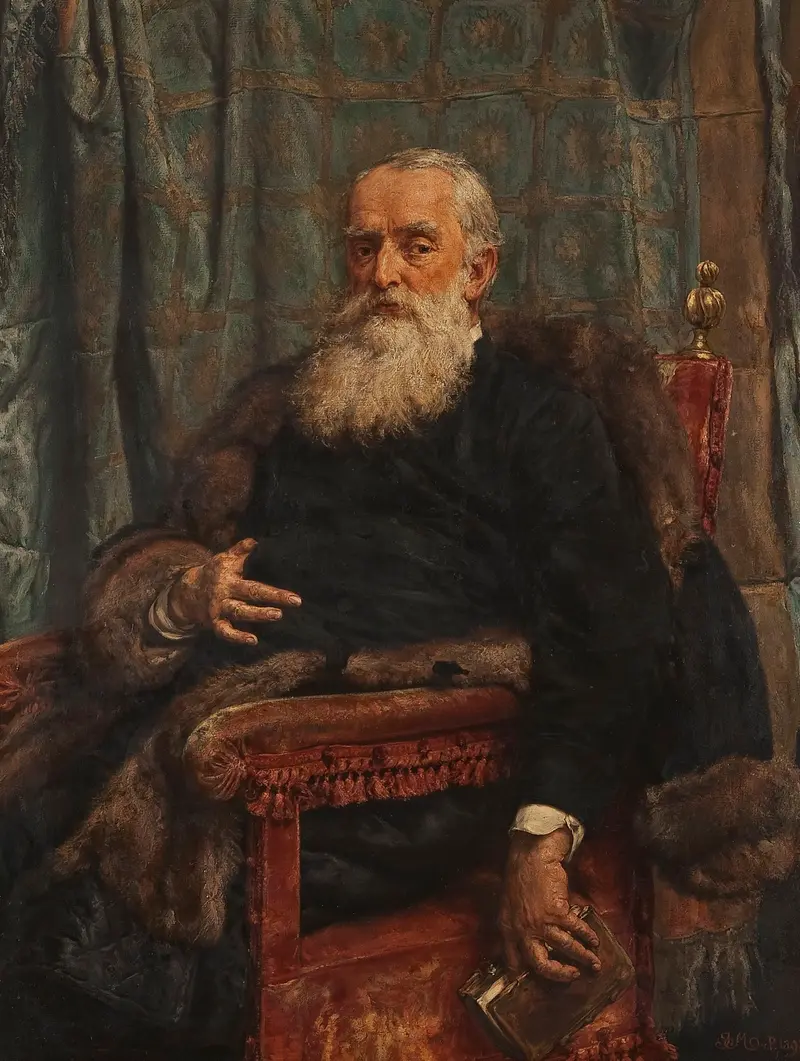
Portrait of Henryk Krajewski
Jan Matejko
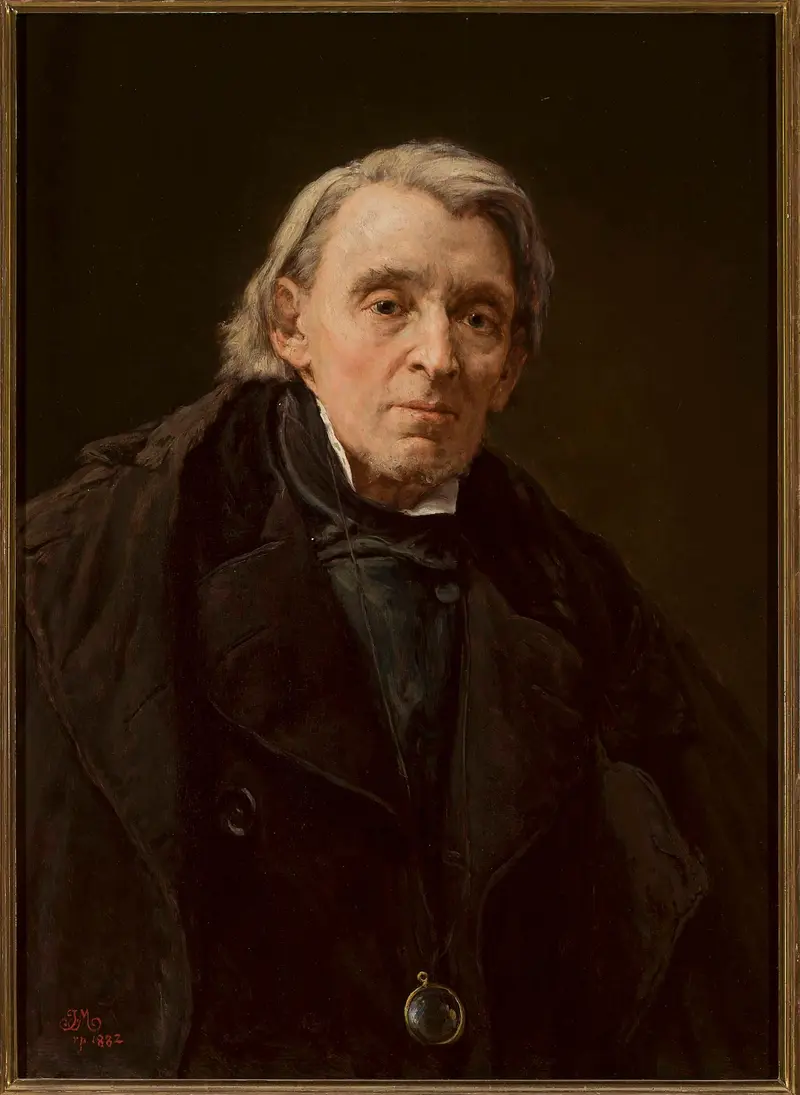
Portrait of Karol Podlewski
Jan Matejko
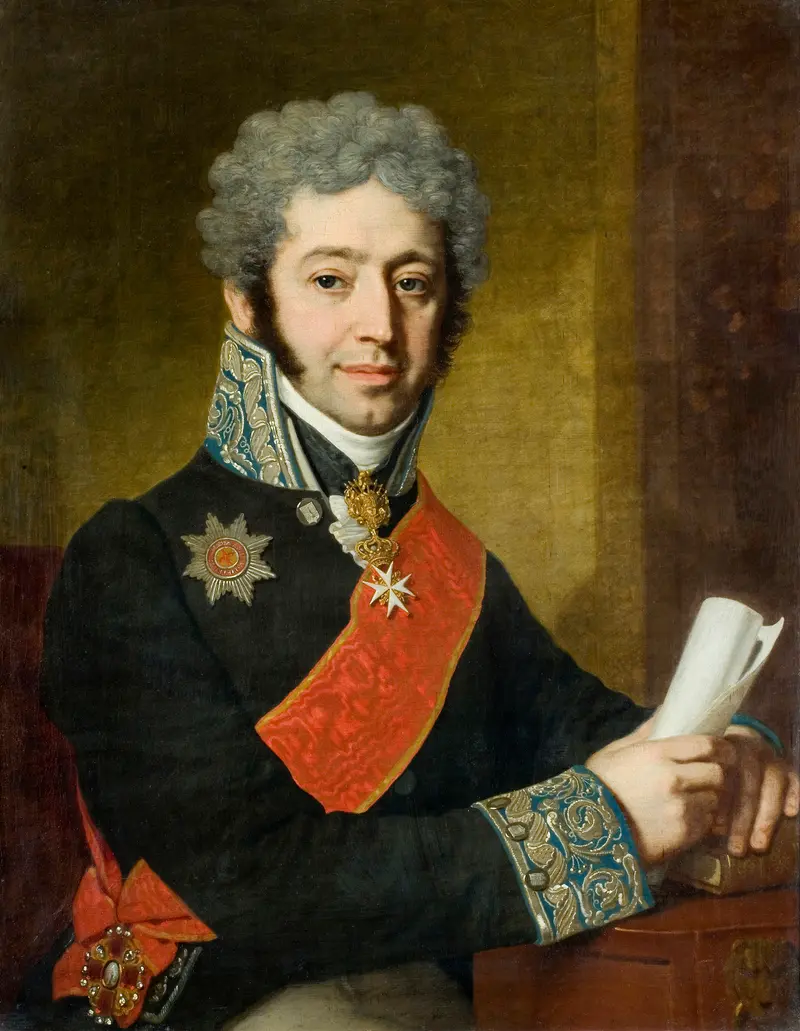
Portrait of Potocki and Poninski
Jan Matejko
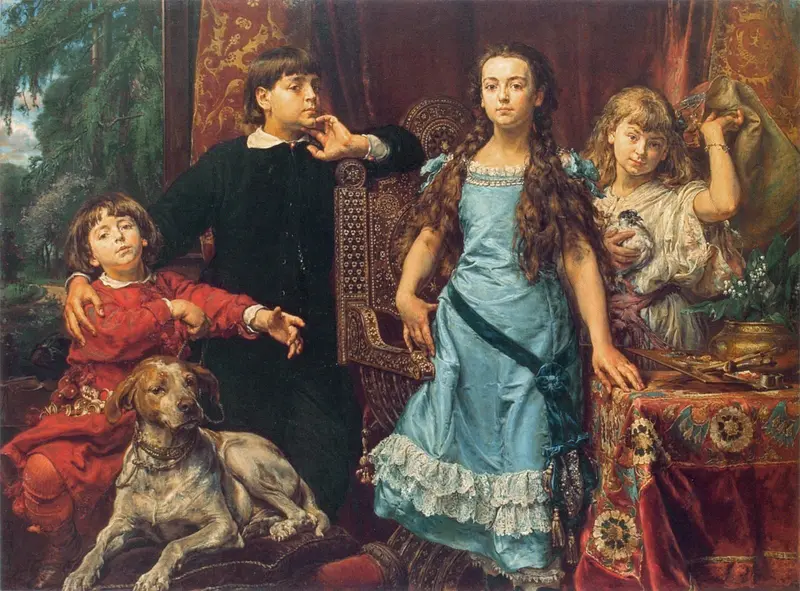
Portrait of the artist's four children
Jan Matejko
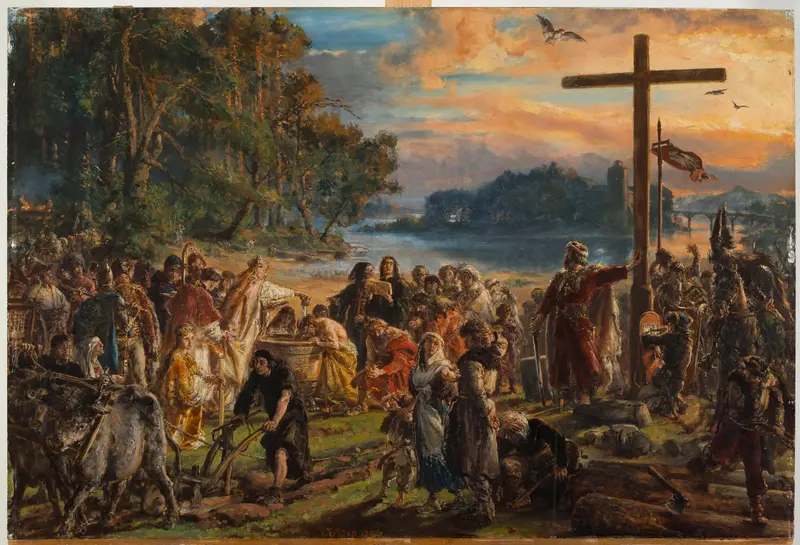
Introduction of Christianity in Poland
Jan Matejko
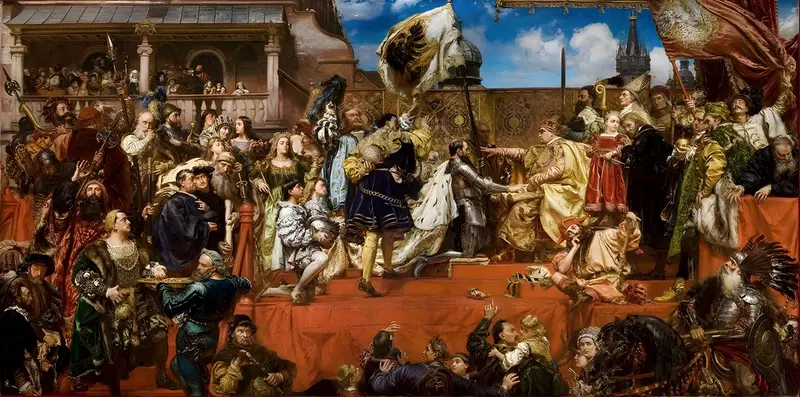
Prussian Homage
Jan Matejko





