
The Marriage at Cana — History & Facts
In The Marriage at Cana, Jacques Callot presents a vibrant scene filled with color and life. The painting showcases a multitude of figures, including the bride and groom, surrounded by guests celebrating the occasion. Rich reds, greens, and golds dominate the palette, creating a festive atmosphere.
The setting is lively, with a sense of movement as people engage in conversation and merriment. The painting is executed in oil on canvas, a common medium during the Baroque period. Callot's technique is characterized by intricate details and dynamic compositions, which draw the viewer's eye across the canvas. The figures are rendered with a sense of realism, yet they maintain a stylized elegance typical of the Baroque style.
The use of light and shadow enhances the three-dimensionality of the scene. Jacques Callot was a French artist known for his prints and paintings that often depicted scenes of everyday life and festivities. This particular work, The Marriage at Cana, reflects the artist's interest in narrative and social interactions. An interesting fact about this painting is that it captures a moment from the New Testament, where Jesus performs his first miracle by turning water into wine, symbolizing joy and celebration.
Callot's ability to convey emotion through his figures adds depth to this religious scene.
More Artworks by Jacques Callot

De verloren zoon als zwijnenhoeder
Jacques Callot
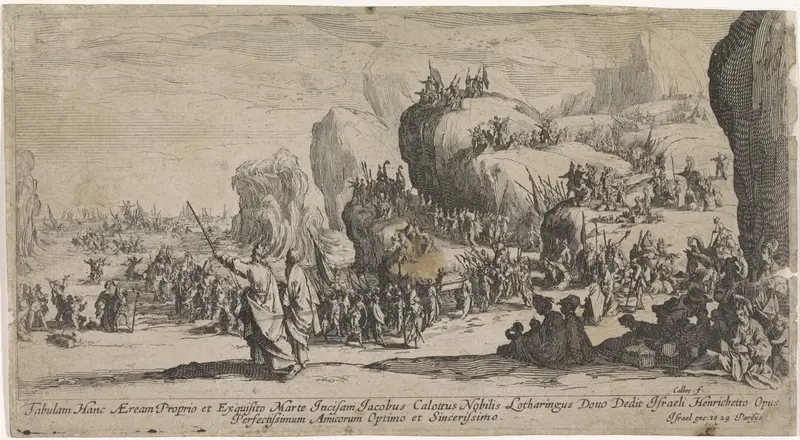
De doortocht door de Rode Zee
Jacques Callot

Kruisiging
Jacques Callot
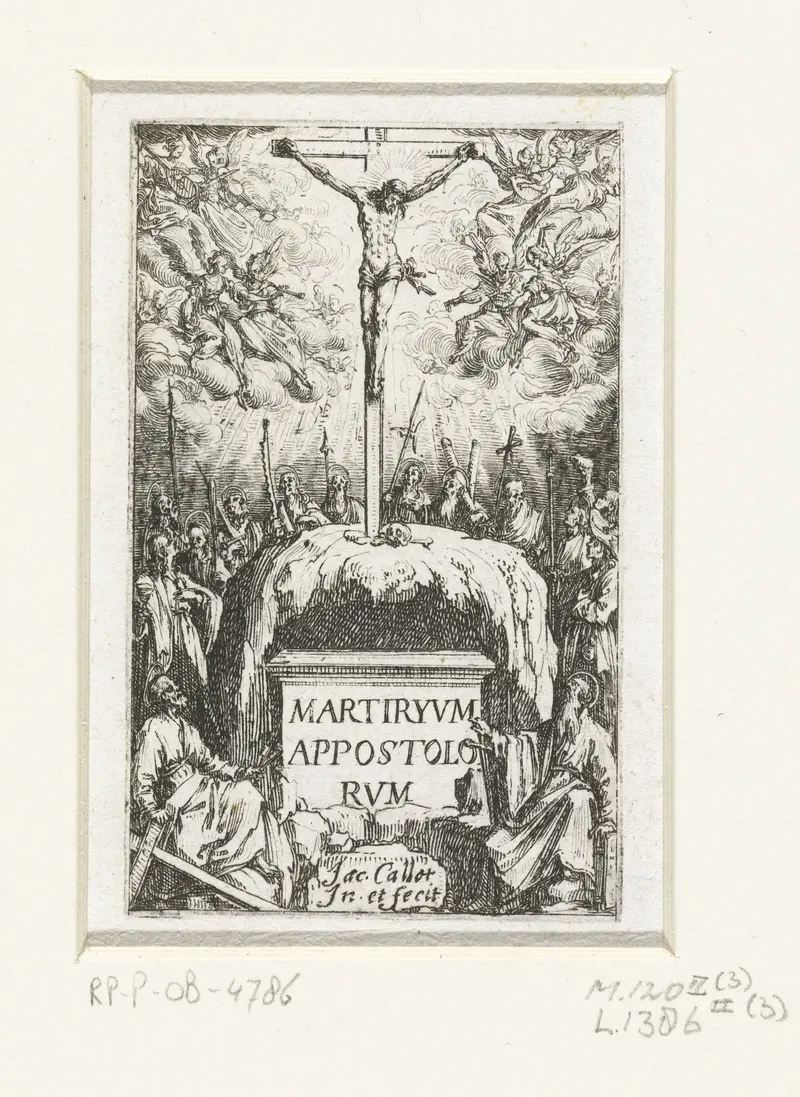
Titelprent voor de prentreeks 'De kleine apostelen' (Het martelaarschap van de apostelen)
Jacques Callot
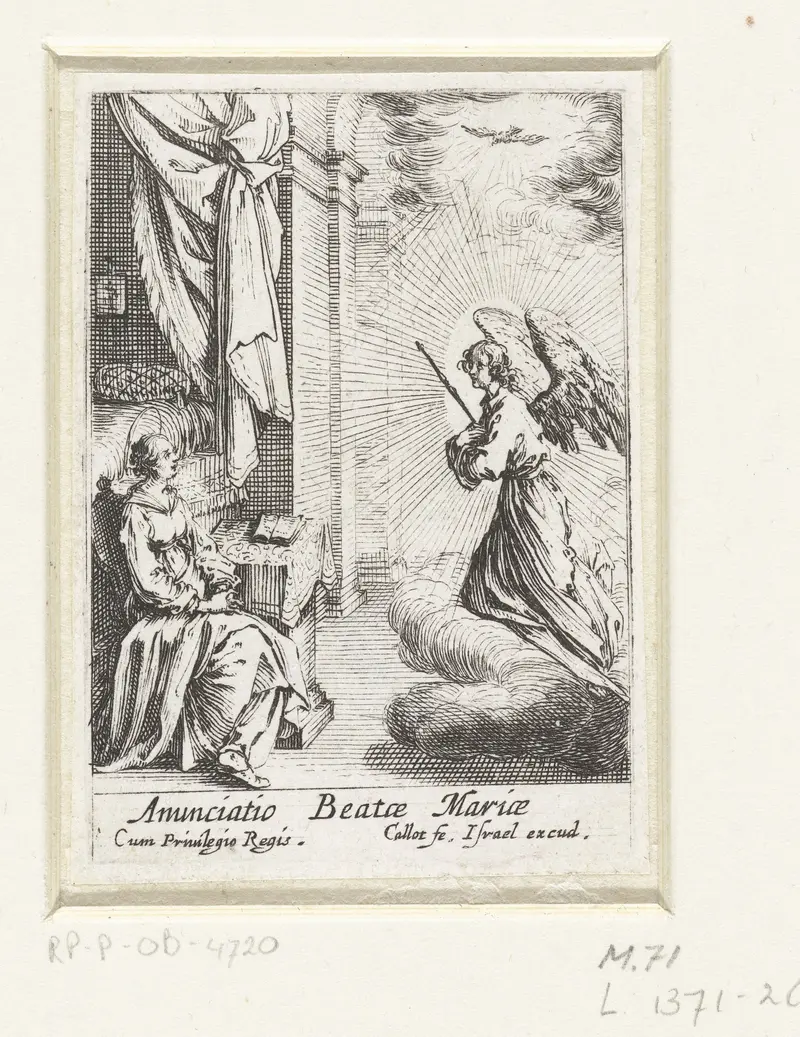
Annunciatie
Jacques Callot
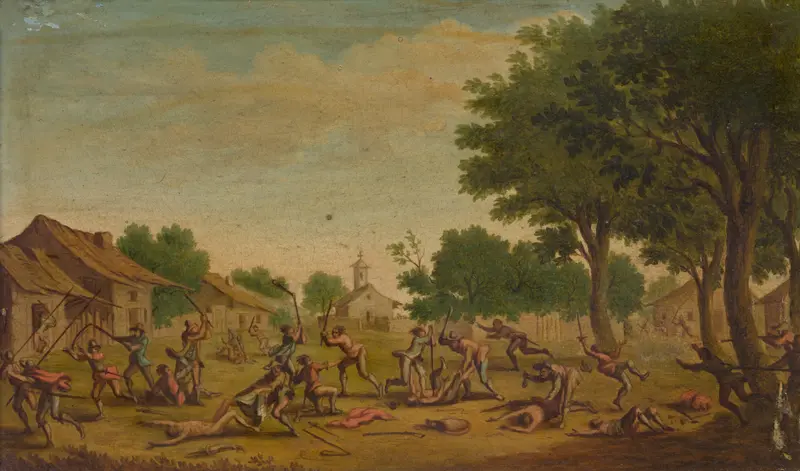
Village Fight
Jacques Callot
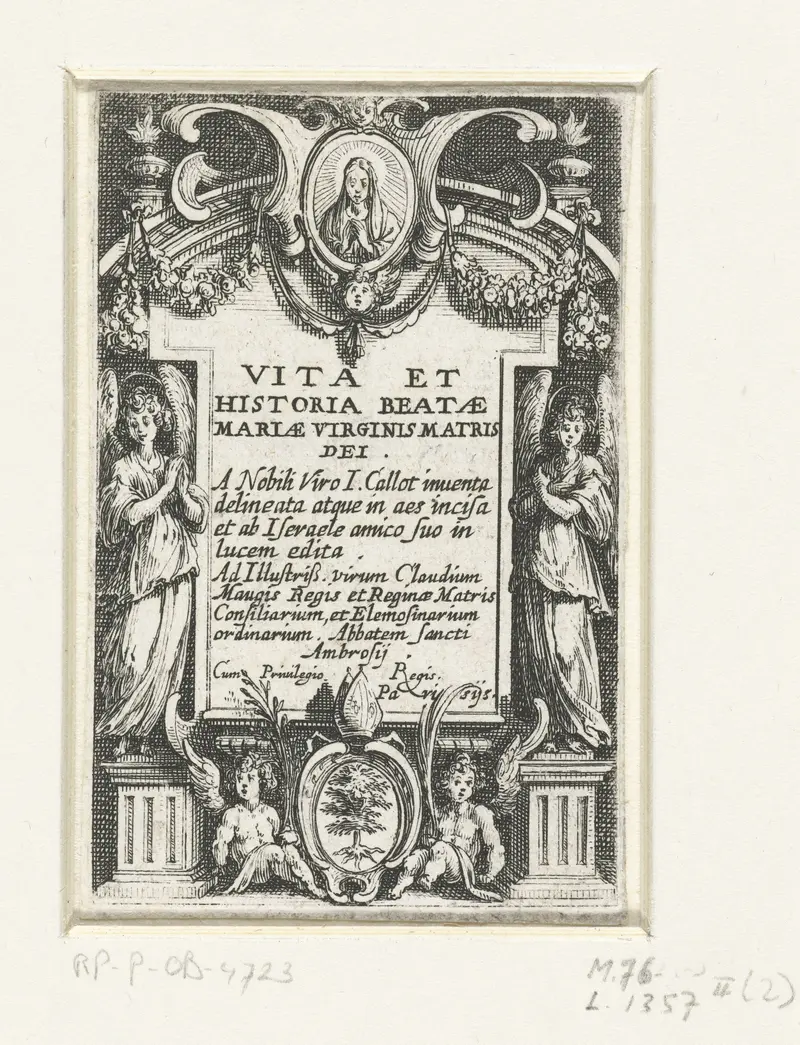
Titelprent voor prentreeks 'Het leven van Maria'
Jacques Callot
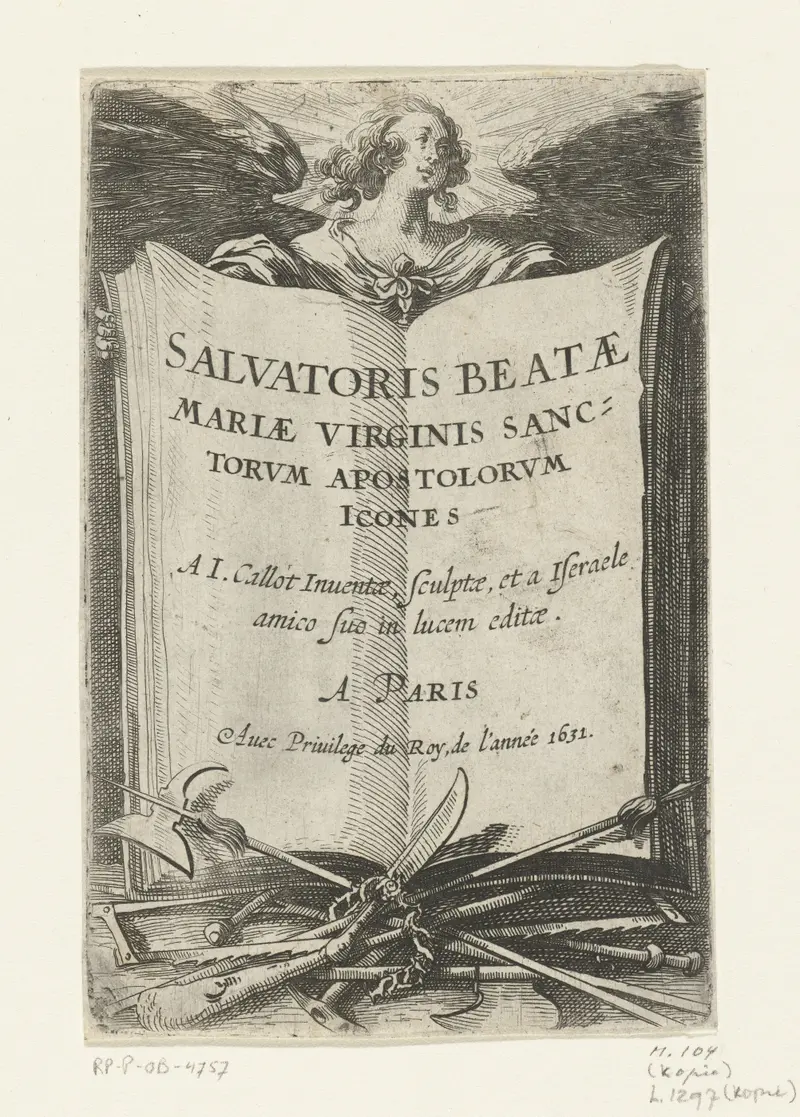
Titelprent voor de prentreeks 'De grote apostelen' (Christus, Maria en de apostelen)
Jacques Callot

Kruisoprichting
Jacques Callot
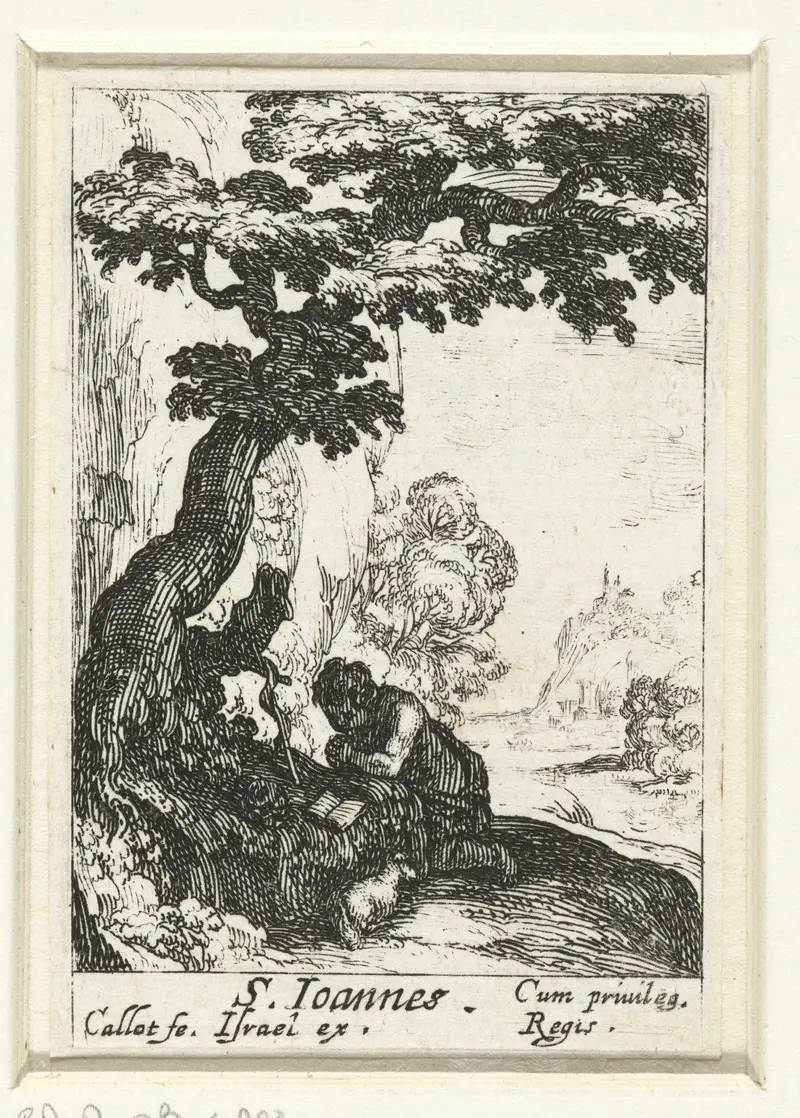
De boetvaardige Johannes de Doper
Jacques Callot





