
The martyrdom of Saint Catherine — History & Facts
Few saints have inspired as many artists as Catherine of Alexandria, but Abraham Bloemaert’s The martyrdom of Saint Catherine stands out for capturing the drama of her legendary trial by torture. According to tradition, Catherine was condemned in the early 4th century by Emperor Maxentius, who ordered her to be executed on a spiked breaking wheel—a device that, legend holds, shattered at her touch, prompting her eventual beheading instead. The miracle of the wheel’s destruction became a symbol of divine intervention and was celebrated in countless sermons and works of art throughout the Middle Ages and Baroque period. Bloemaert chooses the moment of highest tension: Catherine, serene and dignified, faces her tormentors as the executioners prepare the dreaded wheel.
The composition teems with dynamic figures—soldiers straining at the wheel, onlookers recoiling in awe, and angels poised above, ready to intervene. The broken wheel, often depicted splintering dramatically, signals the miraculous nature of her deliverance from torture, while Catherine’s upward gaze and clasped hands convey her unwavering faith. Bloemaert’s use of light isolates the saint, bathing her in a glow that sets her apart from the shadowed crowd, a device reminiscent of Caravaggio’s dramatic chiaroscuro, though rendered with the clarity and color typical of the Northern European Baroque. The precise origins of this painting remain uncertain—no commission or early provenance has been firmly established—but it fits within the prolific output of Abraham Bloemaert, a leading figure of Dutch Mannerism and early Baroque.
Bloemaert returned to the story of Saint Catherine several times, both in paintings and prints, reflecting the enduring popularity of her cult in the Netherlands. While the journey of this particular canvas through history is unrecorded, works of this type were often intended for private devotion or church altars, circulating among collectors and religious institutions. Today, The martyrdom of Saint Catherine is recognized as a testament to Bloemaert’s narrative skill and his ability to blend drama with delicate detail, qualities that secured his reputation in the shifting artistic landscape of the early 17th century.
More Artworks by Abraham Bloemaert

Adam and Eve
Abraham Bloemaert
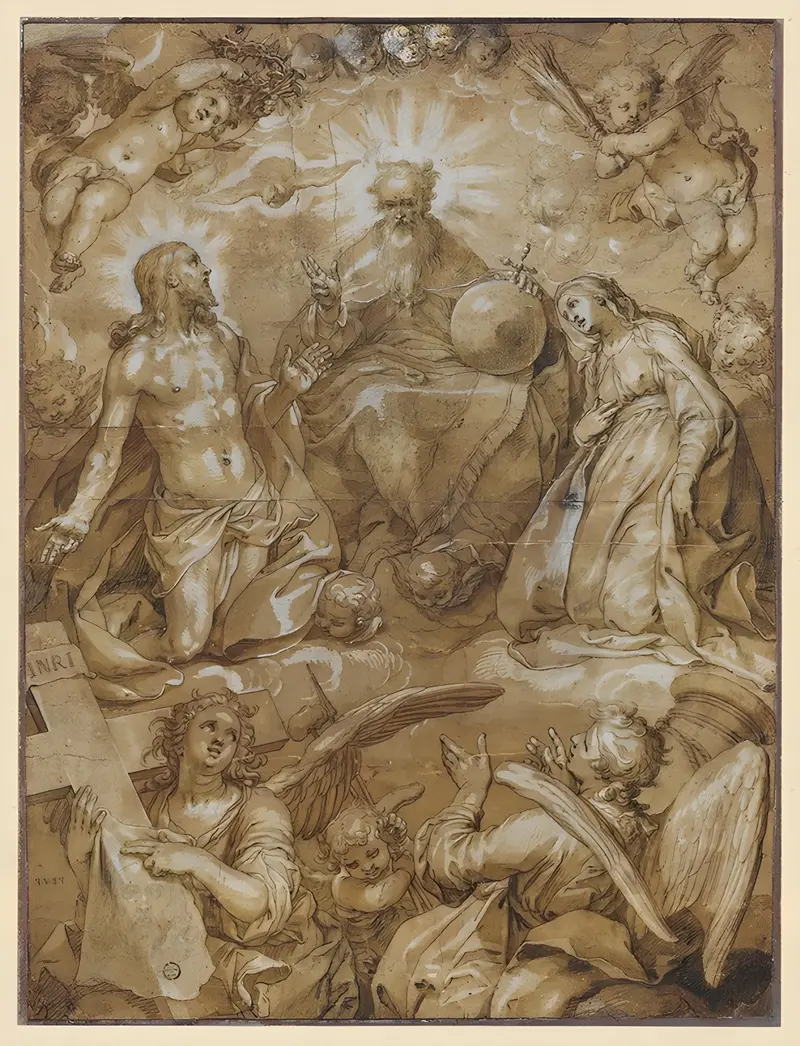
Intercession of Christ and Mary before God the Father
Abraham Bloemaert
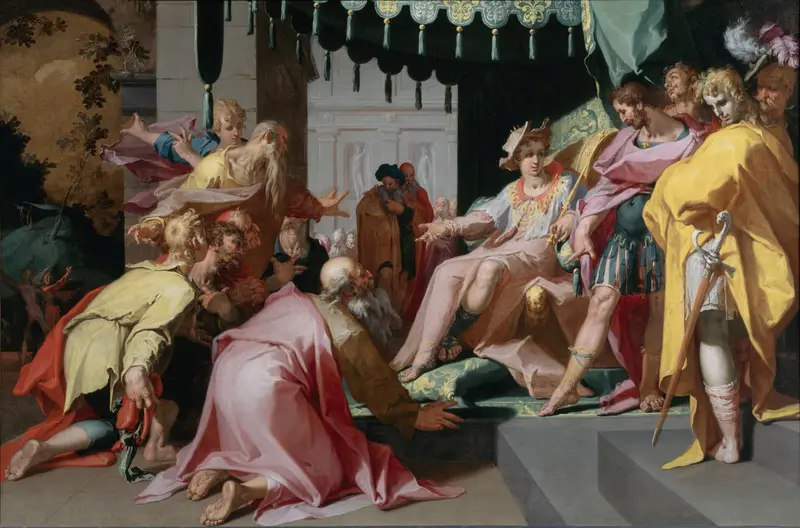
Joseph and his Brothers
Abraham Bloemaert
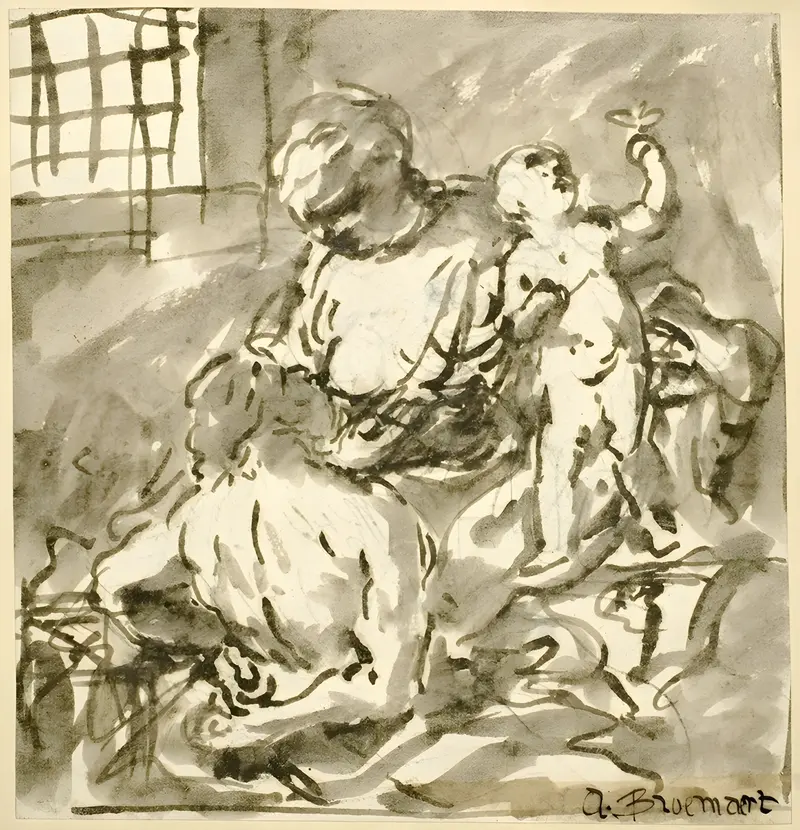
Caritas Romana
Abraham Bloemaert
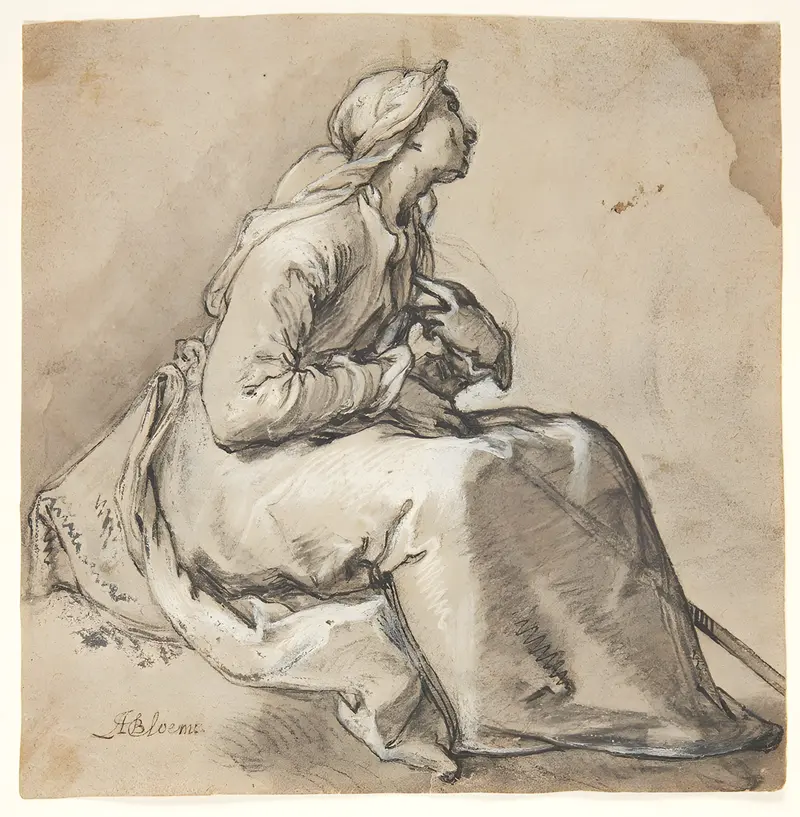
A seated woman facing right
Abraham Bloemaert
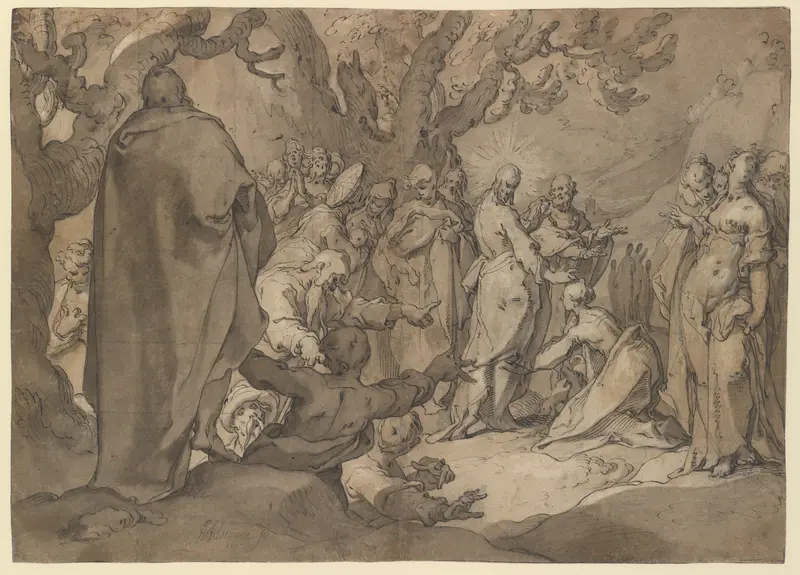
Christ and the Canaanite Women
Abraham Bloemaert
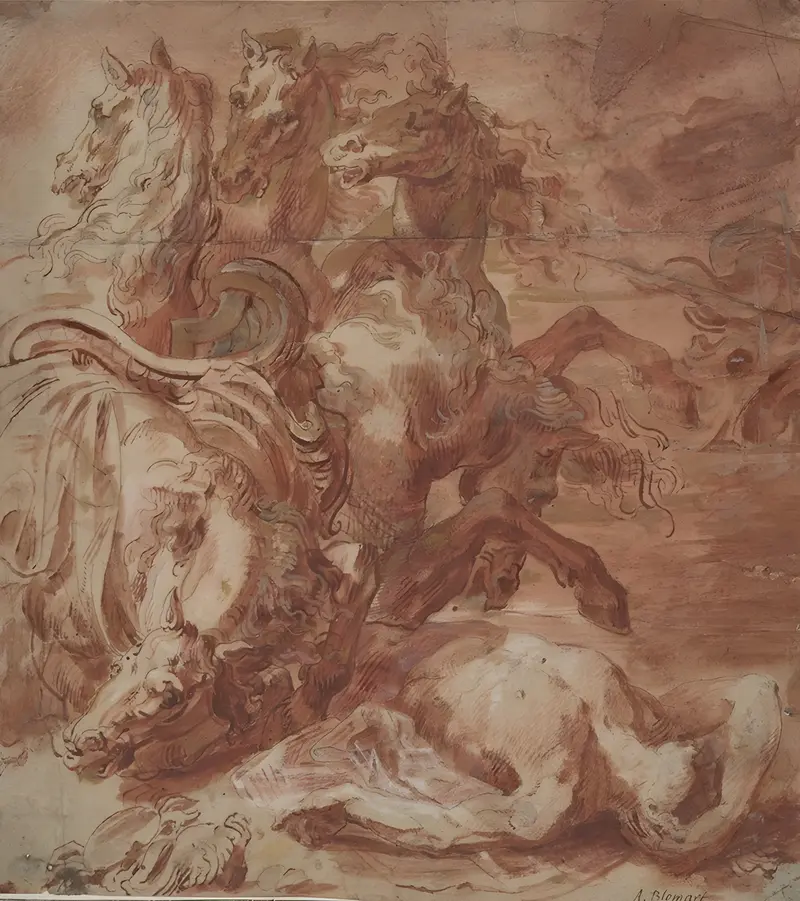
Hippolytus
Abraham Bloemaert
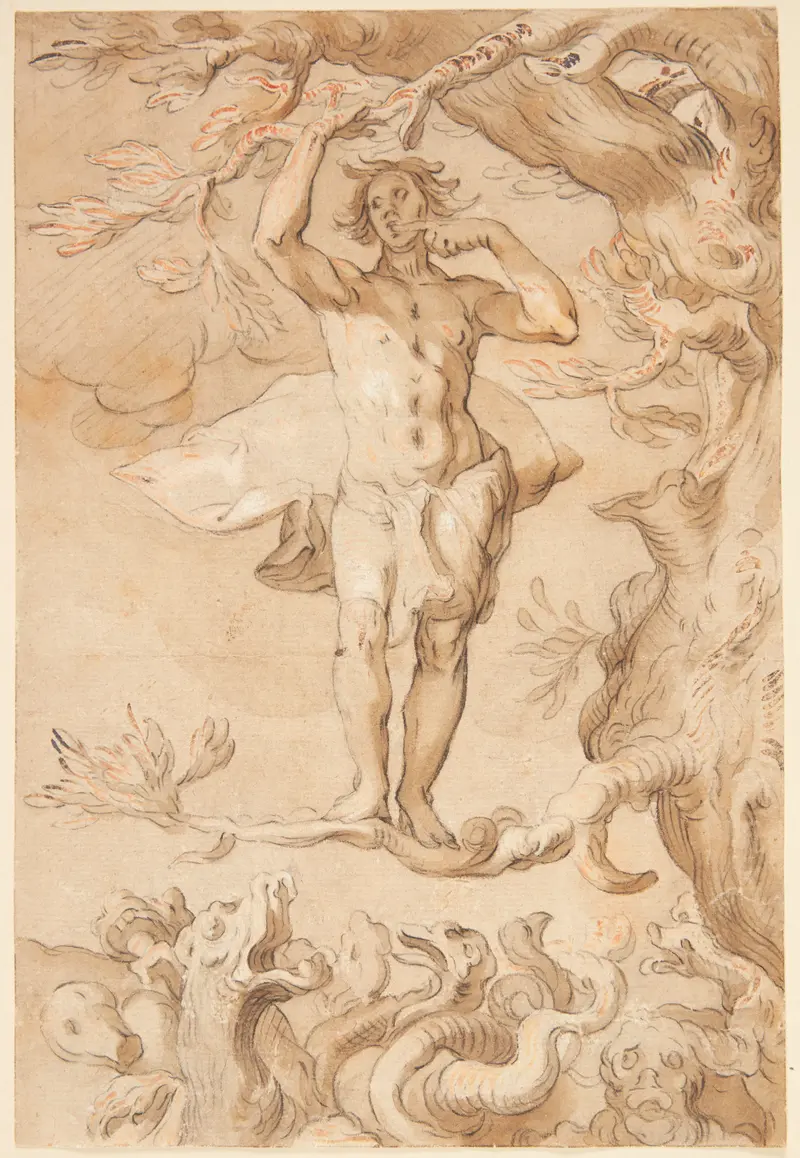
Den menneskelige glædes skrøbelighed En mand, der jages af en drage, klynger sig til en gren, mens han slikker honning af sin finger
Abraham Bloemaert

Moses Striking the Rock
Abraham Bloemaert
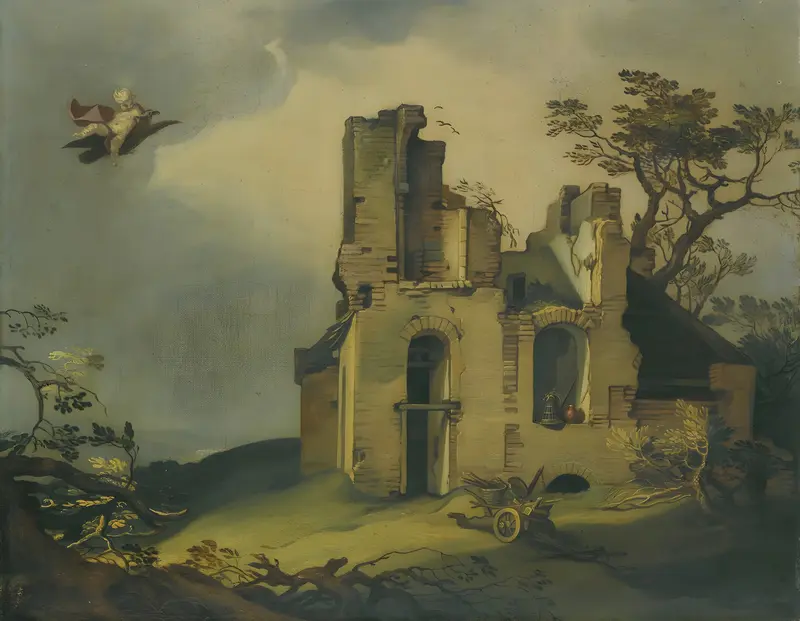
A Landscape With Ruins, With The Rape Of Ganymede
Abraham Bloemaert





